Before You Arrive
Prepare for your ACP session as you would for any medical procedure. Eat a light meal beforehand—having some food in your system helps prevent lightheadedness during the blood draw. Stay well hydrated in the hours leading up to your appointment, but avoid alcohol for 24 hours prior.
Wear comfortable, loose-fitting clothing that allows easy access to both your arm (for blood collection) and the treatment area. If your knee is being treated, shorts or loose trousers work well. For shoulder treatments, choose a top with wide sleeves or one that opens at the front.
Bring a list of all medications you're taking, including supplements and over-the-counter drugs. Your practitioner needs to know about blood thinners, anti-inflammatory medications, or any supplements that might affect clotting. If possible, avoid anti-inflammatory drugs like ibuprofen for a few days before treatment, as these can interfere with the natural healing response the therapy aims to stimulate.
The Session Itself
Your appointment begins with a consultation review. Your practitioner will examine the treatment area, discuss your symptoms, and confirm the injection site. This takes about 10-15 minutes and helps ensure you're comfortable with the procedure ahead.
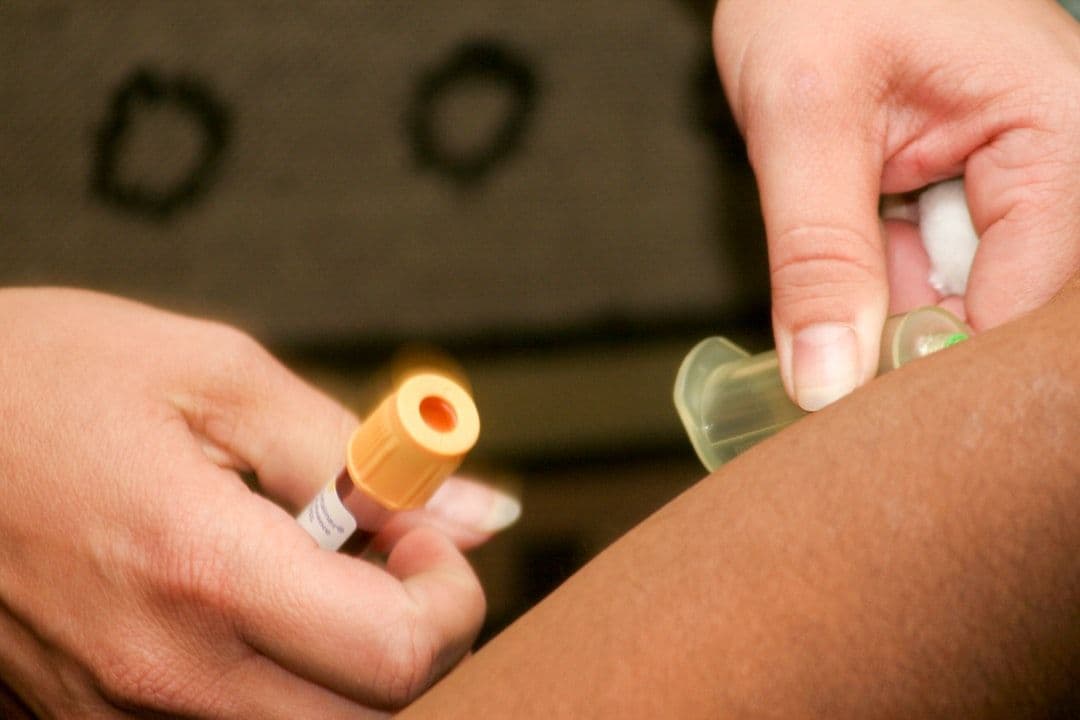
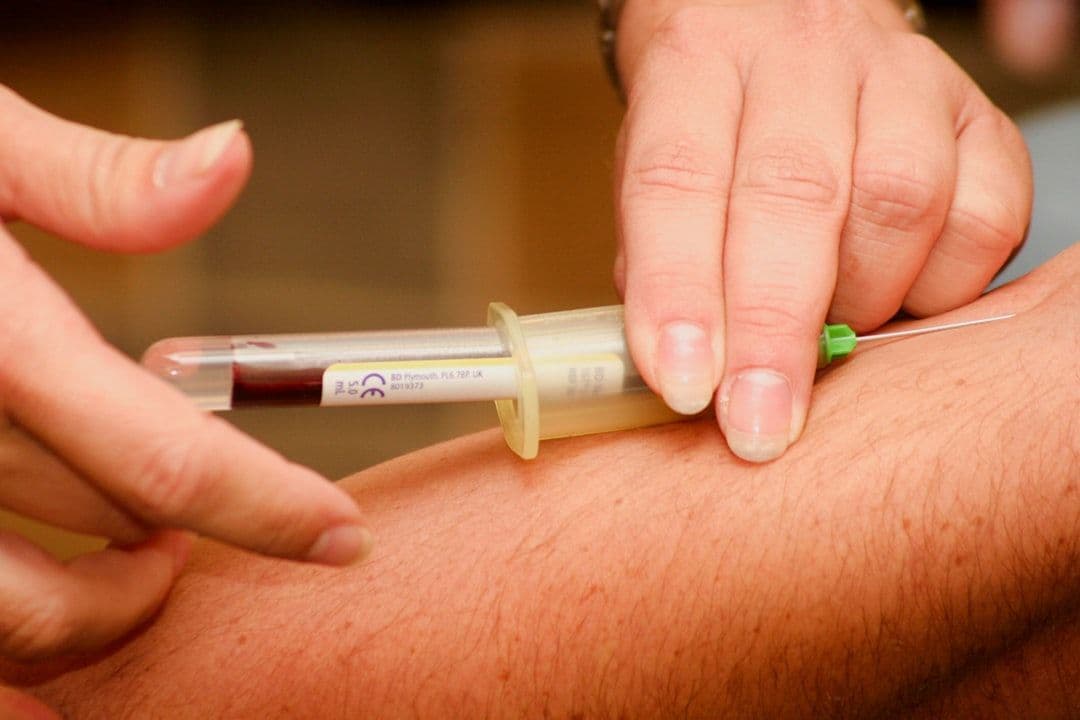
Next comes the blood draw—typically 10-20ml from your arm, similar to a routine blood test. This feels like a brief pinch followed by mild pressure as the blood flows into the collection tube. The entire draw takes 2-3 minutes.
Whilst you wait, a technician processes your blood in a centrifuge machine. This spinning process, which takes about 10-15 minutes, separates the platelet-rich plasma from other blood components. You might hear the hum of the centrifuge running in an adjacent room.
Before the injection, your practitioner will clean the treatment area thoroughly with antiseptic solution—expect it to feel cool against your skin. They may apply a local anesthetic, which stings briefly before creating numbness. Using ultrasound guidance, they'll then inject the concentrated plasma directly into the affected tissue. The injection itself takes just a few seconds, though you'll feel pressure and possibly a deep ache as the plasma enters the joint or tissue space.
What You Might Experience
During the blood draw, most people feel only the initial needle prick. Some experience mild queasiness, but this passes quickly. If you're prone to feeling faint during blood tests, mention this beforehand so your practitioner can have you lie down.
The injection sensation varies depending on the treatment site. Joint injections often cause a deep, pressure-like feeling that may radiate briefly through the surrounding area. Some people describe it as similar to dental work—uncomfortable but tolerable. The procedure is typically less painful than steroid injections because the plasma is pH-neutral and doesn't cause the burning sensation associated with some medications.
Immediately after treatment, the injection site may feel sore and slightly swollen. This is normal and indicates your body's healing response is activating. Some people notice increased stiffness or aching for 24-48 hours post-injection—this temporary flare-up is actually a positive sign that the growth factors are working.
Over the following days, you might experience variable symptoms. Some people report gradual improvement within the first week, while others notice little change initially. The full effects typically become apparent between 4-8 weeks, as the regenerative process takes time to rebuild damaged tissue.
Aftercare and Recovery
For the first 48 hours, apply ice to the injection site for 15-20 minutes every few hours to manage any swelling or discomfort. Avoid hot baths, saunas, or vigorous exercise during this initial period, as heat and intense activity can increase inflammation and potentially interfere with the healing process.
You can return to normal daily activities immediately, but modify any movements that stress the treated area. If your knee was injected, avoid deep squatting or high-impact activities for several days. For shoulder treatments, limit overhead reaching and heavy lifting.
Painkiller use requires careful consideration. Paracetamol is acceptable for managing discomfort, but avoid anti-inflammatory medications like ibuprofen or aspirin for at least a week post-treatment. These drugs can suppress the inflammatory response that's crucial for tissue regeneration.
Gradual return to full activity is key. Your practitioner will typically recommend starting gentle range-of-motion exercises within a few days, progressing to strength training and sport-specific activities over the following weeks. Listen to your body—some discomfort is normal as tissues heal, but sharp pain suggests you may be pushing too hard too soon.
Treatment Course and Timeline
Most conditions require a series rather than a single injection. Typically, practitioners recommend 1-3 treatments spaced 4-6 weeks apart, allowing time for each injection to take effect before determining if additional treatments are needed.
For acute injuries like tennis elbow or recent ligament strains, one injection may suffice. Chronic conditions such as knee osteoarthritis often benefit from 2-3 treatments. Your practitioner will assess your response after each session to determine the optimal treatment plan.
Improvement timelines vary significantly between individuals. Some people notice reduced pain within 2-3 weeks, while others see gradual improvement over 2-3 months. Peak benefits typically occur 3-6 months after treatment, as the regenerative process continues long after the injection.
Follow-up appointments help track your progress and adjust treatment plans accordingly. Your practitioner might recommend additional sessions if initial improvement plateaus, or suggest complementary treatments like physiotherapy to maximize results. The goal is sustainable improvement rather than temporary relief, which often requires patience as your body's natural healing processes unfold.