Current Research Landscape
The evidence base for blood detoxification splits into two distinct categories: well-researched individual compounds and unstudied commercial programs. Systematic reviews exist for liver-supporting herbs like milk thistle and N-acetylcysteine, with dozens of randomised controlled trials examining their hepatoprotective effects. However, comprehensive 'blood detoxification' protocols—combining multiple herbs, dietary restrictions, and lifestyle modifications—have received virtually no clinical investigation.
Most published research focuses on hepatotoxicity prevention rather than general detoxification. Studies typically examine specific populations: healthcare workers exposed to chemotherapy drugs, people with hepatitis, or those with alcohol-related liver damage. The broader concept of cleansing blood in healthy individuals remains largely outside mainstream research priorities.
A significant evidence gap exists between laboratory studies showing how certain compounds affect liver enzymes and clinical trials demonstrating improved health outcomes. Many herbs show promising in vitro activity but lack human trials with adequate sample sizes or follow-up periods.
Strongest Clinical Evidence
Silymarin, the active component in milk thistle, represents the most robust evidence in this field. A 2017 Cochrane review analyzed 23 randomised trials involving over 2,100 participants with liver disease. Results showed modest improvements in liver enzyme markers, though the clinical significance remained unclear. The largest individual trial, involving 1,145 participants with hepatitis C, found no significant benefit over 24 weeks.
N-acetylcysteine (NAC) demonstrates stronger evidence for specific detoxification functions. Multiple studies confirm its effectiveness as an antidote to paracetamol poisoning, and systematic reviews support its use in chronic obstructive pulmonary disease. However, these applications target specific toxins or conditions rather than general blood cleansing.
Activated charcoal shows clear evidence for treating acute poisoning when administered within hours of ingestion. Clinical guidelines recommend it for specific overdoses, but studies examining its use in healthy individuals for general detoxification are essentially non-existent. The few trials that exist involve very small sample sizes and short duration periods.
Research Limitations and Gaps
The most significant limitation lies in the disconnect between marketed detoxification programs and studied interventions. Commercial protocols often combine multiple herbs, dietary restrictions, and supplements, yet clinical trials typically examine single compounds in isolation. This makes it impossible to evaluate the safety or efficacy of popular detox regimens.
Study quality varies considerably across the field. Many herbal trials suffer from poor blinding, high dropout rates, and heterogeneous outcome measures. Publication bias appears significant, with negative results less likely to reach publication. Industry funding influences study design in ways that favor positive findings, particularly for proprietary supplement formulations.
Sample sizes remain problematic. Even the larger milk thistle studies involve fewer than 200 participants, limiting statistical power to detect meaningful differences. Duration is equally concerning—most trials last 8-12 weeks, providing no information about long-term effects or safety.
Perhaps most importantly, few studies examine healthy populations. Research focuses on people with diagnosed liver disease, acute poisoning, or occupational exposures. Whether blood detoxification benefits people with normal liver and kidney function remains entirely unstudied.
What Evidence Supports vs. Uncertain Territory
The evidence clearly supports specific liver-protective compounds in targeted populations. Milk thistle may help people with hepatitis or alcohol-related liver damage, though benefits appear modest. NAC effectively treats paracetamol overdose and may support respiratory function in chronic lung disease. These applications rest on solid clinical foundations.
However, the evidence does not support comprehensive blood detoxification in healthy individuals. No studies demonstrate that commercial detox programs remove toxins more effectively than normal liver and kidney function. Claims about improved energy, clearer skin, or enhanced immunity lack clinical validation.
The concept of accumulated toxins requiring periodic cleansing also lacks scientific support. Healthy livers process toxins continuously and efficiently. Blood tests in healthy individuals typically show toxin levels well within normal ranges, regardless of detox program participation.
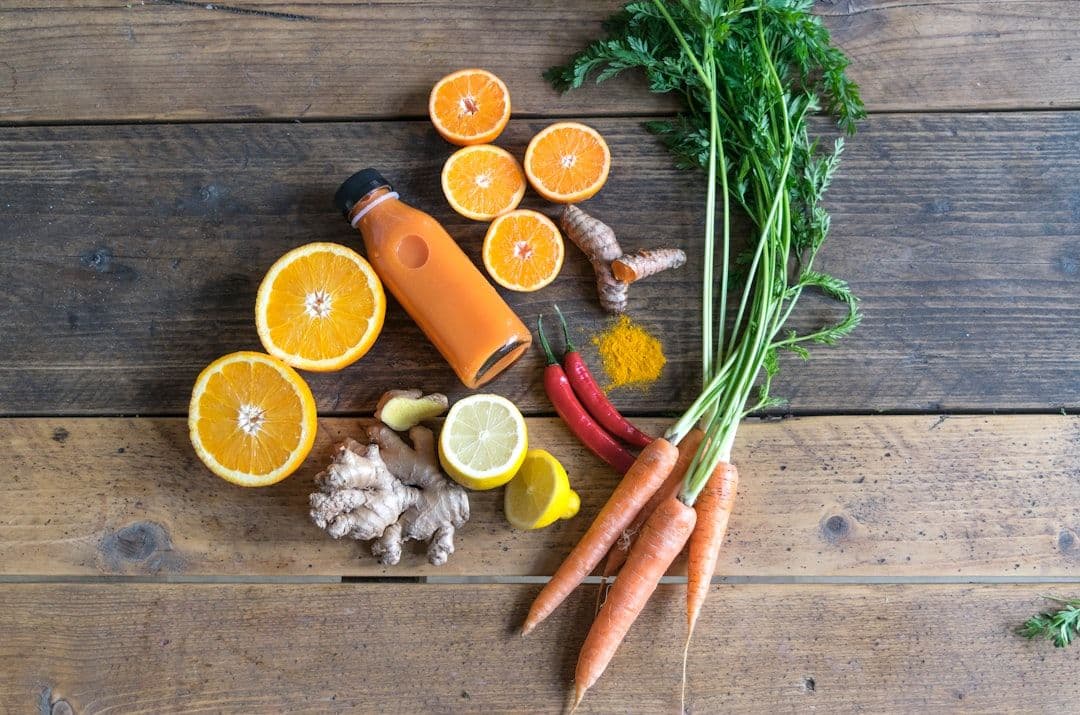
Antioxidant-rich foods undoubtedly support general health, but framing this as 'blood cleansing' overstates the evidence. Dietary improvements benefit cardiovascular and metabolic health through well-understood mechanisms that don't require detoxification theory to explain.
Research Directions and Open Questions
Future research needs to address the gap between popular detoxification practices and clinical evidence. Large-scale trials examining complete detox protocols—not just individual compounds—would provide valuable insights into their safety and efficacy. These studies should include healthy participants and measure clinically relevant outcomes rather than just biochemical markers.
Long-term safety data represents another research priority. Many detox herbs have been studied for weeks or months, but people often use them repeatedly over years. Understanding cumulative effects, particularly for liver metabolism and drug interactions, requires extended follow-up periods.
Personalised approaches deserve investigation. Genetic variations in detoxification enzymes suggest that individuals may respond differently to specific interventions. Research exploring how genetic profiles influence detox program outcomes could inform more targeted recommendations.
Finally, studies comparing detoxification approaches with conventional lifestyle modifications would clarify relative benefits. Do structured detox programs offer advantages over simply improving diet, exercise, and sleep habits? This fundamental question remains unanswered despite its importance for clinical practice and public health guidance.