What It Is
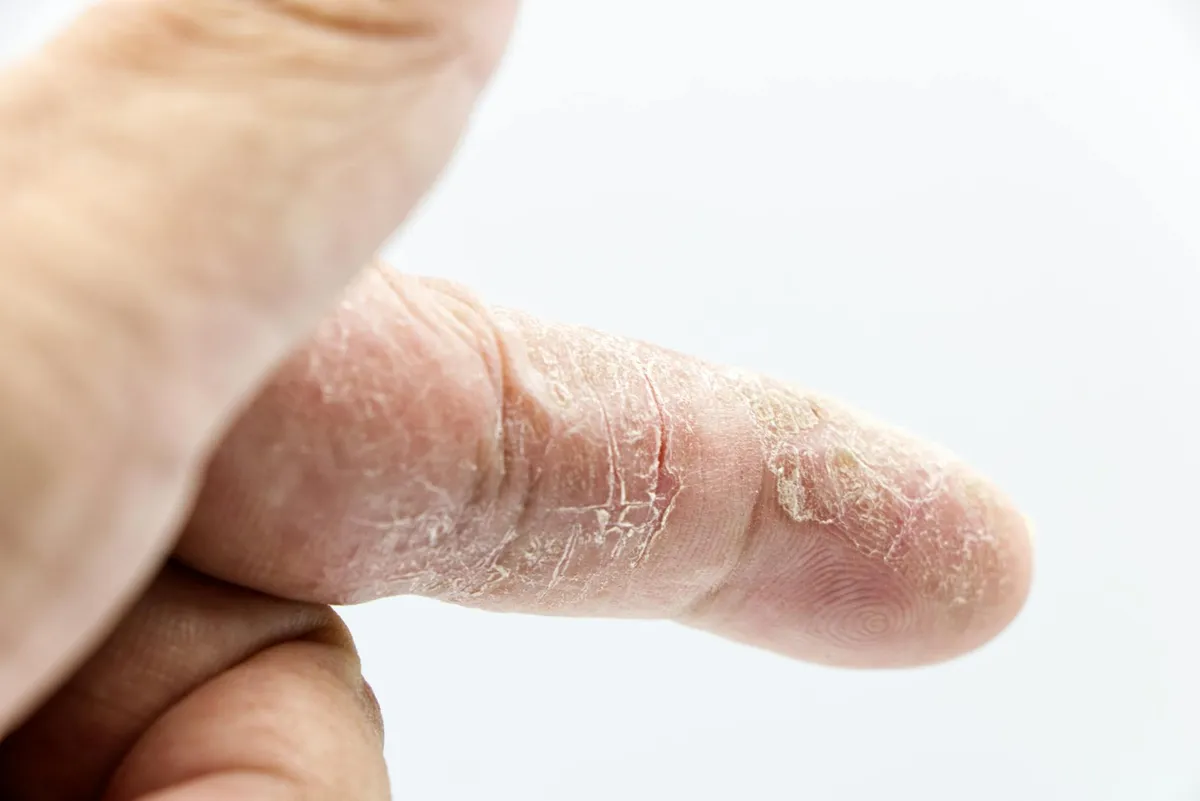
Eczema is a chronic inflammatory skin condition marked by dryness, itching, and irritation.
Understanding your skin and finding what brings relief
At a glance
What It Is
Eczema is a chronic inflammatory skin condition marked by dryness, itching, and irritation.
How It Presents
Common experiences include dry patches, redness, intense itching, and periodic flare-ups.
What May Help
Moisturizing routines, trigger identification, dietary changes, and stress support are often explored.
Evidence Context
Research into eczema management is well-developed, with strong support for barrier care and trigger avoidance.
See the evidence snapshotWhen to Seek Help
Seek care for signs of skin infection, severe itching, or flare-ups that disrupt sleep or daily life.
Explanation
Eczema, also known as atopic dermatitis, is a chronic skin condition characterised by inflammation, dryness, and intense itching.
It is associated with a weakened skin barrier, immune system dysregulation, and environmental triggers.
Symptoms may include red, inflamed patches, dry skin, and recurrent flare-ups.
Triggers can include allergens, irritants, stress, and climate factors.
From a holistic perspective, eczema may reflect immune, skin barrier, and lifestyle influences, including diet and stress.
Could this be you
Eczema shows up differently for everyone. Browse by how it tends to be felt — these are common experiences, not a checklist or a diagnosis.
Common experiences people describe — not a diagnostic checklist.
Why it happens
Eczema usually comes from a mix of factors rather than a single cause. These are common contributors — not certainties.
Genetic variations affecting skin barrier proteins like filaggrin may leave skin more vulnerable to moisture loss and irritant entry.
Psychological stress may trigger or worsen flare-ups by influencing immune signaling and increasing skin sensitivity.
Immune dysregulation, allergies, and exposure to environmental triggers like dust mites or certain fabrics are commonly linked to eczema onset.
Poor sleep may amplify the itch-scratch cycle, and nighttime itching is a frequent reason sleep quality suffers in people with eczema.
What happens in the body
Eczema can involve several of the body’s systems. These are common patterns researchers describe — how they show up varies from person to person.
Mutations in genes like filaggrin may weaken the skin barrier, allowing moisture loss and easier entry of irritants and allergens.
An overactive Th2 immune response may drive chronic skin inflammation, increasing sensitivity to environmental triggers and allergens.
Heightened nerve sensitivity in affected skin may amplify itch signals, creating a scratch-itch cycle that can worsen inflammation.
Psychological stress may influence immune signaling pathways in ways that are associated with increased flare-up frequency and severity.
Process
Management
A doctor may discuss prescription or over-the-counter topical corticosteroids to help reduce inflammation and relieve itching during flare-ups.
Regular use of thick emollients and ceramide-based creams may support skin barrier function and help reduce dryness and sensitivity.
Some people find that reducing processed foods and emphasizing omega-3-rich foods may support a calmer inflammatory response in the skin.
Some practitioners suggest acupuncture may help with itch intensity and stress-related flare-ups, though individual responses vary.
Traditionally used ingredients such as calendula and colloidal oatmeal may support skin comfort and soothing for some people with eczema.
Self-Care
Applying a fragrance-free, thick cream or ointment within three minutes of bathing may support skin barrier function and help reduce dryness and itching.
Common triggers include certain fabrics, pet dander, harsh soaps, and sweat. Keeping a simple diary of flare-ups may help you spot patterns and reduce exposure over time.
Switching to dye-free, fragrance-free cleansers and laundry detergents is something many people with eczema find helpful in calming skin irritation and reducing flare frequency.
Stress is a well-recognized contributor to eczema flares. Techniques such as mindfulness, deep breathing, or gentle movement may support a calmer immune response over time.
Loose-fitting cotton clothing is generally better tolerated than wool or synthetic materials, which some people find worsen itching and skin inflammation.
The Evidence
What research says about eczema, how it is understood clinically, and where complementary approaches may fit alongside conventional care.
Eczema is one of the most studied chronic skin conditions
Dermatological research into eczema is well established, with clear understanding of skin barrier dysfunction, immune involvement, and trigger management. Complementary approaches are increasingly explored, though evidence for individual interventions varies.
Atopic dermatitis is extensively studied in dermatology, immunology, and allergy research. Core strategies such as moisturisation, trigger avoidance, and topical anti-inflammatory therapies are well supported. Evidence for complementary approaches such as nutritional therapy and herbal medicine is more variable and generally requires individual assessment.
Research identifies filaggrin gene variants, Th2 immune overactivation, and heightened nerve sensitivity as key mechanisms. Conventional management focuses on restoring the skin barrier, reducing inflammation, and identifying personal triggers. Psychological stress is also recognised as a factor that may influence flare-up frequency.
Nutritional therapy, herbal medicine, and mindfulness-based stress reduction are among the approaches explored in the context of eczema. Evidence varies across these modalities. Some individuals report benefit, but results are not universal. Complementary approaches are best considered as supportive rather than as standalone interventions.
Skin that becomes infected, weeping, crusted, or significantly swollen requires professional assessment. Severe or widespread inflammation, symptoms that do not respond to standard care, or eczema affecting the eyes or face should be reviewed by a qualified clinician. Do not delay seeking care if symptoms are worsening.
Conventional dermatological care remains the foundation for managing eczema, particularly in moderate to severe cases. Supportive approaches addressing stress, diet, and lifestyle may complement this care. Working with practitioners across relevant disciplines can help build a personalised plan. Gyfts does not replace professional assessment or ongoing clinical management.
While the overall evidence base for eczema is strong, evidence for specific complementary interventions is often limited by small study sizes, short follow-up periods, or inconsistent methodologies. Individual responses to triggers and treatments vary considerably. Claims of inflated outcomes from any single product or approach should be viewed with caution.
Safety first
Eczema is manageable, and support helps. Some situations call for prompt professional help.
Explore approaches
Practices people explore for eczema — alongside professional care.
FAQ
Flare-ups are often linked to triggers like dry air, soaps, fabrics, stress, or allergens. Identifying your personal triggers may help reduce their frequency. Keeping a simple diary of flare-ups and exposures can be a useful starting point.
Some people find that moisturizing consistently, reducing stress, and avoiding known irritants supports their skin. Some practitioners suggest reviewing diet or using fragrance-free products as part of a broader care routine.
Eczema often occurs alongside hay fever or asthma, a pattern sometimes called the atopic march. Allergens like dust mites or certain foods may play a role for some individuals. A healthcare provider can help assess whether allergy testing is appropriate.
If your skin shows signs of infection such as oozing, crusting, or increased warmth, prompt medical attention is important. Persistent flare-ups that affect your sleep, work, or well-being also warrant a professional evaluation.
Many people experience changes in their eczema over the years, with some finding flare-ups become less frequent. Consistent skin care and trigger management may support long-term improvement. Outcomes vary, so working with a provider helps set realistic expectations.
References
Educational sources that inform this overview. Inclusion is for context and does not imply endorsement.
Full citations are maintained by the Gyfts editorial team and reviewed periodically.
Keep exploring
Browse practitioners, explore honest overviews, and take what you learn to a conversation — at your own pace.