Before Your Session: Simple Preparation
BodyTalk sessions require minimal preparation. Wear comfortable, loose-fitting clothing that won't restrict your breathing or movement — you'll remain fully clothed throughout. Avoid heavy meals for two hours beforehand, as some techniques involve gentle pressure on the torso.
Bring a list of any current health concerns, medications, or recent significant stressors. Many practitioners begin with a brief health history, so having this information ready helps them understand your individual situation. There's no need to bring anything else — no oils, crystals, or special equipment are required.
If possible, avoid alcohol for 24 hours before your session. Some practitioners suggest this may interfere with the body's natural communication systems that the technique aims to address.
The Session Unfolds: Tapping and Focus
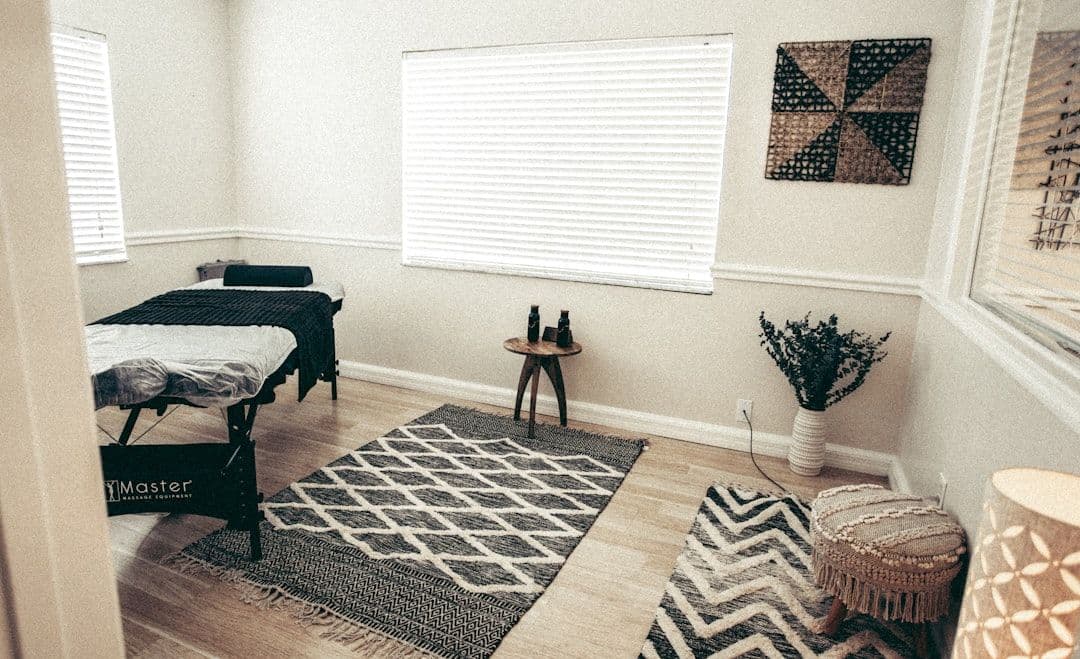
Your session begins with 10-15 minutes of discussion about your health concerns and goals. You'll lie on a massage table or sit comfortably in a chair whilst the practitioner explains their approach. The room is typically quiet and softly lit.
The practitioner then uses what they call neuromuscular biofeedback — a form of muscle testing where they gently press your arm or wrist whilst asking your body yes-or-no questions. This process aims to identify areas where your body's systems aren't communicating effectively. You might hear questions like "Does this relate to your digestive system?" or "Is this connected to recent stress?"
Once areas of concern are identified, the main technique begins. The practitioner applies light fingertip taps to your head, heart area, and sometimes your solar plexus. These taps are gentle — similar to the pressure you'd use when typing on a keyboard. Simultaneously, you'll be asked to focus your attention on the identified area or concern.
Each tapping sequence lasts 30-60 seconds. You might be asked to take specific breaths or visualise certain body parts during this time. Most people find the tapping rhythmic and soothing rather than intrusive. The entire hands-on portion typically lasts 30-40 minutes.
What You Might Experience: Varied Responses
During the session, most people report feeling deeply relaxed, similar to a meditative state. The gentle tapping often creates a pleasant tingling sensation, and many people find their breathing naturally becomes slower and deeper. Some notice warmth or subtle energy shifts in the areas being addressed.
Emotional responses vary considerably. Some people experience nothing beyond relaxation, whilst others report brief emotional releases — perhaps remembering a forgotten worry or feeling unexpectedly tearful. These reactions are considered normal within the practice and typically pass quickly.
Physically, you might notice tension releasing from your shoulders or jaw, or a sense of lightness in areas that previously felt heavy or blocked. Occasionally, people experience temporary fatigue immediately after the session, followed by increased energy within a few hours.
Not everyone feels dramatic shifts. Many describe the effects as subtle — a general sense of being more balanced or centred rather than specific symptom relief.
After Your Session: Integration Time
Drink plenty of water for the rest of the day — practitioners suggest this helps the body integrate whatever changes may have occurred. Avoid alcohol and try to maintain a calm environment for the remainder of your session day.
Some people notice improvements in sleep quality that evening, whilst others report feeling more emotionally balanced over the following days. Physical changes, if they occur, typically emerge gradually rather than immediately.
Practitioners often recommend avoiding major decisions or stressful activities for the rest of your session day. This isn't due to any side effects, but rather to give your system space to adjust to whatever shifts may have occurred.
Keep notes about any changes you observe over the following week — improvements in digestion, sleep patterns, or stress levels. These observations help both you and your practitioner assess whether the approach is proving helpful.
Treatment Course: Building Gradually
Most practitioners recommend starting with 3-4 sessions spaced one to two weeks apart. This allows time to observe whether you're responding to the approach before committing to longer-term work.
People seeking support for chronic conditions often continue with monthly maintenance sessions, whilst those addressing acute stress might find a shorter series sufficient. Unlike some therapies, BodyTalk doesn't follow a predetermined protocol — the number of sessions depends entirely on your individual response and goals.
Some practitioners offer remote sessions via phone or video call, using the same principles but without physical contact. Whether you choose in-person or remote sessions often comes down to personal preference and geographical convenience.
Be realistic about timeframes. While some people report feeling different after a single session, most beneficial changes emerge gradually over several weeks or months of regular sessions.