Before Your Appointment
Book your initial consultation when you can dedicate proper time—these sessions typically run 60 to 90 minutes. Prepare a detailed list of all medications, supplements, and health conditions, including seemingly minor issues like occasional headaches or digestive quirks. Medical herbalists need the complete picture.
Bring recent blood test results if available, particularly liver function tests, as these inform safe prescribing. Wear comfortable clothing that allows access to pulse points at your wrists, as pulse assessment is common in herbal practice. Avoid alcohol for 24 hours beforehand, as this can affect pulse quality and tongue appearance—both diagnostic indicators herbalists rely upon.
Eat normally on consultation day unless specifically advised otherwise. An empty stomach can make you feel lightheaded during longer appointments, and your herbalist may want to assess how your digestion responds to food.
The Consultation Process
Your herbalist begins with detailed questioning about your main concerns, symptom patterns, energy levels, sleep quality, and emotional wellbeing. Expect questions that might surprise you—like preferred temperatures, food cravings, or how you respond to weather changes. These details help identify your individual constitutional pattern.
Physical assessment follows, though this varies by practitioner training. Many herbalists check pulse quality, examine your tongue coating and color, and assess skin tone or nail condition. Some may measure blood pressure or use simple reflex tests. This isn't diagnostic in the medical sense—it's pattern recognition to match you with appropriate plant medicines.
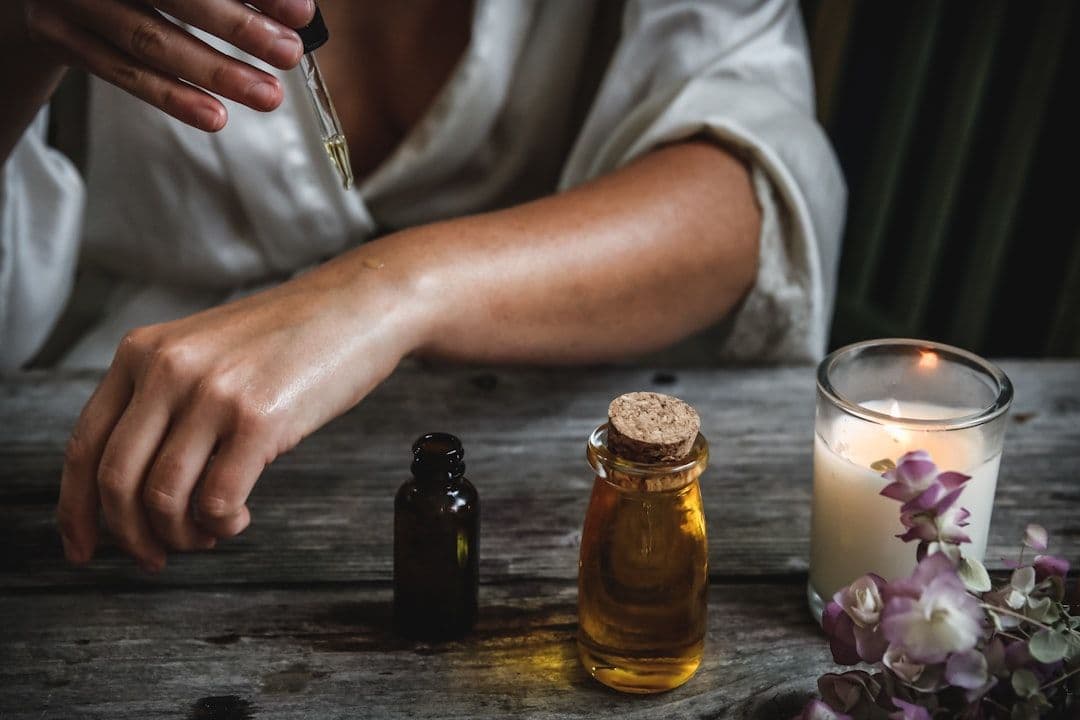
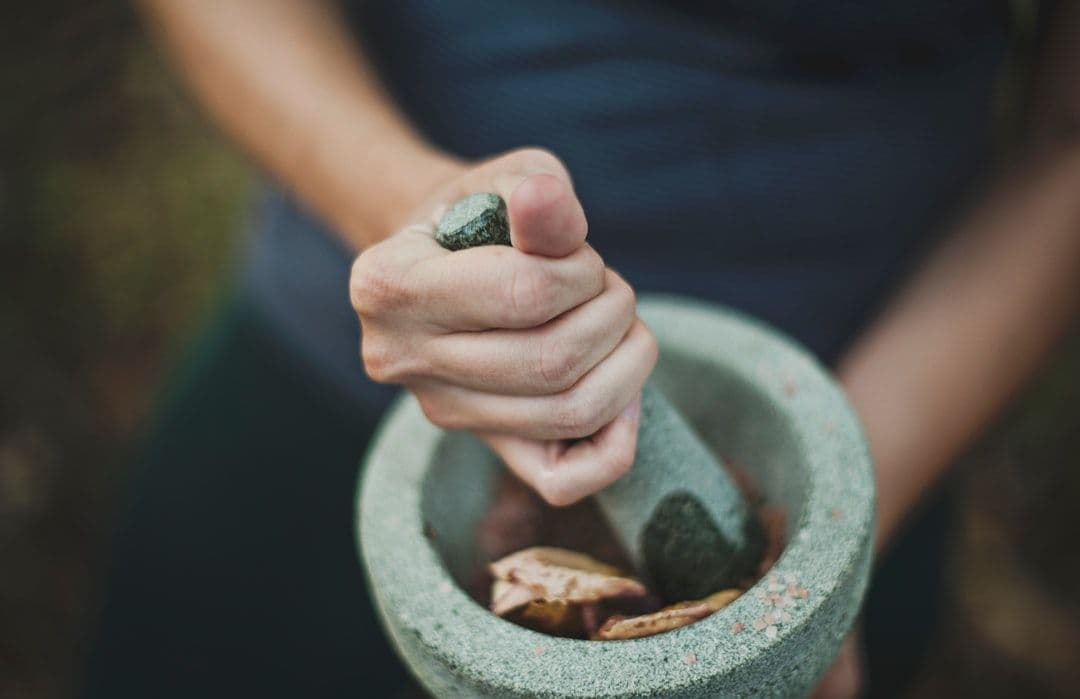
The prescription phase involves selecting specific botanicals based on your individual presentation. Your herbalist explains each plant's role, potential effects, and how the combination works synergistically. They'll discuss preparation methods—whether you'll receive liquid tinctures, loose herbs for tea-making, standardized capsules, or topical preparations. Most practitioners prepare personalized formulations rather than offering off-the-shelf products.
What You Might Experience
Initial effects vary dramatically depending on the plants prescribed and your individual sensitivity. Some people notice subtle changes within days—improved sleep, easier digestion, or enhanced mood stability. Others require several weeks of consistent use before recognizing meaningful shifts.
Digestive herbs often produce the quickest noticeable effects. You might experience improved appetite, reduced bloating, or more regular bowel movements within the first week. Adaptogenic herbs for stress management typically work more gradually, with cumulative benefits becoming apparent after 2-4 weeks of regular use.
Taste experiences range from pleasant to decidedly medicinal. Liquid tinctures often taste bitter or intensely herbal—this is normal and sometimes indicates therapeutic potency. Some practitioners add flavouring agents, while others believe the bitter taste itself triggers beneficial digestive responses. If taste proves problematic, discuss alternatives like capsules or different preparation methods.
Mild detoxification responses occasionally occur during the first week, particularly with liver-supporting herbs. You might experience temporary changes in bowel movements, mild headaches, or slight fatigue as your body adjusts. These typically resolve quickly, but contact your herbalist if symptoms persist or worsen.
Post-Session Care and Monitoring
Take botanical medicines consistently as prescribed—irregular dosing reduces effectiveness considerably. Most liquid tinctures are taken 2-3 times daily, ideally away from meals unless specifically advised otherwise. Set phone reminders initially, as establishing new routines takes conscious effort.
Maintain a brief symptom diary, noting energy levels, sleep quality, digestive changes, and mood patterns. This information proves invaluable during follow-up appointments for fine-tuning prescriptions. Photograph any skin conditions being addressed, as visual progress tracking helps both you and your herbalist assess improvement.
Avoid making multiple health interventions simultaneously. If you're considering dietary changes, new supplements, or other therapies, discuss timing with your herbalist. Multiple changes make it impossible to identify which interventions are helping.
Schedule your first follow-up appointment for 2-4 weeks after starting treatment. This allows sufficient time to assess initial responses while enabling timely adjustments if needed.
Treatment Timeline and Expectations
Acute conditions like cold symptoms or digestive upsets typically respond within 1-2 weeks of targeted botanical intervention. Chronic conditions require patience—expect 4-12 weeks before seeing significant improvement, with optimal benefits often emerging after 3-6 months of consistent treatment.
Most people need 3-4 consultations over the first three months to establish an effective protocol. Initial prescriptions are often adjusted based on your response, tolerance, and changing symptoms. Follow-up appointments typically last 30-45 minutes and focus on progress assessment and prescription refinement.
Long-term conditions like arthritis, cardiovascular support, or hormonal imbalances may require ongoing botanical support with quarterly reviews. Many people transition to maintenance protocols after achieving initial goals, using lower doses or seasonal adjustments to maintain progress.
Budget for both consultation fees and ongoing botanical costs. Initial consultations typically cost $60-120, with follow-ups ranging from $40-80. Monthly botanical prescriptions usually cost $25-60 depending on complexity and preparation methods required.