What it is
Plant extracts like ginger, turmeric, and ashwagandha are used to support health naturally.
Botanical medicines use therapeutic plant compounds in forms like extracts, teas, and supplements to support health and treat various con...
At a glance
What it is
Plant extracts like ginger, turmeric, and ashwagandha are used to support health naturally.
Why explore it
Botanicals like valerian and rhodiola complement conventional care for sleep, stress, and more.
How it’s experienced
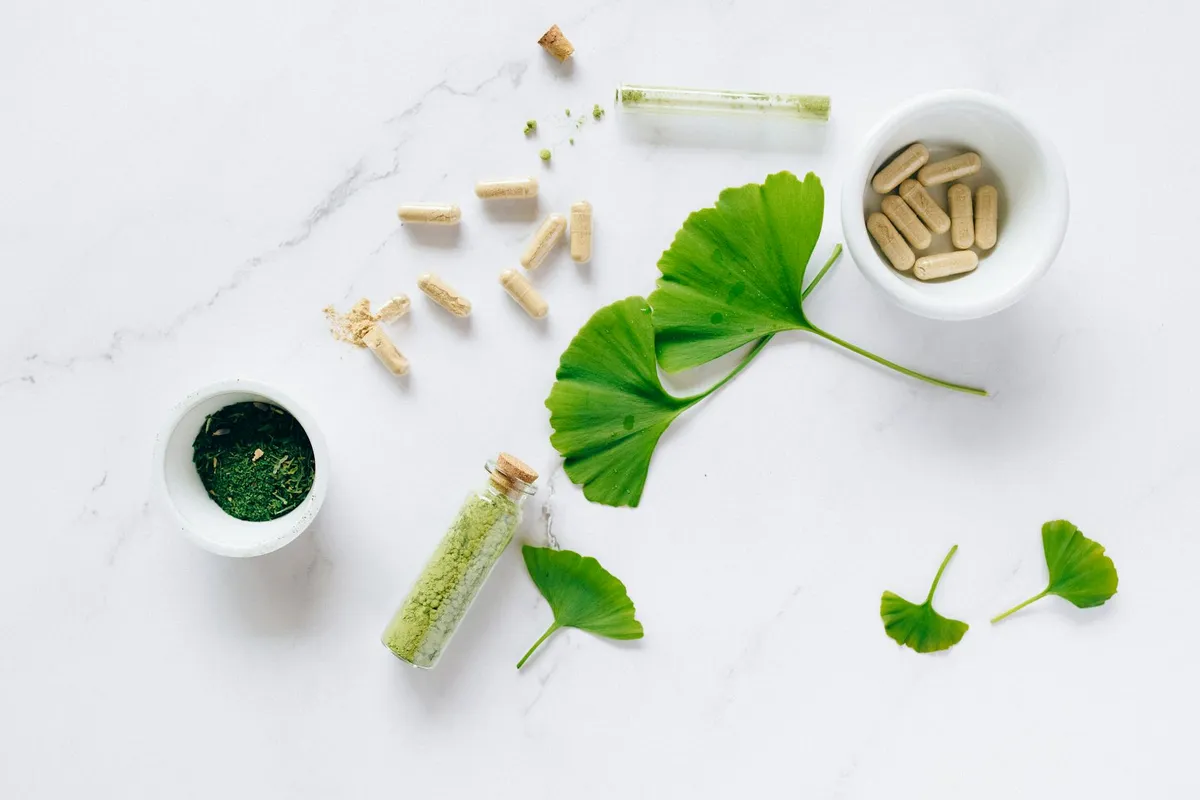
Herbs come as teas, capsules, or tinctures, often tailored to your unique health needs.
Evidence context
Research varies by herb, so benefits are best evaluated honestly on a case-by-case basis.
See the evidence snapshotSafety
Generally safe when third-party tested, but always tell your doctor about any herbs you take.
See staying safeHistory & Origin
Botanical Medicines are natural plant-based remedies traditionally used by some practitioners to support wellbeing across a range of health concerns.
Botanical medicines represent humanity's oldest healing tradition, with archaeological evidence showing medicinal plant use dating back over 60,000 years. Ancient civilizations including Egyptian, Chinese, Indian, Greek, and Indigenous cultures worldwide developed sophisticated systems of plant-based healing that form the foundation of modern herbal medicine. The Ebers Papyrus from ancient Egypt (1550 BCE) documented hundreds of plant remedies, while Traditional Chinese Medicine and Ayurveda created comprehensive frameworks for understanding plant energetics and therapeutic applications.
The scientific revolution brought both advancement and decline to botanical medicine. While early pharmacology emerged from isolating active compounds from plants—aspirin from willow bark, digitalis from foxglove, morphine from poppy—the rise of synthetic pharmaceuticals in the 20th century pushed herbal medicine to the margins of mainstream healthcare in many Western countries. However, traditional plant medicine knowledge was preserved and continued to evolve in many cultures worldwide.
The modern renaissance of botanical medicine began in the 1960s-70s, driven by growing interest in natural health approaches and concerns about pharmaceutical side effects. Key figures like herbalist Michael Moore in North America and phytotherapy researchers in Germany helped bridge traditional knowledge with scientific methodology. Today, botanical medicine integrates centuries of traditional wisdom with modern research on phytochemistry, standardization, and clinical applications.
Germany leads in phytotherapy research and regulation, with Commission E monographs providing scientific validation for hundreds of herbal medicines. This evidence-based approach has spread globally, with botanical medicines now representing a significant portion of the global healthcare market and gaining recognition from major medical institutions for specific applications.
Mechanism
Botanical Medicines is a broader health tradition or knowledge system rather than a single technique. Practitioners may draw on cultural teachings, observation, lifestyle guidance, ritual, remedies, bodywork, or community practice. Its working model should be described in its own traditional context and not overstated as biomedical proof. People may explore it for cultural continuity, reflection, and supportive wellbeing practices. Botanical medicines work by delivering bioactive compounds—such as alkaloids, polyphenols, flavonoids, and essential oils—from plants into the body, where they interact with physiological systems to produce therapeutic effects.
Your first visit
A typical session outline to help you feel prepared
Your session blends a thorough health conversation with personalized plant medicine recommendations, leaving you with a clear, written plan tailored to your body and goals.
Before your session begins, you'll complete a detailed health history form covering current symptoms, medications, diet, sleep, and stress levels so your practitioner can build a full picture of your wellness.
Your practitioner sits with you for a relaxed, wide-ranging chat about your health history, lifestyle habits, and what you're hoping to address, often asking questions that go beyond conventional intake forms.
The practitioner may observe your tongue, ask about digestion, energy patterns, and emotional wellbeing, using these clues to identify which body systems may benefit most from plant support.
Drawing on their knowledge of herbs, roots, and botanical preparations, your practitioner explains which plant medicines they're considering for you and why, inviting your questions along the way.
You may be invited to smell or taste a small sample of a tincture, tea, or extract so you can get comfortable with the forms your protocol will take before committing to a plan.
You leave with a detailed written plan specifying which botanical preparations to use, the exact dosages, timing throughout the day, and what changes or sensations to watch for as your body adjusts.
Your practitioner reviews any potential interactions with medications or supplements you take, and outlines clear guidelines for when to pause use or reach out with concerns.
Before you go, you schedule a follow-up visit, typically two to four weeks out, so your practitioner can review how your body is responding and refine your botanical protocol as needed.
The Evidence
What research says about botanical medicines, where evidence is strong, where it is limited, and what to consider before use.
Evidence varies widely depending on the plant and condition
Some botanicals have robust clinical trial support; others rest primarily on traditional use. Quality, preparation, and dosage standardisation remain ongoing challenges in botanical research.
St. John's wort for mild to moderate low mood, ginkgo for cognitive function, and saw palmetto for prostate-related urinary symptoms have each been examined in multiple randomised controlled trials and systematic reviews. These represent the stronger end of botanical evidence. Many other plants have moderate or preliminary support only, and research quality varies considerably across the field.
Active compound concentrations can differ significantly between products, growing conditions, and preparation methods. Many studies are limited by small sample sizes or short follow-up periods. This makes it difficult to draw firm conclusions for many botanicals, and findings from one product may not apply to another carrying the same plant name.
Interactions with blood thinners, heart medications, and drugs with narrow therapeutic windows are well documented. St. John's wort in particular affects the metabolism of many common medications. People who are pregnant, breastfeeding, have liver or kidney conditions, or take multiple medications should seek professional guidance before using botanical medicines.
Archaeological and written records show medicinal plant use spanning tens of thousands of years across Egyptian, Chinese, Indian, Greek, and Indigenous traditions. Many modern pharmaceuticals were originally derived from plant compounds. Contemporary botanical medicine draws on this accumulated knowledge while increasingly seeking validation through clinical research.
Within holistic health frameworks, plant-based remedies are typically one part of a broader approach that includes nutrition, movement, and stress management. Practitioners in this space often consider individual constitution and context when selecting botanicals, rather than applying a single remedy to a single symptom. This whole-person orientation is a defining feature of how botanical medicine is commonly practised.
Qualified herbalists, naturopaths, and integrative medicine practitioners can assess herb-drug interactions, recommend appropriate preparations, and monitor responses over time. Self-prescribing complex conditions using botanical medicines carries risk, particularly where serious health concerns are involved. Botanical medicine works best as part of a collaborative care approach, not as a substitute for professional assessment.
Safety first
General guidance to help you decide whether this approach is appropriate for you. This is informational only and not a substitute for medical, psychological, or professional advice.
If you are pregnant, managing a health condition, recovering from injury or surgery, or taking medication, consult a qualified healthcare professional first.
Some situations call for extra care or a different approach. Share any conditions, injuries, or sensitivities with your practitioner before your first session.
Look for clear boundaries, transparent pricing, and practitioners who avoid fear-based claims or pressure to book frequent sessions.
Mild, short-lived effects such as tenderness, tiredness, or temporary soreness can occur. Rest, hydrate, and tell your practitioner how you respond.
For you?
A simple, human way to weigh it up. This is general guidance, not personal medical advice — a qualified practitioner can advise on your situation.
Gyfts is a discovery platform, not a medical provider. Nothing here diagnoses, treats or replaces professional care. In an emergency, contact your local emergency number.
Explore approaches
Other practices people often explore alongside botanical medicines.
In their words
FAQ
A botanical medicine session begins with a comprehensive health assessment covering your medical history, current symptoms, medications, and lifestyle factors. The practitioner will recommend specific plant medicines tailored to your needs, provide detailed usage instructions, and discuss potential interactions or side effects. You'll receive written protocols and guidance on sourcing quality botanicals. Follow-up sessions monitor your progress and adjust treatments as needed.
Most people see initial improvements within 2-4 weeks, with follow-up sessions scheduled accordingly. Acute conditions may require only a few consultations, while chronic issues often benefit from ongoing support over several months. The number of sessions depends on your condition's complexity, your response to treatment, and whether you're using botanicals for treatment or long-term wellness maintenance.
When used appropriately under professional guidance, most botanical medicines have excellent safety profiles with fewer side effects than pharmaceutical drugs. However, plants contain active compounds that can interact with medications or cause allergic reactions in some people. Working with a qualified practitioner ensures proper plant selection, dosing, and monitoring for your specific situation.
Timeline varies significantly depending on the condition and botanical medicine used. Acute issues like digestive upset or sleep problems may improve within days to weeks, while chronic conditions like arthritis or hormonal imbalances typically require 6-12 weeks of consistent use to see substantial benefits. Some adaptogenic herbs for stress may show effects within days, while others build benefits over months of regular use.
Many botanical medicines can be safely combined with conventional treatments, but some have significant interactions with prescription drugs. St. John's wort affects numerous medications, ginkgo can increase bleeding risk, and some herbs affect blood sugar or blood pressure. Always inform your healthcare providers about any botanicals you're taking, and work with practitioners experienced in herb-drug interactions.
References
Educational sources that inform this overview. Inclusion is for context and does not imply endorsement.
Full citations are maintained by the Gyfts editorial team and reviewed periodically.
Keep exploring
Browse practitioners, explore honest overviews, and take what you learn to a conversation — at your own pace.