The Marvel of First Words
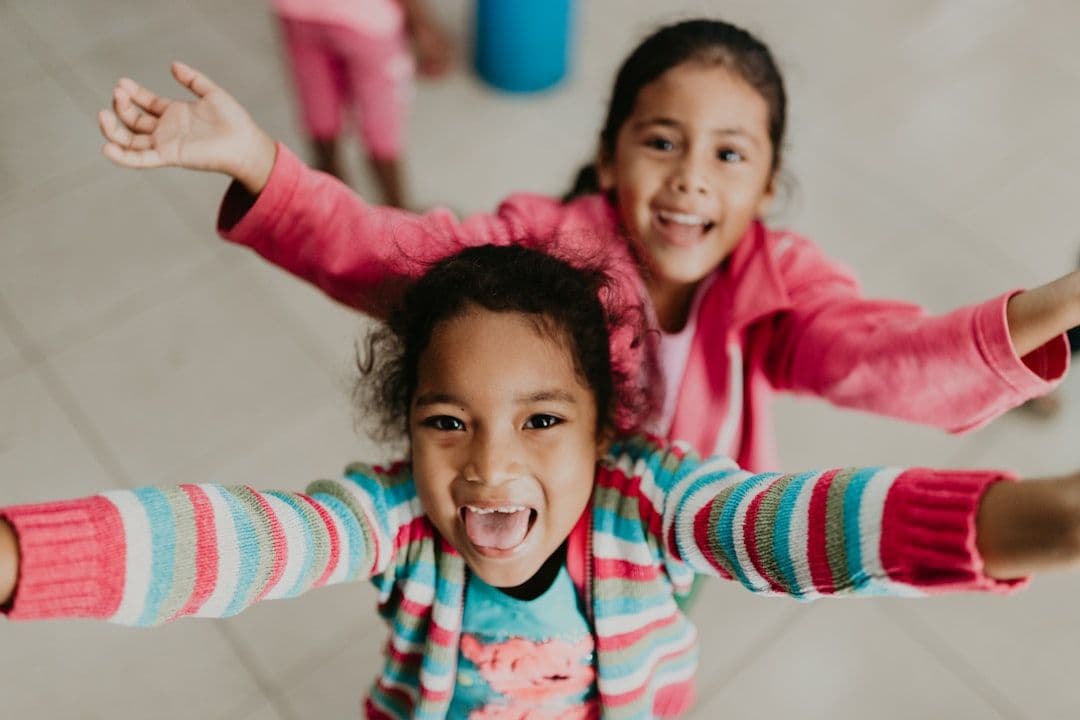
Watch a 15-month-old point at a biscuit and say "bikkit" with triumphant satisfaction, and you're witnessing one of humanity's most remarkable achievements. That single word represents months of neural pathway formation, countless hours of listening and experimenting with sounds, and the magical moment when a child realises that specific sound patterns have meaning and power.
Child language development encompasses the extraordinary process by which infants transform from crying newborns into chattering five-year-olds capable of complex storytelling. This isn't simply about vocabulary acquisition — it's about mastering the intricate systems of sound, meaning, grammar, and social communication that define human language.
Every child's journey is unique, yet follows broadly predictable patterns. Some children speak early and prolifically; others are more reserved observers who suddenly burst into fluent speech. Understanding these variations helps distinguish typical development from genuine delays requiring intervention.
From Crying to Conversation: The Developmental Journey
Language development begins at birth with crying — a baby's first attempt at intentional communication. By six months, babies babble with the rhythm and intonation of their native language, practising the motor movements needed for speech. Their first recognisable words typically emerge around their first birthday, though this can range from 8 to 18 months in typically developing children.
The second year brings explosive growth. Vocabulary expands from a handful of words to several hundred, and children begin combining words into simple phrases like "more milk" or "daddy gone". By age two, most children can string together 2-3 word sentences and follow simple instructions.
The preschool years see remarkable grammatical sophistication emerge. Three-year-olds master plurals, past tense, and complex sentence structures. By five, most children can tell coherent stories, understand abstract concepts, and use language flexibly across different social contexts. This progression reflects the maturation of brain regions dedicated to language processing, particularly Broca's and Wernicke's areas.
The Science Behind the Magic
Modern neuroscience reveals language development as an intricate dance between nature and nurture. Children are born with specialised neural circuits primed for language learning, but these require environmental input to develop properly. The quality of this input matters enormously.
Research consistently shows that responsive, back-and-forth interactions promote optimal language development far more effectively than passive exposure to speech. When adults follow a child's lead in conversation, respond to their communicative attempts, and expand on their utterances, they're providing the scaffolding needed for linguistic growth.
Critical periods exist for different aspects of language. Phonological development — learning the sound system — occurs primarily in the first two years. Grammar acquisition peaks between ages 2-4. While the brain remains plastic throughout childhood, early intervention during these sensitive periods yields the best outcomes for children with language difficulties.
When Development Takes a Different Path
Approximately 10-15% of children experience some form of language delay or difficulty. These can range from mild articulation problems to significant comprehension and expression challenges. Some delays resolve spontaneously as children mature, while others require professional intervention.
Children who might benefit from language support include those who aren't babbling by 12 months, haven't said their first words by 18 months, or aren't combining words by age 2. Equally concerning are children who lose previously acquired language skills or show limited understanding of spoken language.
Late talkers — children with delayed expressive language but good comprehension — represent a particularly interesting group. While many catch up spontaneously by age 3, others go on to experience persistent language and learning difficulties. Research suggests that children with both delayed expression and comprehension are more likely to need ongoing support.
What Language Support Looks Like
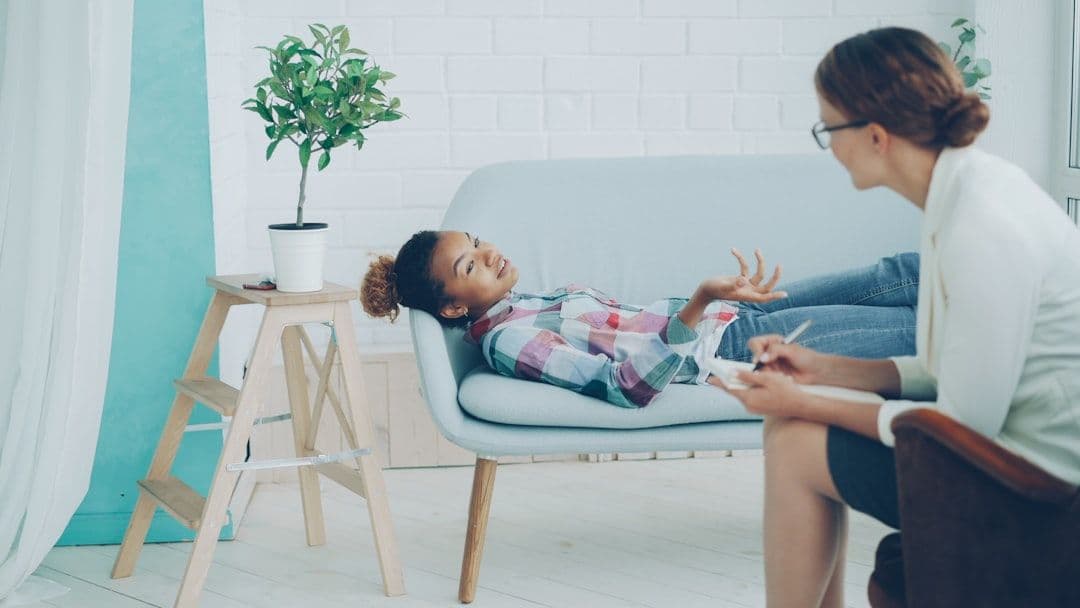
Professional language support typically begins with comprehensive assessment by a speech and language therapist. They evaluate all aspects of communication — understanding, expression, sound production, and social use of language — to identify specific areas of difficulty.
Intervention varies dramatically depending on the child's needs and age. For toddlers, support often focuses on parent training, teaching families how to create rich language learning environments at home. Therapists might demonstrate techniques like following the child's lead, using repetition and expansion, and creating opportunities for communication.
For older children, direct therapy sessions might target specific skills like vocabulary building, grammar practice, or narrative development. Many interventions incorporate play-based activities that feel natural and engaging to children. Group sessions can address social communication skills and provide opportunities for peer interaction.
The Evidence for Early Action
Decades of research overwhelmingly support the effectiveness of early language intervention. The Hart and Risley longitudinal study demonstrated that children's early language experiences predict later academic achievement more accurately than socioeconomic status alone. Subsequent randomised controlled trials have shown that targeted interventions can significantly improve language outcomes.
The Hanen Programme's "It Takes Two to Talk" has been evaluated in multiple trials, consistently showing positive effects on both child language development and parent confidence. Similarly, the Webster-Stratton Incredible Years programme demonstrates how addressing language skills alongside behaviour can improve outcomes for children with complex needs.
NICE guidelines emphasise the importance of identifying and supporting language difficulties early, recognising the cascading effects on literacy, social development, and emotional wellbeing. The evidence is clear: children who receive appropriate support for language difficulties show better long-term outcomes across multiple domains.
Finding the Right Support
Speech and language therapy is available through the NHS, typically accessed via GP referral or health visitor recommendation. Private practice options exist for families seeking more immediate access or intensive intervention. Expect to pay £60-120 per session privately, with initial assessments costing £150-250.
Look for therapists registered with the Health and Care Professions Council (HCPC) and the Royal College of Speech and Language Therapists (RCSLT). Many specialise in particular age groups or conditions, so enquire about their experience with children similar to yours.
Sessions typically occur weekly or fortnightly, with breaks for consolidation. Many therapists emphasise home practice and parent involvement, recognising that children learn language best in natural, everyday interactions. The most effective programmes combine professional expertise with family commitment to creating language-rich environments at home.