What It Is
ADHD is a neurodevelopmental condition involving persistent inattention, hyperactivity, or impulsivity.
Understanding your ADHD brain and what may help it thrive
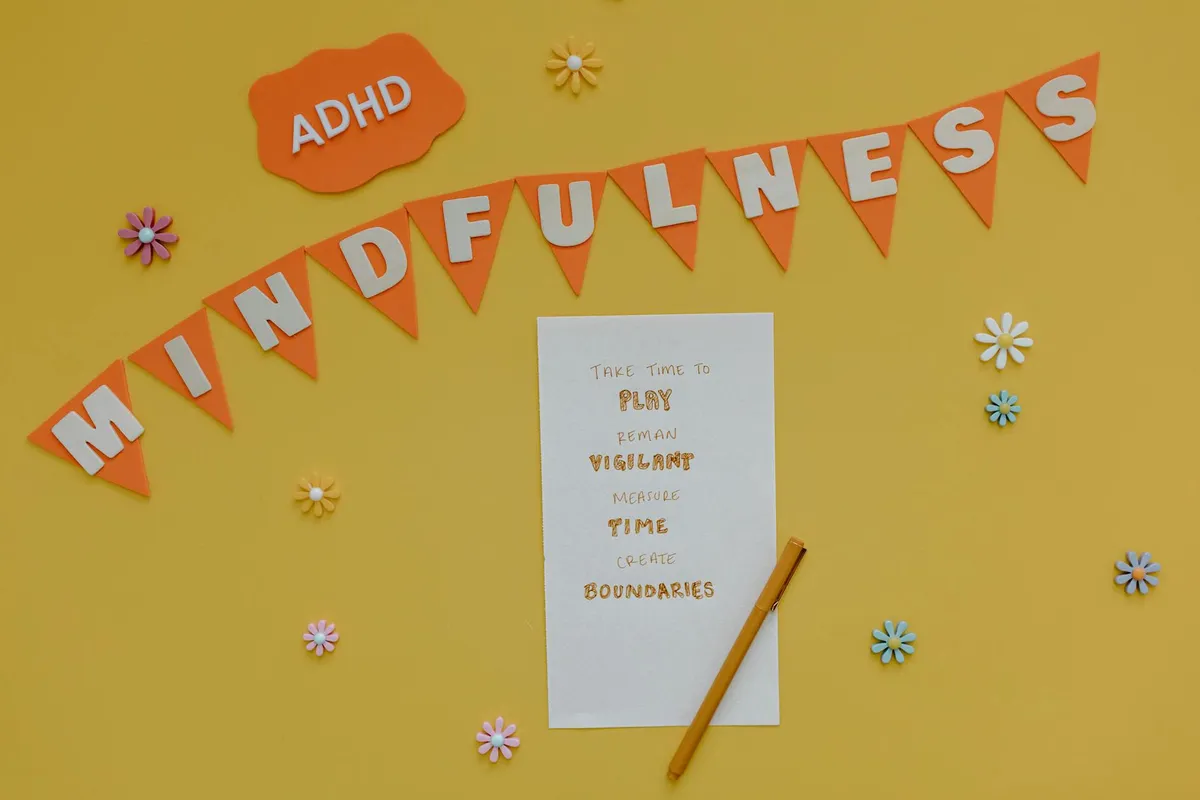
At a glance
What It Is
ADHD is a neurodevelopmental condition involving persistent inattention, hyperactivity, or impulsivity.
How It Presents
Common experiences include time blindness, task avoidance, hyperfocus, emotional intensity, and forgetfulness.
What May Help
Omega-3s, mindfulness, exercise, structured routines, and behavioral strategies are commonly explored.
Evidence Context
Evidence for ADHD is strong; holistic approaches complement but do not replace professional evaluation and care.
See the evidence snapshotWhen to Seek Help
Seek assessment if ADHD is significantly impairing work, school, or relationships, or if mood is severely affected.
Explanation
ADHD (attention deficit hyperactivity disorder) is a neurodevelopmental condition characterised by persistent inattention, hyperactivity, and impulsivity that is inconsistent with developmental level and interferes with functioning. It presents in childhood but persists into adulthood in the majority of cases. Three presentations exist: predominantly inattentive, predominantly hyperactive-impulsive, and combined. ADHD affects executive function, emotional regulation, working memory, time perception, and motivation. It is frequently accompanied by anxiety, mood disorders, and learning difficulties.
Could this be you
ADHD shows up differently for everyone. Browse by how it tends to be felt — these are common experiences, not a checklist or a diagnosis.
Common experiences people describe — not a diagnostic checklist.
Why it happens
ADHD usually comes from a mix of factors rather than a single cause. These are common contributors — not certainties.
ADHD is strongly heritable, with genetics playing a major role in how the brain regulates attention and impulse control.
Early adversity and chronic stress may shape how ADHD symptoms develop and intensify over time.
Prenatal exposures, prematurity, and lead exposure are associated with higher likelihood of ADHD.
Disrupted sleep is common in ADHD and may worsen inattention, impulsivity, and emotional regulation.
What happens in the body
ADHD can involve several of the body’s systems. These are common patterns researchers describe — how they show up varies from person to person.
Reduced activation in prefrontal circuits may impair working memory, impulse inhibition, and the ability to plan and sequence goal-directed tasks.
Differences in dopamine and norepinephrine transmission may reduce the brain's ability to sustain motivation, filter distractions, and register reward from routine activities.
Dysregulated arousal thresholds may contribute to difficulty winding down, delayed sleep onset, and fragmented rest that can worsen attention and emotional regulation the following day.
Altered connectivity between the amygdala and prefrontal regions may heighten emotional reactivity and sensitivity to perceived rejection, criticism, or failure.
Process
Management
A doctor may discuss stimulant medications such as methylphenidate or amphetamine-based options as a first-line conventional approach for moderate to severe ADHD presentations.
For those who do not respond well to stimulants, a prescribing doctor may consider non-stimulant options such as atomoxetine or guanfacine as alternatives.
Cognitive behavioral therapy and behavioral coaching are commonly recommended alongside or instead of medication, and some people find they support organization, planning, and emotional regulation.
Some research suggests omega-3 fatty acids may support attention and behavior in ADHD; some practitioners suggest EPA-rich fish oil as a complementary addition to other care.
Mindfulness training may support self-awareness and impulse regulation in some people with ADHD, and is increasingly explored as a complement to conventional treatment.
Self-Care
Regular aerobic exercise such as walking, swimming, or cycling may support focus and impulse control. Some people find even short bursts of movement before demanding tasks helpful.
Predictable routines for waking, meals, and wind-down may reduce the mental load of transitions. Using visual schedules or alarms can support time awareness, which many people with ADHD find challenging.
Consistent sleep and wake times may support attention and emotional regulation. Some people with ADHD find that irregular sleep noticeably worsens focus and impulsivity the following day.
Omega-3 supplementation from fish oil is among the more studied nutritional approaches for ADHD. Some practitioners suggest it as a complement to other care, though it is not a replacement for medical treatment.
Brief daily mindfulness exercises may support self-awareness and reduce impulsive reactions. Some people with ADHD find body-scan or breath-focus practices easier to sustain than longer meditation formats.
The Evidence
What research says about ADHD, how it works in the body and brain, and where complementary approaches may fit alongside conventional care.
ADHD is well-researched, with clear first-line options and growing adjunct evidence
Stimulant medications have the strongest evidence for managing ADHD symptoms. Lifestyle factors including exercise, sleep, and omega-3 intake show growing support as adjuncts, not replacements, for conventional care.
Methylphenidate and amphetamine-based medications have the most robust evidence for reducing core ADHD symptoms across age groups. CBT adapted for ADHD, executive function coaching, and structured behavioural strategies have solid supporting evidence. Exercise, sleep optimisation, and omega-3 supplementation show promising adjunct effects, though evidence is still developing.
ADHD involves reduced activation in prefrontal circuits and differences in dopamine and norepinephrine signalling. These affect working memory, task initiation, emotional regulation, and time perception. It is a neurodevelopmental condition that persists into adulthood in most cases and is frequently accompanied by anxiety, mood difficulties, or sleep disruption.
Mindfulness-based practices may support attention regulation and emotional reactivity over time. Regular aerobic exercise has shown short-term benefits for focus and executive function. Omega-3 fatty acids have modest evidence for symptom support, particularly in children. These approaches are best considered alongside — not instead of — professional assessment and any recommended care plan.
Seek qualified support promptly if you or someone you know experiences suicidal thoughts, self-harm, severe depression, psychosis, or dangerous impulsive behaviour. ADHD that makes it impossible to function at work, school, or in relationships also warrants professional assessment. These situations go beyond what lifestyle or complementary approaches can safely address.
Poor sleep, high sugar intake, and excessive screen exposure can amplify inattention and emotional dysregulation. Stopping prescribed ADHD medication abruptly without guidance from a qualified prescriber carries real risk. If you are exploring complementary approaches, inform your healthcare provider to avoid interactions or gaps in your overall care.
Complementary and lifestyle approaches may support wellbeing and help manage some ADHD-related challenges, but they are not substitutes for professional assessment or established care. Evidence for many adjunct interventions remains preliminary or limited to specific populations. Gyfts does not assess, advise on medication, or replace qualified clinical input.
Safety first
ADHD is manageable, and support helps. Some situations call for prompt professional help.
Explore approaches
Practices people explore for adhd — alongside professional care.
Top Practitioners
Practitioners are ranked using relevance, experience signals, reviews, and support-area fit.
FAQ
ADHD persists into adulthood for many people. Adults may show fewer hyperactive symptoms but often experience ongoing inattention, impulsivity, and emotional dysregulation that affect daily life.
Omega-3 supplementation, regular aerobic exercise, and mindfulness practices are among the most studied. Some people find structured routines and reduced screen time also helpful alongside professional care.
Some research suggests mindfulness may support attention regulation and emotional reactivity in adults with ADHD. Many people find it a useful complement to other strategies, though individual results vary.
Seek a formal evaluation if attention or impulsivity is consistently impairing your work, relationships, or daily functioning. A psychiatrist or psychologist can assess whether medication or therapy may help.
Some practitioners suggest reducing sugar and artificial additives while increasing protein may support focus for certain individuals. Evidence is mixed, but a balanced diet generally supports overall brain health.
Keep exploring
Browse practitioners, explore honest overviews, and take what you learn to a conversation — at your own pace.