What Is Craniosacral Therapy?
Craniosacral therapy (CST) is a gentle, hands-on approach developed by osteopath Dr John Upledger in the 1970s, building on the earlier work of William Sutherland. It is based on the premise that the body has a subtle, rhythmic movement — the 'craniosacral rhythm' — that can be felt through the cranium, spine, and sacrum, and that gentle manipulation of this system can release restrictions and support the body's self-healing capacity.
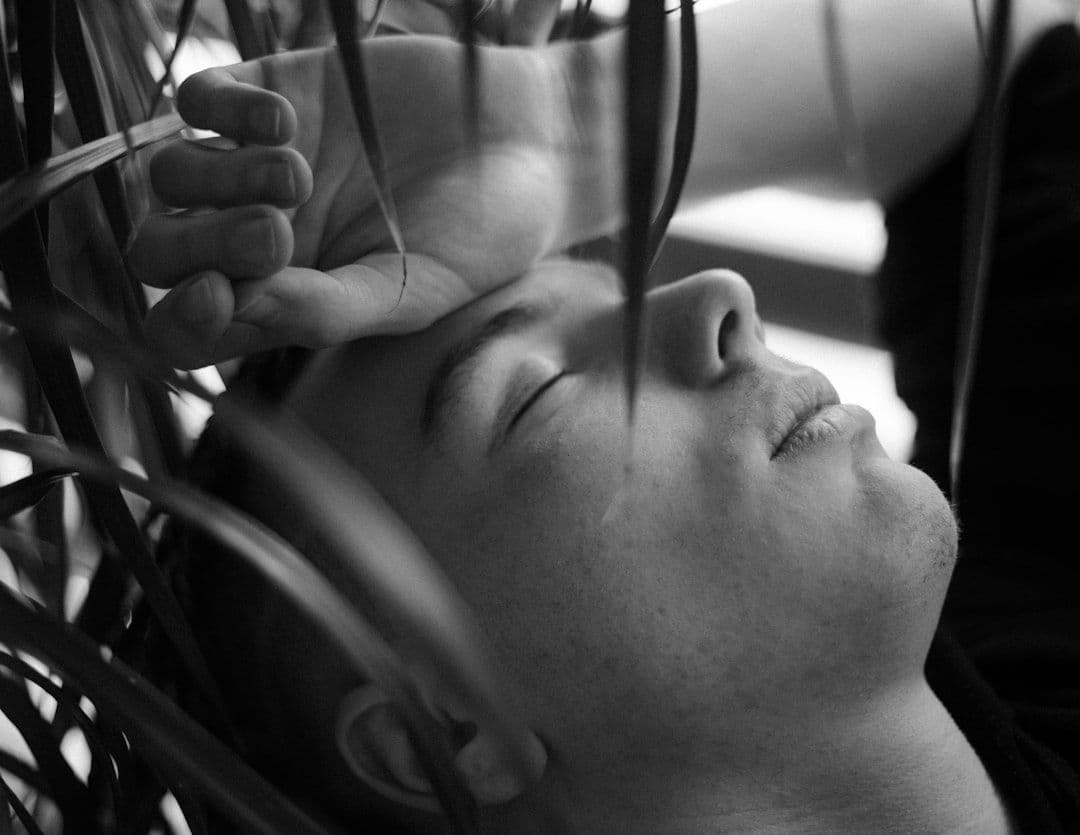
Sessions involve very light touch — typically described as the weight of a five pence piece or less — applied to the head, spine, and sacrum. Sessions are non-invasive, fully clothed, and generally experienced as deeply relaxing.
The Evidence Base
The evidence base for CST is limited and characterised by methodological challenges. A 2012 systematic review by Jakel and von Hauenschild identified 10 RCTs and found mixed results — some positive, some showing no difference from sham — and rated overall evidence quality as low due to small sample sizes, high risk of bias, and lack of replication.
More recent RCTs have shown some positive signals. A 2016 RCT by Haller and colleagues found CST significantly superior to sham treatment for chronic neck pain, with effects maintained at three months. A 2016 Spanish RCT by Castro-Sánchez and colleagues found similar results. However, both studies are relatively small and have not yet been independently replicated at scale.
The Theoretical Question
One significant challenge for CST's evidence base is the theoretical model it rests on. The craniosacral rhythm — described as a subtle pulsation distinct from cardiac and respiratory rhythms — has not been independently validated in physiological research. Inter-rater reliability studies (testing whether two practitioners can identify the same rhythm) have produced mixed results. This does not necessarily mean the therapeutic effects are not real, but it does create a scientific credibility challenge that supporters of CST need to acknowledge.
What the Evidence Currently Supports
The honest position is that the evidence is insufficient to recommend CST as a primary, evidence-based treatment for chronic pain, but also insufficient to dismiss it entirely. For people who have not found relief through other approaches, who value a gentle and non-invasive modality, and who understand the current state of evidence, CST may be a reasonable option to explore — particularly given its very low risk profile.