What it is
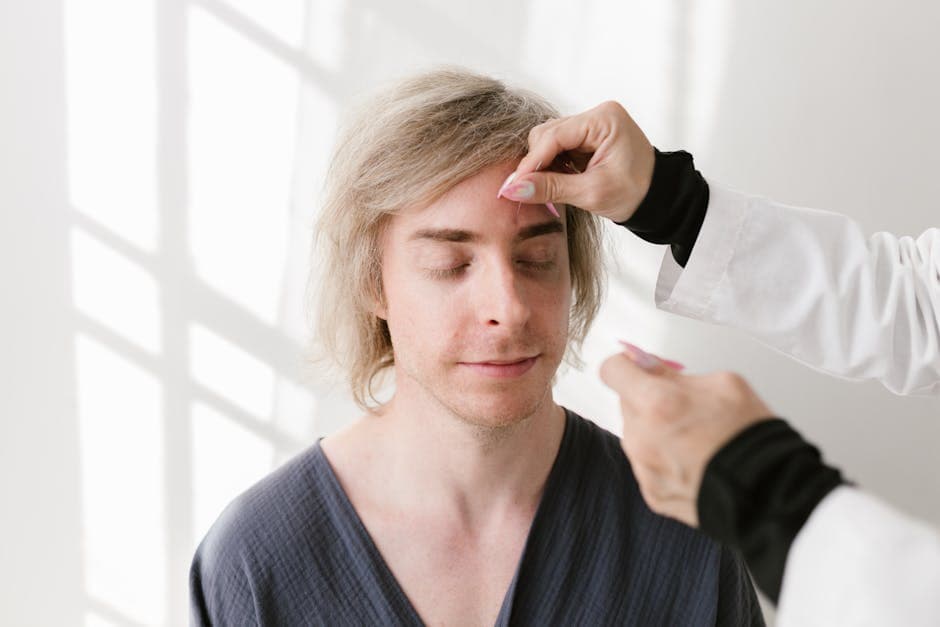
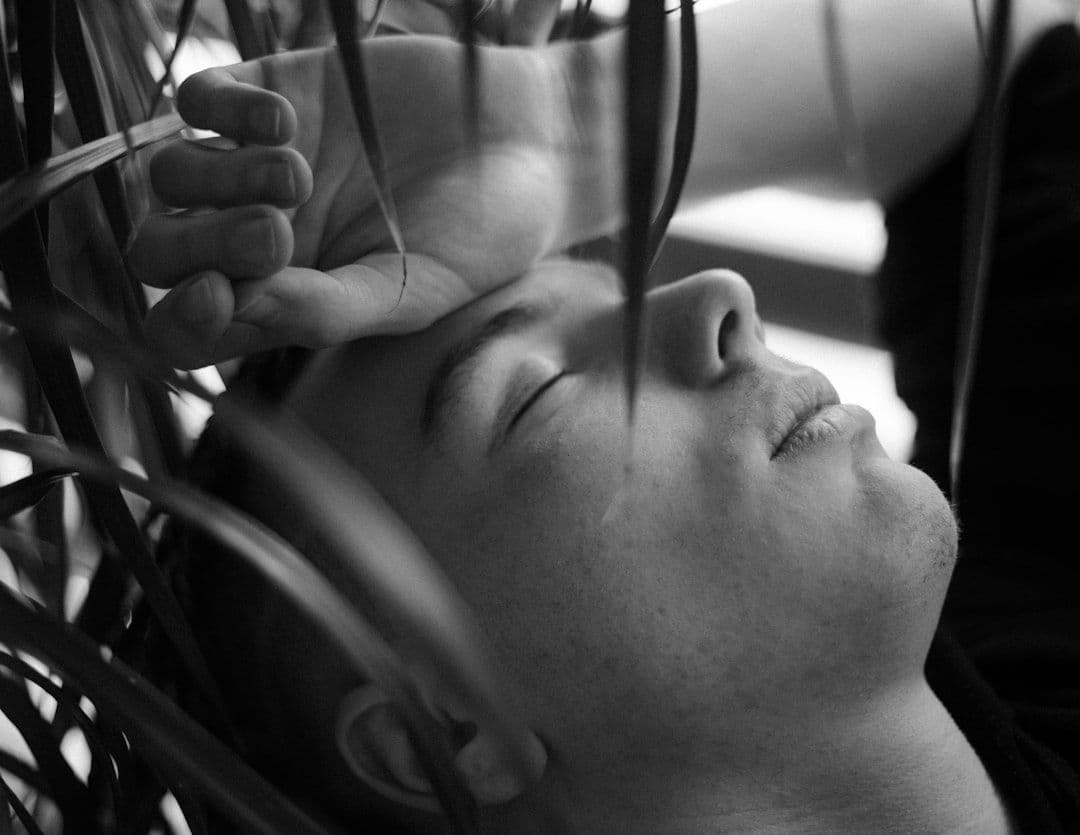
Gentle touch on the skull, spine, and sacrum to support the craniosacral system.
Craniosacral Therapy is a gentle, hands-on therapy that uses light touch to assess and enhance the craniosacral system, which includes th...
At a glance
What it is
Gentle touch on the skull, spine, and sacrum to support the craniosacral system.
Why explore it
People explore CST for stress relief, headaches, and tension as a soft complement to regular care.
How it’s experienced
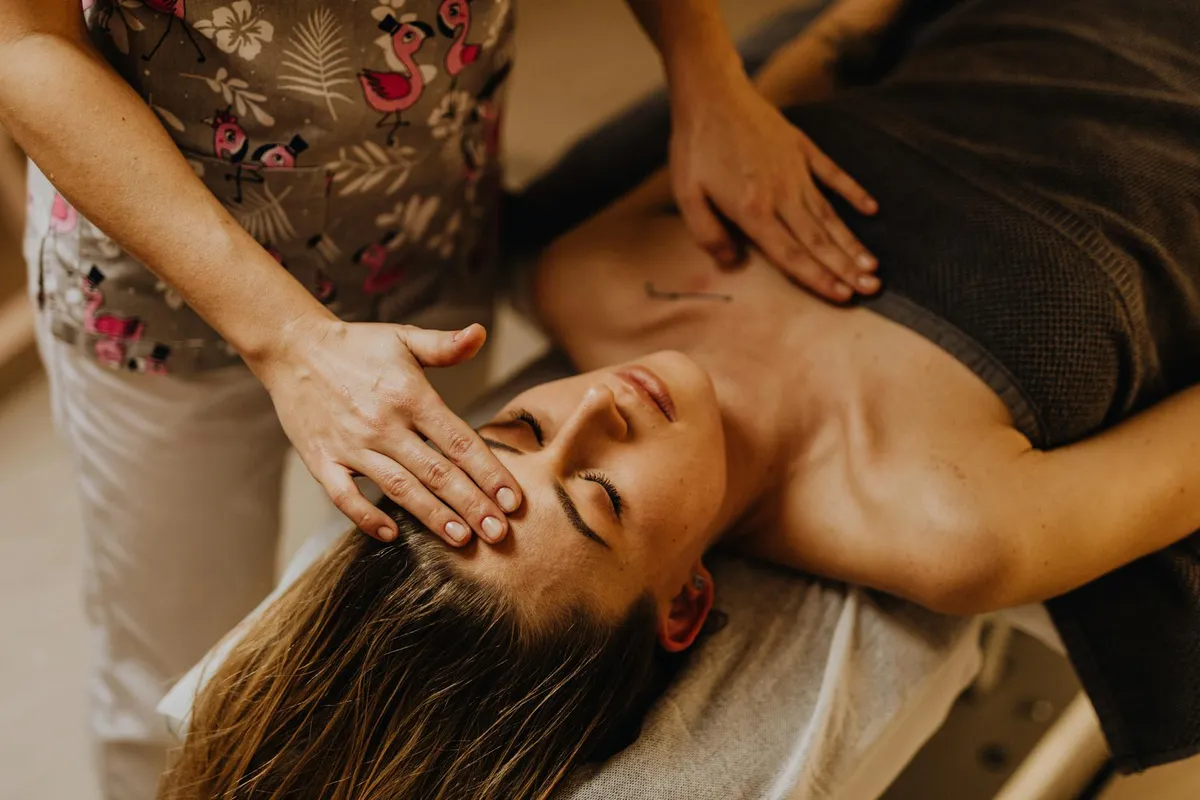
You lie clothed for 45–60 minutes while subtle pressure is applied, often bringing deep relaxation.
Evidence context
Early research hints at benefits for stress and headaches, but stronger studies are still needed.
See the evidence snapshotSafety
CST is very gentle and low-risk, though certain cranial conditions require a physician's clearance first.
See staying safeHistory & Origin
Craniosacral Therapy uses subtle touch to release tension and improve the flow of cerebrospinal fluid around the brain and spinal cord.
Craniosacral Therapy was developed in the 1970s by osteopathic physician Dr. John Upledger, who built upon earlier work by Dr. William Sutherland in the early 1900s. Sutherland, also an osteopath, proposed that the bones of the skull moved in a rhythmic pattern and that this movement was related to the production and flow of cerebrospinal fluid. His approach, called cranial osteopathy, formed the foundation for what would later become craniosacral therapy.
Dr. Upledger refined and expanded these concepts while working as a clinical researcher and professor at Michigan State University. He conducted studies on the craniosacral system and developed specific techniques for evaluating and treating restrictions in this system. Upledger's approach emphasized the body's natural healing abilities and the importance of releasing physical and emotional tension stored in the tissues.
The therapy gained popularity in the 1980s and 1990s as Upledger established the Upledger Institute and began training practitioners worldwide. The modality spread beyond osteopathic medicine to include massage therapists, physical therapists, and other healthcare professionals. Today, craniosacral therapy is practiced internationally, with training programs available in many countries, though its acceptance within mainstream medicine remains limited due to ongoing debates about its theoretical foundations and clinical effectiveness.
Top symptoms
Approaches
Craniosacral Therapy isn’t a single method. Practitioners may train in one tradition or blend several — here are the styles you’re most likely to meet.
Uses gentle hands-on assessment of cranial, spinal, and sacral movement patterns.
Takes a quieter, whole-system approach, with attention to stillness, regulation, and the body's self-organizing capacity.
Adapts very gentle techniques for infants and children, often with extra attention to comfort and consent.
Combines gentle bodywork with awareness of emotions or memories that may arise during a session.
Mechanism
Craniosacral Therapy is generally described as working through skilled touch, careful pacing, and the body's response to pressure, movement, warmth, or stillness. Practitioners may focus on muscle tone, joint comfort, circulation, breath, or relaxation depending on the method. Traditional explanations may also include energy flow or whole-person balance. Research support varies by modality, so the experience is best framed as supportive care with outcomes that vary. Craniosacral therapists use extremely light touch — typically around 5 grams of pressure — to palpate and gently manipulate the bones of the skull, sacrum, and spinal column.
Your first visit
A typical session outline to help you feel prepared
A Craniosacral Therapy session is a gentle, fully clothed experience where a light-touch practitioner listens to your body's subtle rhythms to support deep relaxation and balance.
Your practitioner begins by reviewing your health history, current concerns, and what you hope to get from the session. This conversation helps them tailor the session to your needs and gives you a ch
You'll lie fully clothed on a padded treatment table, usually face-up, in a quiet and softly lit room. No oils, tools, or undressing are involved — just comfort, so wear something loose and easy to relax in.
The practitioner places their hands gently beneath your head or at your feet to begin tuning in. This opening hold uses only about five grams of pressure — the weight of a nickel — and helps both you
Using that feather-light touch, your practitioner begins sensing the craniosacral rhythm, a subtle pulse produced by the flow of cerebrospinal fluid around your brain and spinal cord. You may feel not
Hands move slowly and intentionally to different areas — your head, neck, upper back, sacrum, and pelvis — pausing at each location to listen and encourage the tissues to release tension. Each hold ma
At certain moments your practitioner may gently guide your system into a stillpoint, a brief pause in the craniosacral rhythm that often brings a wave of deep relaxation. You might feel warmth, a sens
Toward the end of the session, your practitioner returns to a gentle hold at your head or feet to help you feel grounded and integrated. The session typically runs 50 to 60 minutes, and you'll be give
Before you leave, your practitioner will check in about what you noticed and may suggest drinking extra water and taking it easy for the rest of the day. Some people feel calm and clear immediately, w
The Evidence
What research and clinical discussion currently say about Craniosacral Therapy, and where the evidence stands today.
Gentle practice with a contested scientific basis
Craniosacral Therapy has a small and mixed research base. Some studies report benefits for headaches and relaxation, but systematic reviews find insufficient evidence for most uses, and its core physiological premise remains disputed.
Systematic reviews have generally found insufficient evidence to support craniosacral therapy for most conditions. Some small studies report positive outcomes for headaches and neck pain, but sample sizes are modest and study quality is variable. More rigorous, large-scale trials are needed before firm conclusions can be drawn.
The idea that cranial bones move rhythmically and that this motion can be palpated and influenced through light touch is not widely accepted in mainstream anatomy or physiology. This does not mean the therapy has no value, but it does mean its proposed mechanism lacks strong scientific support. Reported benefits may relate to relaxation responses or non-specific effects of gentle touch.
Practitioners work with the body as an integrated system, with the intention of promoting relaxation and a sense of ease, through very light manual contact. Many people report a sense of deep relaxation and reduced stress following sessions. These subjective outcomes are consistent with holistic frameworks, even where the specific mechanisms remain unclear.
Dr. William Sutherland first proposed cranial bone movement in the early 1900s. Dr. John Upledger later expanded this into craniosacral therapy at Michigan State University, emphasising the body's capacity for self-regulation — a concept central to osteopathic philosophy. While rooted in osteopathic thinking, craniosacral therapy is now practised independently of osteopathy by a range of trained practitioners.
People with recent head injuries, skull fractures, acute aneurysm, increased intracranial pressure, or severe bleeding disorders should consult a doctor before receiving this therapy. Some people experience temporary symptom changes or emotional responses after sessions. Always inform your practitioner of relevant medical history, medications, and recent procedures.
Craniosacral therapy is practised by physiotherapists, osteopaths, and dedicated craniosacral practitioners. Training depth and certification vary internationally. Look for practitioners with recognised formal training. Those in the populations flagged in the safety section — including people with intracranial or vascular conditions — should seek medical assessment before booking a session rather than relying on practitioner screening alone.
Safety first
General guidance to help you decide whether this approach is appropriate for you. This is informational only and not a substitute for medical, psychological, or professional advice.
If you are pregnant, managing a health condition, recovering from injury or surgery, or taking medication, consult a qualified healthcare professional first.
Some situations call for extra care or a different approach. Share any conditions, injuries, or sensitivities with your practitioner before your first session.
Look for clear boundaries, transparent pricing, and practitioners who avoid fear-based claims or pressure to book frequent sessions.
Mild, short-lived effects such as tenderness, tiredness, or temporary soreness can occur. Rest, hydrate, and tell your practitioner how you respond.
For you?
A simple, human way to weigh it up. This is general guidance, not personal medical advice — a qualified practitioner can advise on your situation.
Gyfts is a discovery platform, not a medical provider. Nothing here diagnoses, treats or replaces professional care. In an emergency, contact your local emergency number.
Explore approaches
Other practices people often explore alongside craniosacral therapy.
In their words
FAQ
During a craniosacral therapy session, you lie fully clothed on a treatment table while the practitioner uses very light touch (about 5 grams of pressure) to assess and treat your craniosacral system. They place their hands on various points of your head, neck, back, and pelvis to evaluate the rhythm of cerebrospinal fluid and identify restrictions. The treatment involves gentle holds and subtle movements designed to release tension and restore natural flow. Sessions typically last 45-60 minutes and most people find them deeply relaxing.
The number of sessions varies greatly depending on your condition and individual response. Some people notice improvements after just one session, while others may need 3-6 sessions to experience significant benefits. Chronic conditions or complex issues may require ongoing treatment. Your practitioner will assess your progress and adjust treatment frequency accordingly, often starting with weekly sessions and then spacing them further apart as improvements occur.
Craniosacral therapy is generally considered very safe due to its extremely gentle nature. The light touch used poses minimal risk for most people. However, some individuals may experience temporary increases in symptoms or emotional releases as the body processes treatment. It's important to work with a qualified practitioner and inform them of any medical conditions, recent injuries, or medications you're taking.
Most people describe craniosacral therapy as deeply relaxing and peaceful. You may feel subtle sensations such as warmth, tingling, or gentle pulsing during treatment. Some people feel energy moving through their body or experience emotional releases. Others simply feel very relaxed and may fall asleep. The touch is so light that some people initially wonder if the practitioner is doing anything at all, yet many report feeling significant effects.
Both modalities work with the craniosacral rhythm — the subtle, palpable movement of cerebrospinal fluid and the associated expansion and contraction of the cranial bones. Cranial osteopathy is performed by registered osteopaths who have completed specialist postgraduate cranial training within a regulated healthcare framework. Craniosacral therapy (CST) is an independent modality with its own training schools, not limited to osteopaths or other regulated healthcare professionals. In practice, techniques overlap significantly. When choosing, consider whether you would benefit from the broader diagnostic framework of osteopathy alongside the cranial work.
References
Educational sources that inform this overview. Inclusion is for context and does not imply endorsement.
Full citations are maintained by the Gyfts editorial team and reviewed periodically.
Keep exploring
Browse practitioners, explore honest overviews, and take what you learn to a conversation — at your own pace.