Before You Arrive
Wear comfortable clothing you don't mind getting marked—paint, clay, or movement work can be messy. Bring nothing special; studios provide all materials from paints and instruments to props and fabrics. Remove jewellery if you're doing hands-on art or dance therapy.
Eat normally beforehand, but avoid heavy meals if you're attending drama or dance therapy where movement is involved. Some people find it helpful to jot down recent events or feelings, though your therapist will guide you through exploring what emerges naturally during the session.
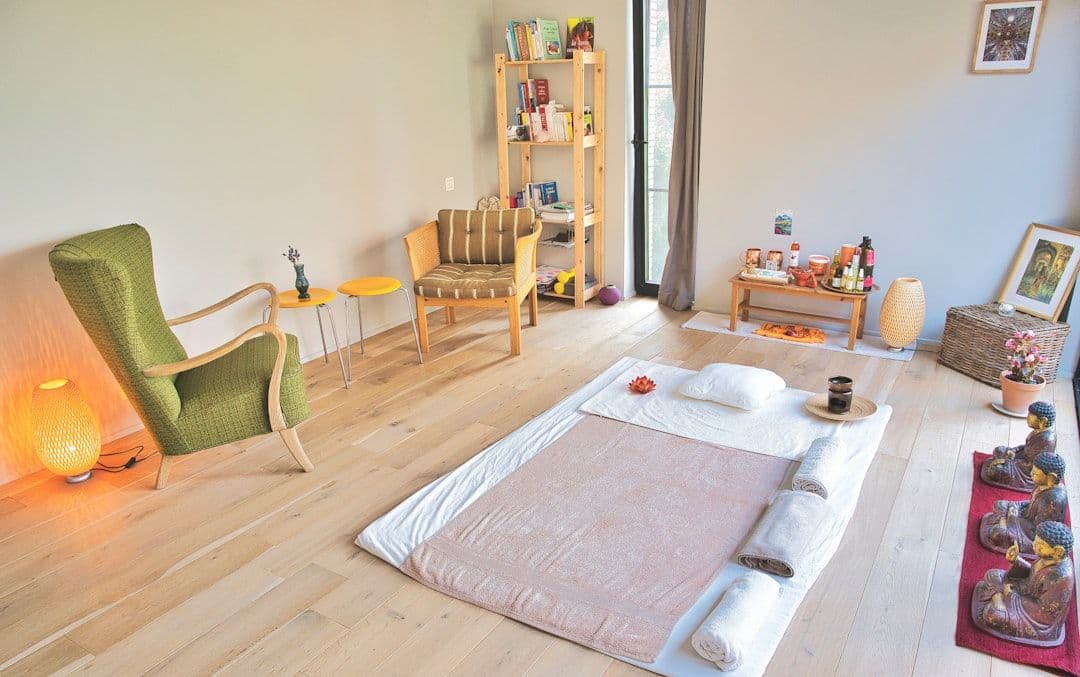
Arrive a few minutes early to settle in. Many studios have examples of previous work displayed (with permission), which can ease anxiety about artistic ability—you'll quickly see that technical skill isn't the point.
The Session Structure
Sessions typically last 60-90 minutes and begin with a brief check-in about how you're feeling. Your therapist explains the day's focus—perhaps exploring a specific emotion through painting, or using movement to express current life challenges. This isn't art class; there's no instruction on technique.
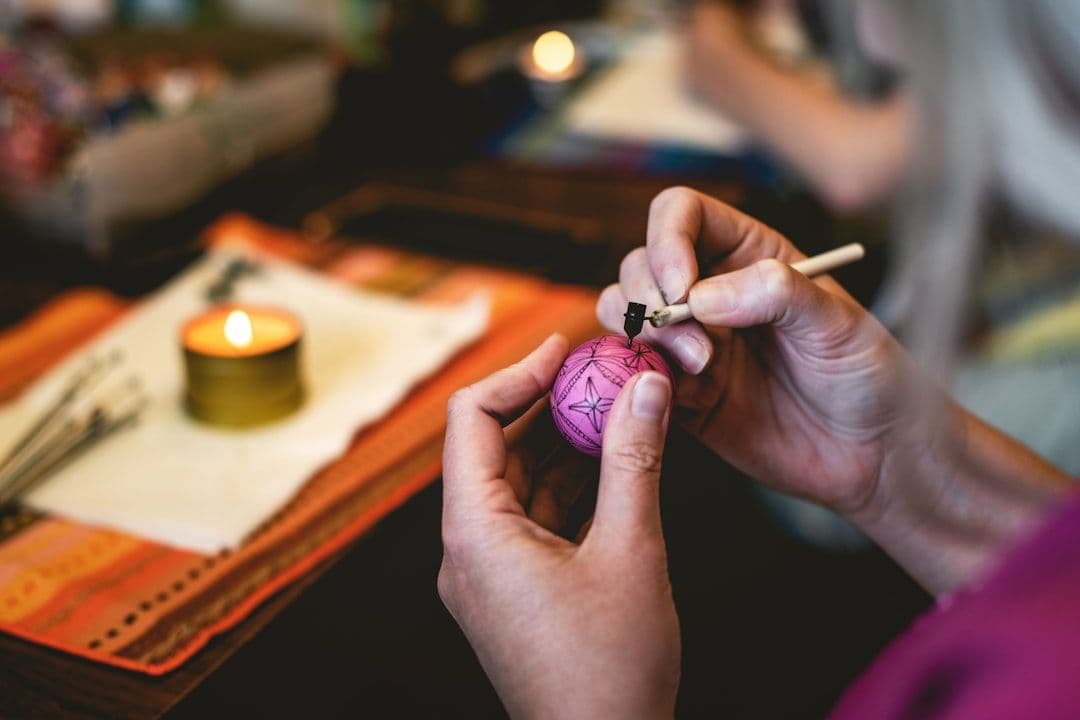
The creative phase forms the session's heart, lasting 30-45 minutes. In art therapy, you might start with a blank canvas and see what emerges, or respond to prompts like "paint your anxiety" or "create something representing home." Music therapy could involve improvising on instruments, singing, or even just listening and discussing responses. Drama therapy might include role-playing scenarios, storytelling, or physical expression through movement.
The final 15-20 minutes involve reflection. You'll discuss what you created, what surprised you, how the process felt. Your therapist helps identify themes and connections to your life experiences. This dialogue often proves as valuable as the creative work itself.
What You Might Experience
During creation, many people report a shift in mental state—sometimes feeling absorbed and focused, other times anxious or emotional as unexpected feelings surface. It's common for memories to emerge through colour choices, movement patterns, or song lyrics. Some find themselves creating something completely different from what they intended.
Physically, you might feel tension releasing through movement or notice your breathing changing as you work. Don't worry if you feel silly initially—most people do, and this usually fades within the first session or two.
Afterwards, reactions vary widely. Some feel energised and insightful, others emotionally drained or stirred up. You might continue thinking about what you created for days, or find yourself noticing new connections in daily life. Sleep patterns can temporarily shift as your mind processes the session's material.
Caring for Yourself Afterwards
Plan gentle activities for the rest of the day, especially after intense sessions. Avoid making major decisions or having difficult conversations for several hours. Some people benefit from journaling about the experience, whilst others prefer letting insights settle naturally.
Drink plenty of water and eat nourishing food. If strong emotions arose, they may continue surfacing over the next few days—this is normal and often therapeutic. Light exercise like walking can help process both emotions and physical sensations from the session.
Contact your therapist if you feel overwhelmed or if disturbing material emerged that you're struggling to manage. Most practitioners provide brief phone support between sessions when needed.
The Therapeutic Timeline
Most people begin with weekly sessions for 8-12 weeks, though this varies considerably. Some notice shifts after just 2-3 sessions, whilst others require longer to feel comfortable with the creative process. Unlike verbal therapy, progress often appears in unexpected ways—through dream changes, spontaneous creative impulses, or shifts in how you handle daily stress.
After the initial course, some continue monthly sessions for ongoing support, whilst others take breaks and return when facing new challenges. The tangible creations from sessions can serve as powerful reminders of insights gained and progress made, long after therapy ends.