What it is
Art, music, dance, and drama become therapeutic tools guided by a credentialed therapist.
Creative Therapies use artistic expression like art, music, dance, and drama to support emotional healing and personal growth
At a glance
What it is
Art, music, dance, and drama become therapeutic tools guided by a credentialed therapist.
Why explore it
Offers a non-verbal path to process anxiety, depression, and trauma when talking feels hard.
How it’s experienced
A therapist guides creative activities tailored to your goals, no artistic skill required.
Evidence context
Research shows promising results for trauma and mood, though evidence strength varies by modality.
See the evidence snapshotSafety
Generally low-risk, though strong emotions can arise, making a credentialed therapist essential.
See staying safeHistory & Origin
Creative Therapies use artistic expression for emotional healing and personal growth.
Creative therapies have ancient roots across cultures, where art, music, and dance were integral to healing rituals and community well-being. Indigenous cultures worldwide have long recognized the therapeutic power of creative expression, using drumming, storytelling, and visual arts in healing ceremonies. The modern development of creative therapies began in the early 20th century when healthcare professionals started systematically incorporating artistic activities into treatment programs.
Art therapy emerged in the 1940s through pioneers like Margaret Naumburg and Edith Kramer, who observed how patients expressed unconscious thoughts and emotions through visual art. Music therapy developed simultaneously, with formal training programs established in the 1940s after musicians worked with wounded soldiers in hospitals. Dance/movement therapy was formalized in the 1960s by Marian Chace, who used movement to help psychiatric patients communicate and connect.
The field expanded significantly in the 1970s and 1980s as research demonstrated the neurological and psychological benefits of creative expression. Professional associations were established, setting standards for training and practice. Today, creative therapies are recognized as legitimate mental health interventions, with practitioners working in hospitals, schools, rehabilitation centers, and private practice. The integration of neuroscience research has further validated how creative activities affect brain function, stress hormones, and emotional regulation.
Mechanism
Creative Therapies is generally framed as a guided process for attention, reflection, learning, and emotional integration. Depending on the method, a practitioner may use conversation, imagery, structured exercises, body awareness, or therapeutic techniques to help the person explore patterns and choices. It should not be presented as a standalone solution or a substitute for urgent care, but it may support self-understanding when practiced within an appropriate scope. Creative therapies work by engaging the non-verbal, symbolic processing capacities of the brain through artistic media—visual art, music, movement, or drama—allowing individuals to express and externalize emotions and experiences that may be difficult to articulate linguistically.
Your first visit
A typical session outline to help you feel prepared
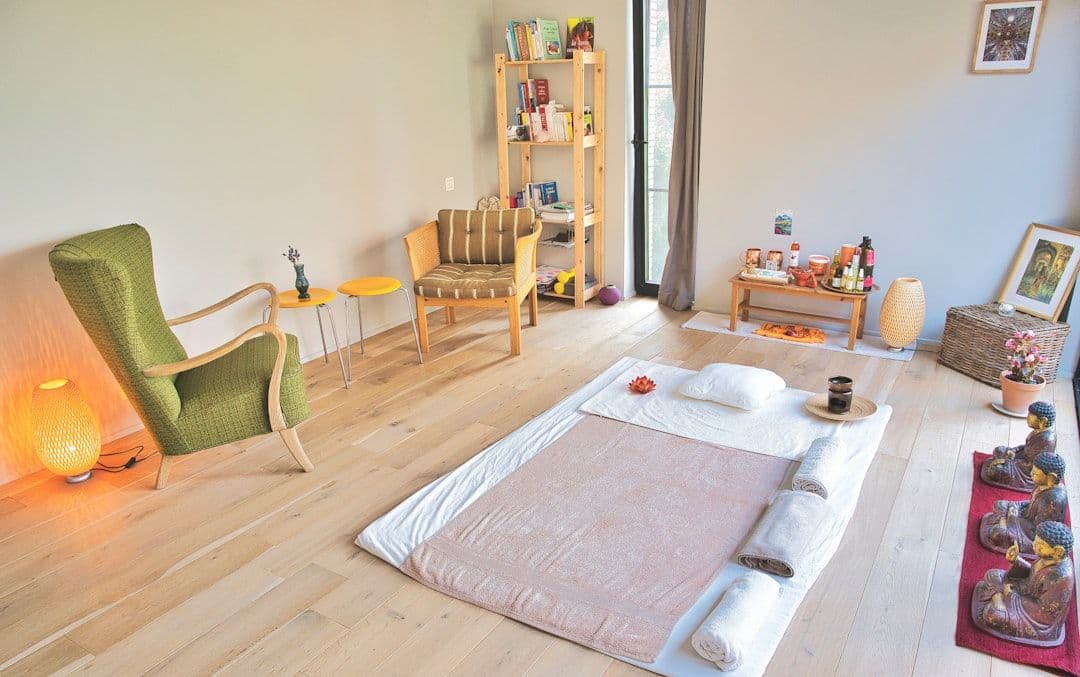
A creative therapies session blends guided artistic activity with emotional exploration, offering a gentle, expressive path to self-discovery and wellbeing.
Your therapist greets you warmly and takes a few minutes to hear how you are feeling today, creating a relaxed, judgment-free atmosphere before anything creative begins.
Together you briefly discuss what you hope to explore or express in this session, whether that is a specific feeling, a situation, or simply curiosity about what comes up.
Your therapist introduces the creative modality for the session — art, music, movement, or drama — and explains what you will be doing, checking that you feel comfortable before proceeding.
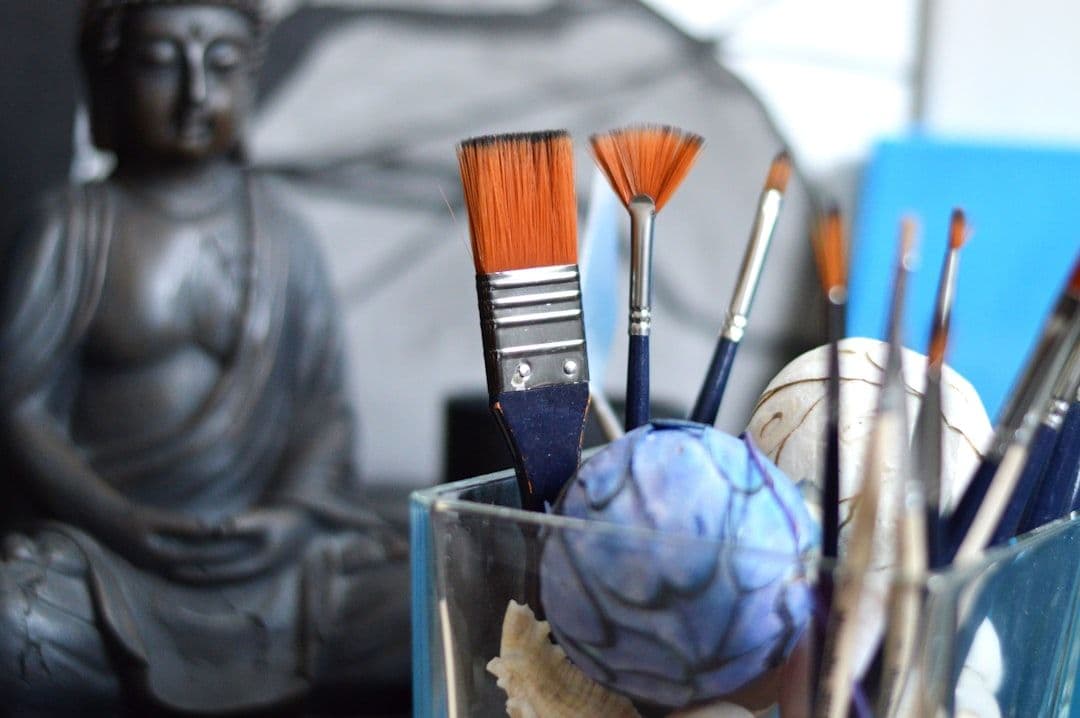
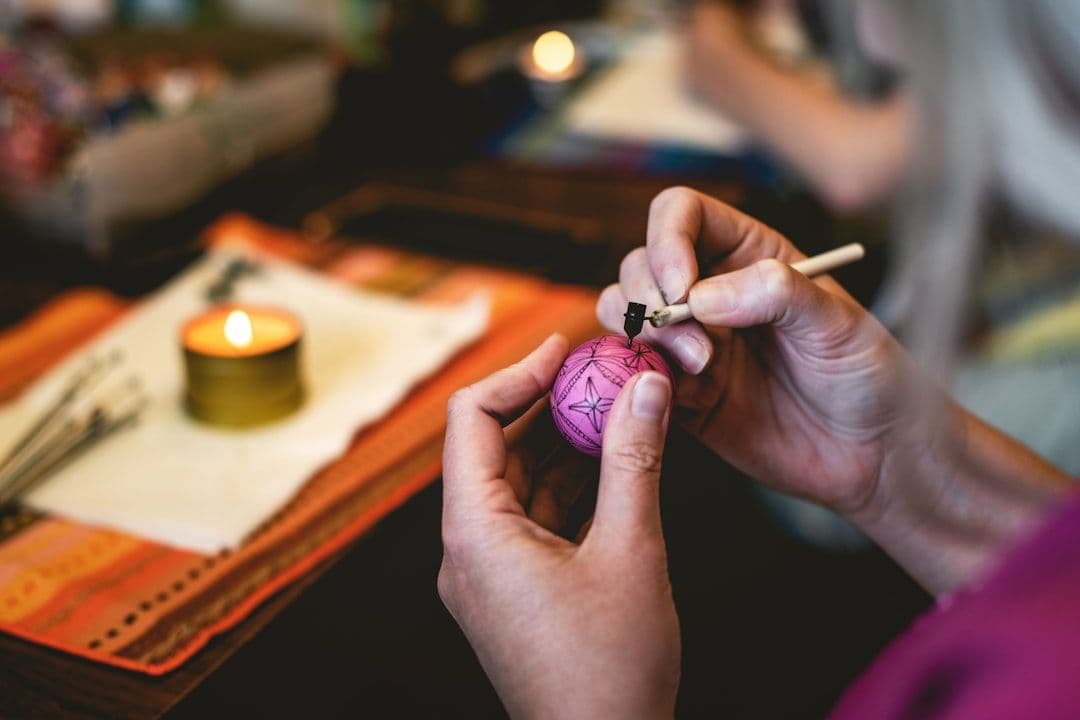
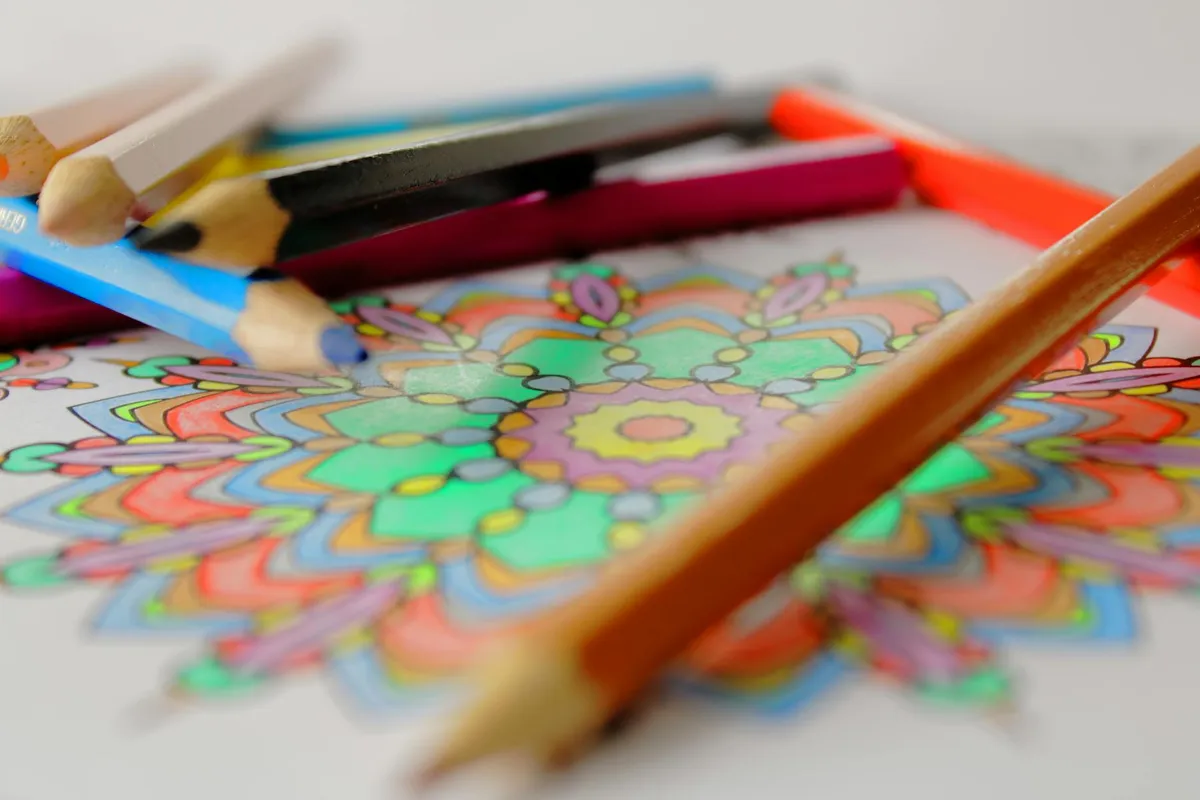
You engage in the guided activity at your own pace, such as painting, rhythm-making, free movement, or role play. There is no right or wrong way, and no artistic skill is needed whatsoever.
As you create, your therapist gently invites you to notice any emotions, images, or sensations that surface, without pressure to analyze or explain anything right away.
After the activity, you and your therapist talk about what came up for you — what felt significant, surprising, or familiar — helping you connect the creative experience to your inner world.
The session winds down with a brief grounding moment, such as slow breathing or a simple check-in, so you feel settled and present before you leave the space.
Your therapist may suggest a gentle creative practice to try at home and will note themes to revisit, helping sessions build on each other over time for deeper self-awareness.
The Evidence
What research says about creative therapies, where the evidence is strongest, and what to keep in mind when exploring this approach.
Growing research base with meaningful real-world support
Creative therapies have a meaningful and expanding body of research, with the strongest evidence in art therapy and music therapy for depression, anxiety, and trauma-related symptoms. Study quality varies, so findings should be interpreted with appropriate context.
Systematic reviews and meta-analyses show consistent benefits for depression, anxiety, and trauma-related symptoms across diverse populations. Art therapy and music therapy have the most robust research bases. Many studies are smaller or lack strong control groups, so effect sizes should be interpreted cautiously rather than taken as definitive.
Neuroimaging research shows that creative engagement activates overlapping networks involved in emotional processing, self-reflection, and neural plasticity. These findings help explain observed benefits in emotional regulation and wellbeing. Creative therapies are increasingly used alongside conventional care in mental health, palliative, and rehabilitation settings.
Classified as an alternative and complementary approach, creative therapies are most commonly integrated with other care rather than used as a standalone intervention. They offer a non-verbal pathway for emotional processing that can complement talk-based therapies. They are not a substitute for professional assessment or psychiatric care when those are indicated.
Indigenous and traditional cultures worldwide have long used creative expression in healing rituals and community wellbeing practices. Modern creative therapy disciplines formalised in the mid-20th century, drawing on these traditions alongside emerging psychological frameworks. This dual heritage informs both the practice and its broad cross-cultural relevance today.
Creative expression can surface intense emotions or memories, making qualified practitioner support important. Those with severe dissociative disorders, active psychosis, or acute mental health crises should seek specialist guidance before starting. Ensure your practitioner holds recognised credentials in their specific creative therapy modality.
Much of the evidence base consists of smaller studies with limited control conditions, making it hard to isolate specific mechanisms or compare modalities directly. Benefits are real but should not be overstated. Creative therapies support wellbeing and emotional processing; they are not a substitute for professional assessment or treatment of serious mental or physical health conditions.
Safety first
General guidance to help you decide whether this approach is appropriate for you. This is informational only and not a substitute for medical, psychological, or professional advice.
If you are pregnant, managing a health condition, recovering from injury or surgery, or taking medication, consult a qualified healthcare professional first.
Some situations call for extra care or a different approach. Share any conditions, injuries, or sensitivities with your practitioner before your first session.
Look for clear boundaries, transparent pricing, and practitioners who avoid fear-based claims or pressure to book frequent sessions.
Mild, short-lived effects such as tenderness, tiredness, or temporary soreness can occur. Rest, hydrate, and tell your practitioner how you respond.
For you?
A simple, human way to weigh it up. This is general guidance, not personal medical advice — a qualified practitioner can advise on your situation.
Gyfts is a discovery platform, not a medical provider. Nothing here diagnoses, treats or replaces professional care. In an emergency, contact your local emergency number.
Explore approaches
Other practices people often explore alongside creative therapies.
In their words
FAQ
Sessions involve guided creative activities like drawing, music-making, movement, or drama, tailored to your comfort level and goals. Your therapist creates a safe space for expression and helps you process insights that emerge. No artistic skill is required – the focus is on the healing process, not creating 'good' art. Sessions typically last 45-60 minutes and include time for reflection and discussion.
The number varies greatly depending on your goals and needs. Some people benefit from just a few sessions for specific issues, while others engage in longer-term work over months or years. Many people notice some benefits within 4-6 sessions, with more significant changes developing over 12-20 sessions. Your therapist will regularly review progress and adjust the treatment plan accordingly.
Absolutely not. Creative therapies focus on the therapeutic process, not artistic skill or creating beautiful work. Many effective sessions involve simple activities like scribbling, humming, or gentle movement. The healing comes from the act of expression and exploration, not the end result. Therapists are trained to work with all skill levels and comfort zones.
You maintain complete control over your creative work and can choose what to share and with whom. Most sessions are individual and confidential. If in group settings, sharing is voluntary and you can participate at your comfort level. Many people find that sharing can enhance the therapeutic benefit, but it's never required.
Emotional responses are normal and often therapeutic. Creative therapists are trained to provide support and help you process whatever emerges safely. Sessions are designed to provide containment and closure, ensuring you feel grounded before leaving. Your therapist will work at a pace that feels manageable and help you develop coping strategies.
References
Educational sources that inform this overview. Inclusion is for context and does not imply endorsement.
Full citations are maintained by the Gyfts editorial team and reviewed periodically.
Keep exploring
Browse practitioners, explore honest overviews, and take what you learn to a conversation — at your own pace.