Preparing for Your Session
Wear comfortable, loose-fitting clothes that allow free arm movement. Avoid tight sleeves or jewellery that might catch on drumsticks. Many practitioners recommend eating lightly beforehand - a heavy meal can make you feel sluggish, whilst arriving hungry may leave you distracted.
Bring a water bottle, as drumming can be more physically engaging than you expect. Some studios provide all instruments, whilst others ask you to bring your own drum if you have one. Check with your practitioner beforehand.
Avoid caffeine or alcohol for several hours before your session. Both can interfere with the natural brainwave entrainment that drumming facilitates. If you take any medications that affect your nervous system, mention this when booking - not because it's problematic, but because it helps your practitioner tailor the session appropriately.
The Session Unfolds
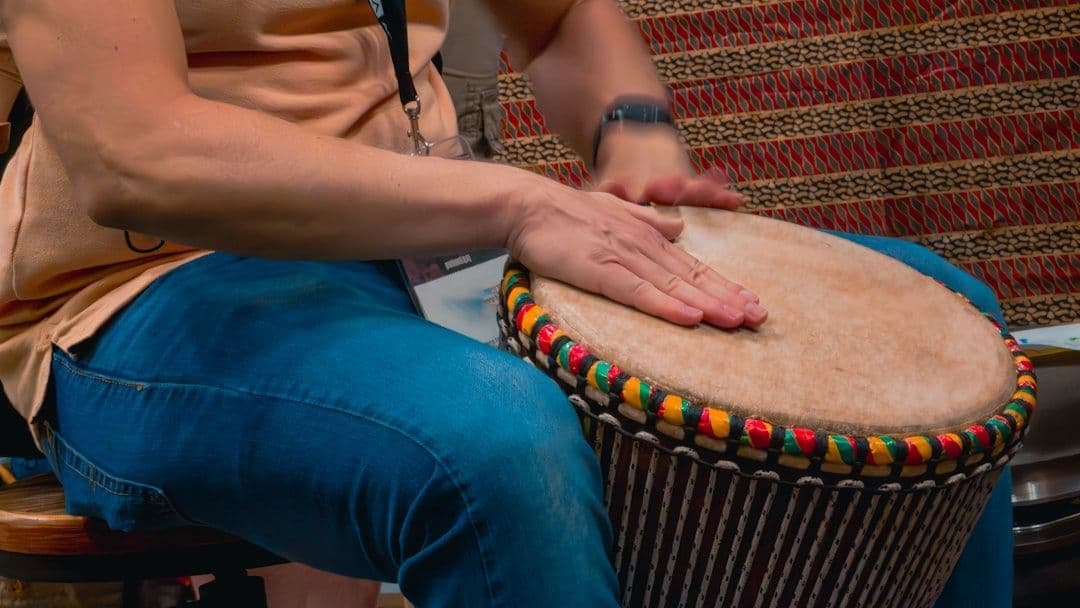
Most sessions begin with a brief conversation about your current emotional state and any specific intentions. Your practitioner will then introduce you to the instruments available - typically frame drums, djembes, or smaller hand drums. Don't worry about choosing 'correctly'; you'll often switch between different drums throughout the session.
The opening 10-15 minutes usually involve gentle warm-up rhythms. You'll learn basic beats and explore the feel of your chosen drum. The sound may seem loud initially, but most people quickly adapt. Your practitioner will demonstrate simple patterns, encouraging you to follow at your own pace rather than achieving perfect synchronisation.
The main section - typically 30-45 minutes - involves guided drumming exercises. These might include sustained rhythmic patterns designed to induce relaxation, or more dynamic sequences that encourage emotional expression. Some practitioners incorporate movement, whilst others focus purely on seated drumming. The room often dims slightly, creating a more introspective atmosphere.
Sessions conclude with a gentle wind-down period. The drumming gradually slows and softens, often ending in several minutes of silence. This transition helps your nervous system readjust before returning to everyday consciousness.
What You Might Experience
During the session, many people report a gradual shift in awareness. The repetitive rhythms can feel meditative, with some experiencing a sense of time distortion - sessions often feel shorter or longer than their actual duration. Your thoughts may become quieter, or conversely, memories and emotions might surface unexpectedly.
Physically, you might notice your breathing naturally deepening as you settle into the rhythm. Some people feel energised by the drumming, whilst others find it profoundly relaxing. Your hands and arms will likely feel the physical workout, particularly if you're new to drumming.
Emotionally, responses vary considerably. Some people feel uplifted and connected, whilst others process difficult emotions that emerge during the rhythmic work. Neither response is 'better' - drum therapy often brings whatever needs attention to the surface.
After the session, many people report feeling simultaneously relaxed and alert. Some notice improved mood lasting several days, whilst others feel emotionally raw initially. Both reactions are normal and typically indicate that the practice is working with your nervous system.
Post-Session Care
Drink plenty of water after your session - drumming can be more physically demanding than anticipated, and hydration supports the nervous system's recalibration. Avoid scheduling intensive activities immediately afterwards if possible. Many people benefit from gentle movement like walking, rather than returning straight to desk work.
Some practitioners suggest keeping a brief journal of any thoughts, dreams, or emotional shifts in the days following. This isn't mandatory, but can help you track patterns and progress over multiple sessions.
If you feel emotionally stirred or unsettled, this usually settles within 24-48 hours. Contact your practitioner if you experience persistent distress - they can offer guidance and determine whether additional support might be helpful.
Avoid making major decisions immediately after sessions, particularly early in your drum therapy experience. The shifts in awareness, whilst beneficial, can temporarily alter your usual perspective on situations.
Building Your Practice
Most practitioners recommend starting with weekly sessions for 6-8 weeks to establish the therapeutic effect. Unlike some modalities where benefits are immediate, drum therapy often works cumulatively - each session building on the previous one's neurological and emotional shifts.
After this initial period, many people move to fortnightly sessions, or attend monthly maintenance sessions alongside other therapies. Some find that intensive weekend workshops provide deeper experiences than regular individual sessions.
Group drumming sessions offer a different dynamic from individual work. Many people enjoy both formats - using individual sessions for personal processing and group sessions for community connection and shared rhythmic experiences.
Whilst some people notice improvements in mood and stress levels after just 2-3 sessions, the deeper therapeutic benefits typically emerge around the 6-8 session mark. Be patient with the process - your nervous system needs time to integrate the rhythmic patterns and their associated relaxation responses.