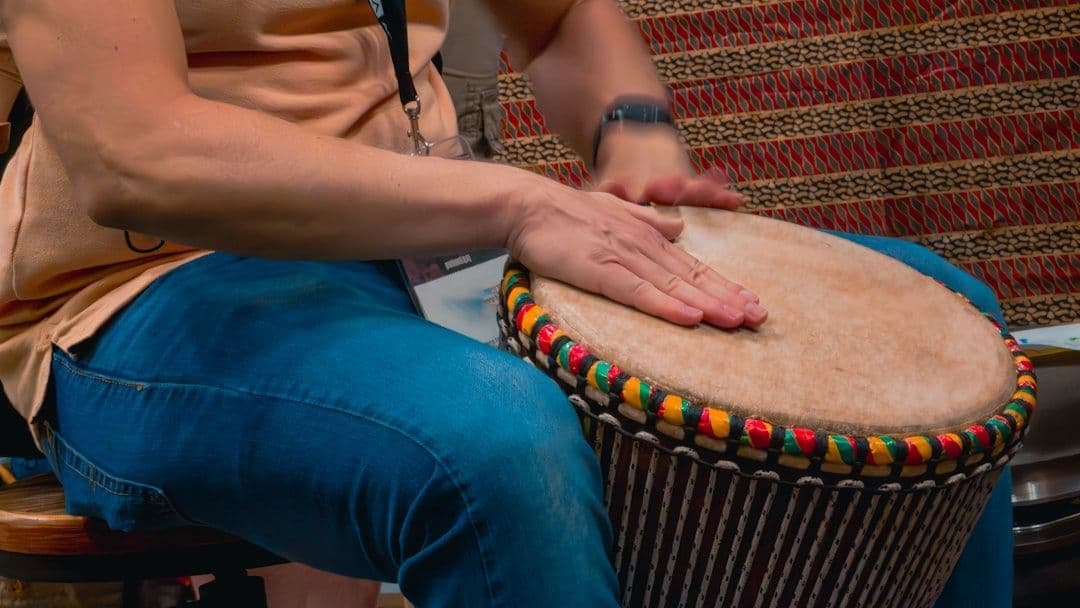
What it is
Drum therapy uses rhythmic drumming to support emotional expression and mental well-being.
Drum Therapy is a rhythmic healing practice that uses drumming patterns to support emotional expression, stress reduction, and mental wel...
At a glance
What it is
Drum therapy uses rhythmic drumming to support emotional expression and mental well-being.
Why explore it
Drumming may ease anxiety, lift mood, and build community through creative, non-verbal expression.
How it’s experienced
You drum individually or in groups, following rhythms or improvising while noticing emotions that arise.
Evidence context
Early research shows promise for mood and stress relief, but larger studies are still needed.
See the evidence snapshotSafety
Generally low-risk, but consult a doctor first if you have epilepsy, ear conditions, or sound sensitivity.
See staying safeHistory & Origin
Drum Therapy uses rhythmic drumming to promote emotional and mental well-being.
Drumming has been used ceremonially and therapeutically across cultures for thousands of years, with roots in African, Indigenous Australian, Native American, and shamanic traditions. In these contexts, rhythmic drumming was employed for healing rituals, community bonding, spiritual connection, and emotional catharsis. The modern formalization of Drum Therapy as a structured complementary practice emerged in the late 20th century, drawing on both traditional practices and contemporary psychology research into rhythm's effects on the nervous system.
A key figure in popularizing contemporary drum therapy was Barry Bernstein, a music therapist who developed "Rhythm Medicine" frameworks integrating drumming with therapeutic principles. Other pioneers adapted indigenous drumming practices into secular wellness settings, creating group drumming circles and one-on-one drum therapy sessions. These modern adaptations emphasized neurobiological mechanisms—such as rhythm's ability to synchronize brain waves and activate the parasympathetic nervous system—alongside psychological benefits.
Drum Therapy spread internationally through music therapy programs, wellness centers, and holistic health communities from the 1990s onward. Today, it exists as both a formally trained music therapy modality (when practiced by credentialed music therapists) and as a complementary wellness practice offered in various health and retreat settings. The practice reflects a broader contemporary interest in somatic healing, rhythm-based interventions, and the therapeutic applications of music and sound.
Mechanism
Drum Therapy is generally framed as a guided process for attention, reflection, learning, and emotional integration. Depending on the method, a practitioner may use conversation, imagery, structured exercises, body awareness, or therapeutic techniques to help the person explore patterns and choices. It should not be presented as a standalone solution or a substitute for urgent care, but it may support self-understanding when practiced within an appropriate scope. Drum Therapy operates through entrainment — the synchronisation of brainwave frequencies with rhythmic drumming patterns.
Your first visit
A typical session outline to help you feel prepared
A drum therapy session blends guided rhythm, breath, and sound to support relaxation and emotional expression — no musical experience required.
Your practitioner greets you warmly and asks about your goals, stress levels, and any health history relevant to the session, so the experience can be shaped around your needs.
Together, you and your practitioner identify a simple intention for the session — whether that's releasing tension, boosting energy, or just exploring sound — giving the rhythm a personal direction.
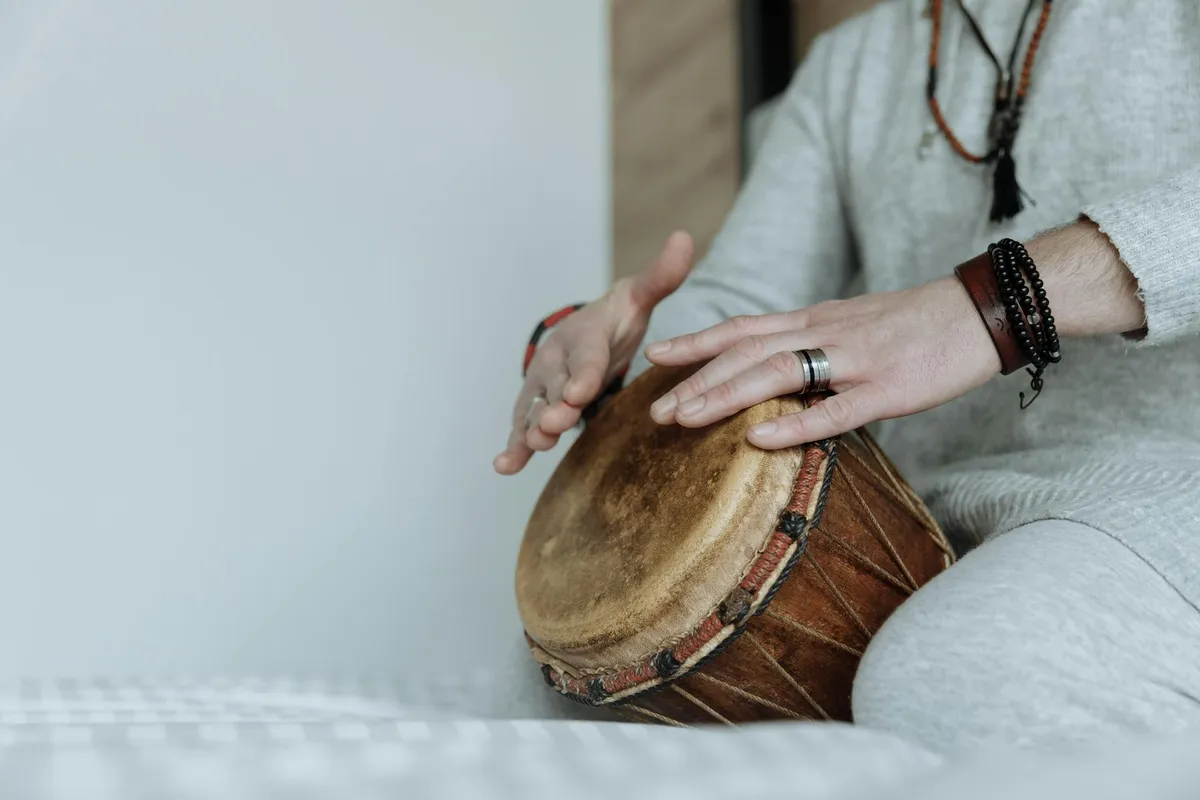
You're introduced to the drums and percussion instruments available, such as frame drums, djembes, or hand drums, and invited to touch and explore them so nothing feels unfamiliar when you begin.
Before picking up a drumstick or your hands, you're led through a brief grounding exercise using breath and stillness to help you arrive fully in the space and quiet mental chatter.
Your practitioner demonstrates simple, accessible rhythms and invites you to follow along at your own pace — there's no right or wrong, and the focus is on feel rather than technical precision.
You drum alongside your practitioner through a series of rhythms that may shift from slow and meditative to more expressive and energizing, following the arc that matches your intention for the session.
The rhythms gradually slow until the room settles into quiet, giving your nervous system a chance to absorb the experience — many people notice a pleasant calm or lightness during this pause.
Your practitioner closes with a brief check-in conversation about what arose during the session and may suggest simple rhythm or breathing practices to carry the benefits into your week.
The Evidence
What current research says about rhythmic drumming as a complementary wellness practice, and where the evidence is still developing.
Promising early signals, but high-quality research is limited
Drum therapy shows early positive findings around mood, stress, and social connection, but most studies are small and methodologically limited. The biological mechanisms are plausible, and the practice carries low risk for most people.
Small studies report reductions in cortisol, lower blood pressure, and improved mood following drumming sessions. Some published reviews suggest preliminary support for social bonding and emotional well-being through drumming circles. Most studies have significant limitations: small samples, no control groups, and self-selected participants. High-quality trials are still needed.
Music therapy delivered by credentialed therapists in clinical settings has more robust research support than drum therapy as a standalone practice. Drum therapy draws on related principles but lacks the same volume of controlled research. Where clinical outcomes matter, working with a qualified music therapist may offer a more evidence-supported pathway.
Drum therapy is positioned as a holistic practice because it engages body, emotion, and social connection through mechanisms specific to percussion. Coordinating polyrhythmic patterns demands active somatic attention distinct from passive sound exposure. Hand percussion generates proprioceptive feedback that may support body awareness, while rhythmic entrainment research points to drum-driven synchronisation as a pathway for nervous system regulation and group cohesion.
Drumming traditions appear across African, Indigenous Australian, Native American, and shamanic cultures, used for ritual healing, emotional release, and communal bonding. Modern drum therapy formalised in the late 20th century, drawing on these traditions alongside contemporary psychology. Understanding this heritage helps contextualise the practice beyond its clinical evidence base.
People with hearing conditions, severe sound sensitivity, or inner ear disorders should consult a relevant specialist before participating. Those with active or serious mental health conditions should speak with a psychiatrist or therapist first, as drumming can intensify emotional experiences. Physical conditions affecting the hands, wrists, or upper body may also require medical advice before beginning.
Drum therapy is not a substitute for professional mental health support, medical assessment, or evidence-based clinical care. It should not be used as a first-line care option for serious conditions such as PTSD, severe depression, or chronic pain without professional guidance. Be cautious of inflated outcome claims. When in doubt, discuss with a qualified healthcare provider before starting.
Safety first
General guidance to help you decide whether this approach is appropriate for you. This is informational only and not a substitute for medical, psychological, or professional advice.
If you are pregnant, managing a health condition, recovering from injury or surgery, or taking medication, consult a qualified healthcare professional first.
Some situations call for extra care or a different approach. Share any conditions, injuries, or sensitivities with your practitioner before your first session.
Mild, short-lived effects such as tenderness, tiredness, or temporary soreness can occur. Rest, hydrate, and tell your practitioner how you respond.
Look for clear boundaries, transparent pricing, and practitioners who avoid fear-based claims or pressure to book frequent sessions.
For you?
A simple, human way to weigh it up. This is general guidance, not personal medical advice — a qualified practitioner can advise on your situation.
Gyfts is a discovery platform, not a medical provider. Nothing here diagnoses, treats or replaces professional care. In an emergency, contact your local emergency number.
Explore approaches
Other practices people often explore alongside drum therapy.
In their words
FAQ
A typical session begins with a brief check-in and grounding exercise. You'll then be guided to play a drum or percussion instrument, either following rhythmic patterns suggested by the practitioner or expressing yourself freely through rhythm. Sessions usually last 45–60 minutes and may include moments of quiet integration. The practitioner may play alongside you, use verbal cues, or simply witness your experience. Most people feel relaxed, emotionally lighter, or energized afterward.
This varies based on your goals and response. Some people notice benefits after one session, while others benefit from a series—typically 4–12 sessions scheduled weekly or bi-weekly. For specific issues like trauma processing, longer-term engagement may be helpful. Your practitioner will discuss recommendations based on your needs.
No. Drum therapy is designed for people of all musical backgrounds. There is no 'right' way to play; the focus is on expression and the therapeutic effects of rhythm, not musical skill. Your practitioner will guide you.
Many people report feeling calmer and less stressed after drumming sessions. Rhythmic activity may help regulate the nervous system, promote relaxation, and provide a healthy outlet for tension. However, individual responses vary, and drum therapy works best alongside other stress-management strategies.
Drum therapy can support trauma processing when delivered by a trauma-informed practitioner who understands how to pace emotional intensity and create safety. However, it's essential to work with someone trained in trauma-sensitive approaches. Consult your therapist or mental health provider before beginning if you have PTSD or significant trauma history.
Some people experience profound emotional or physical responses; others feel subtle shifts in mood or energy. Not 'feeling' something obvious doesn't mean the session wasn't beneficial. Effects can be cumulative or emerge over time. Discuss your experience with your practitioner—they can adjust techniques if needed.
While in-person sessions are most common and allow for direct guidance and energy, some practitioners offer remote sessions where you drum on your own drum while video-connected. The experience differs from in-person work, but it may be accessible for some people.
Research on drum therapy is emerging. Some studies suggest rhythmic drumming may influence brainwave patterns, reduce cortisol (a stress hormone), and support emotional well-being. However, evidence is limited compared to conventional treatments. Drum therapy is best used as a complement to, not replacement for, conventional mental health care when dealing with serious conditions.
References
Educational sources that inform this overview. Inclusion is for context and does not imply endorsement.
Full citations are maintained by the Gyfts editorial team and reviewed periodically.
Keep exploring
Browse practitioners, explore honest overviews, and take what you learn to a conversation — at your own pace.