What Equine Assisted Therapy Actually Involves
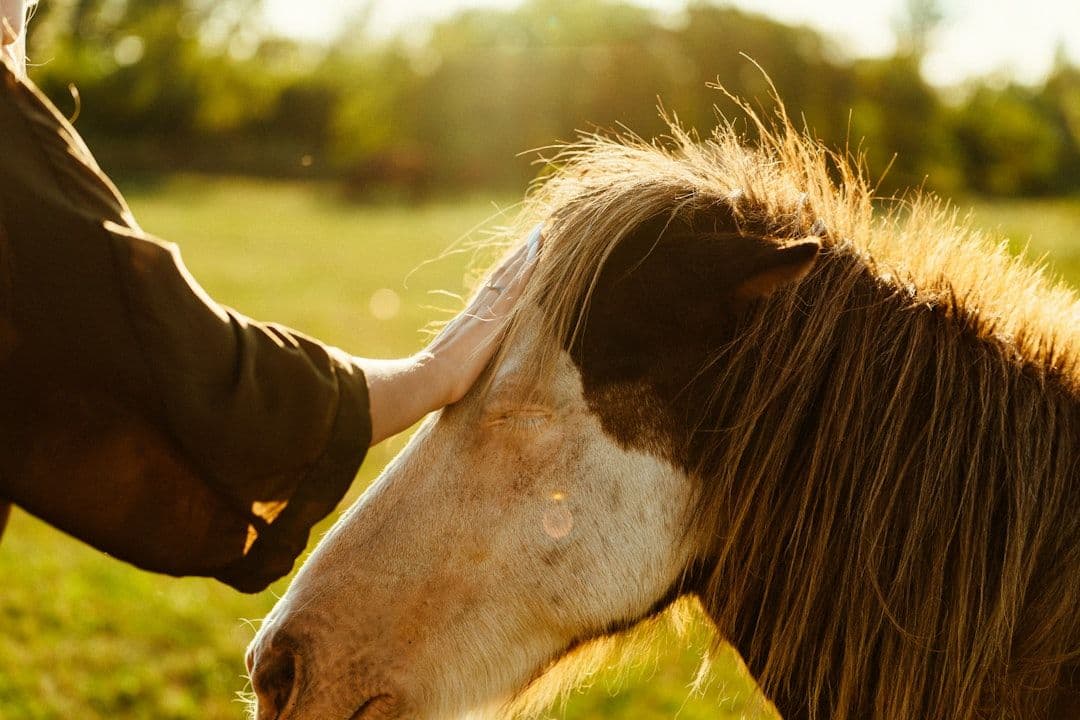
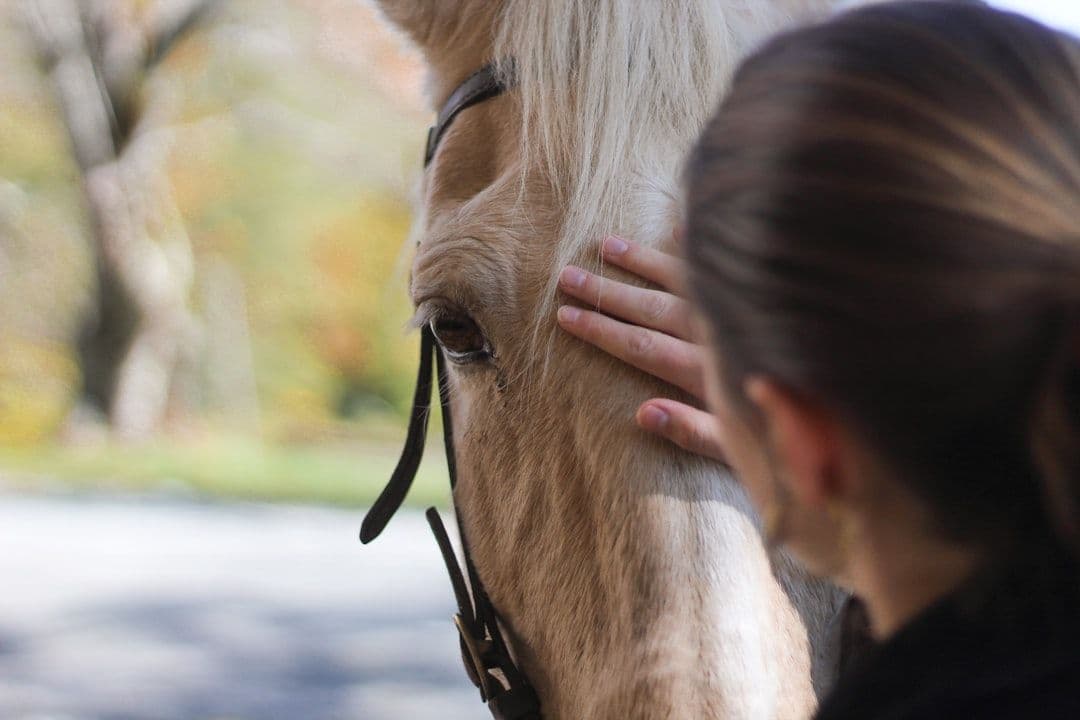
Picture yourself standing beside a 500-kilogram horse, your heart racing slightly as the animal turns its large, dark eye toward you. Within moments, the horse's posture shifts — perhaps stepping closer if you're calm, or moving away if tension courses through your body. This immediate, honest response forms the cornerstone of equine assisted therapy.
Unlike traditional talk therapy conducted in consulting rooms, this approach uses structured activities with horses to create opportunities for emotional learning and healing. Most sessions involve ground-based work — grooming, leading horses through obstacles, or simply observing their behavior — rather than riding. The horse becomes both mirror and teacher, reflecting your internal emotional state while offering a chance to practice new ways of being in relationship.
From Working Animals to Therapeutic Partners
The therapeutic use of horses emerged from practical observations rather than academic theory. During the 1960s, therapeutic riding programs for people with physical disabilities revealed unexpected psychological benefits alongside improvements in balance and coordination. Participants reported increased confidence, better emotional regulation, and enhanced social skills.
By the 1990s, mental health professionals began developing structured programs that focused specifically on psychological rather than physical outcomes. This evolution distinguished equine assisted therapy from therapeutic riding, emphasizing the horse-human relationship as the primary vehicle for change. The approach has since expanded globally, with professional organizations establishing training standards and ethical guidelines for practice.
How Horses Facilitate Emotional Learning
Horses are prey animals with finely tuned survival instincts that make them exquisitely sensitive to human emotional states. They respond to subtle changes in body language, breathing patterns, and energy levels that people themselves might not consciously recognize. This creates what practitioners describe as a 'biofeedback system' — your internal state becomes visible through the horse's reactions.
From a neurobiological perspective, interactions with horses may activate the parasympathetic nervous system, promoting states of calm alertness that facilitate emotional processing. The physical presence of a large, warm animal can trigger the release of oxytocin, often called the 'bonding hormone', which supports feelings of connection and trust.
Within therapeutic sessions, horses offer what psychologists term 'corrective emotional experiences'. Unlike humans, horses hold no judgements about past behavior or future potential. They respond only to what's happening in the present moment, creating opportunities to practice authenticity and emotional regulation without fear of criticism or rejection.
Who Finds Horses Most Helpful
Research suggests particular benefit for people who struggle with traditional verbal therapies. Children and adolescents with autism spectrum disorders often find the non-verbal communication with horses less overwhelming than human social interaction, yet equally rich in learning opportunities about emotional reciprocity and boundaries.
People with trauma histories frequently report feeling safer with horses than in conventional therapy settings. The animals' honest responses can help rebuild trust in relationships, while their size and strength offer opportunities to experience personal power and agency in a controlled environment.
Those dealing with anxiety and depression may find that horses provide motivation to engage when human connection feels too challenging. The animals' need for consistent, calm handling encourages participants to develop emotional regulation skills that transfer to other relationships and situations.
A Typical Session Experience
Sessions usually begin in a consultation room where you'll discuss goals and current emotional state with your therapist. You'll then move to the stable or paddock area to meet the horses — often 2-3 animals with different temperaments and energy levels.
Initial activities might involve simply observing the horses and noticing which one draws your attention. Your therapist will guide you through structured interactions: perhaps grooming a horse while discussing how it feels to provide care, or leading an animal through a simple obstacle course that requires clear communication and mutual trust.
Throughout these activities, your therapist helps you notice connections between your behavior with the horses and patterns in your daily relationships. A horse that won't follow your lead might mirror difficulties with assertiveness at work. An animal that approaches you gently could reflect your capacity for receiving care and support.
Sessions typically last 60-90 minutes, ending with time to process insights and plan how to apply them beyond the arena. Many people report feeling simultaneously energized and calm after sessions — alert from the novel experience yet grounded by the horses' steady presence.
Evidence Base and Effectiveness
Systematic reviews indicate promising outcomes for equine assisted therapy, particularly for anxiety disorders, depression, and trauma-related difficulties. A 2020 review found significant improvements in psychological wellbeing across multiple studies, though researchers noted considerable variation in program structure and outcome measures.
The strongest evidence supports programs that combine qualified mental health professionals with trained equine specialists. Studies focusing on specific populations — such as military veterans with PTSD or adolescents with behavioral difficulties — show more consistent positive results than general therapeutic applications.
Limitations in the current evidence base include small sample sizes in many studies, lack of long-term follow-up data, and difficulty creating appropriate control groups. However, the consistency of reported benefits across different populations and settings suggests genuine therapeutic potential beyond placebo effects.
Finding Qualified Practitioners and Practical Considerations
Look for practitioners certified by recognized organizations such as the Professional Association of Therapeutic Horsemanship (PATH International) or similar European bodies. Qualified programs typically involve teams including both licensed mental health professionals and certified equine specialists, ensuring both psychological safety and animal welfare.
Sessions generally cost £60-120 per hour, reflecting the specialist training required and costs of maintaining therapeutic horses. Some programs offer sliding scale fees or work with insurance providers, though coverage varies significantly.
Most therapeutic programs recommend weekly sessions initially, with frequency adjusted based on individual progress and goals. Some people benefit from intensive programs over several days, while others prefer ongoing weekly sessions over months.
When choosing a program, visit the facility first to observe the horses' condition and behavior. Well-trained therapy horses should appear calm, healthy, and comfortable with human interaction. The environment should feel safe and professional, with clear protocols for handling unexpected situations or emotional responses during sessions.