Preparing for Your Session
Wear comfortable, closed-toe shoes with good grip — trainers or walking boots work well. Avoid high heels, sandals, or anything with smooth soles. Choose practical clothing you can move in easily: long trousers protect your legs from scratches, and layers allow you to adjust for outdoor conditions.
Leave strong perfumes, aftershave, or scented products at home. Horses are sensitive to artificial scents, which can affect their behavior and your interaction. Remove or secure any loose jewelry that might catch or jangle.
Arrive with an open mind rather than specific expectations. Your therapist will ask about your current emotional state and any particular challenges you're facing. This isn't about your equestrian skills — most participants have never worked with horses before.
The Session Unfolds
You'll typically begin in a consultation room for 10-15 minutes, discussing how you're feeling and setting intentions for the session. Your equine specialist and mental health professional work as a team — one focuses on horse safety and behavior, the other on therapeutic goals.
The transition to the stable yard marks a shift in atmosphere. You'll notice the immediate presence of the horses — their size, warmth, and distinctive earthy smell. Your therapist will introduce you to your horse partner for the day, explaining their personality and any relevant behavior.
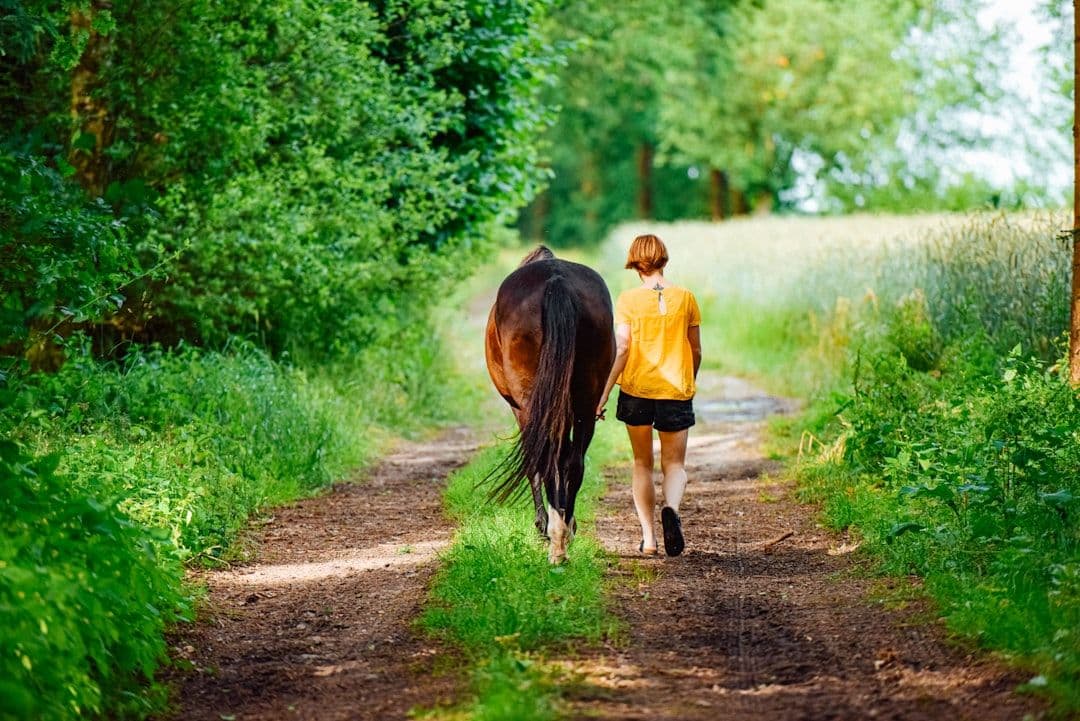
Most of the 45-60 minute session involves ground-based activities. You might groom the horse, practicing mindful attention to the repetitive brushing motions. Leading exercises help you explore boundaries and confidence — the horse responds to your energy and intention, not just physical cues. Some sessions include simple tasks like moving the horse through obstacles or encouraging them to pick up specific objects.
The horse's responses are immediate and honest. If you're feeling anxious, they may become restless or step away. When you're calm and focused, they typically mirror this state. Your therapist helps you notice these patterns and explore what they reveal about your emotional patterns.
What You Might Experience
During the session, many people report feeling surprisingly calm despite initial nervousness. The horse's steady breathing and warm presence can be deeply grounding. Others find themselves more emotional than expected — horses seem to bypass social defenses and connect with authentic feelings.
Physically, you'll notice the satisfying tiredness that comes from mindful movement. Your hands may smell of horse and leather. Some people experience a sense of accomplishment from successfully communicating with such a large, powerful animal.
After the session, emotions can continue to surface. You might feel unexpectedly tearful, energized, or reflective. This is entirely normal — the horse interaction often unlocks feelings that have been difficult to access. Some people experience vivid dreams or find themselves thinking differently about relationships and boundaries.
Not everyone has dramatic breakthroughs. Some sessions feel quiet and contemplative, building subtle shifts in confidence or self-awareness over time.
Post-Session Care
Plan for a gentle transition back to your day. Many centers provide a few minutes to sit quietly and process the experience before leaving. Avoid rushing immediately into demanding activities — give yourself time to integrate whatever arose.
Stay well-hydrated and eat something nourishing if the session was emotionally intensive. Some people feel energized, others emotionally drained. Both responses are valid.
Keep a brief journal if possible. Note what you experienced with the horse, any emotions that surfaced, and insights that emerged. These observations often prove valuable in later sessions.
Avoid making major decisions or having difficult conversations immediately after sessions. Your emotional processing may continue for 24-48 hours. If challenging feelings persist beyond a few days, discuss this with your therapist.
Planning Your Programme
Most therapeutic programs involve weekly sessions over 8-12 weeks, though this varies based on individual needs and goals. Some people benefit from a shorter intensive block, while others find value in longer-term engagement.
Progress often feels non-linear. Early sessions might focus on basic comfort around horses and establishing trust. Middle sessions typically involve deeper emotional work as the horse-human relationship develops. Later sessions often concentrate on transferring insights from the arena to daily life.
Discuss your goals with your therapist team. Some programs focus on specific issues like anxiety or trauma recovery. Others take a broader approach to personal development and emotional regulation. Most combine individual sessions with occasional group work, depending on your comfort level and therapeutic needs.