What it is
Guided horse interactions that support emotional health and rehabilitation goals.
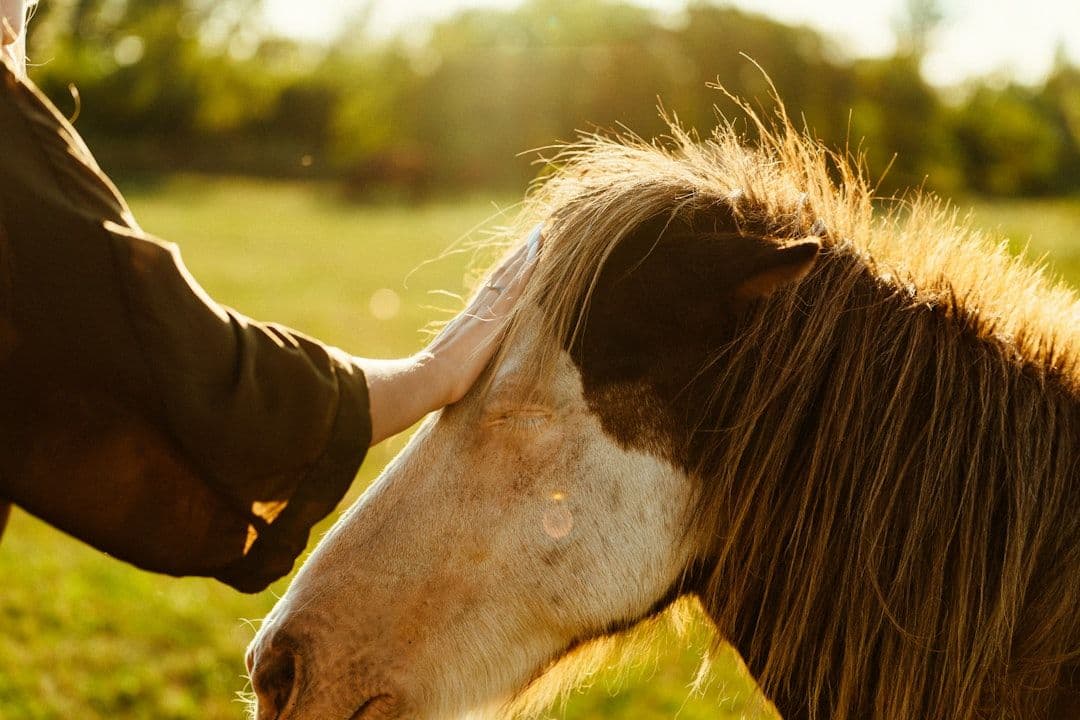
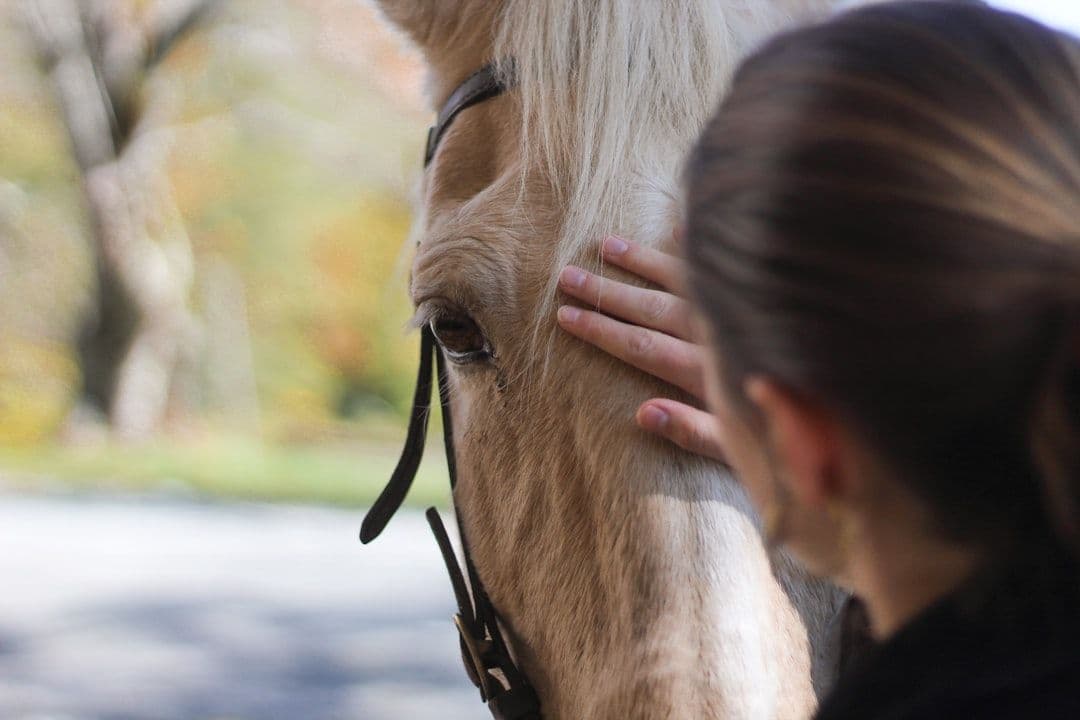
Equine-assisted therapy involves structured therapeutic activities that incorporate interaction with horses, typically facilitated by tra...

At a glance
What it is
Guided horse interactions that support emotional health and rehabilitation goals.
Why explore it
Horses respond to your cues in ways that can build emotional awareness and ease stress.
How it’s experienced
You'll groom, lead, or ride horses while a therapist guides activities suited to your needs.
Evidence context
Research looks promising for anxiety and mood, though results vary by program and condition.
See the evidence snapshotSafety
Generally safe with qualified staff and protocols in place, but discuss any allergies or fears first.
See staying safeHistory & Origin
Equine Assisted Therapy involves therapeutic interventions with horses to promote emotional and mental well-being.
Modern equine-assisted therapeutic programs developed in the 20th century alongside rehabilitation and psychotherapy services, with formalized models emerging through clinical and community programs.
Mechanism
Equine Assisted Therapy is generally framed as a guided process for attention, reflection, learning, and emotional integration. Depending on the method, a practitioner may use conversation, imagery, structured exercises, body awareness, or therapeutic techniques to help the person explore patterns and choices. It should not be presented as a standalone solution or a substitute for urgent care, but it may support self-understanding when practiced within an appropriate scope. Equine Assisted Therapy operates through structured interactions between participants and horses, typically facilitated by trained equine specialists and mental health professionals.
Your first visit
A typical session outline to help you feel prepared
A guided, hands-on experience with horses designed to support emotional growth and well-being through structured activities and reflective conversation.
You'll meet your practitioner in a comfortable space near the barn to talk through your goals, any horse experience you have, and what to expect today.
Before entering the horse area, your practitioner walks you through barn safety rules, body language basics, and how to move calmly around the horses so everyone stays comfortable.
You'll be introduced to a gentle, carefully selected horse in a controlled setting, giving you time to observe its behavior and get comfortable in its presence before any interaction begins.
Guided activities like leading the horse, grooming, or completing simple obstacles help you build connection and awareness — your practitioner observes how you and the horse respond to each other.
Some programs include supervised riding with a certified instructor present; if so, you'll receive step-by-step guidance on mounting, posture, and guiding the horse at a gentle pace.
After the hands-on time, you and your practitioner sit together to talk through what you noticed, how you felt, and any insights that came up during your time with the horse.
Your practitioner wraps up by summarizing themes from the session and may suggest activities or reflections to carry forward before your next visit.
The Evidence
What research says about Equine Assisted Therapy, where findings are consistent, and where questions remain.
Promising findings across populations, with significant variability
Equine Assisted Therapy is supported by systematic reviews and meta-analyses, with positive findings across emotional, psychological, and behavioural outcomes. Results vary by program model and population, and methodological limitations are commonly noted.
Meta-analyses and systematic reviews report improvements in anxiety, self-esteem, emotional regulation, and social skills across children, adolescents, veterans, and people with mental health conditions. Effect sizes vary, and researchers consistently note heterogeneity in program design and outcome measures. Findings are promising but should be interpreted with appropriate caution.
By working with horses in structured sessions, participants engage body awareness, emotional attunement, and relational skills simultaneously. Horses are highly sensitive to human emotional states and provide immediate, non-verbal feedback that is distinct from other animal-assisted or somatic approaches — creating a unique relational dynamic that can surface and shift interpersonal patterns. It is typically used alongside, not instead of, other professional care.
Programs are typically delivered by teams including qualified mental health professionals and certified equine specialists. It is used alongside professional care for people experiencing challenges such as trauma responses, anxiety, low mood, and developmental differences. It is not a standalone intervention and is not a substitute for professional assessment or clinical management.
Many studies involve small samples, short follow-up periods, and varied program models, making direct comparisons difficult. Standardisation of session structure, facilitator training, and outcome measures remains inconsistent across the field. Researchers call for larger, more rigorous trials before firm conclusions can be drawn about specific populations or outcomes.
Falls and animal-related injuries are possible; reputable programs follow established safety standards and conduct individual risk assessments. Equine Assisted Therapy may not be suitable for people with severe animal allergies, significant unsupported mobility limitations, or strong fear of horses. Always verify facilitator qualifications and program accreditation before participating.
Look for programs that pair certified equine specialists with qualified mental health or allied health professionals. Recognised credentialing bodies exist in several countries and provide standards for training and practice. Discuss participation with your existing healthcare provider, particularly if you are managing an active mental health condition or physical health concern.
Safety first
General guidance to help you decide whether this approach is appropriate for you. This is informational only and not a substitute for medical, psychological, or professional advice.
Some situations call for extra care or a different approach. Share any conditions, injuries, or sensitivities with your practitioner before your first session.
If your animal is unwell, injured, recovering from surgery, or on medication, check with a qualified veterinarian before booking a session.
Look for clear boundaries, transparent pricing, and practitioners who avoid fear-based claims or pressure to book frequent sessions.
Watch your animal for tenderness, tiredness, or changes in behaviour afterwards, and contact the practitioner or your vet if anything seems off.
For you?
A simple, human way to weigh it up. This is general guidance, not personal medical advice — a qualified practitioner can advise on your situation.
Gyfts is a discovery platform, not a medical provider. Nothing here diagnoses, treats or replaces professional care. In an emergency, contact your local emergency number.
Explore approaches
Other practices people often explore alongside equine assisted therapy.
In their words
FAQ
No. Many programs use groundwork activities only. Some models include mounted activities, depending on goals and safety assessment.
No. It is generally used as an adjunct. Individuals should continue appropriate medical and mental health care.
Equine-assisted therapy (EAT) uses horses as therapeutic partners in structured activities facilitated by trained therapists. Horses are uniquely suited to this work: they are highly sensitive to human emotional state, responding to minute changes in body language, tension, and affect — providing real-time, non-judgmental feedback that humans rarely receive. They live in the present moment, require clear and congruent communication, and respond immediately to the quality of a person's internal state rather than their words. This makes them extraordinarily effective mirrors for emotional patterns, relational dynamics, and self-regulation capacity.
The strongest evidence exists for PTSD (particularly in veterans — multiple studies show significant reduction in PTSD symptoms), autism spectrum disorder (improved social skills, emotional regulation, and sensory processing), and youth at risk (improved behaviour, self-esteem, and emotional regulation in multiple studies). Moderate evidence supports EAT for anxiety, depression, eating disorders, and substance use disorders. The physical dimension — riding itself — improves balance, coordination, posture, and core stability, with specific evidence for cerebral palsy and multiple sclerosis.
No experience is required — equine-assisted therapy is accessible to people with no prior horse experience, including those who may initially feel apprehensive. Sessions begin with ground-based activities — grooming, leading, observing, and working around the horse — before any riding is considered, and many therapeutic EAT programmes do not involve riding at all. The therapeutic work happens primarily through the relationship and interaction with the horse, not through riding skill. The therapist facilitates the experience and works with what arises. A good programme will introduce horses gently and at the participant's own pace.
References
Educational sources that inform this overview. Inclusion is for context and does not imply endorsement.
Full citations are maintained by the Gyfts editorial team and reviewed periodically.
Keep exploring
Browse practitioners, explore honest overviews, and take what you learn to a conversation — at your own pace.