When Hands Meet Horse
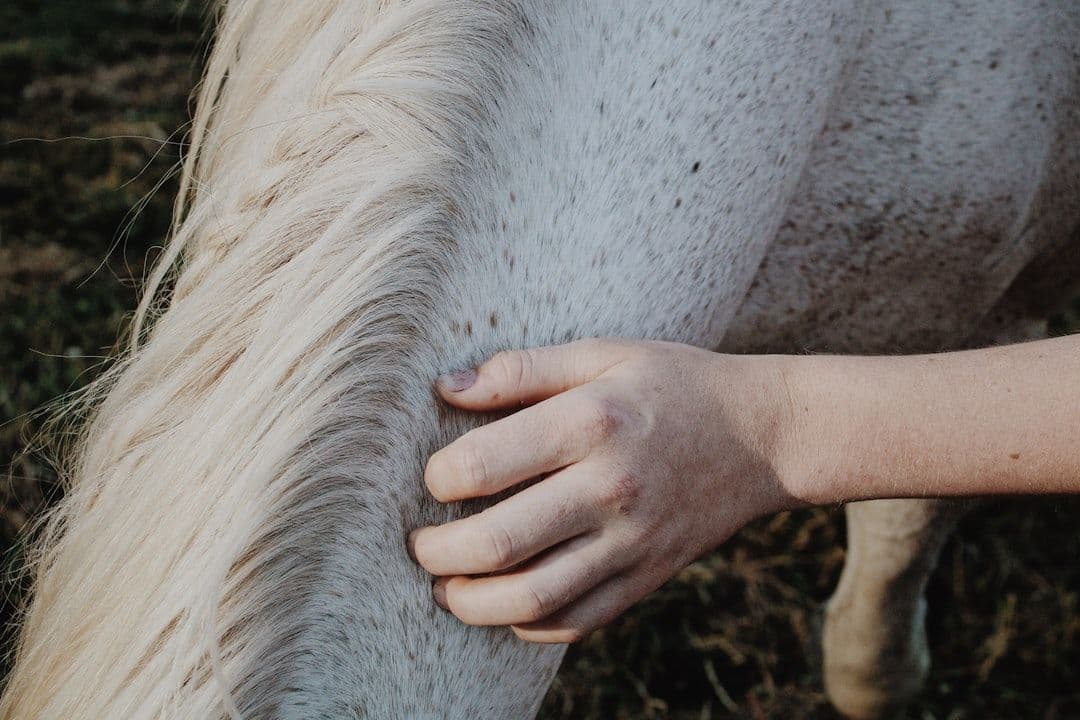
Watch an equine massage practitioner at work, and you'll see something both familiar and distinctly different from human bodywork. The same effleurage strokes that might ease tension in your shoulders now work along a horse's powerful neck muscles. Fingers probe for trigger points not in human trapezius muscles, but in the complex web of fascia that supports a 500-kilogram frame.
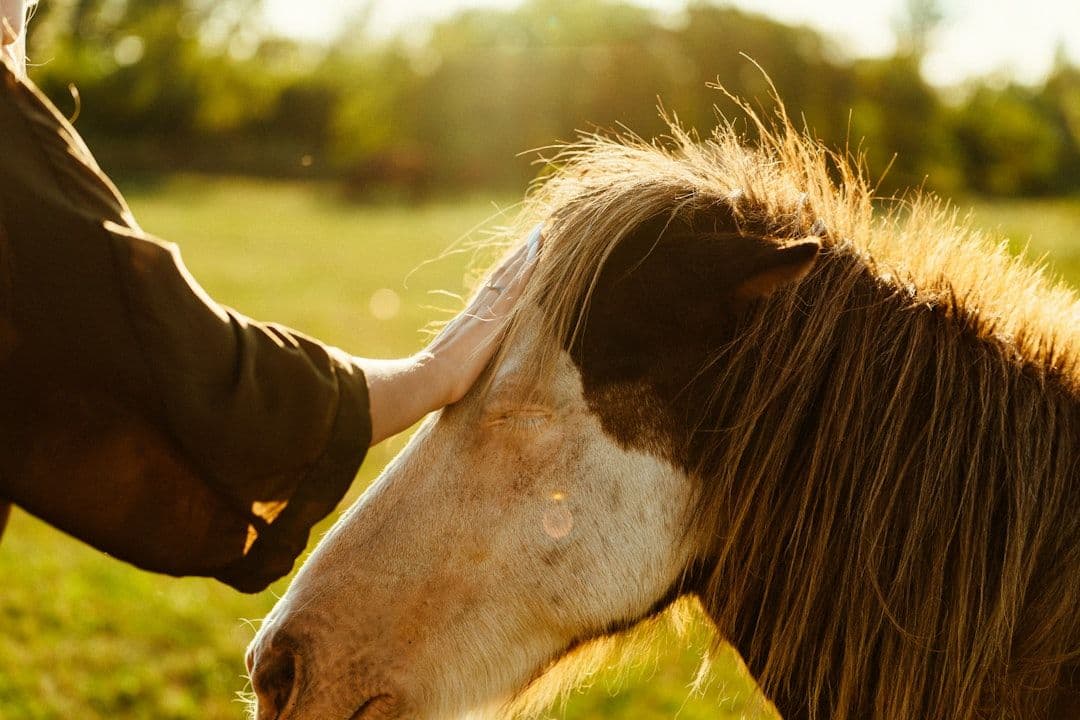
The horse stands quietly, often showing visible signs of relaxation—lowered head, half-closed eyes, even gentle sighing. What emerges is a practice that bridges veterinary medicine, sports therapy, and the ancient bond between humans and horses.
From Racecourse to Riding School
Equine massage emerged in the 1980s as competitive riding intensified and horse welfare awareness grew. Initially developed for racehorses and elite sport horses, practitioners adapted human sports massage techniques for equine anatomy.
The practice gained momentum as horse owners began recognising parallels between human and equine musculoskeletal stress. Just as human athletes benefit from massage therapy, horses performing demanding physical work—whether jumping, racing, or carrying riders—experience similar muscular tension and fatigue.
Today, equine massage has expanded beyond elite competition. Riding schools use it for lesson horses, therapeutic riding programmes incorporate it for both horses and participants, and even retired horses receive massage for comfort and mobility support.
The Anatomy of Touch
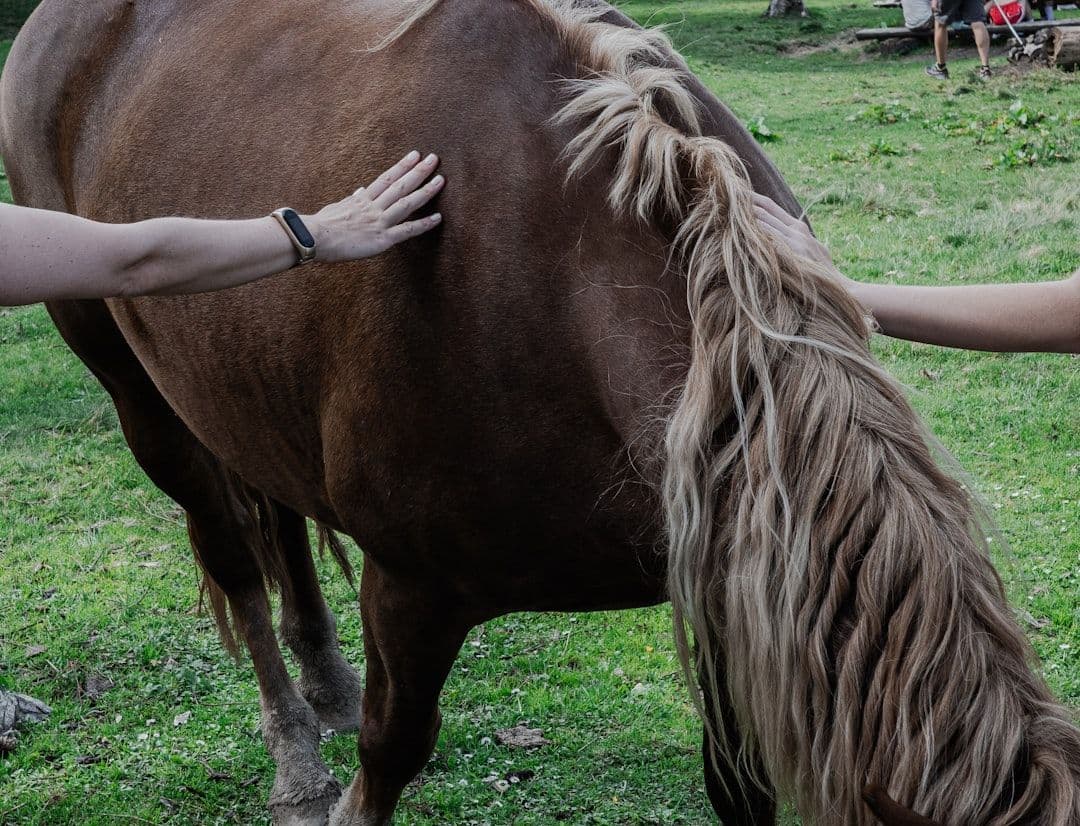
Equine massage employs familiar manual therapy techniques—effleurage, petrissage, cross-fibre friction—adapted for very different anatomy. A horse's neck contains over 100 muscles, their back spans nearly two metres, and their powerful hindquarters generate enormous propulsive force.
Practitioners work systematically across muscle groups, applying varying pressure to address specific tissues. Long strokes along the neck and back promote circulation, while deeper work targets areas of chronic tension. The approach mirrors human sports massage principles: increasing blood flow, reducing muscular adhesions, and stimulating proprioceptive awareness.
From a physiological perspective, the manual pressure stimulates mechanoreceptors in the horse's tissues, potentially influencing pain perception through gate control mechanisms. The parasympathetic nervous system response—visible in the horse's relaxed posture—suggests neurological benefits beyond purely mechanical effects.
Who Seeks Equine Bodywork
Competition horses form the largest group receiving regular massage. Dressage horses working in collection, show jumpers managing repeated impact stress, and event horses combining multiple disciplines all accumulate specific muscular tensions that massage may help address.
Horses returning from injury often receive massage as part of rehabilitation programmes. While not replacing veterinary treatment, the therapy may support circulation and muscle function during recovery. Some practitioners work closely with veterinary physiotherapists in comprehensive rehabilitation teams.
Older horses represent a growing client base. As horses live longer and owners seek ways to maintain comfort and mobility, massage offers a non-invasive approach to supporting musculoskeletal health in aging animals.
A Typical Session
Sessions typically last 45-60 minutes and begin with the practitioner assessing the horse's posture, movement, and response to touch. Many horses require a settling-in period, especially for first treatments.
The massage follows anatomical logic, often starting with broad strokes across major muscle groups before focusing on specific areas of tension. Practitioners adjust pressure based on the horse's response—some horses prefer lighter touch, others seem to appreciate deeper work.
Throughout the session, experienced practitioners read subtle signs of the horse's comfort level. Ears pinned back, tail swishing, or stepping away indicate the need to modify technique or location. Conversely, a relaxed stance, lowered head, or even gentle nuzzling suggests acceptance and enjoyment.
Most practitioners recommend initial sessions spaced 1-2 weeks apart, with maintenance treatments monthly or bi-weekly depending on the horse's workload and individual needs.
What the Research Shows
Equine massage research remains in early stages, with most studies being small-scale investigations of specific parameters. Several pilot studies have measured circulation improvements using thermography, showing increased surface temperature in massaged areas—suggesting enhanced blood flow.
A few small trials have examined performance measures, finding modest improvements in flexibility and stride length following massage treatment. However, these studies typically involve fewer than 20 horses and lack long-term follow-up.
The challenge for equine massage research lies partly in methodology. Unlike human studies where participants can report subjective improvements, equine research relies on behavioural observations and objective measurements. Larger, controlled trials are needed to establish clear evidence for specific conditions and outcomes.
Finding Qualified Practitioners
Equine massage sits within a regulatory grey area. In the UK, practitioners often train through private organisations offering certification programmes ranging from weekend workshops to comprehensive courses spanning several months.
Look for practitioners with substantial hands-on training, preferably including equine anatomy, behaviour, and safety protocols. Many qualified practitioners have backgrounds in veterinary nursing, physiotherapy, or extensive horse handling experience.
Expect to pay £40-80 per session, with some practitioners offering package deals for regular treatments. Always ensure your practitioner has appropriate insurance and works within their scope of practice—they should refer to veterinarians for any suspected injuries or health concerns.
The most experienced practitioners often work collaboratively with veterinarians and maintain detailed records of each horse's response to treatment, building a comprehensive picture of the animal's musculoskeletal health over time.