Before Your Horse's Session
Schedule your horse's massage when they're not scheduled for intense work that day. The practitioner will need access to a quiet, safe area—either a stable with good lighting or a covered area where your horse feels comfortable. Most practitioners prefer working in familiar environments where horses are relaxed.
Your horse should be clean and dry, though a full grooming isn't necessary. Remove any blankets, boots, or tack beforehand. If your horse is particularly muddy, a quick brush-over helps the practitioner assess muscle condition more effectively.
Brief the practitioner about your horse's temperament, any areas of concern, recent work patterns, and medical history. Mention if your horse is sensitive about particular body areas or handling preferences. This information helps tailor the session to your horse's individual needs.
The Session Unfolds
Sessions typically begin with the practitioner observing your horse's posture and movement, often asking you to walk them briefly. This initial assessment helps identify areas requiring attention and establishes baseline tension patterns.
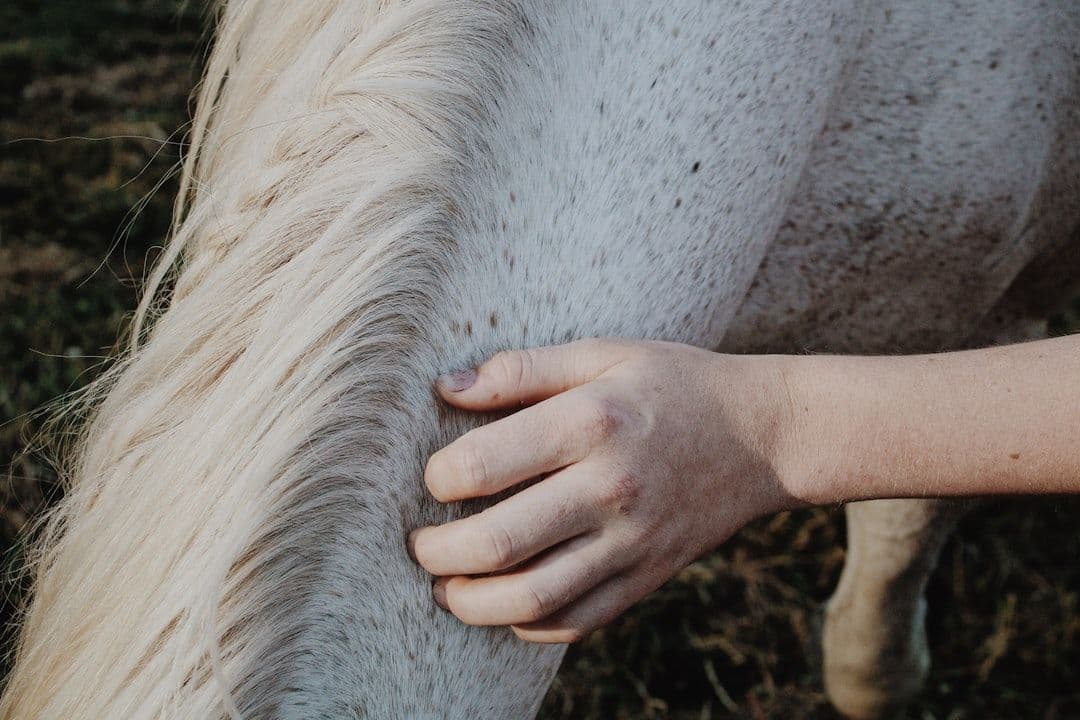
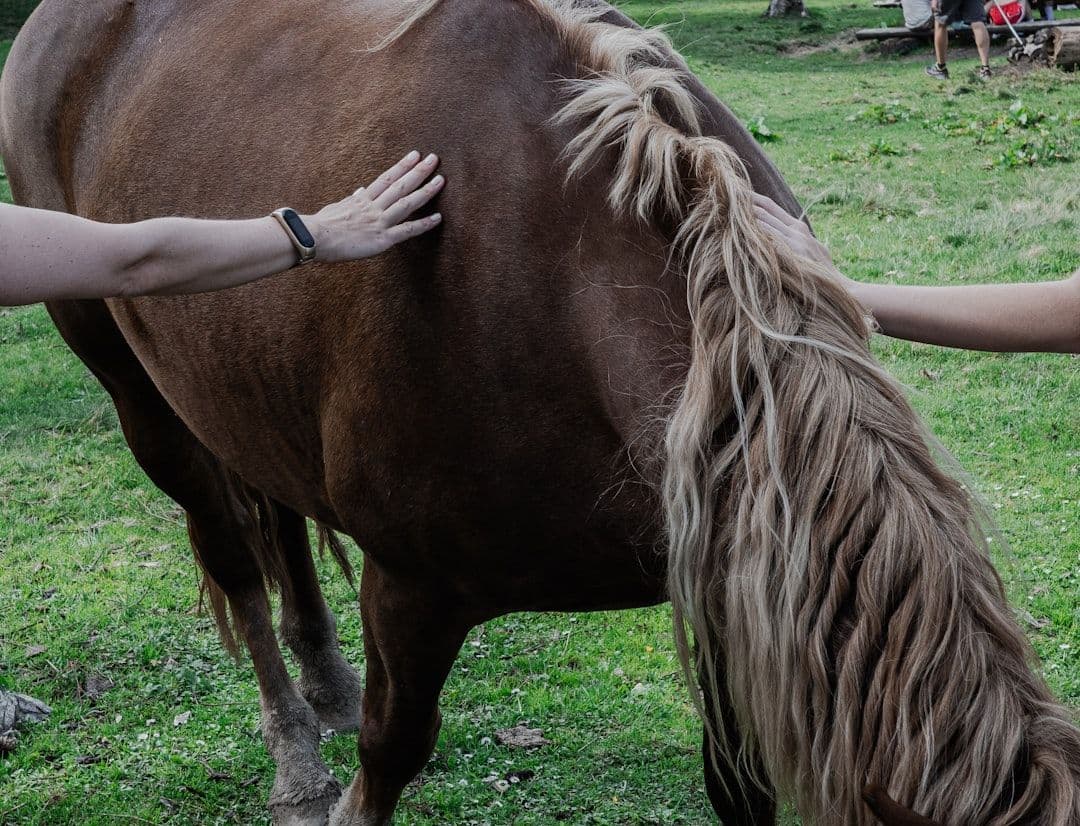
The massage itself usually starts with gentle, broad strokes across major muscle groups to help your horse acclimatise to touch. You'll see the practitioner using long, sweeping movements (effleurage) followed by deeper kneading motions (petrissage) as your horse relaxes. They work systematically—often beginning at the neck and shoulders before moving along the back, hindquarters, and legs.
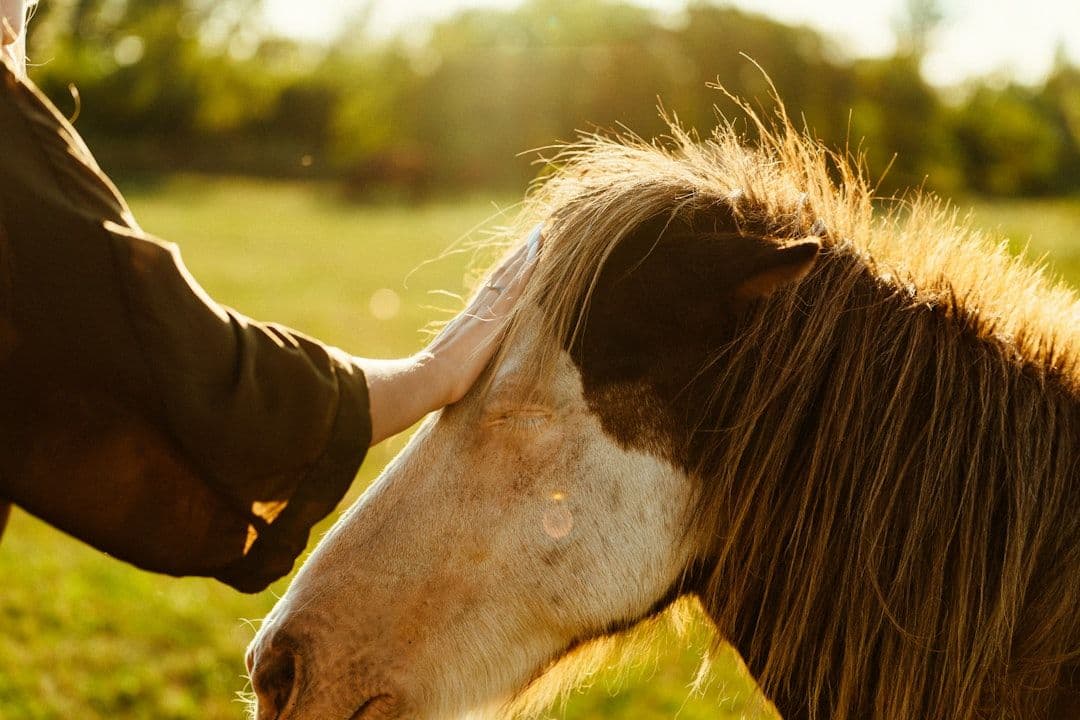
Watch for your horse's responses: lowered head position, relaxed facial expressions, or even yawning and lip licking indicate comfort and relaxation. Some horses lean into the pressure, whilst others may initially be more reactive before settling. The practitioner adjusts pressure and technique based on these responses.
Most sessions last 30-60 minutes, with the practitioner spending extra time on areas of particular tension or concern that you've discussed beforehand.
What Your Horse Might Experience
Many horses show immediate signs of relaxation during massage—lowered head carriage, soft eyes, and rhythmic breathing. Some horses become quite sleepy, whilst others remain alert but calm. Initial fidgeting often gives way to stillness as horses become accustomed to the touch.
You might notice your horse shifting weight, stretching, or even yawning as muscle tension releases. These are normal responses indicating the therapy is having an effect. Occasionally, horses may seem slightly sensitive in areas where they're holding tension, but this typically diminishes as the muscle relaxes.
In the hours following treatment, many horses appear more comfortable in their movement. Some may seem slightly tired or subdued immediately after—this is normal and usually resolves within a few hours. Others appear more energetic and free-moving, particularly if they were experiencing muscle restriction before the session.
Post-Session Care
Allow your horse gentle movement after massage—light turnout or hand-walking encourages circulation and prevents stiffness. Avoid intense work for 24 hours to allow the benefits to settle, though normal daily routine and light exercise are beneficial.
Many horses show the most noticeable improvements 24-48 hours after treatment, once any initial muscle soreness has resolved and circulation has improved. You might observe freer movement, improved attitude under saddle, or simply a more relaxed demeanour.
Provide fresh water and normal feeding. Some practitioners recommend monitoring your horse for any unusual reactions, though adverse effects are rare. If your horse seems unusually uncomfortable or shows signs of distress, contact your veterinarian.
Planning Your Course of Treatment
For specific muscular issues, practitioners typically recommend 3-6 sessions spaced one to two weeks apart. This allows time for the cumulative effects to develop whilst addressing underlying tension patterns. Acute problems may respond quickly, whilst chronic conditions often require more sessions to show sustained improvement.
Maintenance massage varies depending on your horse's workload and individual needs. Performance horses often benefit from monthly sessions, whilst horses in lighter work might need treatment every 6-8 weeks. Your practitioner will assess your horse's response and recommend an appropriate schedule.
Keep notes about changes in your horse's movement, behaviour, or performance between sessions. This information helps both you and your practitioner evaluate the treatment's effectiveness and adjust the approach as needed.