What it is
Hands-on muscle techniques applied to horses to ease tension and support flexibility.
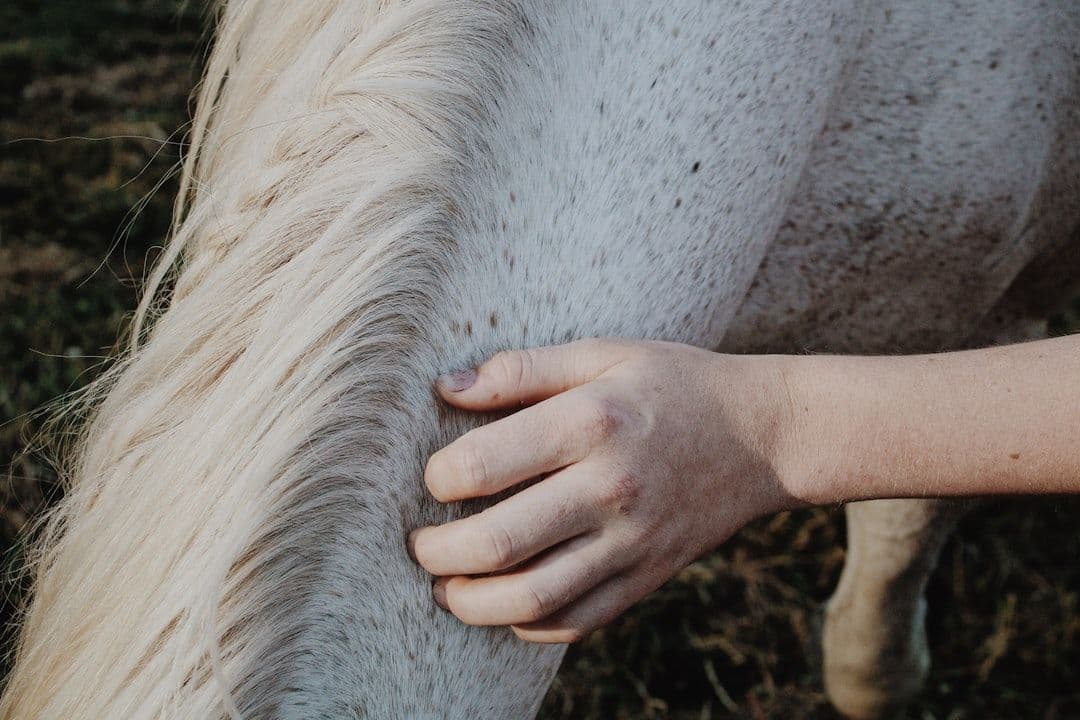
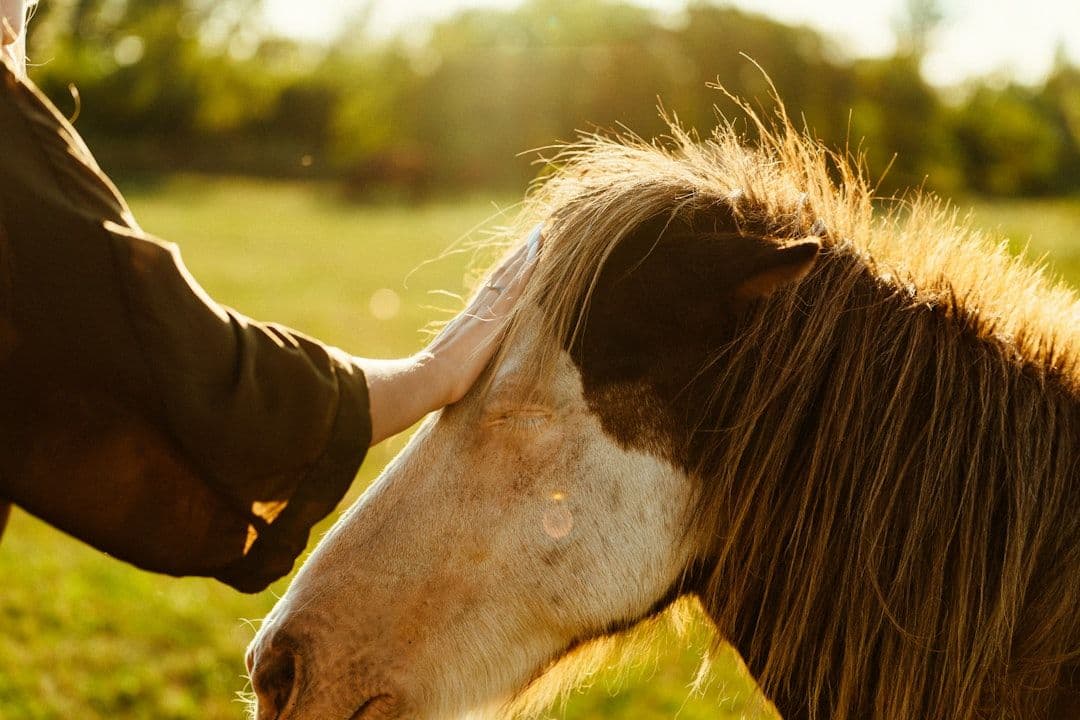
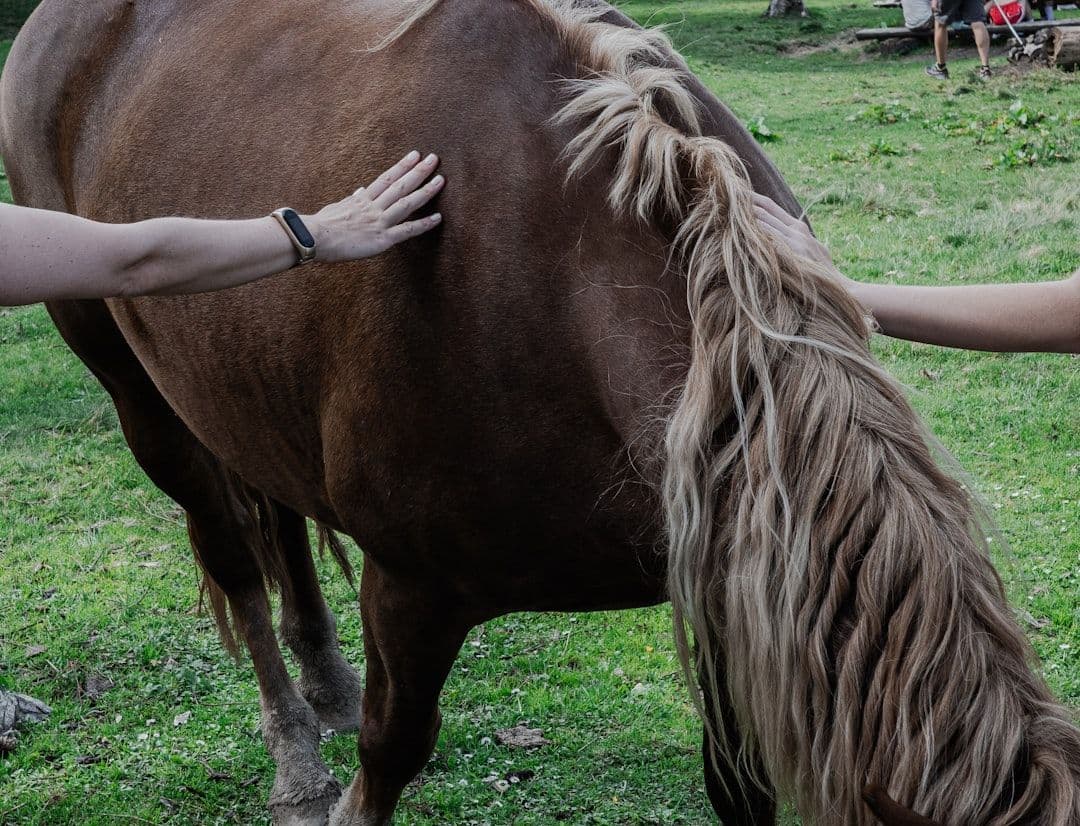
Equine massage is a hands-on therapeutic technique applied to horses' muscles and soft tissues to improve flexibility, circulation, and m...
At a glance
What it is
Hands-on muscle techniques applied to horses to ease tension and support flexibility.
Why explore it
It may help performance horses recover faster, feel less stiff, and stay more relaxed.
How it’s experienced
A therapist works through your horse's major muscles in a calm stable setting over 30–60 minutes.
Evidence context
Early research looks promising, but larger studies are still needed to confirm the benefits.
See the evidence snapshotSafety
Generally low-risk with a trained practitioner, though vet clearance is wise for any injuries.
See staying safeHistory & Origin
Equine Massage involves massage therapy techniques designed to benefit the musculoskeletal health of horses.
Equine massage has roots in ancient therapeutic practices, with evidence suggesting that horses were treated with massage techniques in traditional Chinese medicine and ancient Greek and Roman cultures. However, modern equine massage as a formalized practice developed primarily in the latter half of the 20th century as horse owners and trainers sought non-pharmaceutical approaches to manage musculoskeletal issues and enhance performance.
The professionalization of equine massage accelerated in the 1980s and 1990s, particularly in North America and Europe, as veterinarians and equine therapists began to recognize the potential benefits of soft tissue manipulation. Practitioners developed standardized techniques based on human massage therapy adapted for equine anatomy, drawing on knowledge of equine physiology and biomechanics.
Key figures in the field worked to establish credibility through formal training programs and certification standards. Organizations such as the National Board of Certification for Animal Acupressure and Massage (NBCAAM) and various equine therapy associations have helped standardize education and practice protocols. The discipline has spread globally as horse sports and leisure riding have expanded, with practitioners now found in most developed countries serving competitive, recreational, and therapeutic contexts.
Mechanism
Equine Massage is generally described as working through skilled touch, careful pacing, and the body's response to pressure, movement, warmth, or stillness. Practitioners may focus on muscle tone, joint comfort, circulation, breath, or relaxation depending on the method. Traditional explanations may also include energy flow or whole-person balance. Research support varies by modality, so the experience is best framed as supportive care with outcomes that vary. Equine massage involves manual manipulation of soft tissues—muscles, tendons, ligaments, and fascia—using hands-on techniques such as effleurage (long, gliding strokes), petrissage (kneading), and cross-fiber friction.
Your first visit
A typical session outline to help you feel prepared
A skilled therapist works hands-on with your horse to ease muscle tension and support relaxed, comfortable movement through a gentle, structured session.
Before anything physical begins, the therapist reviews your horse's health history, workload, any known injuries, and current concerns so the session can be tailored appropriately.
The therapist observes your horse from a distance, checking posture, stance, and how the horse carries its weight to identify areas of tension or asymmetry before touching begins.
The therapist moves along your horse's body using light, exploratory touch to feel for tight muscles, heat, sensitivity, or restricted areas that need focused attention.
Long, flowing effleurage strokes are applied across the neck, back, and hindquarters to warm the muscles, build trust with your horse, and ease the animal into the session.
Techniques like kneading, compression, and cross-fiber friction are used on specific muscle groups to release knots and improve circulation, typically lasting 20 to 40 minutes.
Throughout the session, the therapist watches closely for signs of relaxation such as lowered head, soft eyes, or deep breathing, adjusting pressure and technique based on your horse's comfort.
The session winds down with gentle, sweeping strokes across the whole body to help your horse settle, integrate the work, and return to a calm resting state.
You'll receive a brief summary of what was found and worked on, along with recommendations for rest, light activity, hydration, and when to schedule a follow-up visit.
The Evidence
What the research currently shows about massage therapy for horses, and what remains uncertain.
Promising early findings, but research remains limited
A small body of peer-reviewed research suggests equine massage may reduce muscle tension and support circulation, but studies are few, often methodologically limited, and not yet sufficient to draw firm conclusions about outcomes.
A limited number of studies have examined equine massage using palpation, thermography, and gait analysis. Some report reductions in muscle tension and improvements in flexibility. However, small sample sizes, lack of control groups, and difficulty blinding animal studies mean findings should be interpreted cautiously.
Practitioners typically integrate massage within a wider care approach that may include veterinary oversight, conditioning, and rehabilitation. It is generally positioned as a supportive tool rather than a standalone intervention, reflecting a holistic view of equine health across physical and behavioural dimensions.
Common applications include pre- and post-competition care for performance horses, recovery support following soft tissue injury, and management of chronic muscle stiffness. Veterinarians and equine therapists may use it alongside other physical therapies, though professional collaboration and veterinary assessment remain important.
Equine research faces unique obstacles including difficulty standardising technique, inability to blind animal subjects, and small study populations. The mechanistic understanding of how massage affects equine physiology remains incomplete. More rigorous, larger-scale trials are needed before confident claims about specific outcomes can be made.
Massage should not be applied over acute inflammation, open wounds, or undiagnosed lameness without prior veterinary assessment. Horses with fever, recent injury, or unexplained pain require professional evaluation first. Only practitioners trained in equine anatomy and behaviour should perform massage to minimise risk of discomfort or harm.
Equine massage is practised by certified equine massage therapists, some veterinary physiotherapists, and other trained equine bodywork professionals. Certification requirements differ by country. Seeking practitioners with recognised formal training and, where possible, veterinary referral or collaboration is advisable for horses with known health concerns.
Safety first
General guidance to help you decide whether this approach is appropriate for you. This is informational only and not a substitute for medical, psychological, or professional advice.
If your animal is unwell, injured, recovering from surgery, or on medication, check with a qualified veterinarian before booking a session.
Some situations call for extra care or a different approach. Share any conditions, injuries, or sensitivities with your practitioner before your first session.
Look for clear boundaries, transparent pricing, and practitioners who avoid fear-based claims or pressure to book frequent sessions.
Watch your animal for tenderness, tiredness, or changes in behaviour afterwards, and contact the practitioner or your vet if anything seems off.
For you?
A simple, human way to weigh it up. This is general guidance, not personal medical advice — a qualified practitioner can advise on your situation.
Gyfts is a discovery platform, not a medical provider. Nothing here diagnoses, treats or replaces professional care. In an emergency, contact your local emergency number.
Explore approaches
Other practices people often explore alongside equine massage.
In their words
FAQ
A typical session begins with consultation about the horse's history and health. The practitioner then applies various massage techniques to the horse's muscles and soft tissues, working systematically through different areas. Sessions usually last 30-60 minutes. The horse is typically in a calm environment and most find the experience relaxing. After treatment, light rest is usually recommended, and some horses may experience mild soreness as muscles adjust.
This varies depending on the horse's condition and goals. For general maintenance and performance support, monthly sessions are common. Horses recovering from injury may benefit from more frequent treatment initially (bi-weekly or weekly), with frequency decreasing as improvement occurs. Your practitioner will recommend a schedule based on your horse's specific needs.
When performed by a trained, qualified practitioner, equine massage is generally safe. However, it is essential that the horse is first evaluated by a veterinarian to rule out serious conditions. Always ensure the practitioner has proper training in equine anatomy and safety protocols. Equine massage should complement, not replace, veterinary care.
Massage may support rehabilitation and recovery from certain musculoskeletal injuries, but it should never be used as a substitute for veterinary evaluation. Any lameness or injury should be assessed by a veterinarian first to establish a diagnosis and ensure appropriate treatment. Massage can then be used as part of a comprehensive rehabilitation plan under veterinary guidance.
Equine massage is commonly used to address muscle tension, reduce stiffness, improve flexibility, support athletic performance, and aid recovery from training stress or minor injuries. It may also help reduce stress-related tension. However, equine massage is a complementary therapy and is not intended to treat or cure specific diseases or conditions.
Look for practitioners with formal training and certification from recognized organizations such as the National Board of Certification for Animal Acupressure and Massage (NBCAAM) or equivalent bodies in your region. Ask about their qualifications, experience with your horse's discipline or condition, and whether they work collaboratively with veterinarians.
References
Educational sources that inform this overview. Inclusion is for context and does not imply endorsement.
Full citations are maintained by the Gyfts editorial team and reviewed periodically.
Keep exploring
Browse practitioners, explore honest overviews, and take what you learn to a conversation — at your own pace.