When Horses Need More Than Hay
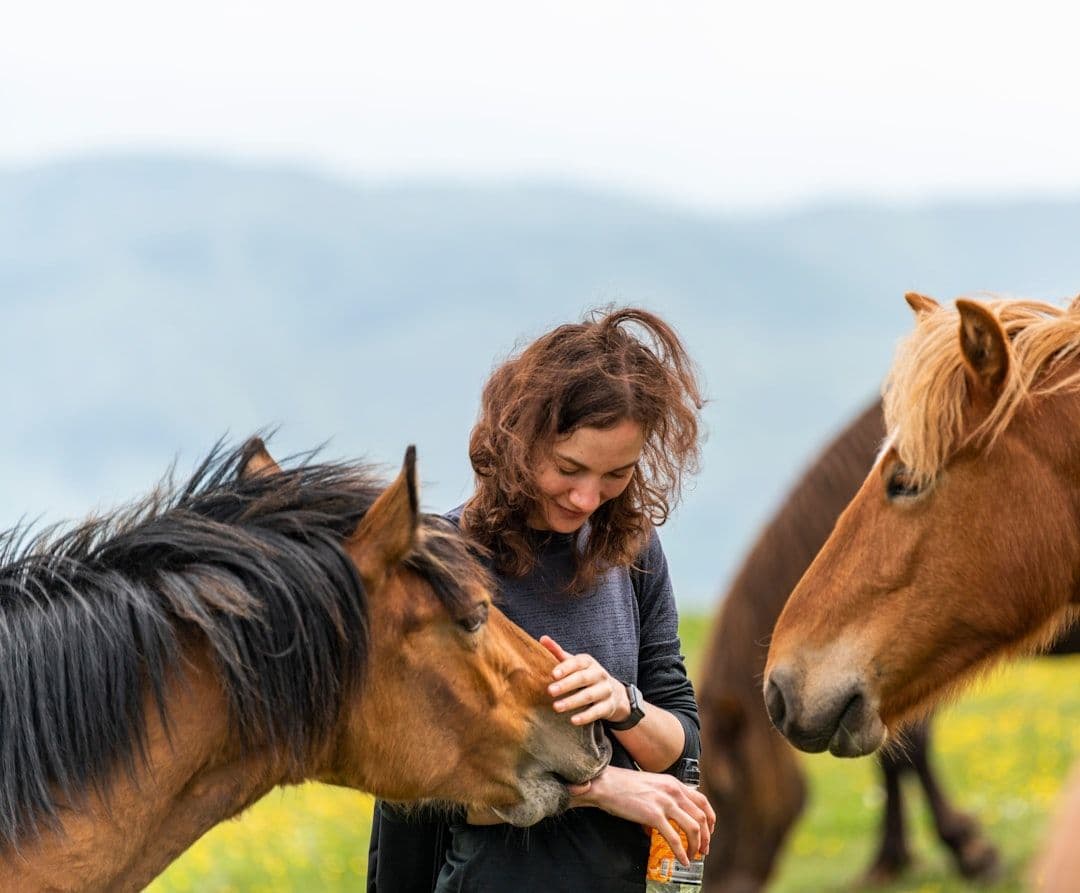
Watch a horse receiving Reiki and you might notice something subtle yet profound: the animal's breathing deepens, muscles soften, and that familiar tension around the eyes begins to ease. A mare who has been head-shy since her rescue starts lowering her neck for the first time in months. A competition horse stops pawing restlessly in his stable.
Equine Reiki applies the gentle energy healing principles of traditional Reiki specifically to horses, recognising these sensitive animals' capacity to receive and respond to subtle energetic support. Practitioners work with their hands placed lightly on the horse's body or held just above the skin, channelling what Reiki tradition calls universal life energy to areas where the animal needs support.
From Human Healing to Horses
Reiki originated in early 20th-century Japan through Mikao Usui's spiritual practices, developing into a system of energy healing that spread globally. As Reiki gained recognition for its gentle, non-invasive approach with humans, animal lovers began adapting the practice for their companions.
Equine Reiki emerged as horse owners and practitioners recognised that these intuitive animals seemed particularly responsive to energetic work. Unlike domestic pets, horses' size and sensitivity created unique considerations: their flight response, their herd dynamics, and their capacity to mirror human emotions all influenced how Reiki needed to be approached.
The practice has evolved to incorporate deep understanding of equine behaviour alongside traditional Reiki principles. Modern Equine Reiki practitioners often combine their energy work training with extensive horse experience, creating a specialised field that respects both the spiritual foundations of Reiki and the practical realities of working with large, powerful animals.
Energy Work Meets Equine Sensitivity
Within the Reiki framework, practitioners understand themselves as conduits for universal life energy, which flows through their hands to where the horse needs it most. The horse is believed to be an active participant in this process, drawing energy according to its own needs rather than having healing imposed upon it.
Practitioners describe feeling warmth, tingling, or pulsing in their hands during sessions, while horses often display behaviours suggesting deep relaxation: lowered heads, softened eyes, rhythmic chewing, or even lying down. Some animals appear to direct practitioners to specific areas of their body by positioning themselves or moving closer.
From a broader perspective, the practice recognises horses' documented sensitivity to human emotions and energy states. Research has shown horses can detect subtle changes in human heart rate variability and stress hormones, suggesting these animals may indeed perceive energetic shifts that humans cannot measure through conventional means. The relaxation response many horses show during sessions might reflect their natural tendency to synchronise with calm, focused human presence.
Who Benefits from Equine Reiki
Competition horses dealing with performance pressure often show signs of stress that conventional training cannot address alone. These animals may benefit from the deep relaxation and emotional reset that Reiki sessions can provide, particularly during intense training periods or after difficult competitions.
Rescue horses carrying emotional trauma frequently respond well to Reiki's gentle, non-demanding approach. Animals who have experienced abuse, neglect, or multiple home changes may find the practice helps them develop trust and emotional stability alongside proper rehabilitation and training.
Horses recovering from injury or illness sometimes show improved comfort levels during Reiki sessions. While the practice never replaces veterinary treatment, many owners report their animals appear more settled during recovery periods, with better appetite and sleep patterns following energy work sessions.
A Session in the Stable
Equine Reiki sessions typically begin with the practitioner spending time simply being present with the horse, allowing the animal to acknowledge and accept their presence. The horse usually remains loose in a stable or small paddock, free to move away if it chooses.
The practitioner places their hands gently on areas where they sense the horse needs support, or where the owner has identified concerns. Common hand positions include the poll, neck, shoulders, back, and legs, though practitioners follow the horse's responses and preferences. Sessions last between thirty to sixty minutes, with the horse's behaviour guiding the duration.
Many horses show immediate signs of relaxation: heads lowering, eyes softening, and breathing deepening. Some animals lean into the touch, while others prefer the practitioner to work with hands held slightly away from their body. The practitioner maintains a meditative state throughout, focusing intention on supporting the horse's highest good while remaining alert to the animal's responses and any safety considerations.
Finding Qualified Practitioners
Equine Reiki practitioners should combine proper Reiki training with substantial horse experience. Look for practitioners certified through recognised Reiki organisations such as the UK Reiki Federation, with additional training specifically in animal or equine applications.
Equally important is the practitioner's comfort and competence around horses. They should understand equine behaviour, safety protocols, and when to step back if a horse becomes unsettled. Many qualified practitioners have backgrounds in horse care, training, or veterinary support.
Sessions typically cost between £40-£80, depending on location and the practitioner's experience. Most practitioners recommend an initial series of three to four sessions spaced a week apart, though some horses respond after a single session. Always ensure any practitioner works alongside your veterinary care rather than as a replacement for professional medical attention.