What it is
Equine Reiki channels calming energy to horses, supporting relaxation, balance, and recovery.
Equine Reiki is an energy healing modality adapted from traditional Reiki practice, applied specifically to support horses' emotional and...
At a glance
What it is
Equine Reiki channels calming energy to horses, supporting relaxation, balance, and recovery.
Why explore it
Many owners turn to it for stress relief around travel, rehoming, or as a gentle complement to vet care.
How it’s experienced
A practitioner works quietly beside the horse, offering gentle touch while letting the animal lead the session.
Evidence context
Benefits are mostly anecdotal with no clinical trials, so approach it with open but realistic expectations.
See the evidence snapshotSafety
It is non-invasive and low-risk, but always see a vet first and never use it as a replacement for medical care.
See staying safeHistory & Origin
Equine Reiki offers energy healing techniques to support the emotional and physical well-being of horses.
Reiki originated in early 20th-century Japan, developed by Mikao Usui as a spiritual healing practice based on the concept of channeling universal life energy (ki) through a practitioner's hands. The practice spread throughout the world and became adapted for various applications beyond human health. Equine Reiki emerged in the late 20th century as practitioners began applying Reiki principles to animals, particularly horses, recognizing that equines are sensitive to energy work and may benefit from similar calming and supportive approaches used in human Reiki.
The adaptation of Reiki for horses developed alongside broader interest in complementary therapies for animal wellness. Equine practitioners noted that horses appeared responsive to energy work, exhibiting signs of relaxation, reduced tension, and improved emotional states following sessions. While formal training programs for Equine Reiki emerged from the early 2000s onward, the modality remains rooted in traditional Reiki philosophy rather than a horse-specific framework. Today, Equine Reiki is practiced by certified Reiki practitioners who work with horses, often alongside conventional veterinary care and other complementary equine therapies.
Mechanism
Equine Reiki is best framed as a traditional, symbolic, energetic, reflective, or spiritual practice rather than a validated medical mechanism. Practitioners may use ritual, attention, sound, imagery, touch-free work, cards, symbols, prayer, or intention to support meaning-making and a sense of connection. People may explore it for reflection, calm, or spiritual context, while health claims should remain cautious and personal. A practitioner places their hands on or near a horse's body, intending to channel universal life energy (ki) through their hands to the animal.
Your first visit
A typical session outline to help you feel prepared
A gentle, energy-based session where a practitioner channels calming Reiki energy to support your horse's wellbeing, guided entirely by the horse's own comfort and response.
You'll share your horse's background, recent behaviors, and any areas of concern so the practitioner can tailor the session to where support is most needed.
The practitioner spends quiet, unhurried time near your horse, observing posture, expression, and body language to get a sense of their energy and emotional state before anything begins.
Before making contact, the practitioner grounds and centers themselves, setting a calm intention and opening to the flow of Reiki energy so they can offer it clearly to your horse.
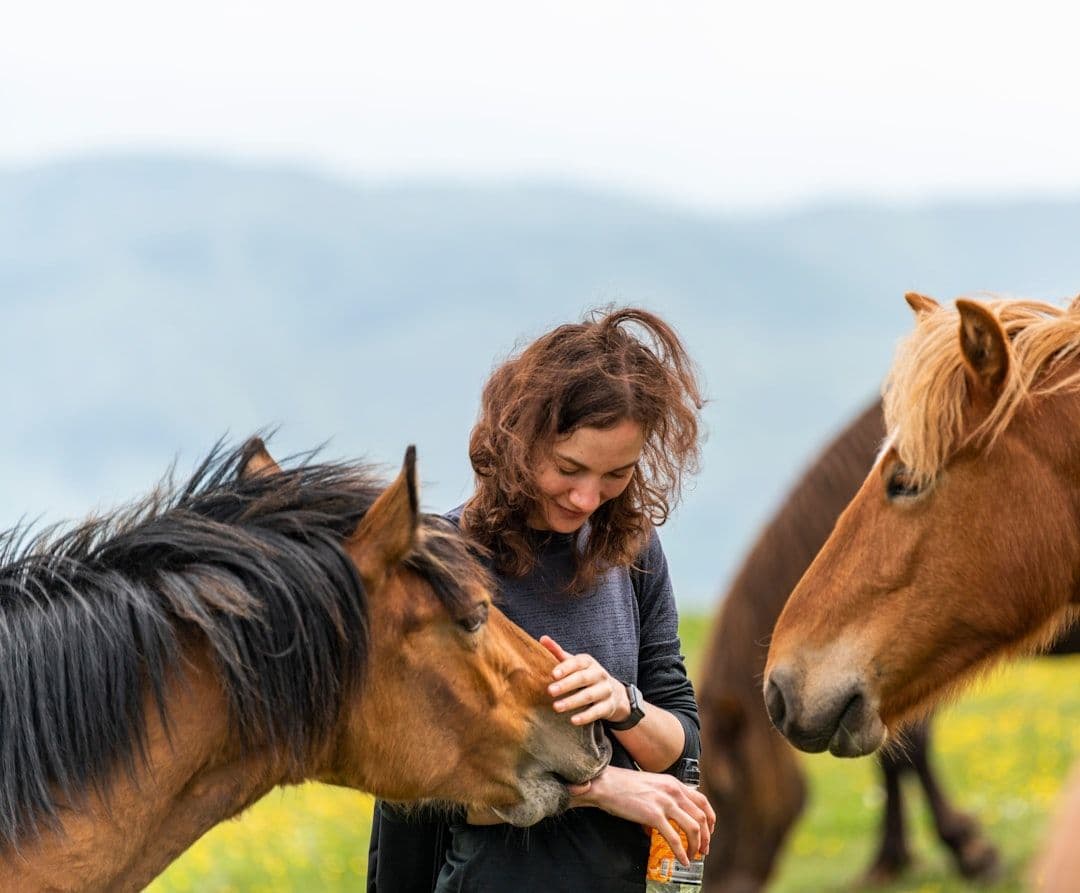
Rather than approaching directly, the practitioner offers energy from a respectful distance, allowing your horse to lean in, move away, or simply settle — the horse always leads the pace.
Using hands held gently above the body or with light touch, the practitioner channels Reiki along your horse's back, neck, hindquarters, and other areas, following the horse's responses as a guide.
You may notice your horse yawning, blinking slowly, dropping their head, sighing, or shifting weight — these are signs the horse is receiving and processing the energy in a meaningful way.
The practitioner gently draws the session to a close, grounding the energy and giving your horse a quiet moment to integrate before any movement or interaction resumes.
The practitioner shares observations about what they noticed energetically, answers your questions, and helps you think through whether follow-up sessions or complementary care might be beneficial.
The Evidence
What the research says about Equine Reiki, and where the evidence currently stands.
Anecdotal support; formal research is very limited
Equine Reiki is rooted in traditional energy healing principles and supported mainly by owner reports and practitioner observation. Controlled scientific studies specific to this modality are scarce, and its mechanisms fall outside conventional physiology.
No robust clinical trials have specifically measured Equine Reiki's effects. Broader research on calm handling and light touch in horses has shown reductions in cortisol and heart rate, but these findings cannot be directly attributed to Reiki. The evidence base remains at the level of traditional use and owner testimony.
Practitioners work with the whole animal, attending to signs of tension, anxiety, and behavioral stress alongside physical concerns. This holistic orientation aligns with growing interest in integrative animal care, though it should always sit alongside, not in place of, conventional veterinary assessment and management.
Developed by Mikao Usui, Reiki is based on channeling universal life energy through a practitioner's hands. Its application to horses emerged in the late 20th century, with formal equine training programs developing from the early 2000s. The modality remains grounded in traditional philosophy rather than biomedical frameworks.
Animal studies face particular hurdles, including difficulty controlling for handler effects, lack of standardised equine outcome measures, and variability in practitioner technique. The core concept of universal life energy has no established mechanistic explanation in conventional physiology. Outcomes reported by owners may reflect relaxation responses to calm handling rather than energy transfer specifically.
Horses showing acute lameness, unexplained behavioral changes, signs of illness, or recent injury should be assessed by a veterinarian before any complementary session. Work only with practitioners experienced in equine behavior and safety. Equine Reiki is best used as a complement to veterinary care, not a substitute for professional assessment or management of medical conditions.
Look for practitioners with recognised Reiki training and demonstrated knowledge of horse handling and behavior. There is no single universal regulatory body for Equine Reiki, so credentials and experience vary. A good practitioner will work collaboratively with your veterinary team and will not make inflated outcome claims about what sessions can achieve.
Safety first
General guidance to help you decide whether this approach is appropriate for you. This is informational only and not a substitute for medical, psychological, or professional advice.
If your animal is unwell, injured, recovering from surgery, or on medication, check with a qualified veterinarian before booking a session.
Some situations call for extra care or a different approach. Share any conditions, injuries, or sensitivities with your practitioner before your first session.
Look for clear boundaries, transparent pricing, and practitioners who avoid fear-based claims or pressure to book frequent sessions.
Watch your animal for tenderness, tiredness, or changes in behaviour afterwards, and contact the practitioner or your vet if anything seems off.
For you?
A simple, human way to weigh it up. This is general guidance, not personal medical advice — a qualified practitioner can advise on your situation.
Gyfts is a discovery platform, not a medical provider. Nothing here diagnoses, treats or replaces professional care. In an emergency, contact your local emergency number.
Explore approaches
Other practices people often explore alongside equine reiki.
In their words
FAQ
A typical session begins with a consultation about your horse's needs and history. The practitioner then uses light touch or hands held slightly above the horse's body to channel healing energy. Sessions generally last 30-60 minutes. Many horses show visible relaxation through lowered head, soft eyes, yawning, or rhythmic chewing. After the session, most horses appear calm and peaceful, and some benefit from rest time to integrate the experience.
The number of sessions depends on your horse's individual needs and goals. Acute situations (stress, recent illness, injury) may benefit from 2-4 sessions over several weeks. Chronic conditions or ongoing support may require monthly or bi-monthly maintenance sessions. Your practitioner will assess your horse's response and recommend a plan tailored to your situation.
No. Equine Reiki should always complement, never replace, veterinary care. If your horse has a medical condition, injury, or unexplained symptoms, consult your veterinarian first. Reiki can support the horse's overall well-being and may help with recovery, but it is not a treatment for diagnosed medical problems.
Equine Reiki is generally considered a low-risk modality. It is non-invasive and non-pharmaceutical. However, work with a qualified, experienced practitioner, ensure your horse is in a calm environment, and always address any medical concerns with your veterinarian first. Some horses may need gradual introduction to the practitioner or technique.
Signs of response include visible relaxation during the session (soft eyes, lowered head, yawning), calmer demeanor in the hours or days after treatment, reduced tension in the neck and shoulders, improved behavior in stressful situations, or enhanced willingness to engage during work. Some changes may be subtle; your practitioner can help you recognize shifts in your horse's state.
Look for practitioners who are certified in Reiki (typically at Reiki Master level or higher) and have specific training or experience working with horses. They should demonstrate understanding of equine behavior, body language, and handling. Ideally, they work collaboratively with veterinarians and other equine professionals, and can provide references from satisfied clients.
References
Educational sources that inform this overview. Inclusion is for context and does not imply endorsement.
Full citations are maintained by the Gyfts editorial team and reviewed periodically.
Keep exploring
Browse practitioners, explore honest overviews, and take what you learn to a conversation — at your own pace.