The Resonant Bronze Circle
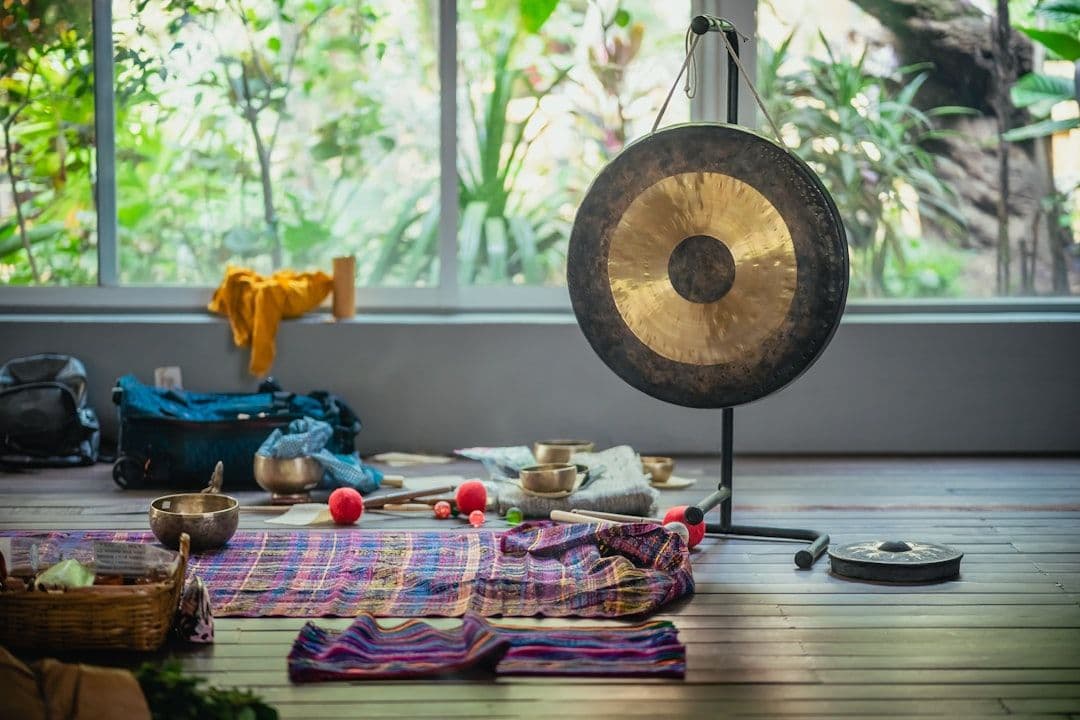
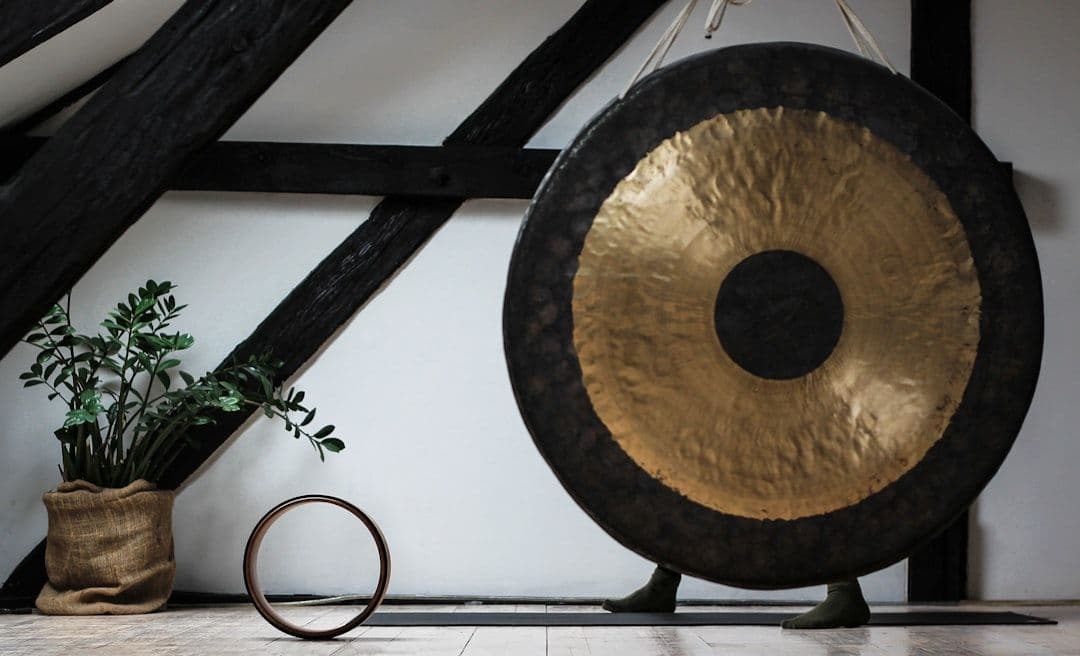
Picture a bronze disc the size of a car wheel, suspended from a wooden frame. When struck with a felt mallet, it releases not just sound but waves of vibration that seem to move through your bones. This is the gong — an instrument that transforms simple percussion into complex acoustic medicine.
Gong therapy sessions create immersive soundscapes where participants lie on yoga mats or massage tables whilst practitioners play various gongs. The sounds begin softly, building into rich layers of harmonics that wash over and through you. Many describe the experience as being "bathed in sound" — a sensation quite different from simply hearing music.
Ancient Metallurgy Meets Modern Stress
Gongs originated in ancient China around 500 BCE, crafted from bronze alloys that created distinctive acoustic properties. Traditional Chinese medicine understood these instruments as tools for harmonising qi (life energy) and clearing energetic blockages. The practice spread throughout Asia, with different cultures developing unique gong-making techniques and therapeutic applications.
Contemporary gong therapy emerged in the West during the 1960s, blending ancient metallurgy with modern understanding of sound healing. Practitioners today often combine traditional Asian gongs with newer instruments designed specifically for therapeutic use, creating sessions that honour ancestral wisdom whilst addressing contemporary wellness needs.
Waves of Transformation
Within traditional frameworks, gong vibrations are understood to penetrate cellular structures, helping to release energetic blockages and restore natural flow patterns. Practitioners work with the concept that different frequencies affect different aspects of being — physical, emotional, and spiritual layers responding to specific acoustic ranges.
From a biomedical perspective, the complex sound waves may influence brainwave activity, potentially shifting consciousness from beta (active thinking) toward theta and delta states associated with deep meditation and restorative sleep. The parasympathetic nervous system — responsible for rest and digestion — appears to activate during prolonged exposure to these resonant frequencies. Some participants report physical sensations of vibration moving through their bodies, whilst others experience profound mental stillness.
The sustained, evolving nature of gong sounds creates what practitioners call "acoustic massage" — waves of vibration that may help release physical tension whilst supporting mental clarity.
Who Finds Their Rhythm Here
Gong therapy particularly suits people who find traditional meditation challenging. If sitting still with your thoughts feels impossible, the immersive nature of gong sessions can provide an easier entry point into meditative states. The sound gives your mind something to follow rather than fighting to achieve emptiness.
Those carrying chronic stress in their bodies often find relief through this non-verbal approach. Unlike talk therapy, gong sessions require no processing or analysis — simply receptivity to acoustic waves. People dealing with anxiety, insomnia, or feeling stuck in repetitive thought patterns frequently report breakthrough experiences.
Individuals exploring spiritual practice beyond religious frameworks may discover gong therapy offers profound experiences without requiring specific beliefs. The practice works through direct sensation rather than conceptual understanding.
Inside the Sound Chamber
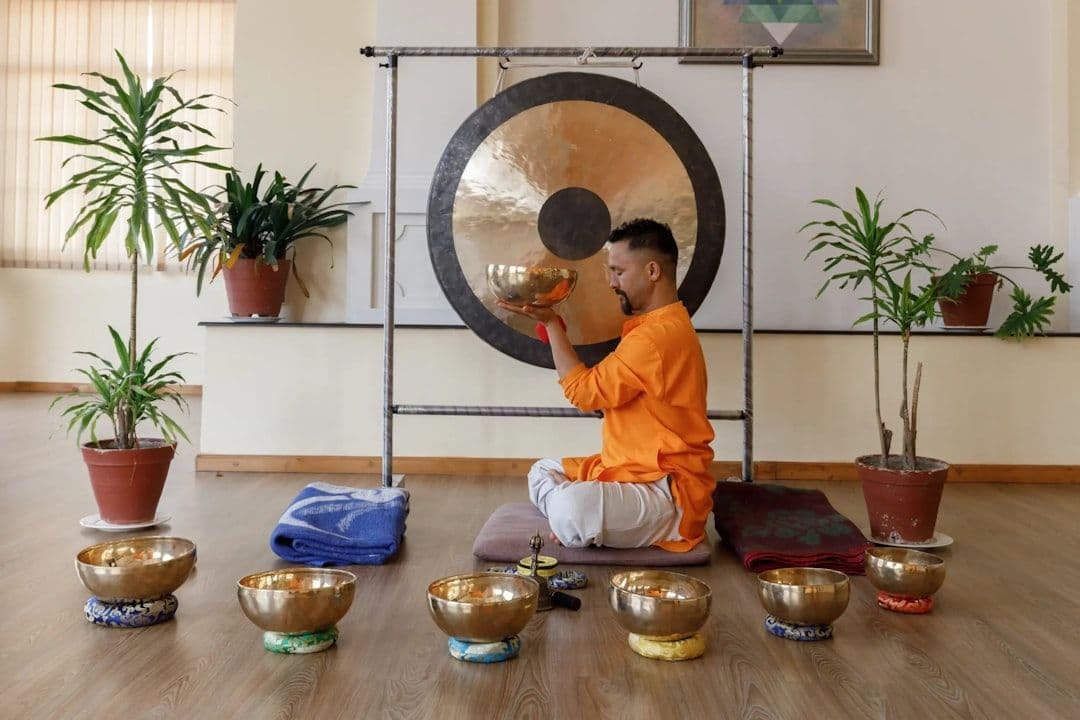
Most sessions begin with participants lying comfortably on yoga mats, often with blankets and eye pillows. The practitioner typically starts with gentle strikes on smaller gongs, gradually introducing larger instruments as the session deepens. Sessions usually last 60-90 minutes, though shorter experiences are available.
The soundscape evolves organically — not following a predetermined score but responding to the acoustic needs of the space and participants. Experienced practitioners read the energy of the group, adjusting volume, rhythm, and gong selection accordingly. Some sessions incorporate chimes, Tibetan singing bowls, or other instruments alongside the gongs.
Many people enter deeply relaxed states, sometimes falling asleep. Others remain conscious but report altered perception of time and space. It's common to feel the vibrations continue resonating in your body even after the gongs stop playing.
Finding Your Sound Healer
Individual gong therapy sessions typically cost £60-120, with group sessions ranging from £20-40 per person. Most practitioners recommend starting with weekly sessions for 4-6 weeks, then spacing them fortnightly or monthly as desired.
Look for practitioners who have completed recognised gong therapy training programmes and can discuss their approach to working with sound healing. Many are registered with the Complementary & Natural Healthcare Council (CNHC) or Federation of Holistic Therapists (FHT). Ask about their experience, training lineage, and approach to creating safe therapeutic spaces.
Some practitioners offer taster sessions or shorter experiences to help you determine if this modality suits you. Many yoga studios and wellness centres now host group gong sessions, providing an accessible introduction to this ancient practice.