What it is
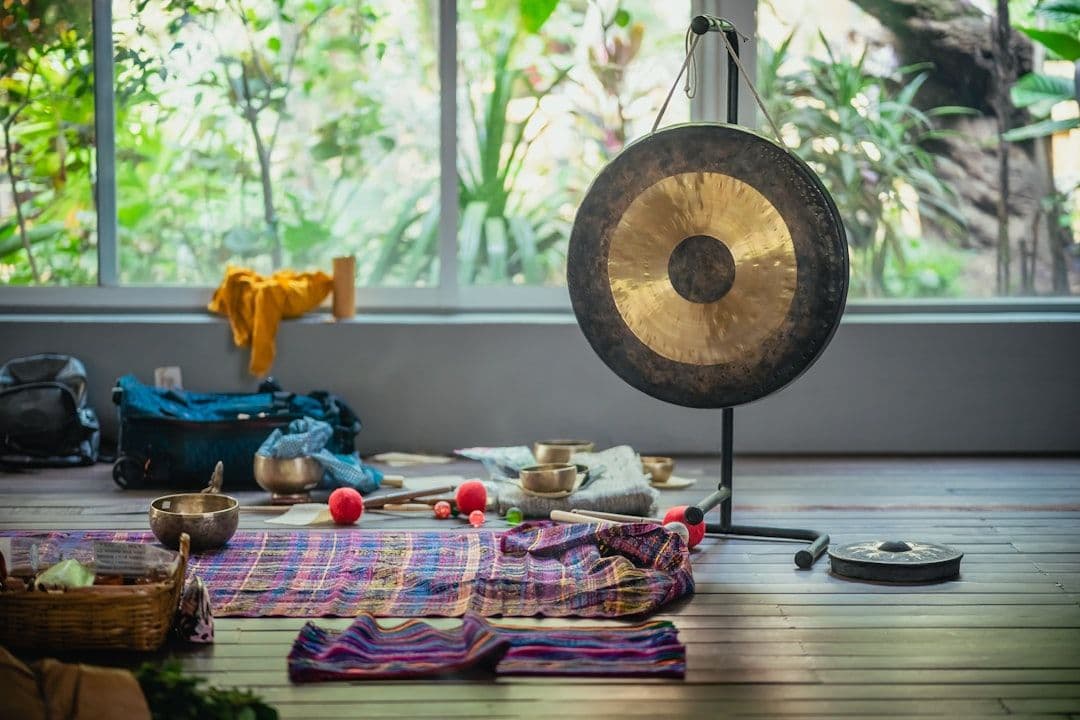
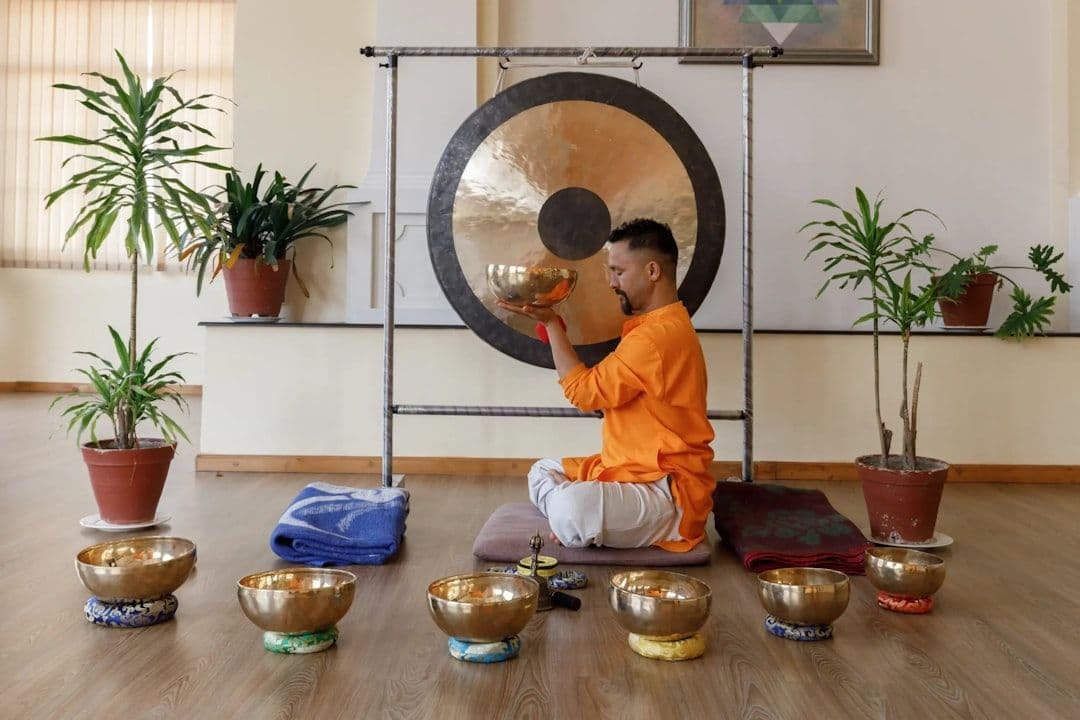
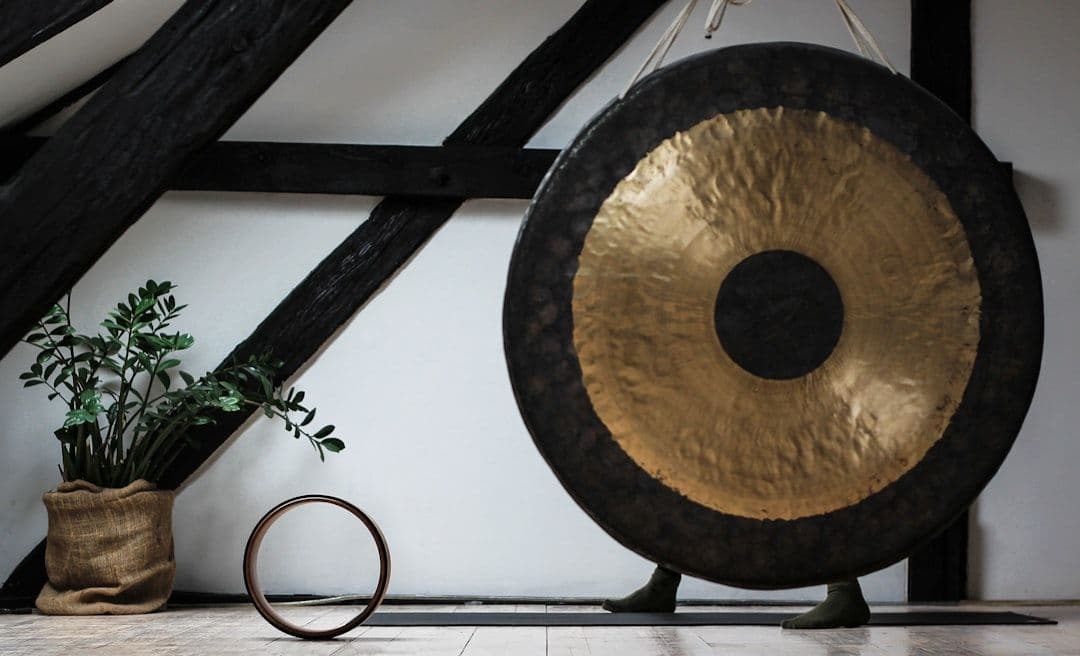
Gong therapy uses rich, resonant sound from large metal gongs to guide you into deep relaxation.
Gong Therapy is a sound healing practice that uses the vibrations and resonance of gongs to promote deep relaxation, stress reduction, an...
At a glance
What it is
Gong therapy uses rich, resonant sound from large metal gongs to guide you into deep relaxation.
Why explore it
Many seek it out for stress relief, better sleep, emotional ease, and a deeper sense of calm.
How it’s experienced
You rest while a practitioner plays gongs nearby, letting waves of sound and vibration wash over you.
Evidence context
It's rooted in tradition rather than clinical research, so reported benefits reflect personal experience.
See the evidence snapshotSafety
Generally safe for healthy adults, though those with epilepsy, tinnitus, or pacemakers should check first.
See staying safeHistory & Origin
Gong Therapy involves the therapeutic use of gongs, often in sound healing sessions, to promote relaxation and healing.
Gongs have been used in spiritual and healing practices for thousands of years, with origins traced to Asia, particularly in China, Indonesia, and other Southeast Asian cultures. In traditional contexts, gongs were employed in religious ceremonies, meditation practices, and healing rituals, valued for their ability to produce complex, evolving soundscapes. The modern therapeutic application of gong sound emerged in the mid-20th century as Western interest in Eastern healing modalities grew, with practitioners beginning to document and formalize gong-based sound therapy.
The contemporary practice of Gong Therapy as a complementary health modality developed significantly from the 1960s onwards, as yoga studios, holistic health centers, and alternative wellness practitioners incorporated gong sessions into their offerings. Key figures in popularizing gong therapy in the West include sound healers and meditation teachers who documented the phenomenological experiences of practitioners and began publishing research on sound vibration effects. The practice gained further traction through the broader sound healing movement, which encompassed singing bowls, tuning forks, and other vibrational instruments.
Today, Gong Therapy is offered in wellness centers, yoga studios, spas, and by independent sound healing practitioners worldwide. The modality has been integrated into some complementary health frameworks and continues to attract interest from both practitioners seeking alternative therapeutic tools and individuals interested in meditation and stress reduction. While rooted in traditional Asian practices, modern gong therapy has evolved as an eclectic practice that borrows from various cultural traditions and contemporary sound healing philosophies.
Mechanism
Gong Therapy is generally framed as a guided process for attention, reflection, learning, and emotional integration. Depending on the method, a practitioner may use conversation, imagery, structured exercises, body awareness, or therapeutic techniques to help the person explore patterns and choices. It should not be presented as a standalone solution or a substitute for urgent care, but it may support self-understanding when practiced within an appropriate scope. Gong therapy relies on the production of complex, layered sound frequencies when a gong is struck.
Your first visit
A typical session outline to help you feel prepared
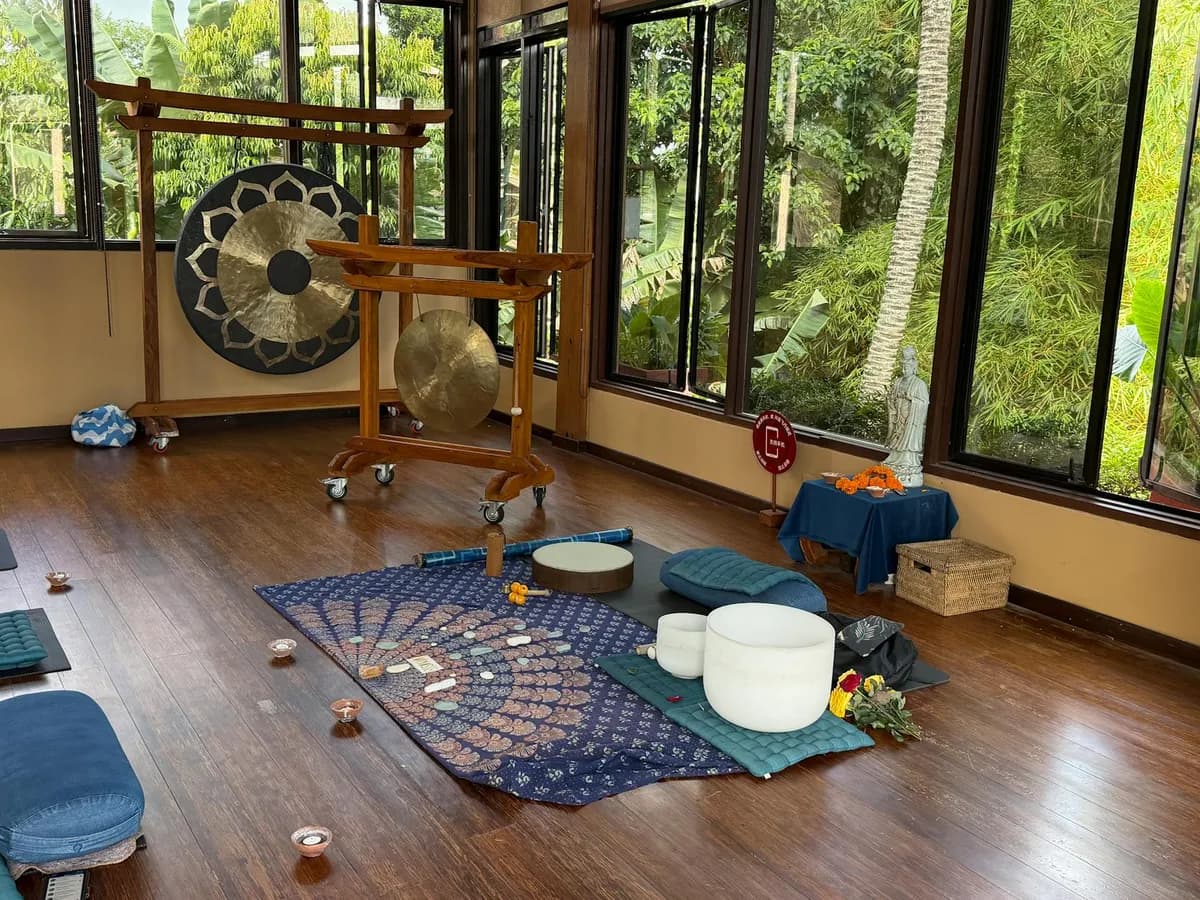
You'll lie fully clothed on a mat while a practitioner plays large gongs around you, building waves of sound designed to guide you into deep relaxation and inner stillness.
Your practitioner greets you and asks about your stress levels, sleep, emotional state, and what you're hoping to experience. This helps them tailor the gong tones and rhythm to your needs today.
You'll be invited to set a personal intention for the session, such as releasing tension or finding clarity. This quiet focusing moment helps you arrive mentally and signals the start of the experience.
You'll lie down on a padded mat, often with a bolster under your knees and a blanket over you. Wear loose, comfortable clothing since you won't move during the session, and the room may be cool.
The practitioner starts with soft, slow strikes on the gong, letting gentle single tones wash over the room. These quiet sounds help your nervous system begin to settle before the fuller soundscape builds.
Layered gong tones swell and recede in waves, sometimes deep and rumbling, sometimes shimmering and high. You may feel vibrations moving through your body, and many people drift into a dream-like or meditative state.
The practitioner gradually softens the playing and lets the final tones fade into complete quiet. This silence is intentional and gives your body and mind time to absorb the experience before you move.
You'll be guided back to full awareness slowly, often with soft verbal cues or a gentle bell. Take your time sitting up, as you may feel floaty, spacey, or deeply calm for several minutes afterward.
Your practitioner may briefly check in about what you noticed during the session and offer simple suggestions for the rest of your day, like drinking water and avoiding overstimulation.
The Evidence
What research and tradition tell us about Gong Therapy — and where the honest limits of current knowledge sit.
Rooted in tradition, with early-stage modern interest
Gong Therapy has deep roots in Asian spiritual and ceremonial practice. Formal research is very limited, and most modern evidence comes from small studies and practitioner observation rather than rigorous trials.
Practitioners and participants often describe gong sessions in terms of energetic release, expanded awareness, or subtle inner movement. These are experiential and meaning-based accounts rather than clinically measurable outcomes. Gyfts presents this as a valid dimension of the practice without translating it into clinical language it was never intended to carry.
In Chinese, Indonesian, and broader Southeast Asian traditions, gongs were used in ritual, meditation, and community healing contexts. Their modern therapeutic form emerged in the West from the 1960s onward, shaped by growing interest in Eastern contemplative practices. This long history of use informs the practice's cultural depth, even where formal research is absent.
A small number of studies have explored physiological responses to gong sound, including relaxation-associated changes, but these typically involve small samples, no control groups, and mixed settings. Broader sound therapy research offers some indirect context, though findings cannot be straightforwardly applied to gong therapy as a distinct practice. Evidence is preliminary at best.
Most gong sessions combine sound with guided relaxation, breathing, and a supportive setting. Existing studies rarely isolate the gong itself as the active element. This makes it difficult to attribute any observed effects specifically to gong therapy. Inflated outcome claims should be viewed with caution, and the practice is not a substitute for professional assessment or care.
People with epilepsy, sound sensitivity, tinnitus, or hearing conditions should speak with a healthcare provider first. Those with untreated trauma or significant mental health concerns should consult their mental health practitioner, as intense sound may prompt unexpected emotional responses. Pregnant individuals are advised to seek guidance from their provider before attending.
Training backgrounds vary widely. Look for practitioners who are transparent about their training, session format, and sound intensity levels. A good practitioner will welcome questions, accommodate individual needs such as hearing concerns, and will not make inflated claims about what gong therapy can achieve. It should always complement, not replace, qualified professional care.
Safety first
General guidance to help you decide whether this approach is appropriate for you. This is informational only and not a substitute for medical, psychological, or professional advice.
If you are experiencing severe distress, suicidal thoughts, psychosis, acute trauma, or another serious mental health concern, seek qualified support first.
This approach is not suitable for diagnosis, treatment instructions, or decisions that require medical, legal, financial, or professional advice.
Look for clear boundaries, transparent pricing, and practitioners who avoid fear-based claims or pressure to book frequent sessions.
Treat any insight as one reflective perspective, not absolute truth. Important decisions should be considered with appropriate professional support.
For you?
A simple, human way to weigh it up. This is general guidance, not personal medical advice — a qualified practitioner can advise on your situation.
Gyfts is a discovery platform, not a medical provider. Nothing here diagnoses, treats or replaces professional care. In an emergency, contact your local emergency number.
Explore approaches
Other practices people often explore alongside gong therapy.
In their words
FAQ
You recline or sit comfortably in a safe space while the practitioner plays one or more gongs using various techniques and mallets. The gong produces rich, complex vibrations and harmonics that create an immersive soundscape. The experience typically lasts 30 to 60 minutes. Many people enter a deeply relaxed, meditative state and may experience vivid imagery, emotional release, or a sense of floating. After the gong sounds fade, you rest briefly before gradually returning to normal awareness.
Benefits can sometimes be felt after a single session, but many practitioners recommend an initial series of weekly or biweekly sessions over 4 to 8 weeks to establish deeper effects. Individual responses vary significantly; some people feel profound effects immediately while others notice gradual improvements over time. After an initial phase, some people continue with periodic maintenance sessions, while others find that initial series sufficient.
For most healthy individuals without contraindications, gong therapy is considered a low-risk modality. However, those with seizure disorders, severe hearing impairments, untreated trauma, or electronic medical implants should consult a healthcare provider first. The intense sound and vibration can occasionally trigger emotional responses or temporary disorientation. Choose a trained, experienced practitioner and communicate your health history clearly.
No. Gong Therapy is a complementary modality intended to support relaxation and general well-being, not to diagnose, treat, or cure medical conditions. It should never replace conventional medical care for any health condition. If you have a medical or mental health condition, consult your healthcare provider and discuss whether gong therapy could complement your treatment plan.
During a session, common experiences include deep relaxation, peace, heaviness or weightlessness, vivid imagery, emotional release, or a trance-like state. After the session, you may feel calm, peaceful, drowsy, or emotionally processed. Some people experience delayed effects—enhanced calm or emotional shifts hours or days later. Responses are highly individual; some feel immediate effects while others notice subtle shifts over multiple sessions.
Yes. Different gongs produce distinct frequencies and tonal qualities. Wind gongs, chau gongs, and planetary gongs are among the types used therapeutically. Some practitioners specialize in specific gong types or tuning systems believed to affect different energy centers or frequencies. The choice of gong often depends on the practitioner's training, philosophy, and your individual needs. Ask your practitioner about the gongs they use and their intended effects.
Listening to gong recordings can be relaxing and may offer some benefits of sound exposure. However, many practitioners believe that live sessions provide more nuanced vibrations, personalized pacing, and a deeper therapeutic presence that recordings cannot replicate. The immediate feedback and safety monitoring of a live session is also valuable. Recordings may complement but not fully replace in-person sessions.
Research on gong therapy specifically is limited, though studies on sound therapy, vibration, and meditation more broadly provide some supportive evidence for relaxation and stress reduction. Most existing gong research is small-scale, lacks rigorous controls, and focuses on subjective experiences rather than measurable biomarkers. While practitioners and users report strong benefits, the evidence base remains preliminary. Gong therapy should be viewed as a complementary wellness practice rather than a scientifically proven medical treatment.
References
Educational sources that inform this overview. Inclusion is for context and does not imply endorsement.
Full citations are maintained by the Gyfts editorial team and reviewed periodically.
Keep exploring
Browse practitioners, explore honest overviews, and take what you learn to a conversation — at your own pace.