Before You Arrive
Wear loose, comfortable clothing that won't restrict your breathing or movement when lying down. Natural fibres like cotton work well, as synthetic materials can sometimes feel uncomfortable during extended periods of stillness. Avoid tight waistbands or anything that might dig in when you're horizontal.
Eat lightly beforehand — a heavy meal can make lying flat uncomfortable, whilst an empty stomach might leave you distracted by hunger. A light snack 1-2 hours before works well. Stay well hydrated throughout the day, but avoid drinking large amounts just before your session to prevent needing the bathroom mid-way through.
Avoid alcohol or recreational substances beforehand, as these can interfere with your ability to fully experience the session. Some practitioners also suggest limiting caffeine, though this isn't essential if you're a regular coffee drinker. If you take regular medications, continue as normal unless specifically advised otherwise.
The Session Itself
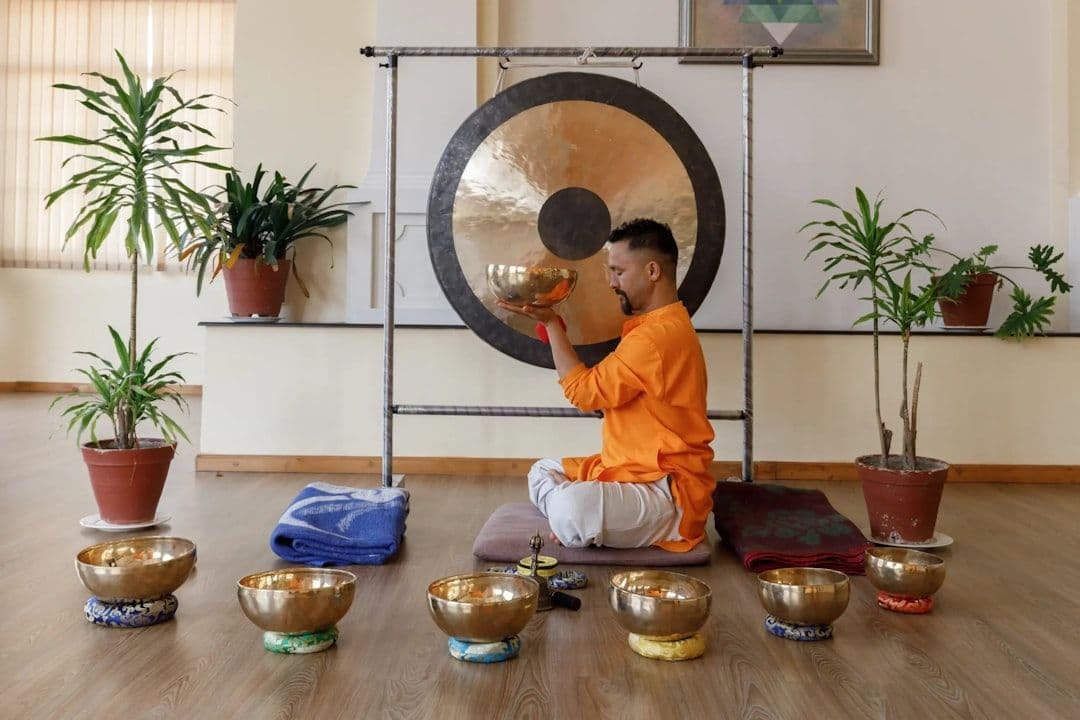
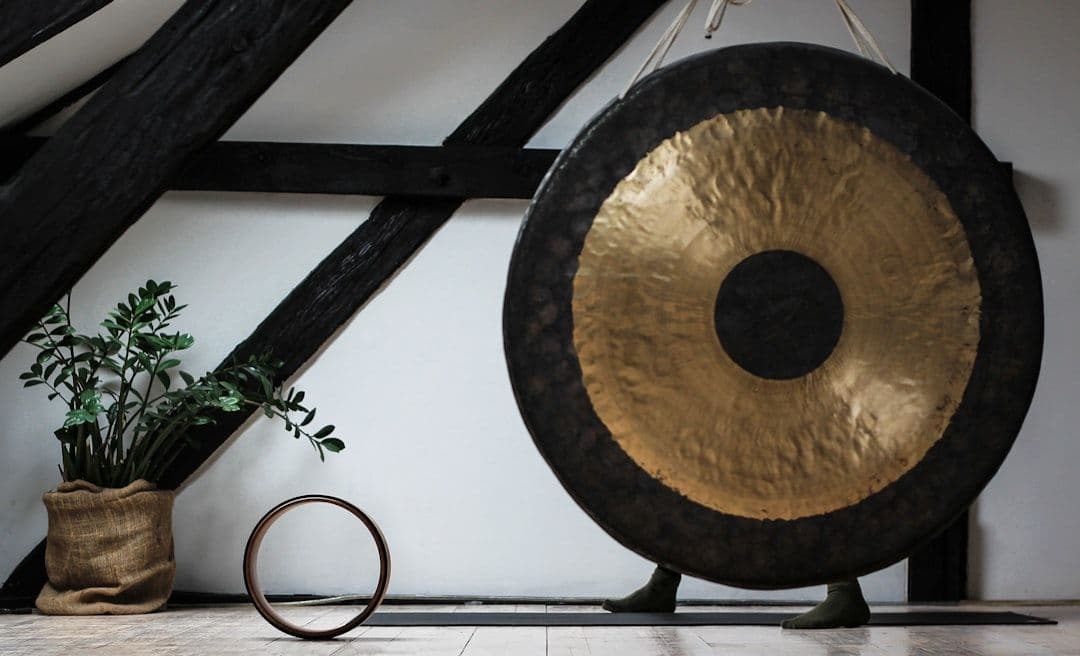
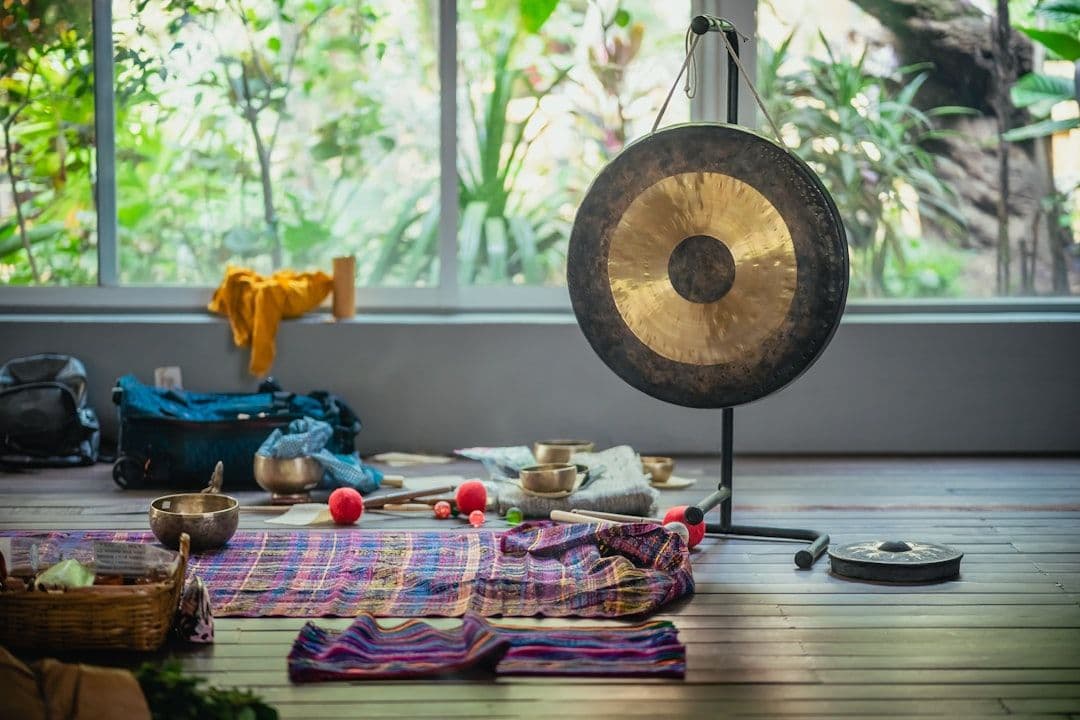
You'll typically enter a dimly lit space with yoga mats, cushions, or massage tables arranged in a circle or semi-circle around the practitioner's gongs. Most sessions accommodate 6-15 people, though some practitioners offer individual sessions. The setup usually includes several gongs of different sizes, each producing distinct tonal qualities.
After a brief introduction, you'll settle into a comfortable lying position. Many people prefer lying flat with knees slightly bent, whilst others sit supported against cushions if lying down feels uncomfortable. The practitioner may guide you through some initial breathing or relaxation techniques.
The gong playing begins gently, often with soft mallets creating subtle tones that gradually build in complexity and volume. Unlike a musical performance, there's no set rhythm or melody — instead, the practitioner creates layers of sound that ebb and flow. Some moments feature intense, washing waves of vibration, whilst others offer gentle, sustained tones.
The main sound portion typically lasts 45-60 minutes, during which the acoustic landscape continuously evolves. You might hear everything from deep, rumbling bass frequencies to shimmering higher overtones. The session usually concludes with several minutes of silence, allowing the vibrations to settle.
What You Might Experience
Physical sensations vary considerably between individuals and sessions. Many people report feeling the vibrations moving through their body — a tingling or gentle massage-like sensation as the sound waves interact with your tissues. Some experience warmth, whilst others notice areas of tension releasing or shifting.
Emotionally, responses range from profound relaxation to unexpected emotional releases. Some people drift into sleep-like states or experience vivid imagery, whilst others remain alert but deeply calm. Occasionally, participants report feeling temporarily disoriented or experiencing memories surfacing — this is considered normal within the practice.
Don't worry if your mind wanders or if you find the experience less dramatic than expected. Some people love the intensity immediately, whilst others need time to adjust to such immersive sound environments. There's no 'right' way to experience a gong session.
Afterwards, most people feel deeply relaxed, though some initially experience mild dizziness when sitting up. Take your time transitioning back to normal awareness. Many practitioners provide a few minutes for integration before you need to move or speak.
Aftercare and Integration
Drink plenty of water in the hours following your session. Many people report feeling thirsty, and staying hydrated supports the relaxation response you've activated. Avoid rushing back into intense activities immediately — give yourself at least 30 minutes to readjust.
Some people feel energised after gong therapy, whilst others experience a pleasant tiredness. Both responses are normal. If you feel sleepy, honour this and rest when possible. Avoid making important decisions for a few hours if you feel particularly spacey or detached.
Emotionally, you might notice continued effects for 24-48 hours. Some people experience improved sleep, others feel more emotionally balanced or creative. Occasionally, people report feeling slightly unsettled as the session has stirred things up — this typically resolves within a day or two.
Avoid loud environments or stressful situations immediately after your session if possible. Many people find gentle activities like walking in nature, journaling, or quiet time at home help integrate the experience.
Treatment Frequency and Course
Unlike medical treatments, there's no prescribed course for gong therapy. Many people attend sessions as needed for relaxation — perhaps monthly or during particularly stressful periods. Others incorporate it into regular self-care routines, attending weekly or fortnightly.
Some practitioners offer series of sessions designed to deepen the experience over time. These might involve 3-6 sessions over several weeks, allowing you to become more familiar with the practice and potentially access deeper states of relaxation.
Benefits are usually noticed immediately as relaxation and stress relief, though some people find the experience becomes richer with repeated sessions. You become more skilled at 'letting go' into the sound environment and may notice subtleties that weren't apparent initially.
Regular participants often report that gong therapy supports their overall wellbeing practices rather than serving as a standalone intervention. Consider it part of a broader approach to stress management and self-care rather than expecting specific therapeutic outcomes.