The Practice Itself
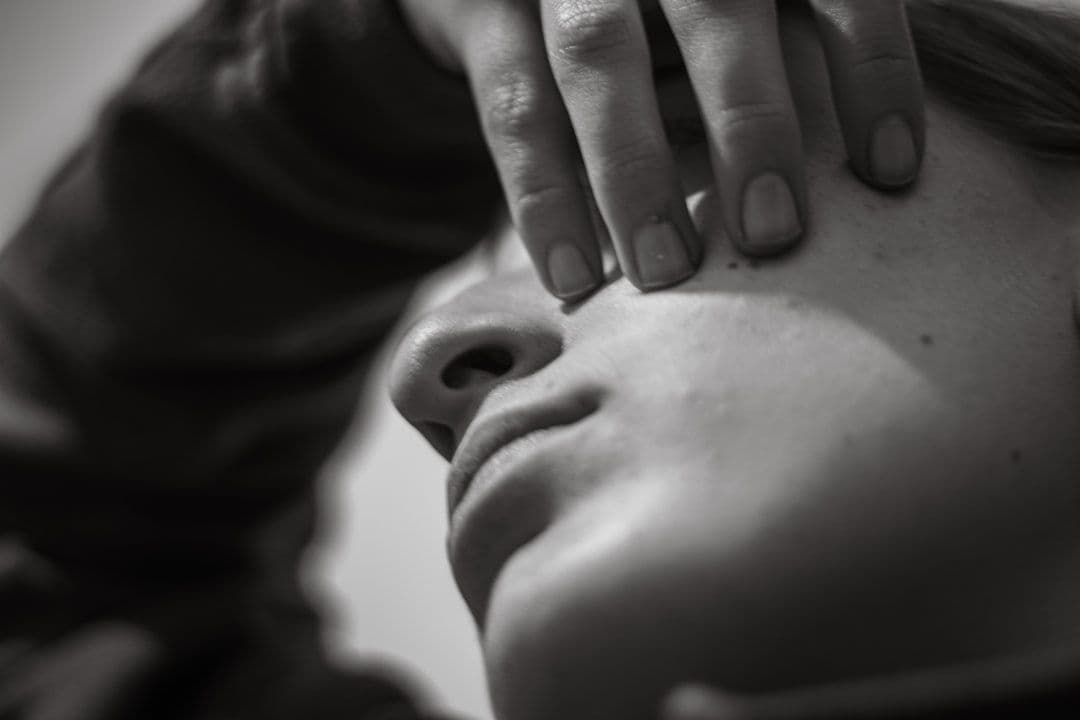
Picture skilled fingers working methodically across your scalp, applying firm pressure to specific points whilst rhythmic strokes stimulate circulation through areas that rarely receive focused attention. Head massage combines sustained pressure with flowing movements, targeting the scalp, temples, and neck region where tension tends to accumulate.
Practitioners use their fingertips, thumbs, and palms to work through layers of muscle and fascia, often incorporating gentle pulling motions on the hair itself. The technique involves both broad strokes that cover larger areas and precise work on trigger points—those tender spots that seem to hold disproportionate amounts of stress.
What distinguishes therapeutic head massage from casual scalp rubbing is the systematic approach. Practitioners follow anatomical landmarks, working from the base of the skull forward, addressing specific muscle groups that connect the head, neck, and shoulders.
Cultural Origins and Evolution
Head massage has deep roots in Indian tradition, where champi—the Hindi word from which "shampoo" derives—has been practised for centuries. In India, barbershops commonly offer head massage as part of routine grooming, and families often exchange head massage within households.
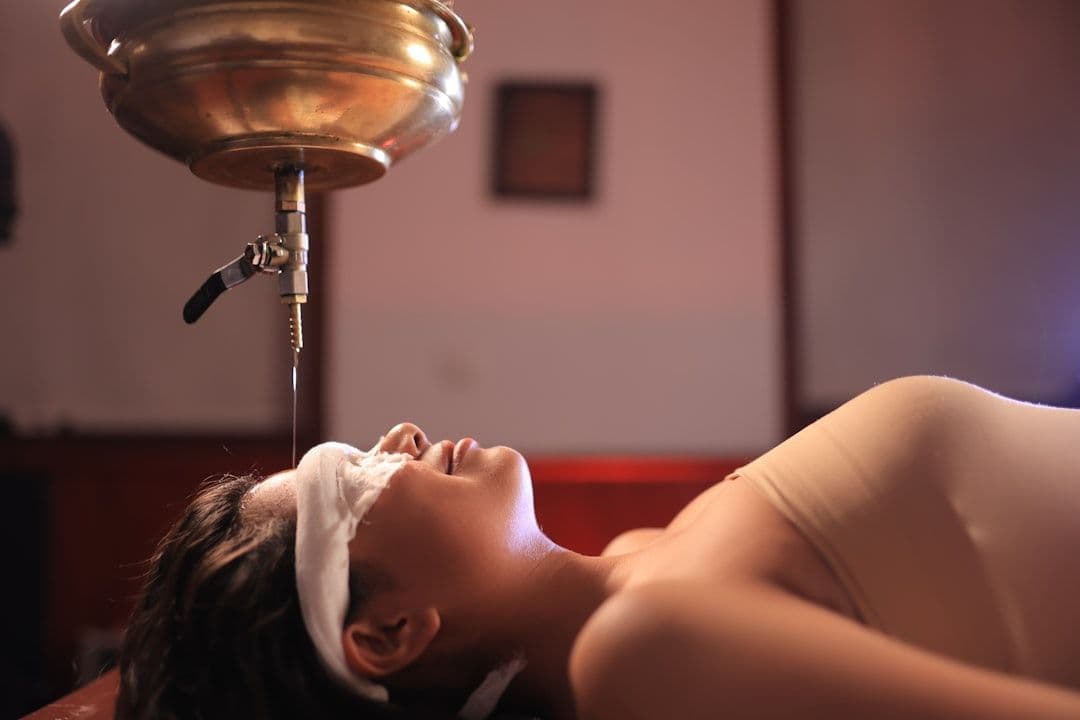
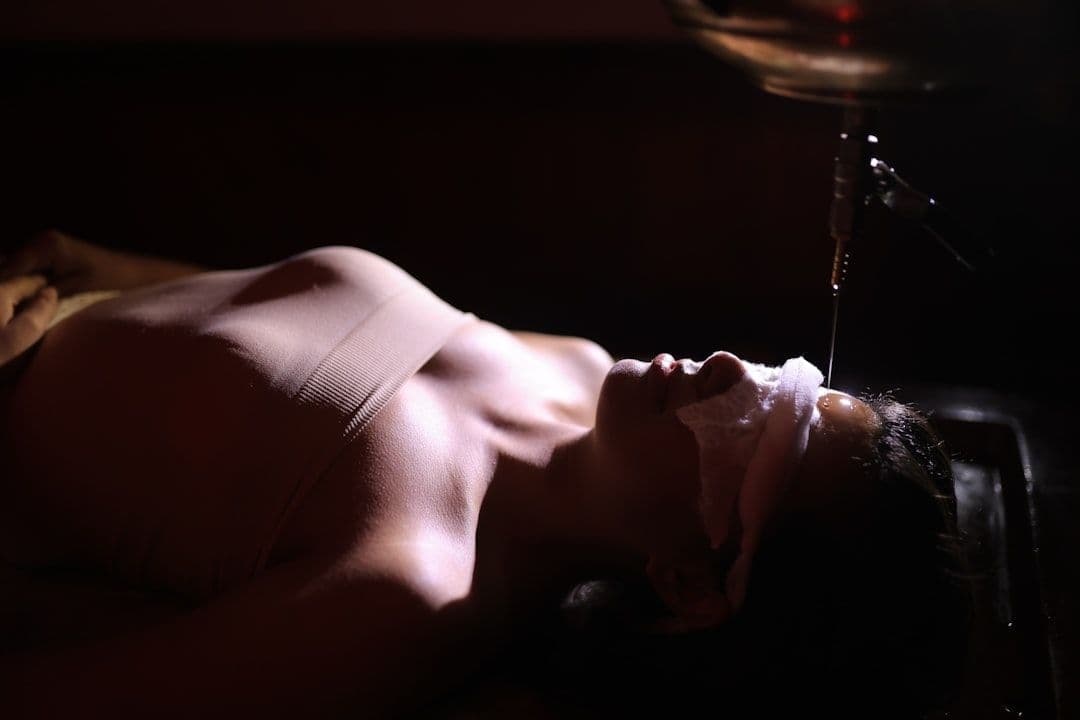
Traditional Ayurvedic medicine incorporates head massage within its broader understanding of marma points—vital energy centres believed to influence physical and mental wellbeing. These practices emphasise the connection between scalp health, hair growth, and overall vitality.
Modern therapeutic head massage draws from multiple traditions whilst incorporating contemporary understanding of anatomy and physiology. Today's practitioners often blend Indian champi techniques with Swedish massage principles, craniosacral approaches, and trigger point therapy, creating personalised treatments based on individual needs.
How Head Massage Works
Head massage applies sustained pressure and rhythmic strokes to stimulate blood flow in the cranial region whilst releasing muscular tension in areas prone to stress accumulation. The technique targets specific pressure points and trigger points, potentially easing neural tension and promoting relaxation of surrounding soft tissues.
From a physiological perspective, the mechanical pressure helps reduce muscle tightness that contributes to tension headaches and neck stiffness. The tactile stimulation activates pressure receptors in the skin, which may help override pain signals—a mechanism consistent with gate control theory.
The parasympathetic nervous system appears to respond favourably to this focused touch, with many people experiencing decreased heart rate and blood pressure during treatment. Regular stimulation of scalp circulation may also support healthy hair follicle function, though this remains an area of ongoing research.
Who Might Find This Helpful
Head massage shows particular promise for people experiencing tension-type headaches, especially those triggered by stress or muscular tension in the neck and shoulders. Office workers who spend long hours at computers often develop characteristic patterns of upper body tension that respond well to targeted scalp and neck work.
Individuals dealing with chronic stress may find the focused attention and therapeutic touch helpful for promoting relaxation and mental clarity. The practice can be particularly valuable for those who find full-body massage overwhelming or prefer treatment focused on a specific area.
People experiencing hair loss or scalp conditions sometimes seek head massage to improve circulation, though it's important to understand that while increased blood flow may support general scalp health, massage alone cannot reverse genetic hair loss or cure medical conditions.
What to Expect During Treatment
A typical session begins with the practitioner assessing your posture and asking about areas of tension or discomfort. You'll usually remain clothed, seated in a comfortable chair or lying on a treatment table with your head accessible.
The practitioner starts with gentle contact, often beginning at the base of the skull and working systematically across different regions of the scalp. Pressure varies from light, flowing strokes to deeper, more focused work on tender areas. Many practitioners incorporate neck and shoulder massage to address the interconnected muscle groups.
Sessions typically last 15-45 minutes, depending on whether head massage is the sole treatment or part of a broader session. Some practitioners use oils—coconut, sesame, or specialised blends—whilst others work on dry hair. The experience should feel relaxing rather than painful, though you may feel some tenderness when trigger points are addressed.
The Evidence Base
Several clinical trials demonstrate head massage can reduce the frequency and intensity of tension headaches. A randomised controlled trial published in the International Journal of Nursing Practice found that participants receiving regular head massage reported significant improvements in headache frequency and quality of life measures compared to controls.
Research on scalp circulation shows promising results, with studies using Doppler ultrasound demonstrating increased blood flow following massage treatment. However, whether this translates to long-term benefits for hair growth or scalp health remains unclear.
The evidence for stress reduction is developing, with small studies showing decreased cortisol levels and improved mood ratings following head massage sessions. Larger, longer-term studies would strengthen these findings and help establish optimal treatment frequency and duration.
Finding Qualified Practitioners
Look for practitioners registered with the Complementary & Natural Healthcare Council (CNHC) or members of professional bodies like the Federation of Holistic Therapists (FHT). Many qualified massage therapists incorporate head massage within their broader practice, having completed additional training in cranial and scalp techniques.
Expect to pay £35-£80 for a standalone head massage session, with prices varying by location and practitioner experience. Some practitioners offer head massage as part of longer treatments combining multiple modalities.
During initial consultation, qualified practitioners should ask about your health history, current medications, and specific areas of concern. They should explain their approach and check your comfort level throughout treatment. Trust your instincts—effective head massage should feel therapeutic, not painful or uncomfortable.