What it is
Rhythmic scalp and neck pressure rooted in Ayurveda to ease tension and promote relaxation.
Head massage is a therapeutic technique that focuses on massaging the scalp, head, and neck regions to relieve tension and promote relaxa...
At a glance
What it is
Rhythmic scalp and neck pressure rooted in Ayurveda to ease tension and promote relaxation.
Why explore it
It may help ease tension headaches, reduce stress, and support better sleep with minimal risk.
How it’s experienced
A therapist uses kneading and circular strokes on your scalp, neck, and shoulders while you relax.
Evidence context
Small studies show short-term stress and headache relief, though larger trials are still needed.
See the evidence snapshotSafety
Generally low risk, but skip it if you have head injuries, scalp infections, or carotid artery disease.
See staying safeHistory & Origin
Head Massage is a massage therapy technique that focuses on massaging the head, scalp, and neck region.
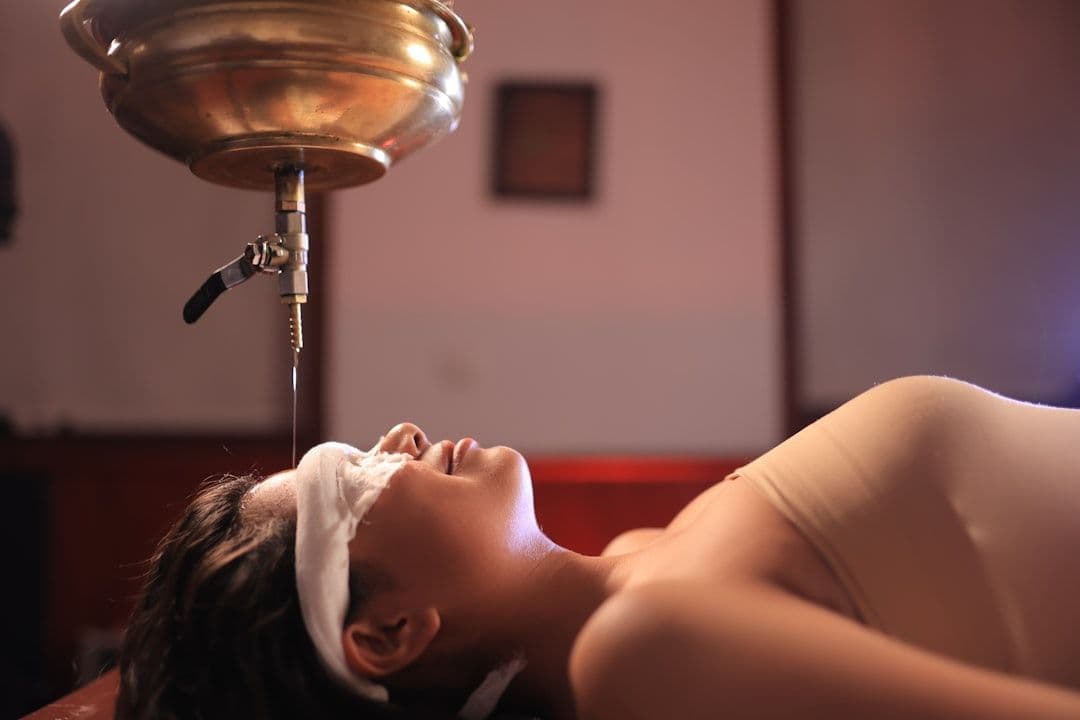
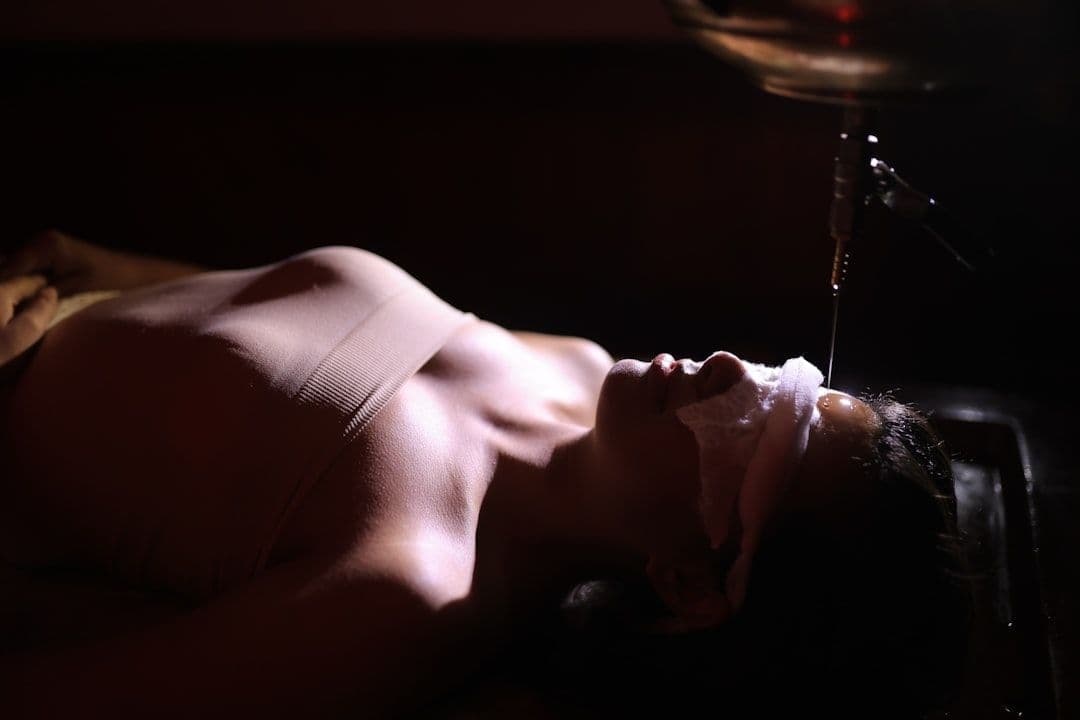
Head massage has deep roots in traditional medicine systems, particularly in Ayurveda, the ancient Indian system of medicine practiced for over 5,000 years. Ayurvedic practitioners developed detailed protocols for head and scalp massage, known as "Shiro Abhyanga," recognizing the head as a vital center for nervous system regulation and overall well-being. These techniques were believed to balance the doshas (constitutional energies) and promote mental clarity, emotional balance, and physical health.
The practice also has parallels in traditional Chinese medicine, Thai massage, and other Eastern healing traditions that recognized the therapeutic value of stimulating pressure points and releasing tension in the head and neck region. These cultures understood that tension accumulation in the head could contribute to various physical and emotional imbalances throughout the body.
Head massage became increasingly popular in Western complementary health practices during the late 20th century as interest in holistic therapies grew. Practitioners adapted traditional techniques and integrated modern understanding of anatomy and physiology, making the practice more accessible to Western populations. Today, head massage is offered in spas, wellness centers, and by massage therapists worldwide as both a standalone treatment and as part of broader massage therapy services.
The modernization of head massage has included the development of evidence-based protocols, training certifications, and integration into professional massage therapy standards. While maintaining its traditional roots, contemporary head massage practitioners combine ancient wisdom with current knowledge of neurophysiology, stress response systems, and the mind-body connection.
Mechanism
Head Massage is generally described as working through skilled touch, careful pacing, and the body's response to pressure, movement, warmth, or stillness. Practitioners may focus on muscle tone, joint comfort, circulation, breath, or relaxation depending on the method. Traditional explanations may also include energy flow or whole-person balance. Research support varies by modality, so the experience is best framed as supportive care with outcomes that vary. Head massage applies sustained pressure and rhythmic strokes to the scalp, temples, and neck, stimulating blood flow to the cranial region and releasing muscular tension in areas prone to stress accumulation.
Your first visit
A typical session outline to help you feel prepared
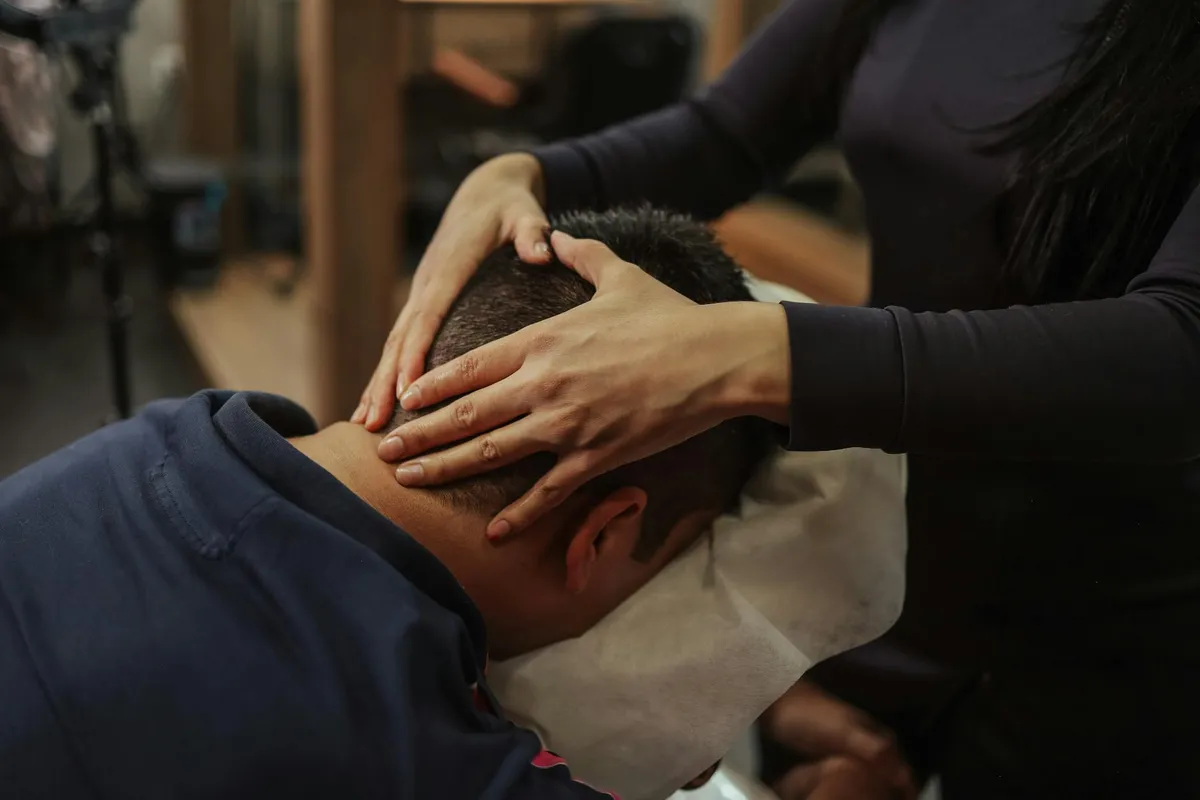
A head massage session is a deeply relaxing hands-on experience focused on your scalp, neck, shoulders, and face, leaving most people feeling calm and clear-headed.
Your practitioner will greet you and ask a few quick questions about your health history, stress levels, and any areas of tension or sensitivity, so they can tailor the session to you.
You'll settle into a massage chair or lie on a treatment table fully clothed, so wear something comfortable around the neck and shoulders. Your practitioner will check that you're at ease before beginning.
The session typically begins at your shoulders and neck, where the practitioner uses gentle kneading and compression to ease tension and warm up the muscles before moving upward to your head.
Using their fingertips, the practitioner works across your entire scalp with circular pressure and light friction movements. You may feel a tingling warmth and a sense of your thoughts beginning to quiet.
Slow, deliberate pressure is applied to your temples and forehead, which many people find especially soothing. This part of the session often brings a noticeable release of tension around the eyes and brow.
Light, careful strokes along your jaw, cheekbones, and around your ears help release held tension in areas you may not have realized were tight. You can let your practitioner know if any pressure feels too strong.
The practitioner finishes with slow, gentle passes across your scalp and a moment of still contact to let your nervous system settle. Many people feel drowsy or deeply calm at this stage.
Your practitioner will suggest how much water to drink, encourage you to rest if you can, and recommend how often to return based on your goals, whether that's stress relief, sleep support, or tension headaches.
The Evidence
A look at the current evidence base, traditional roots, and practical considerations for head massage as a holistic health practice.
Promising for stress and tension relief, with some limitations
Multiple small to moderate trials support head massage for reducing perceived stress, tension headaches, and anxiety symptoms. The evidence base is growing but not yet definitive, with most studies limited by small sample sizes and short follow-up periods.
Randomized controlled trials have found head massage can reduce perceived stress, anxiety, and tension headache frequency. Some studies also show improvements in sleep quality and physiological relaxation markers such as heart rate variability and cortisol. Most findings are short-term, and study quality varies, so conclusions should be held with appropriate caution.
Blinding participants in massage research is not possible, which can inflate reported benefits. Many studies use small samples and vary in technique and session length, making comparisons difficult. Long-term outcomes are rarely measured, and few trials compare head massage directly to other established approaches. More rigorous research is needed.
Ayurvedic medicine formalised head and scalp massage as Shiro Abhyanga, viewing the head as central to nervous system regulation. Parallel practices appear in traditional Chinese medicine and Thai massage. These traditions recognised the therapeutic value of releasing tension in the head and neck long before modern research began examining the mechanisms involved.
Within a holistic framework, head massage is valued for its combined physical and mental effects — easing muscular tension, supporting relaxation, and promoting a sense of calm. It is commonly used alongside other lifestyle practices such as movement, breathwork, or sleep hygiene as part of a broader approach to well-being, not as a standalone intervention.
People with recent head or neck injury, severe or sudden-onset headaches, uncontrolled high blood pressure, carotid artery disease, or active scalp infections should consult a healthcare provider before proceeding. Seek urgent medical attention for headaches accompanied by fever, stiff neck, or vision changes — these are not appropriate for massage management.
Head massage is offered by trained massage therapists, Ayurvedic practitioners, and some physiotherapists. Qualifications and regulation differ by country, so checking credentials and professional registration is advisable. A good practitioner will take a brief health history, adapt pressure to your comfort, and refer you onward if your needs fall outside their scope.
Safety first
General guidance to help you decide whether this approach is appropriate for you. This is informational only and not a substitute for medical, psychological, or professional advice.
If you are pregnant, managing a health condition, recovering from injury or surgery, or taking medication, consult a qualified healthcare professional first.
Some situations call for extra care or a different approach. Share any conditions, injuries, or sensitivities with your practitioner before your first session.
Mild, short-lived effects such as tenderness, tiredness, or temporary soreness can occur. Rest, hydrate, and tell your practitioner how you respond.
Look for clear boundaries, transparent pricing, and practitioners who avoid fear-based claims or pressure to book frequent sessions.
For you?
A simple, human way to weigh it up. This is general guidance, not personal medical advice — a qualified practitioner can advise on your situation.
Gyfts is a discovery platform, not a medical provider. Nothing here diagnoses, treats or replaces professional care. In an emergency, contact your local emergency number.
Explore approaches
Other practices people often explore alongside head massage.
In their words
FAQ
During your first session, expect a brief consultation about your health history and goals, followed by the actual massage treatment. You'll be positioned comfortably, and the practitioner will use various massage techniques on your scalp, head, neck, and shoulders. The session typically lasts 30-60 minutes and is deeply relaxing. Many people feel drowsy or very calm afterward. The practitioner will give you aftercare recommendations, such as drinking water and resting before resuming normal activities.
Many people experience benefits after a single session, including immediate relaxation and reduced tension. However, cumulative benefits for chronic conditions like recurring headaches typically develop over multiple sessions. A common recommendation is 4-6 weekly sessions to assess effectiveness, followed by maintenance sessions as needed. The number varies based on individual factors, the specific condition, and your body's response. Your practitioner can recommend a personalized treatment plan.
Head massage should not be painful, though some pressure may be felt, especially in areas of significant tension. The pressure should always be within your comfort level—communicate with your practitioner about your preferences. Some people initially have tender areas that become less sensitive with repeated treatments as tension releases. If you experience pain, inform your practitioner immediately so they can adjust their technique.
Many people find head massage helpful for migraine prevention and management, particularly when used alongside other approaches. Regular sessions may reduce migraine frequency and intensity by relieving muscle tension and improving circulation. However, head massage should not be performed during an acute migraine attack. Research on effectiveness is ongoing, and results vary. Consult your healthcare provider to discuss whether head massage is appropriate as part of your migraine management plan.
Head massage typically refers to treatment that includes the scalp, head, neck, and shoulder region, providing a comprehensive approach to releasing tension throughout this area. Scalp massage focuses more specifically on the scalp itself. Many practitioners use the terms somewhat interchangeably, though a full head massage treatment is usually broader in scope. Discuss with your practitioner which approach would best address your specific concerns.
Head massage is generally very safe with minimal side effects. Some people experience temporary mild side effects, such as slight drowsiness, relaxation response (vivid dreams or emotional release), temporary increase in headache as tension releases, or mild dizziness when standing. These typically resolve quickly. Serious adverse effects are rare when performed by a trained practitioner. Inform your practitioner of any unusual symptoms so they can adjust treatment accordingly.
Head massage is generally considered safe during pregnancy and may even help with pregnancy-related stress and tension. However, always inform your practitioner that you are pregnant so they can adjust positioning and techniques as needed. Some practitioners avoid certain pressure points or techniques during pregnancy out of caution. Discuss your pregnancy with your practitioner, and ensure they have experience working with pregnant clients.
Treatment frequency depends on your goals and condition. For acute issues like stress relief or tension headaches, weekly sessions for 4-6 weeks is common. For chronic conditions, maintenance sessions every 2-4 weeks may be recommended. Some people benefit from monthly or occasional sessions for general wellness. Your practitioner will recommend a schedule based on your initial assessment and can adjust based on your response and results.
References
Educational sources that inform this overview. Inclusion is for context and does not imply endorsement.
Full citations are maintained by the Gyfts editorial team and reviewed periodically.
Keep exploring
Browse practitioners, explore honest overviews, and take what you learn to a conversation — at your own pace.