The Modern Apothecary
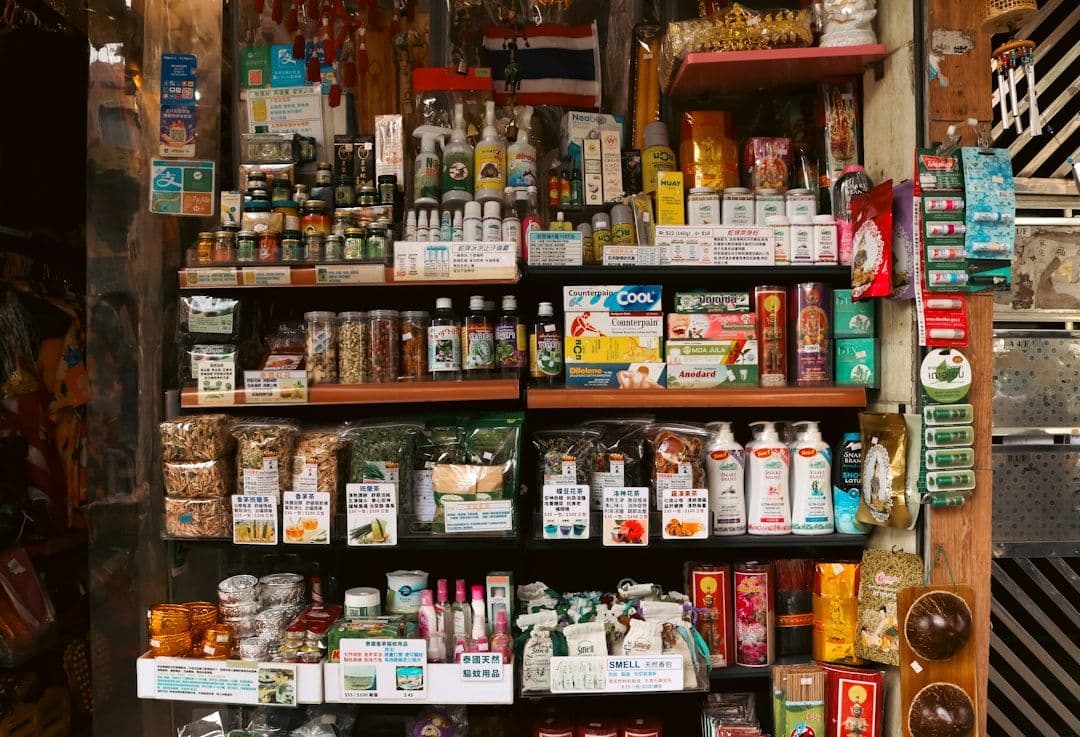
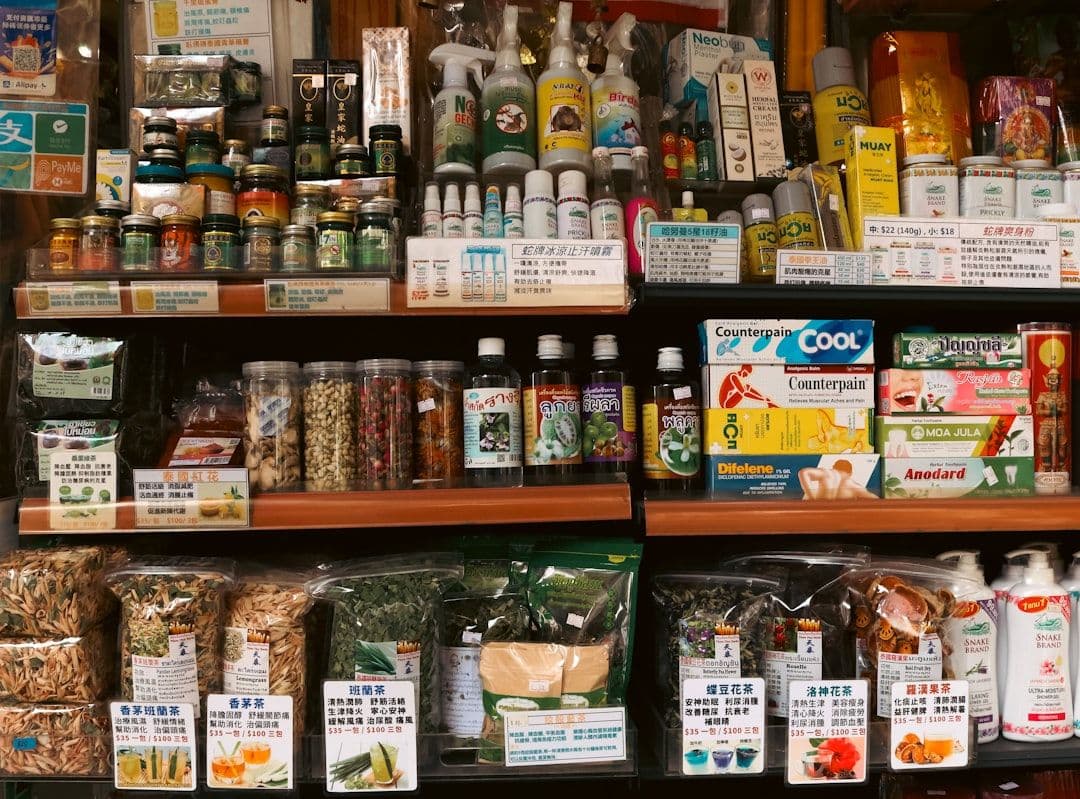
Walk into a contemporary herbal pharmacy and you'll find brass scales beside digital precision balances, traditional ceramic mortars alongside ultrasonic extractors. Dried nettle leaves rest in glass jars next to sophisticated tincture-making apparatus. This is where centuries-old plant knowledge meets modern preparation science.
A herbal pharmacist doesn't simply hand you a bottle off the shelf. They craft individualized formulations—perhaps combining passionflower for your evening restlessness with fennel for your digestive sensitivity, extracted at precise ratios into a bespoke tincture. Each preparation reflects both the herbalist's understanding of traditional plant actions and their skill in modern extraction techniques.
Unlike mass-produced herbal supplements, these are medicines made for one person: you. The art lies in matching plant to person, while the science ensures those plants deliver their therapeutic compounds effectively.
Roots in Traditional Medicine
Herbal pharmacy evolved from the village wise woman's kitchen and the monastery's herb garden, but its modern form emerged in 19th-century Europe as pharmacists sought to standardize plant preparations. Early practitioners like Germany's Sebastian Kneipp developed systematic approaches to herbal preparation that balanced traditional knowledge with emerging scientific methods.
The practice flourished particularly in Germanic and Anglo traditions, where herbalists began documenting precise extraction ratios and preparation techniques. Unlike traditional Chinese medicine or Ayurveda, which embedded herbs within complex philosophical systems, Western herbal pharmacy focused on the practical craft of making plant medicines work better.
Today's herbal pharmacists draw from this pragmatic tradition while incorporating insights from global herbal systems. They might use Native American preparation techniques for echinacea while applying European tincture-making methods—creating a truly integrative approach to botanical medicine.
From Assessment to Preparation
Your herbalist begins with a detailed consultation, examining not just your symptoms but your overall constitution—do you tend to run hot or cold? Are you naturally energetic or do you tire easily? They'll explore your sleep patterns, digestive habits, and stress responses, building a picture of how your body typically functions.
Armed with this understanding, they select herbs that complement your individual pattern rather than simply targeting symptoms. For anxiety, they might choose calming chamomile for someone with digestive sensitivity, while selecting more grounding herbs like ashwagandha for someone with physical restlessness.
The preparation process transforms raw plant material into concentrated medicine. Dried herbs might be extracted into alcohol-based tinctures, capturing both water-soluble and alcohol-soluble compounds. Others are prepared as glycerites for those avoiding alcohol, or as carefully measured powder blends for capsules or teas. Each method extracts different compounds, and your herbalist chooses the technique that best serves your needs and preferences.
The Science Behind Plant Preparations
Modern research reveals why traditional extraction methods work so well. Alcohol tinctures, for instance, extract compounds that simple teas cannot reach—like the valerenic acids in valerian that contribute to its sedative effects. Glycerin preparations capture different molecular weights, while water-based decoctions draw out water-soluble polysaccharides that support immune function.
Concentration matters enormously. A properly prepared echinacea tincture contains compounds at levels impossible to achieve through tea alone. Standardised extracts can guarantee specific active compounds—like the hypericin content in St John's wort preparations—ensuring consistent therapeutic effects.
Yet herbal pharmacy recognizes that plants work as complete systems, not isolated compounds. Hawthorn's cardiovascular benefits come not from a single active ingredient but from the synergistic action of flavonoids, oligomeric procyanidins, and other compounds working together. This complexity is why bespoke formulations often succeed where single herb approaches fail.
What the Evidence Shows
Research strongly supports several herbal preparations commonly used in herbal pharmacy. Systematic reviews demonstrate that St John's wort preparations can be as effective as conventional antidepressants for mild to moderate depression. Clinical trials show passionflower reduces anxiety symptoms, while valerian preparations improve sleep quality in controlled studies.
Digestive herbs have particularly solid evidence. Multiple trials confirm that peppermint oil capsules reduce IBS symptoms, while chamomile preparations ease functional dyspepsia. Ginger's anti-nausea effects are so well-established that NICE recognizes it for pregnancy-related nausea.
However, most research examines standardized single herbs rather than the personalized combinations that characterise herbal pharmacy practice. This evidence gap doesn't invalidate the approach—many effective medical treatments combine multiple active ingredients—but it does mean we rely heavily on practitioner experience and traditional knowledge when assessing bespoke formulations.
The quality of herbal preparations varies enormously. Research-grade extracts used in clinical trials often differ significantly from commercial preparations in terms of active compound concentrations and consistency.
Finding Your Herbal Pharmacist
Look for practitioners registered with the Complementary & Natural Healthcare Council (CNHC) or holding membership with professional bodies like the National Institute of Medical Herbalists (NIMH). Qualified herbalists complete four-year degree programs covering botany, pharmacology, and clinical practice, including supervised clinical training.
Expect to pay $60-$120 for initial consultations, with follow-ups around $45-$80. Herbal preparations typically cost $15-$40 monthly, depending on complexity. Most practitioners recommend starting with a three-month program, with monthly reviews to adjust formulations as needed.
Your herbalist should always ask about current medications and medical conditions. They should provide clear guidance on dosage, timing, and duration of treatment, and know when to refer you back to conventional medical care. Avoid practitioners who promise quick cures or discourage you from continuing prescribed medications.
A good herbal pharmacist partners with your existing healthcare rather than replacing it, creating plant-based support that complements your overall health strategy.