What it is
Custom botanical blends crafted from traditional plant wisdom and modern extraction methods.
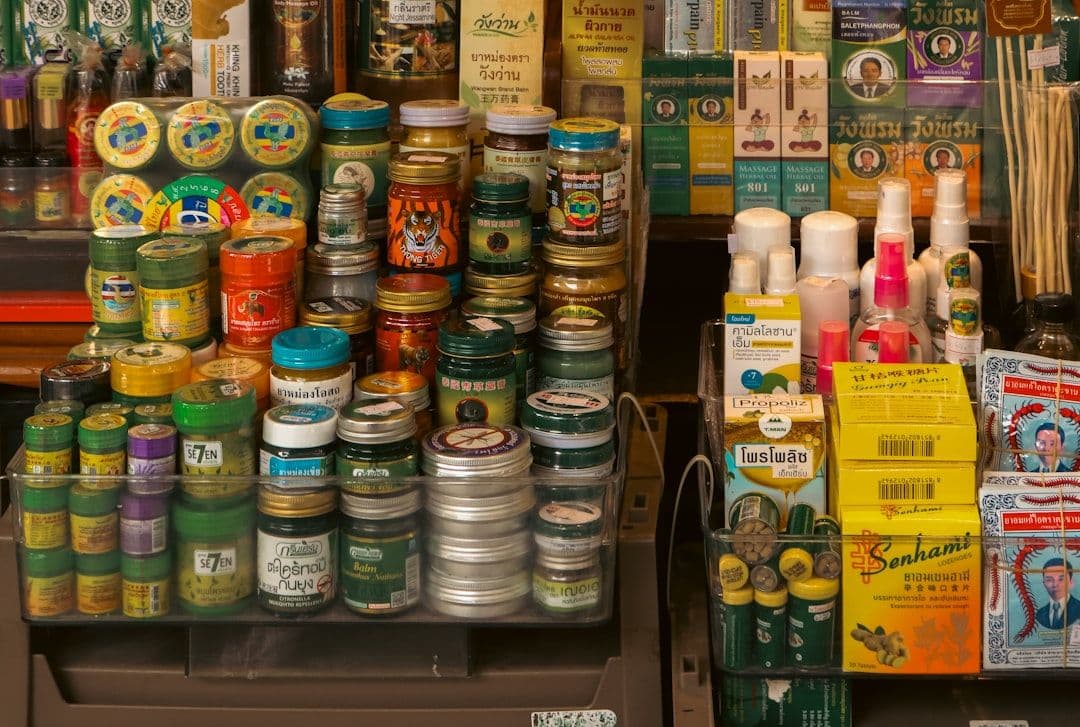
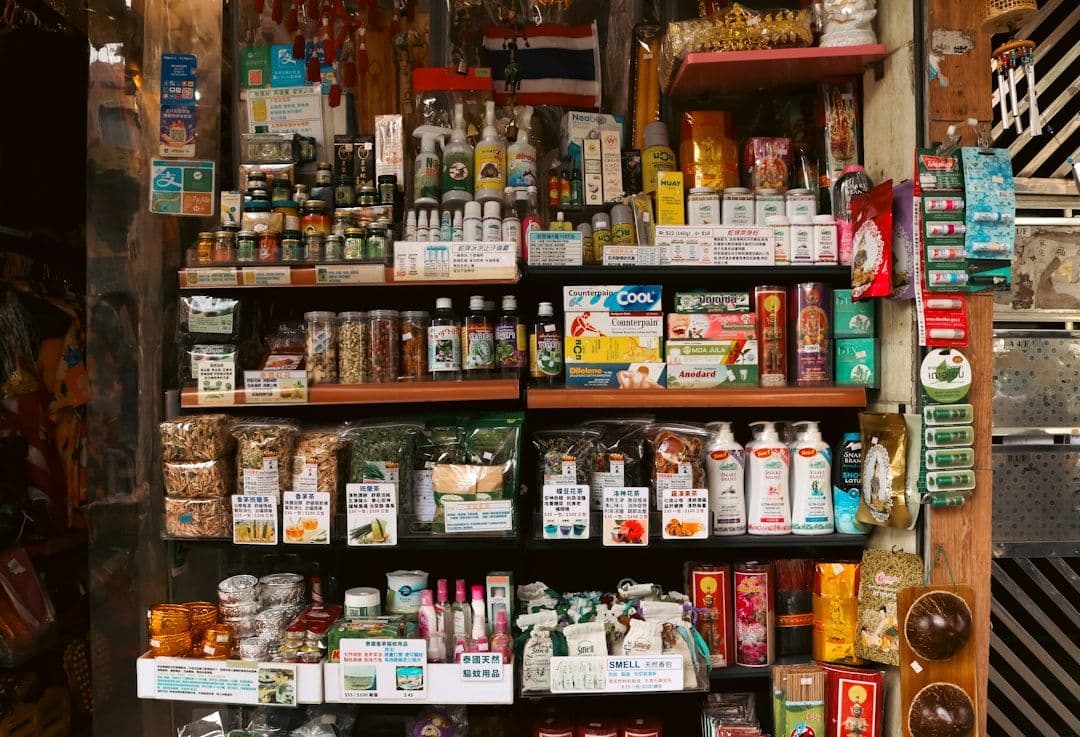
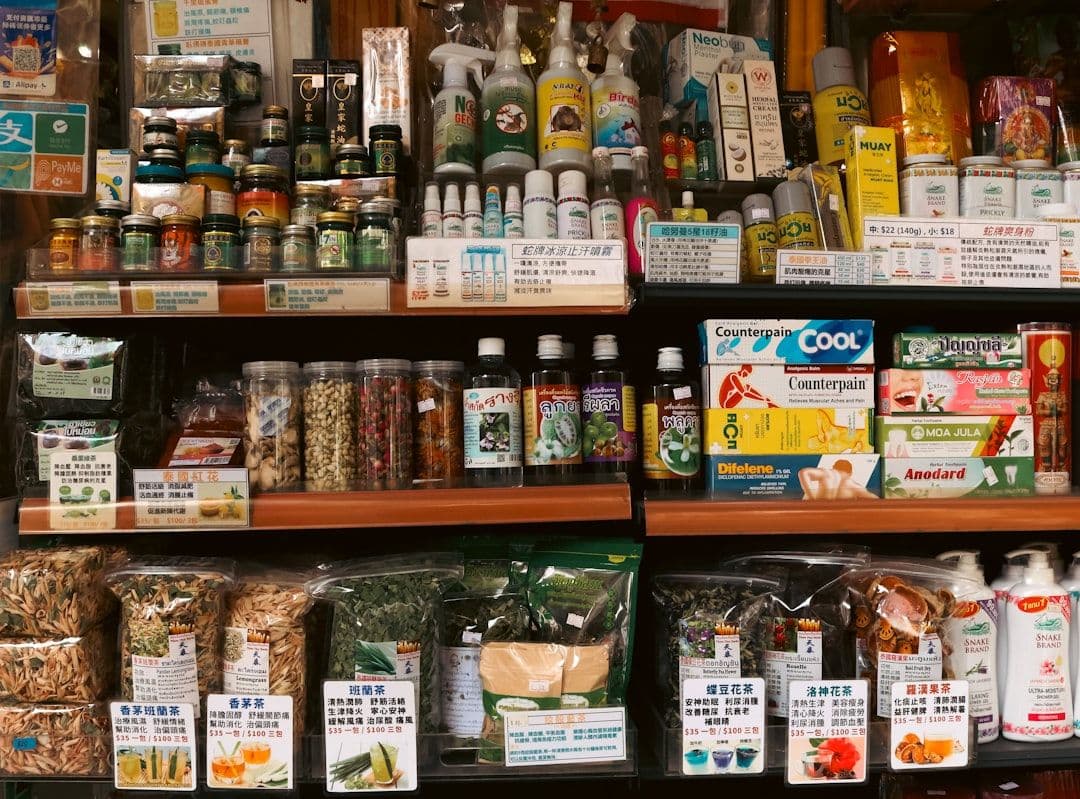
Herbal Pharmacy is the art and science of preparing and dispensing customized herbal remedies, tinctures, and formulations to support ind...
At a glance
What it is
Custom botanical blends crafted from traditional plant wisdom and modern extraction methods.
Why explore it
Targeted plant remedies may support digestion, sleep, immunity, and hormonal balance naturally.
How it’s experienced
A herbal pharmacist reviews your history and compounds a personalised tincture, tea, or capsule.
Evidence context
Some herbs like valerian and echinacea have solid research; many others rely on traditional use.
See the evidence snapshotSafety
Generally safe when sourced well, but always share your medications to avoid herb-drug interactions.
See staying safeHistory & Origin
Herbal Pharmacy involves the dispensing and preparation of herbal remedies, tinctures, and formulations for health and healing.
Herbal pharmacy has roots stretching back thousands of years across virtually every human civilization. Traditional Chinese Medicine, Ayurveda, and European herbalism all developed sophisticated systems for harvesting, processing, and combining plants into therapeutic preparations. Ancient apothecaries in medieval Europe operated as skilled craftspeople, mastering the extraction and preservation of plant medicines through tincturing, decocting, and infusing techniques.
The formalization of herbal pharmacy accelerated during the Renaissance when herbalists like Culpeper and Dioscorides documented medicinal plant properties and preparation methods. These early practitioners established principles still used today: matching plant constituents to individual conditions, standardizing doses, and understanding herb-herb interactions. The tradition continued through the 18th and 19th centuries as herbalism became increasingly systematized.
With the rise of pharmaceutical manufacturing in the early 20th century, herbal pharmacy declined in Western medicine but remained central to traditional medicine systems globally. The late 20th century saw a resurgence in interest as practitioners and patients sought more personalized, plant-based alternatives to conventional pharmaceuticals. Modern herbal pharmacists combine traditional knowledge with contemporary chemistry, pharmacognosy, and clinical experience to create safe, effective preparations.
Mechanism
Herbal Pharmacy is usually understood through daily choices, patterns, and gradual behavior change rather than a single session effect. Practitioners may focus on food quality, timing, preparation, symptoms, preferences, culture, and sustainability. Some approaches are tradition-based, while others draw on nutrition science or clinical guidelines. Recommendations should be individualized, especially when medical conditions, pregnancy, medications, or restrictive eating patterns are involved. A herbalist assesses your health concerns, medical history, and constitution to select appropriate plants and plant preparations.
Your first visit
A typical session outline to help you feel prepared
Your herbal pharmacy session is a personalized, conversation-driven experience where a skilled herbalist listens deeply and crafts a remedy uniquely suited to your body and goals.
When you arrive, you'll fill out a detailed health history form covering current symptoms, medications, diet, sleep, and stress levels so the herbalist has a full picture before you even sit down together.
Your herbalist spends up to 90 minutes in a relaxed, unhurried chat exploring your health history, lifestyle habits, and what you're hoping to address, asking follow-up questions to understand the who
Many herbal pharmacists use traditional assessment tools like examining your tongue, asking about digestion, or noting energy patterns to help identify which body systems may need the most support.
Your herbalist walks you through which plants they're considering for your formula and why, explaining what each one does in plain language so you feel informed and confident about what's going into your remedy.
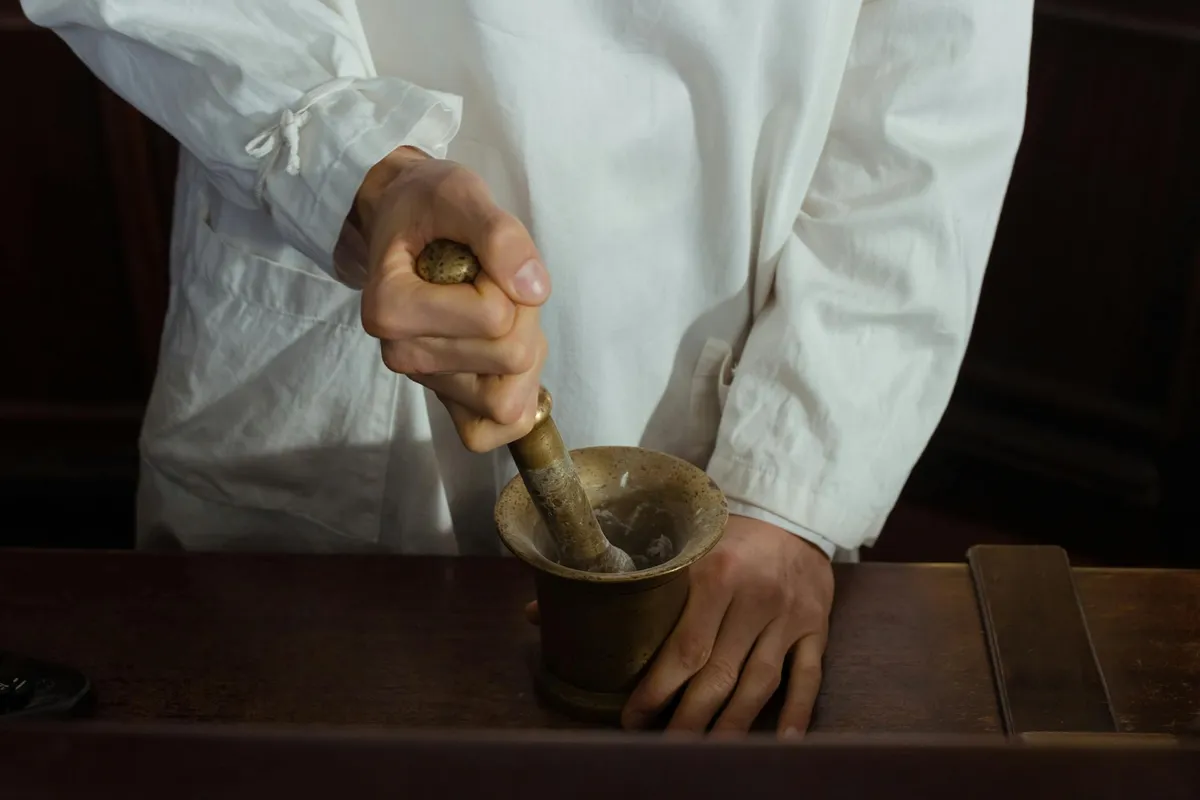
Right there in the pharmacy, your personalized blend is measured and compounded, whether that's a liquid tincture, loose tea blend, or capsules, using high-quality dried or extracted herbs chosen specifically for you.
Your herbalist explains exactly how much to take, how often, and with or without food, and flags anything to watch for, like interactions with current medications, so you leave knowing precisely what to do.
You take your finished formula home along with any written instructions, and your herbalist encourages you to ask any last questions before you go so nothing feels unclear or overwhelming.
Before you leave, you'll book a follow-up appointment a few weeks out so your herbalist can check how your body is responding and adjust your formula as needed for best results.
The Evidence
What the research says, where evidence is strong, where it is limited, and what to consider before starting.
A mixed evidence base: some herbs well-studied, many less so
Herbal pharmacy draws on centuries of traditional use and a growing body of modern research, but evidence quality varies widely by herb and application. Some preparations have solid clinical support; others rely primarily on historical use with limited contemporary trials.
Well-studied herbs such as ginger, valerian, turmeric, and St. John's Wort have meaningful clinical trial support for specific applications. Many traditional herbs, however, have limited modern research despite long historical use. Funding constraints and standardization challenges mean the overall evidence base is uneven rather than uniformly strong or weak.
Sophisticated systems for preparing and combining plant medicines developed independently across many cultures over thousands of years. Early apothecaries established principles still in use today, including matching plant constituents to individual needs and understanding herb interactions. Long historical use provides some evidence of safety, though it does not substitute for controlled clinical research.
As an Alternative modality, herbal pharmacy operates outside conventional pharmaceutical medicine while drawing on overlapping pharmacological principles. It is often used independently or alongside conventional care. Practitioners typically take a whole-person approach, tailoring formulations to the individual rather than applying a single standardized protocol.
St. John's Wort can interfere with contraceptives and antidepressants. Ginkgo and garlic may amplify the effects of blood thinners. Always disclose all medications, supplements, and health conditions to your herbal pharmacist. People who are pregnant, breastfeeding, or managing serious health conditions should consult a qualified medical professional before starting any herbal protocol.
Clinical trials on whole herbal formulations are costly and commercially less attractive than pharmaceutical research, so many preparations remain understudied. Product quality and standardization vary significantly across suppliers, making it difficult to generalise findings from one study to another. Inflated outcome claims circulate in this space — approach them critically.
Herbal pharmacy practitioners vary widely in training, credentials, and regulatory oversight depending on your location. Seek practitioners with recognised qualifications and professional registration where available. A qualified herbal pharmacist will take a full health history, screen for interactions, and monitor your progress — this is not a substitute for professional assessment of serious or undiagnosed health concerns.
Safety first
General guidance to help you decide whether this approach is appropriate for you. This is informational only and not a substitute for medical, psychological, or professional advice.
If you are pregnant, managing a health condition, recovering from injury or surgery, or taking medication, consult a qualified healthcare professional first.
Some situations call for extra care or a different approach. Share any conditions, injuries, or sensitivities with your practitioner before your first session.
Look for clear boundaries, transparent pricing, and practitioners who avoid fear-based claims or pressure to book frequent sessions.
Mild, short-lived effects such as tenderness, tiredness, or temporary soreness can occur. Rest, hydrate, and tell your practitioner how you respond.
For you?
A simple, human way to weigh it up. This is general guidance, not personal medical advice — a qualified practitioner can advise on your situation.
Gyfts is a discovery platform, not a medical provider. Nothing here diagnoses, treats or replaces professional care. In an emergency, contact your local emergency number.
Explore approaches
Other practices people often explore alongside herbal pharmacy.
In their words
FAQ
Herbal pharmacy provides professional expertise in selecting, combining, and preparing herbs specifically for your individual health situation. A qualified herbal pharmacist considers your complete health picture, potential herb-drug interactions, quality sourcing, and optimal preparation methods. In contrast, purchasing supplements over-the-counter typically involves generic formulations without personalized assessment or ongoing professional monitoring.
Timeline varies significantly depending on the herb, condition, and individual. Some acute concerns like sleep or digestive support may show improvement within days to weeks. Chronic conditions often require 4-12 weeks of consistent use before noticeable changes occur. Constitutional or deep-seated health patterns may take several months to shift. Your herbal pharmacist provides realistic expectations based on your specific situation.
Many herbs are safe for extended use, but this depends on the specific herb and individual. Some tonics and nutritive herbs like nettle or oat are gentle enough for long-term daily use. Others, particularly stimulating or strong-acting herbs, are best used periodically or in cycles. Your herbal pharmacist designs protocols with appropriate duration in mind and adjusts them as your health evolves.
Some herbal remedies can be safely combined with prescription medications, while others create problematic interactions. This requires careful professional assessment. Your herbal pharmacist must know every medication you take to identify potential interactions. In complex cases with multiple medications, coordination between your herbal pharmacist and prescribing physician ensures safety. Never add herbs to your regimen without discussing with both practitioners.
Tinctures and extracts are concentrated forms made by soaking herbs in alcohol or glycerin, extracting active compounds efficiently. They require smaller doses and have longer shelf lives. Herbal teas are milder infusions or decoctions where herbs are steeped in hot water. Teas taste more pleasant and work well for gentle, nutritive herbs. Tinctures suit strong-acting herbs and therapeutic dosing. Your herbal pharmacist recommends the best form for your needs.
Look for practitioners with formal training in herbal medicine, pharmacognosy (plant chemistry), and clinical herbalism from accredited schools. Many pursue credentials like Registered Herbalist (RH) through organizations like the American Herbalists Guild. Additional training in nutrition, pathophysiology, and herb-drug interactions is valuable. Ask about continuing education and professional affiliations. Practitioners should be transparent about their training and willing to discuss their experience.
Initial consultations generally range from $75-150, with follow-up appointments at $50-100. Herbal remedies themselves typically cost $15-40 per bottle depending on ingredients and preparation method. Some practitioners offer package pricing. Most insurance does not cover herbal pharmacy services, though some health savings accounts may allow reimbursement. Discuss costs at your first consultation.
Many gentle herbs are appropriate for children under professional guidance, though dosing and herb selection differ significantly from adult protocols. Infants and very young children require special consideration. Some herbs are contraindicated in children. A qualified herbal pharmacist experienced with pediatric care can develop safe, age-appropriate formulations. Always consult a qualified practitioner before giving herbs to children.
References
Educational sources that inform this overview. Inclusion is for context and does not imply endorsement.
Full citations are maintained by the Gyfts editorial team and reviewed periodically.
Keep exploring
Browse practitioners, explore honest overviews, and take what you learn to a conversation — at your own pace.