Before You Arrive
Book your first consultation when you're not acutely unwell—herbalists need to assess your usual patterns rather than crisis symptoms. Gather any recent blood test results, medication lists, and supplement details. Many practitioners request you complete a health questionnaire beforehand, covering everything from sleep patterns to digestive habits.
Avoid alcohol for 24 hours before your appointment, as it can mask symptoms and affect pulse diagnosis techniques some herbalists use. Eat normally and wear comfortable clothing that allows access to your wrists for pulse-taking. Bring a list of your main health concerns prioritized by importance—herbalists work systematically, and your top three issues will guide remedy selection.
If you're taking prescription medications, never stop them without medical supervision. Your herbalist will work around existing treatments, but they need complete information about everything you're taking, including vitamins, minerals, and other supplements.
The Assessment Process
Your herbalist will spend 60-90 minutes building a comprehensive picture of your health. Expect detailed questions about your main complaints, but also seemingly unrelated areas—sleep quality, stress levels, digestive patterns, and energy fluctuations throughout the day. This holistic assessment helps identify underlying patterns that individual symptoms might miss.
Many practitioners use traditional diagnostic techniques alongside modern approaches. This might include examining your tongue color and coating, feeling the quality of your pulse at different positions, or observing your skin tone and energy levels. These methods provide additional information about your constitution and current state of balance.
You'll discuss your medical history, family health patterns, and lifestyle factors including diet, exercise, and work stress. The herbalist builds a picture of your unique needs rather than simply matching herbs to symptoms. This personalized approach means two people with similar complaints might receive completely different formulations.
Remedy Preparation and Dispensing
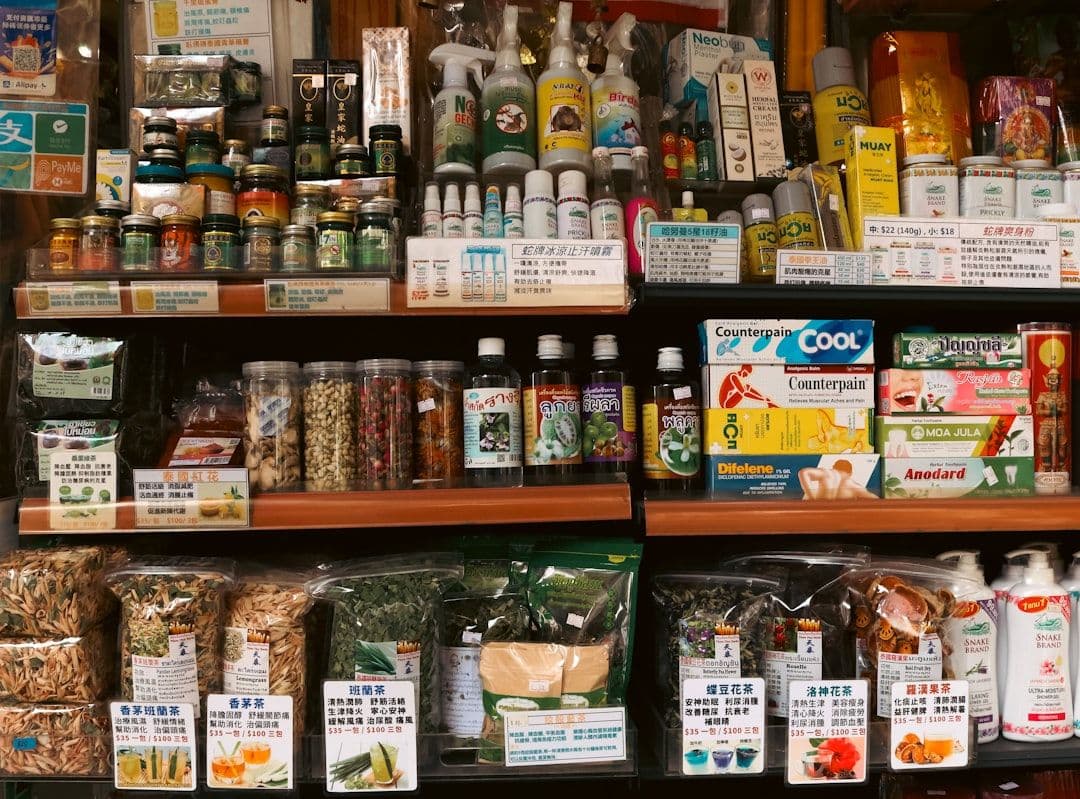
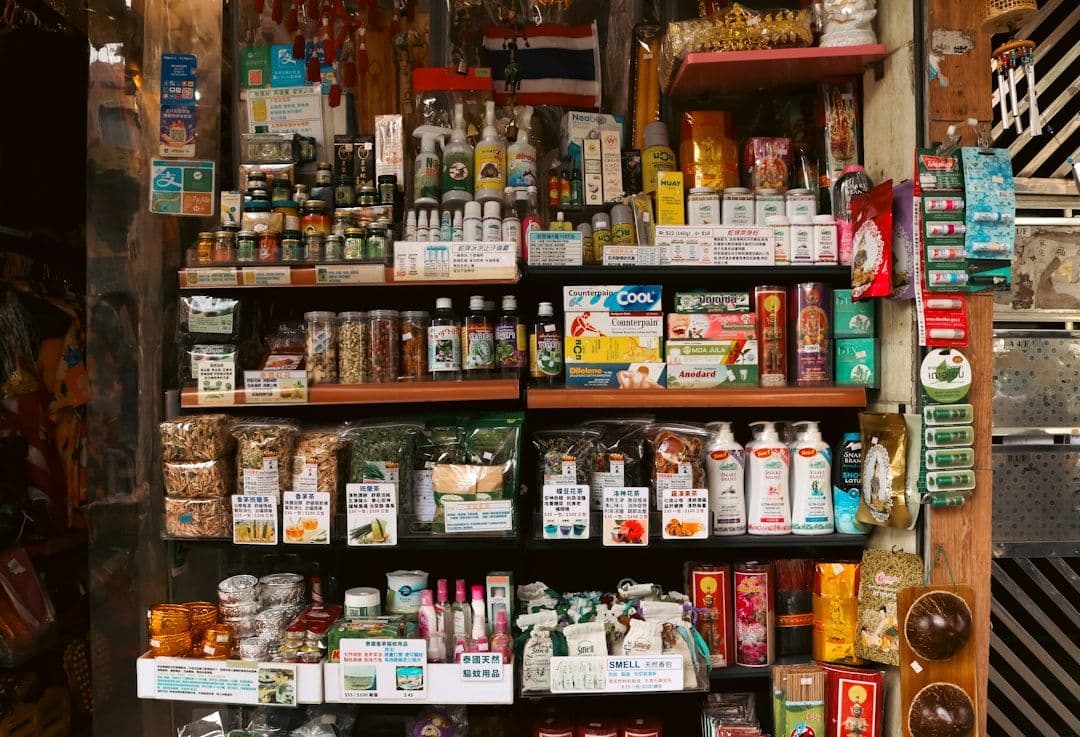
Once your assessment is complete, your herbalist selects specific herbs for your individual formulation. You'll often watch as they measure, weigh, and blend your remedy using fresh or dried plant materials. The preparation area typically features rows of glass jars containing herbs, alongside equipment for making tinctures, capsules, or custom tea blends.
For liquid tinctures, the herbalist might combine several pre-made single herb extracts, adjusting ratios based on your needs. Tea blends involve mixing dried herbs in specific proportions, often grinding or chopping them to ensure proper extraction when you brew them at home. Some practitioners prepare capsules on-site, filling them with powdered herb combinations.
This process usually takes 15-30 minutes, during which your herbalist explains each herb's role in your formula. You'll receive detailed instructions on dosage, timing, and duration of treatment. Most formulations are prescribed for 4-6 weeks initially, allowing time to assess your response before making adjustments.
What You Might Experience
During the consultation, many people feel relief at having their health concerns heard in such detail. The thorough questioning process often reveals connections between symptoms you hadn't previously considered. Some find the traditional diagnostic techniques—like pulse or tongue examination—surprisingly informative about their current state of health.
Initial responses to herbal remedies vary considerably. Some people notice changes within days, particularly for acute issues like digestive upset or sleep disturbances. Others, especially those addressing chronic conditions, may need several weeks before experiencing clear benefits. Your herbalist will prepare you for realistic timelines based on your specific situation.
Mild detox symptoms occasionally occur in the first week as your body processes new plant compounds. These might include slight headaches, changes in bowel movements, or temporary skin reactions. Such responses typically settle quickly and indicate your system is responding to the herbs. However, any concerning symptoms should be reported to your practitioner immediately.
Aftercare and Following Up
Take your remedies exactly as prescribed—herbal medicine works through consistent, regular dosing rather than occasional use. Store tinctures in a cool, dark place away from strong sunlight, while dried herbs should be kept in airtight containers. Most formulations remain potent for 12-18 months when stored properly.
Keep a simple diary noting any changes in your symptoms, energy levels, sleep patterns, or general wellbeing. This information proves invaluable during follow-up appointments when your herbalist assesses your progress and considers formula adjustments. Note both improvements and any unwanted effects, however minor they seem.
Avoid making major dietary changes or starting new supplements while establishing your herbal protocol—too many variables make it difficult to assess what's helping. Your herbalist will typically schedule a follow-up appointment in 3-4 weeks to review your progress and make any necessary adjustments to your formulation.
Course of Treatment
Most people require 3-4 appointments over several months to achieve optimal results. Your initial formula serves as a starting point, with subsequent consultations allowing fine-tuning based on your response. Follow-up appointments are shorter—typically 30-45 minutes—and focus on progress assessment and remedy adjustment.
Acute conditions might resolve within 4-6 weeks, while chronic issues often require 3-6 months of consistent treatment. Some people continue with modified formulations for seasonal support or ongoing wellness maintenance. Your herbalist will discuss realistic timelines based on your specific health goals and the nature of your concerns.
Successful herbal pharmacy treatment requires patience and commitment to the process. Unlike pharmaceutical medications that often work quickly through single mechanisms, herbal formulations support your body's natural healing processes, which typically unfold more gradually but often with fewer side effects.