Preparing for Your Consultation
Bring any recent blood tests, hormone panels, or fertility assessments from your GP or specialist. Your practitioner will want to see results for thyroid function, vitamin D, iron levels, and reproductive hormones if available. Prepare a detailed menstrual cycle history for the past six months, including cycle length, flow patterns, and any symptoms like cramping or mood changes.
Keep a food diary for at least three days before your appointment, noting energy levels and digestive symptoms alongside meals. Wear comfortable clothing that allows access to your wrists and lower legs if acupuncture might be included. Avoid alcohol for 24 hours beforehand, as practitioners often assess your body's detoxification capacity.
Compile a list of all current medications, supplements, and any previous fertility treatments. Include details about stress levels, sleep patterns, and exercise habits. The more comprehensive your preparation, the more targeted your practitioner's recommendations will be.
Your First Appointment
Most initial consultations last between 90 and 120 minutes. You'll begin with an extensive health questionnaire covering menstrual history, previous pregnancies, lifestyle factors, and emotional wellbeing. Your practitioner will ask detailed questions about digestion, energy patterns, sleep quality, and stress responses—all factors that influence reproductive hormone balance.
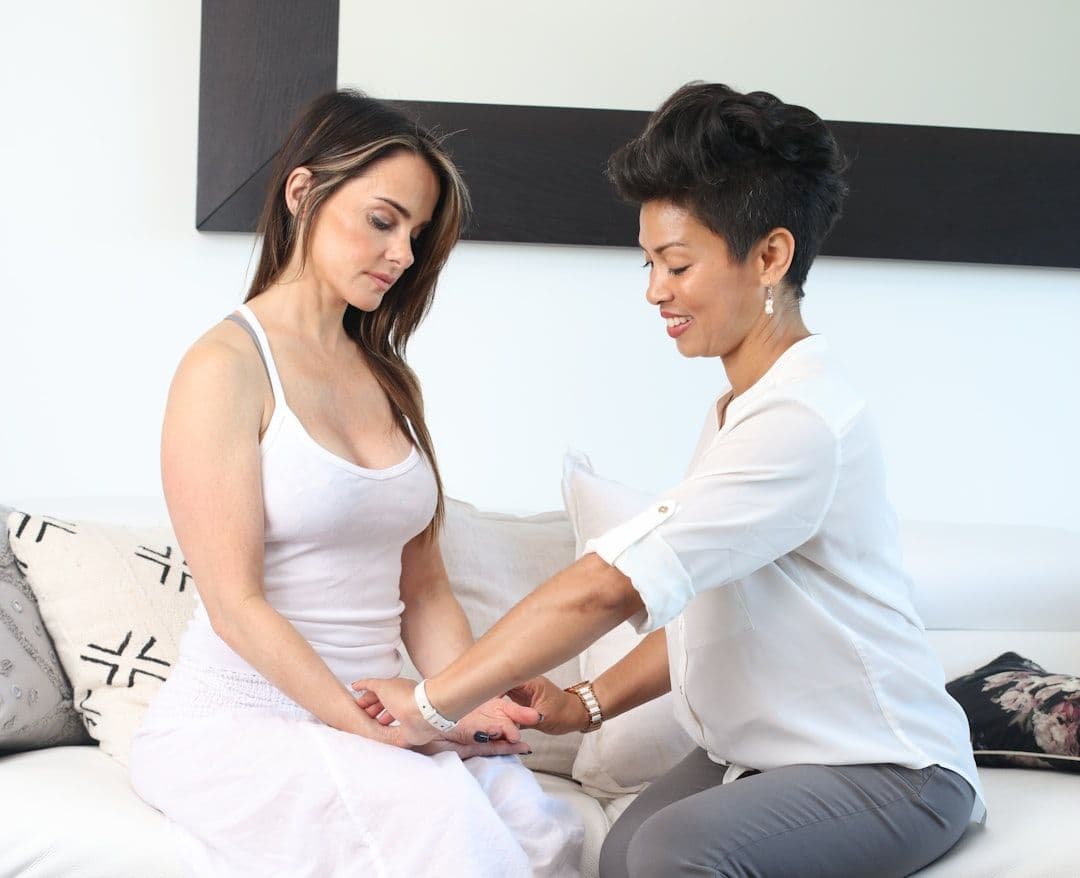
Physical assessment may include checking your pulse quality at different positions on your wrists, examining your tongue for signs of nutritional status, and assessing your posture and muscle tension. Some practitioners incorporate basic fertility awareness education, teaching you to recognise cervical mucus changes and optimal timing for conception.
If acupuncture is part of the approach, you'll typically receive a gentle introductory treatment focusing on points that support overall reproductive health. The needles are hair-thin and most people find the sensation barely noticeable. Your practitioner will explain their treatment philosophy and how they plan to address your specific fertility concerns through multiple modalities.
Physical and Emotional Responses
During acupuncture portions, you might feel a slight tingling or warm sensation as needles are inserted. Many people report feeling deeply relaxed, sometimes drifting into a light sleep. This relaxation response can continue for several hours after treatment, which practitioners consider beneficial for reducing stress hormones that may impair fertility.
Emotionally, the comprehensive nature of holistic fertility assessment can feel overwhelming initially. You're discussing intimate details about your reproductive health, relationship, and hopes for conception. Some people feel relief at finally having someone examine all aspects of their fertility picture, whilst others may feel anxious about the dietary or lifestyle changes recommended.
Immediately after the session, you might feel energised or slightly fatigued. Your practitioner will explain that both responses are normal as your body begins responding to the interventions. Some women notice changes in their next menstrual cycle, though significant improvements typically develop over several months of consistent treatment.
Aftercare and Following Sessions
Your practitioner will provide specific dietary recommendations, often emphasising nutrient-dense foods that support hormone production and egg quality. They may suggest eliminating inflammatory foods like refined sugar, excess caffeine, or processed foods for 4-6 weeks to assess their impact on your cycles.
Supplements are commonly recommended, typically including folic acid, vitamin D, omega-3 fatty acids, and CoQ10. Your practitioner will explain the timing and dosages based on your individual assessment. Many recommend beginning a meditation or gentle yoga practice to support stress management.
Avoid intense exercise, alcohol, and late nights for 24-48 hours following acupuncture treatments. Stay well-hydrated and pay attention to any changes in energy, mood, or physical symptoms. Keep tracking your menstrual cycle and note any shifts in cycle length, symptoms, or overall wellbeing.
Treatment Timeline and Expectations
Most practitioners recommend an initial intensive phase of 3-4 months, with appointments every 2-3 weeks. This timeframe allows for implementing dietary changes, establishing stress management practices, and allowing several menstrual cycles to reflect the interventions. Some people begin seeing improvements in energy, sleep, or cycle regularity within 4-6 weeks.
The programme typically includes 6-8 face-to-face sessions, though this varies based on individual needs and practitioner approach. Between appointments, you'll likely have specific assignments: tracking symptoms, implementing dietary changes, practising stress reduction techniques, and possibly taking prescribed herbal medicines.
Realistic expectations are crucial. Holistic fertility approaches work gradually by supporting your body's natural reproductive processes rather than providing immediate results. Many practitioners emphasise that whilst they cannot guarantee conception, they aim to optimise your overall reproductive health and wellbeing, potentially improving your chances of natural conception or supporting conventional fertility treatments.