What It Is
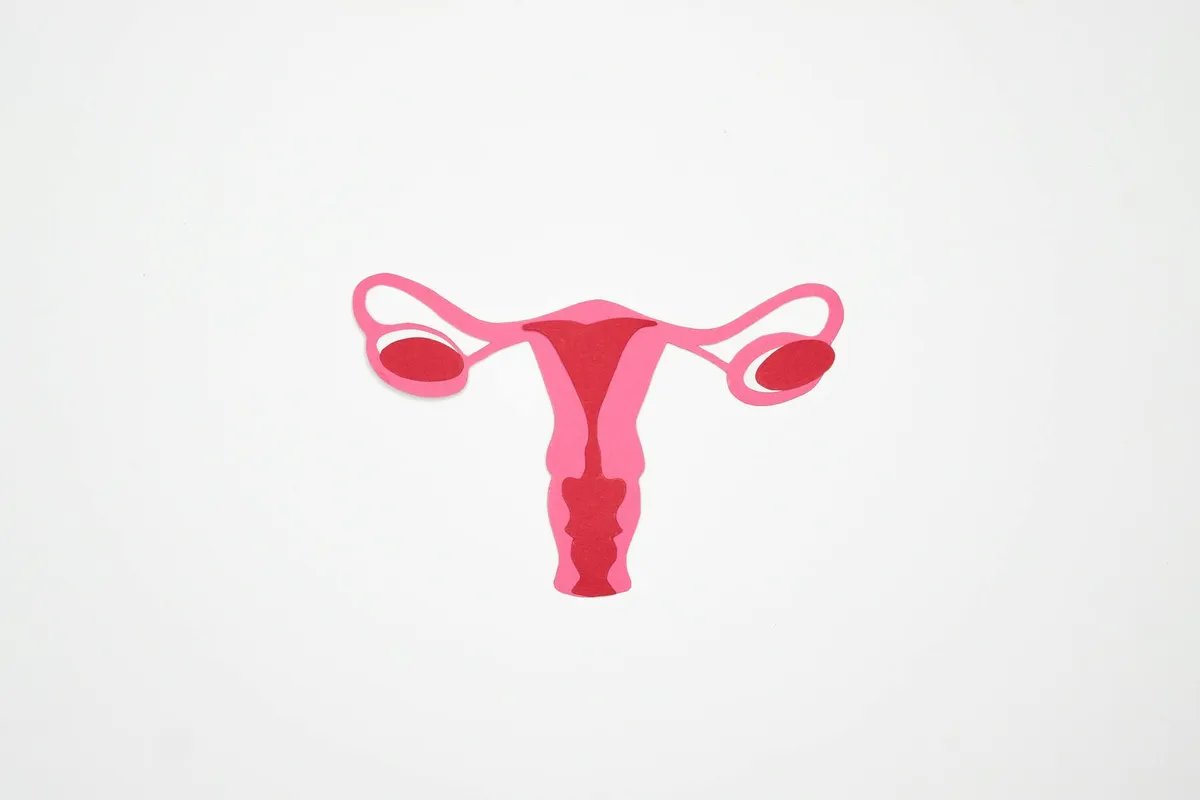
Tissue similar to the uterine lining grows outside the uterus, causing inflammation and pain.
Understanding your body when pain has gone unheard
At a glance
What It Is
Tissue similar to the uterine lining grows outside the uterus, causing inflammation and pain.
How It Presents
Chronic pelvic pain, painful periods, pain during sex, bloating, fatigue, and bowel symptoms.
What May Help
Anti-inflammatory nutrition, stress support, movement, and mind-body practices are commonly explored.
Evidence Context
Research is growing; some approaches show promise, though evidence remains moderate and evolving.
See the evidence snapshotWhen to Seek Help
See a doctor if pain disrupts daily life, fertility is affected, or symptoms suddenly worsen.
Explanation
Endometriosis occurs when tissue resembling the uterine lining grows outside the uterus, such as on the ovaries, fallopian tubes, or pelvic lining. This can trigger chronic inflammation, scar tissue, and pain that often intensifies around menstruation. Symptoms may include pelvic pain, heavy or irregular periods, pain during intercourse, and in some cases difficulty conceiving. Hormonal signaling, immune function, and genetic predisposition are thought to play a role. Conventional care may involve hormonal therapies or surgical options. Holistic approaches such as anti-inflammatory nutrition, stress management, and gentle movement may support comfort and overall wellbeing for some individuals.
Could this be you
Endometriosis shows up differently for everyone. Browse by how it tends to be felt — these are common experiences, not a checklist or a diagnosis.
Common experiences people describe — not a diagnostic checklist.
Why it happens
Endometriosis usually comes from a mix of factors rather than a single cause. These are common contributors — not certainties.
Genetic predisposition and estrogen sensitivity may increase the likelihood of tissue growing outside the uterus.
Chronic stress may influence inflammatory pathways and hormonal balance, which some practitioners suggest could affect symptom severity.
Insulin resistance, chronic inflammation, and nutritional gaps may contribute to hormonal imbalance associated with endometriosis.
Disrupted sleep may affect cortisol and estrogen regulation, which some practitioners suggest could influence endometriosis-related symptoms.
What happens in the body
Endometriosis can involve several of the body’s systems. These are common patterns researchers describe — how they show up varies from person to person.
Endometrial-like tissue growing outside the uterus may bleed cyclically, triggering local inflammation, adhesions, and scar tissue that can distort pelvic anatomy and cause pain.
Estrogen appears to promote the growth and survival of ectopic lesions, while progesterone resistance may reduce the body's ability to suppress that tissue during the menstrual cycle.
Altered immune surveillance may allow misplaced endometrial-like cells to evade clearance, sustaining a chronic inflammatory environment in the pelvic cavity over time.
Repeated cycles of pelvic inflammation may sensitize pain-processing pathways, potentially contributing to heightened pain perception and fatigue beyond the site of lesions.
Process
Management
A doctor may discuss hormonal therapies such as combined oral contraceptives, progestins, or GnRH agonists to help regulate or suppress the menstrual cycle and reduce lesion-related symptoms.
Over-the-counter or prescription NSAIDs such as ibuprofen or naproxen are commonly used to help manage pelvic pain, particularly around menstruation.
Laparoscopy is both the standard method for definitive diagnosis and, in some cases, used to remove or reduce endometrial lesions; a specialist can discuss whether this is appropriate.
Some people find that reducing highly processed foods, refined sugars, and red meat while increasing omega-3-rich foods and vegetables may support a reduction in inflammation-related symptoms.
Some practitioners suggest working with a pelvic floor specialist to address the muscle tension and pain patterns that often accompany endometriosis, particularly when pain during sex or bowel movements is present.
Self-Care
Some people with endometriosis find that reducing processed foods, refined sugars, and red meat while increasing vegetables, legumes, and omega-3-rich fish may support reduced inflammation and symptom comfort.
Practices such as gentle yoga, breathwork, or mindfulness meditation may support hormonal balance and pain perception, as chronic stress is thought to influence inflammatory pathways relevant to endometriosis.
Maintaining a consistent sleep schedule may support hormonal regulation. Some people find that poor sleep worsens fatigue and pain sensitivity during endometriosis flares.
Low-impact activity such as walking, swimming, or yoga may support pelvic circulation and mood. Some people find that adapting exercise intensity around their cycle helps manage energy and discomfort.
Eating balanced meals with adequate protein, fiber, and healthy fats at regular intervals may support insulin sensitivity, which some practitioners suggest is relevant to hormonal health in endometriosis.
The Evidence
What research and clinical practice currently tell us about endometriosis and the approaches that may support those living with it.
A well-recognised condition with evolving supportive care options
Endometriosis is a clinically established hormonal and inflammatory condition. Evidence supports conventional medical management, with emerging research exploring how lifestyle and complementary approaches may help reduce symptom burden alongside professional care.
Hormonal therapies and surgical options have the strongest evidence base for endometriosis. Anti-inflammatory nutrition, regular movement, and stress reduction show promising early findings for symptom support. Complementary approaches such as acupuncture have limited but growing evidence. No lifestyle or complementary intervention replaces professional medical assessment and care.
Estrogen appears to drive lesion growth, while altered immune responses may allow misplaced tissue to persist. Repeated inflammation can sensitise pain pathways over time, which may explain why pain often extends beyond the pelvis. Professional evaluation is important — symptoms can overlap with other conditions, and delayed assessment is common.
Acupuncture, nutritional therapy, and herbal medicine are among the approaches people with endometriosis explore. Evidence is limited and variable across these modalities. Where used, they are best considered supportive rather than primary interventions. A qualified practitioner can help assess suitability based on individual circumstances and any existing medical management.
Emerging research suggests that dietary patterns reducing systemic inflammation, regular low-impact physical activity, and mind-body practices such as mindfulness or yoga may support comfort during flares and across the cycle. These approaches are not substitutes for medical care but may complement it meaningfully when tailored to individual tolerance and needs.
Seek urgent care for sudden severe abdominal pain, heavy uncontrolled bleeding, pain accompanied by fever and vomiting, fainting, or any signs of ovarian cyst rupture. Hormonal medications should not be stopped abruptly without professional guidance. If symptoms are worsening or new, professional assessment is important — do not rely on self-management alone.
Endometriosis often benefits from a team approach. A gynaecologist or specialist can guide medical management, while a nutritional therapist, acupuncturist, or other complementary practitioner may support broader wellbeing. Sharing information across your care team helps avoid interactions and ensures any complementary approach fits safely within your overall plan.
Safety first
Endometriosis is manageable, and support helps. Some situations call for prompt professional help.
Explore approaches
Practices people explore for endometriosis — alongside professional care.
FAQ
Some people find anti-inflammatory diets and acupuncture helpful for managing discomfort alongside medical care. Evidence is moderate, so these are best explored as supportive tools, not replacements for diagnosis and treatment.
Symptoms often overlap with other conditions and are frequently dismissed as normal period pain. On average, diagnosis takes several years, highlighting the importance of advocating for thorough evaluation when pain is severe or persistent.
Seek urgent care for sudden severe abdominal pain, heavy uncontrolled bleeding, fever alongside pelvic pain, or fainting. These may signal complications such as a ruptured cyst that require prompt medical assessment.
It can, depending on severity and location of tissue growth. Many people with endometriosis conceive naturally, while others benefit from specialist support. Early evaluation with a gynecologist or fertility specialist is recommended if you have concerns.
Some practitioners suggest that chronic stress may influence inflammation and pain perception. While stress does not cause endometriosis, mind-body practices like yoga or breathwork may support overall wellbeing during flares.
Keep exploring
Browse practitioners, explore honest overviews, and take what you learn to a conversation — at your own pace.