Preparing for Your Session
Arrive wearing loose, comfortable clothing that's easy to remove. Most therapists provide disposable underwear, though you can wear your own cotton undergarments if preferred. Avoid eating a heavy meal 2-3 hours beforehand, as the heat and relaxation can affect digestion.
Inform your therapist about any medical conditions, medications, or areas of sensitivity before undressing. They need to know if you have reduced temperature sensation, as this affects how they'll monitor the stone temperature on your skin. Remove all jewellery—metal conducts heat and can become uncomfortably warm.
Drink water before your appointment but avoid alcohol for 24 hours prior. The heat increases circulation, and you'll want your body's natural temperature regulation working optimally.
The Session Unfolds
Your therapist will have prepared smooth basalt stones in a purpose-built heater, maintaining them at 48-60°C. After a brief consultation about pressure preferences and areas of focus, you'll undress to your comfort level and lie face-down on the massage table under towels.
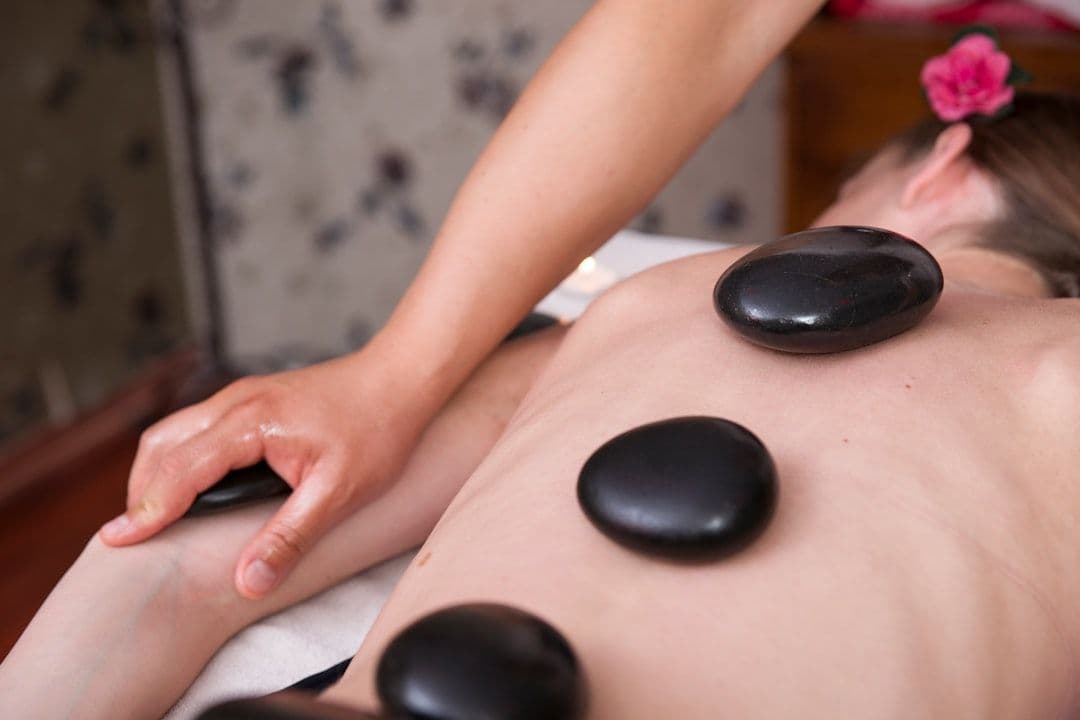
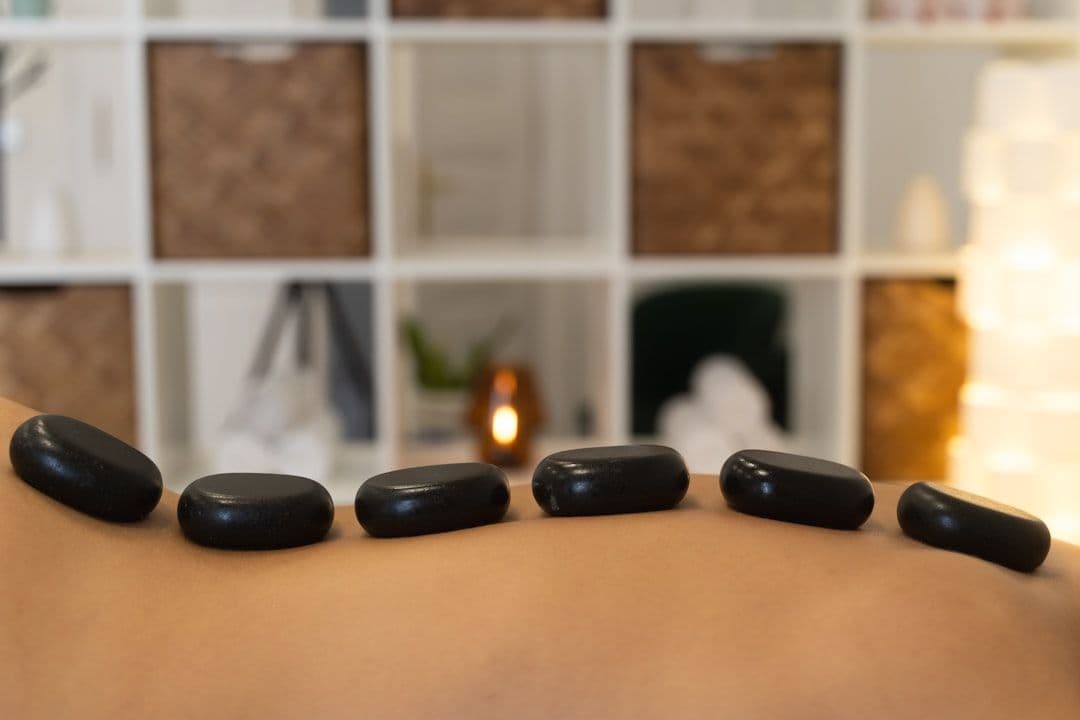
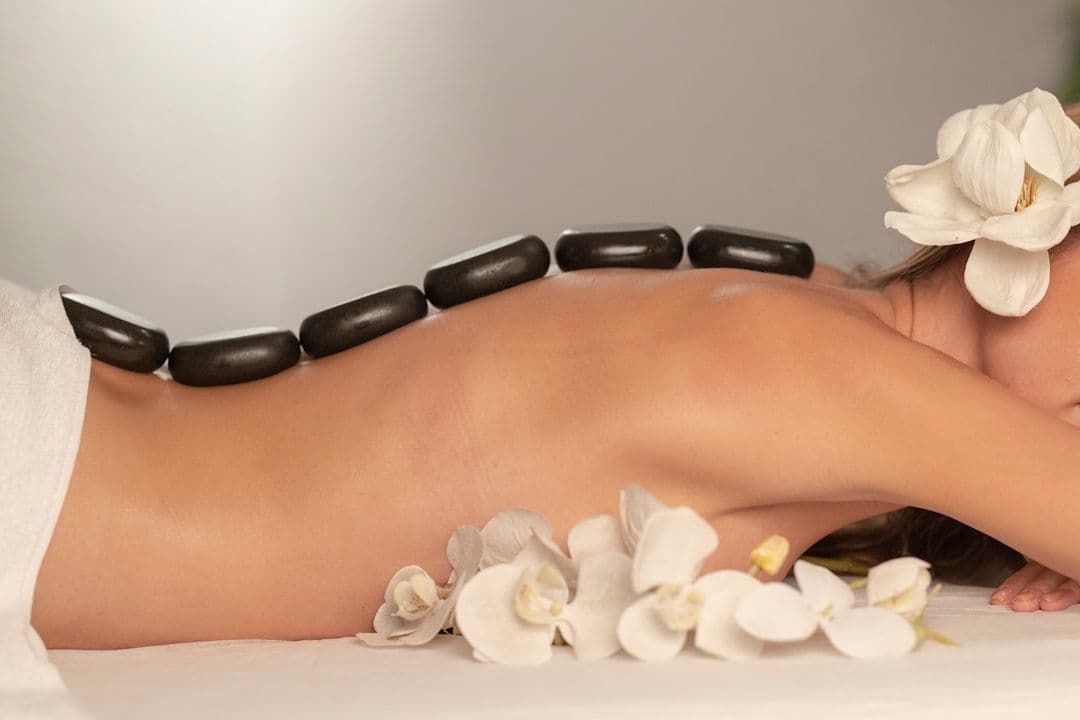
The session typically begins with the therapist testing stone temperature on their own skin, then placing larger stones along your spine and smaller ones between your toes or in your palms. The initial warmth might feel intense for 10-20 seconds before becoming deeply soothing. You'll hear the gentle clink of stones being selected and returned to the heater throughout.
Using oil for glide, your therapist alternates between traditional massage strokes and working with heated stones in their hands. They may place stones on specific muscle groups for 5-10 minutes at a time, allowing the sustained heat to penetrate whilst working other areas. The stones are regularly rotated back to the heater and replaced with freshly warmed ones.
When you turn over halfway through—usually after 30-40 minutes—the process continues on your front, with stones often placed on your palms or alongside your body. The entire session typically lasts 60-90 minutes, ending with the removal of all stones and a few minutes of gentle, stone-free massage strokes.
During and After: What You'll Experience
The immediate sensation is one of deep, penetrating warmth that seems to melt muscle tension from within. Many people report a profound sense of relaxation that exceeds what they experience with traditional massage. The heat can trigger the release of endorphins, potentially creating a mild euphoric feeling.
During treatment, you might find yourself drifting in and out of a meditative state. Some people fall asleep entirely, whilst others remain in a deeply relaxed but aware state. Occasionally, the heat can trigger emotional release—tears or sighs are normal responses as your nervous system shifts into rest mode.
Immediately after your session, you may feel drowsy, slightly disoriented, or deeply peaceful. This is your parasympathetic nervous system responding to the treatment. Some people experience mild muscle soreness the next day, similar to post-exercise aching, as muscles that have been chronically tense finally release. Others feel energised and more mobile than they have in months.
Post-Session Care
Drink plenty of water over the following 24 hours, as the increased circulation and muscle release can trigger the movement of metabolic waste products. Avoid alcohol, intense exercise, or extreme temperatures (saunas, ice baths) for the rest of the day.
Take a warm—not hot—bath that evening if you wish, adding Epsom salts to support muscle relaxation. Avoid very hot baths, as your tissues have already received significant heat treatment. Listen to your body: if you feel energised, gentle movement like walking can help integrate the treatment benefits. If you feel deeply relaxed, rest and allow the effects to settle.
Some people notice improved sleep quality that night, whilst others might feel slightly restless as their body processes the deep release. Both responses are normal. The full benefits often become apparent 24-48 hours later, as muscles continue to release and circulation patterns adjust.
Frequency and Treatment Courses
Unlike some therapies that require intensive initial courses, hot stone massage is typically most effective when received monthly or every six weeks. This allows your muscles to integrate each session's benefits whilst preventing your system from becoming overstimulated by regular heat exposure.
For acute muscle tension or stress, you might benefit from fortnightly sessions over 6-8 weeks, then spacing them out to monthly maintenance. Some people prefer seasonal treatments, finding hot stone massage particularly appealing during colder months when the warming effect provides additional comfort.
Regular recipients often report cumulative benefits: better stress management, improved sleep patterns, and reduced baseline muscle tension. However, each session should feel beneficial in its own right. If you're not noticing positive effects after 2-3 treatments, discuss adjusting the approach with your therapist or consider whether hot stone massage is the right technique for your needs.