What it is
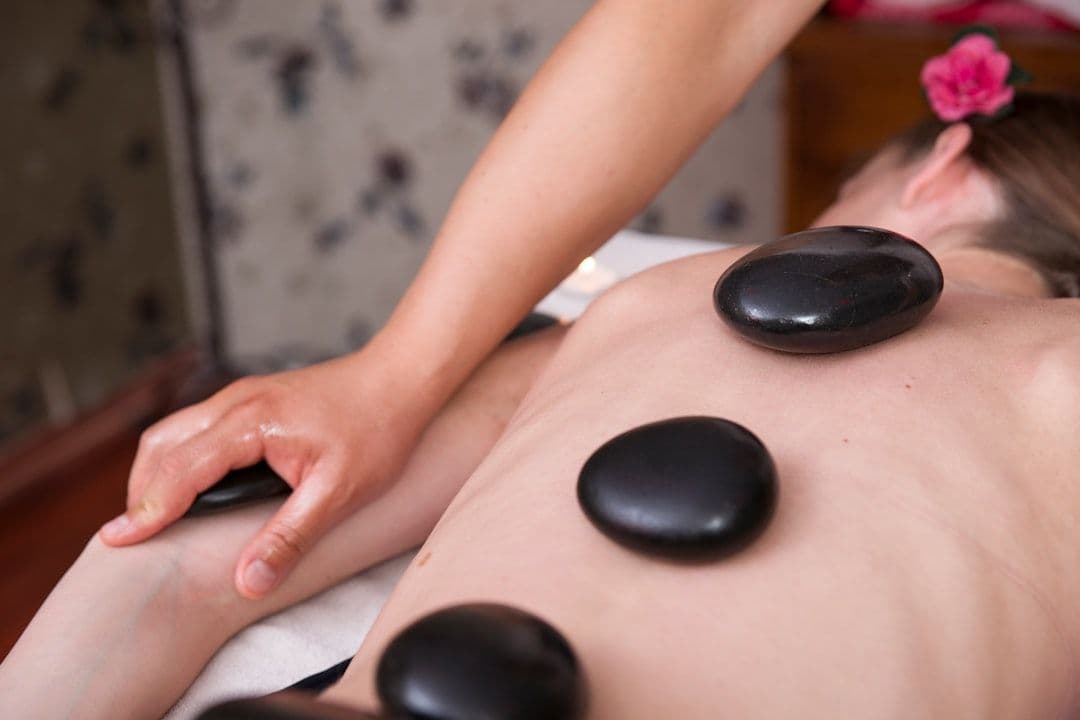
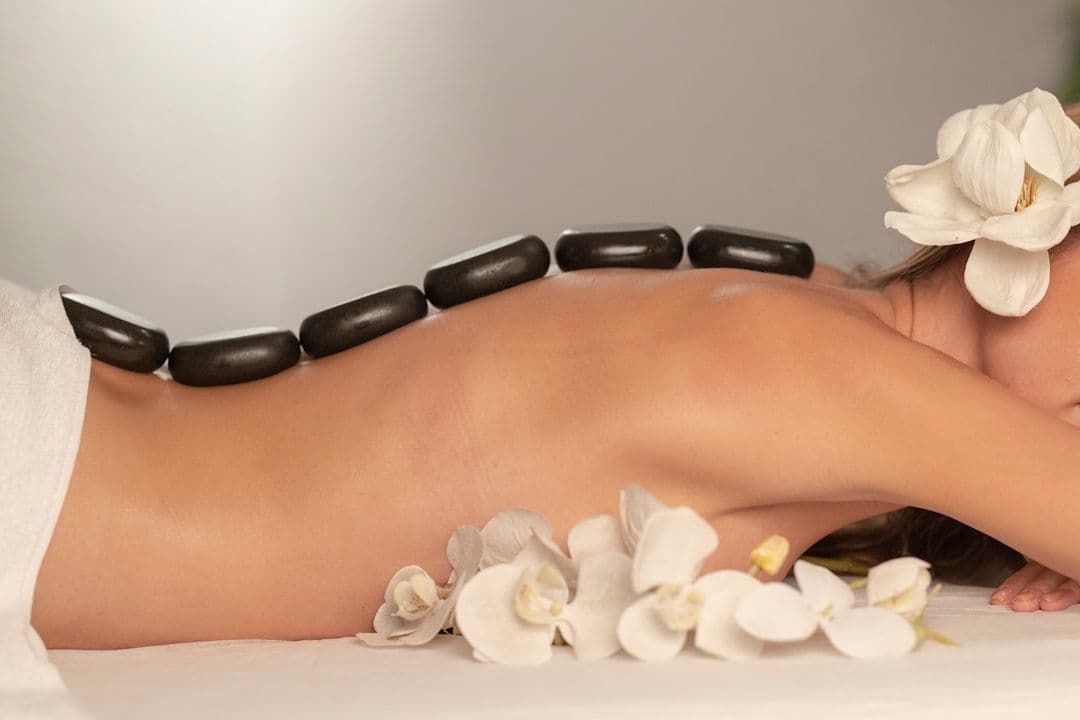
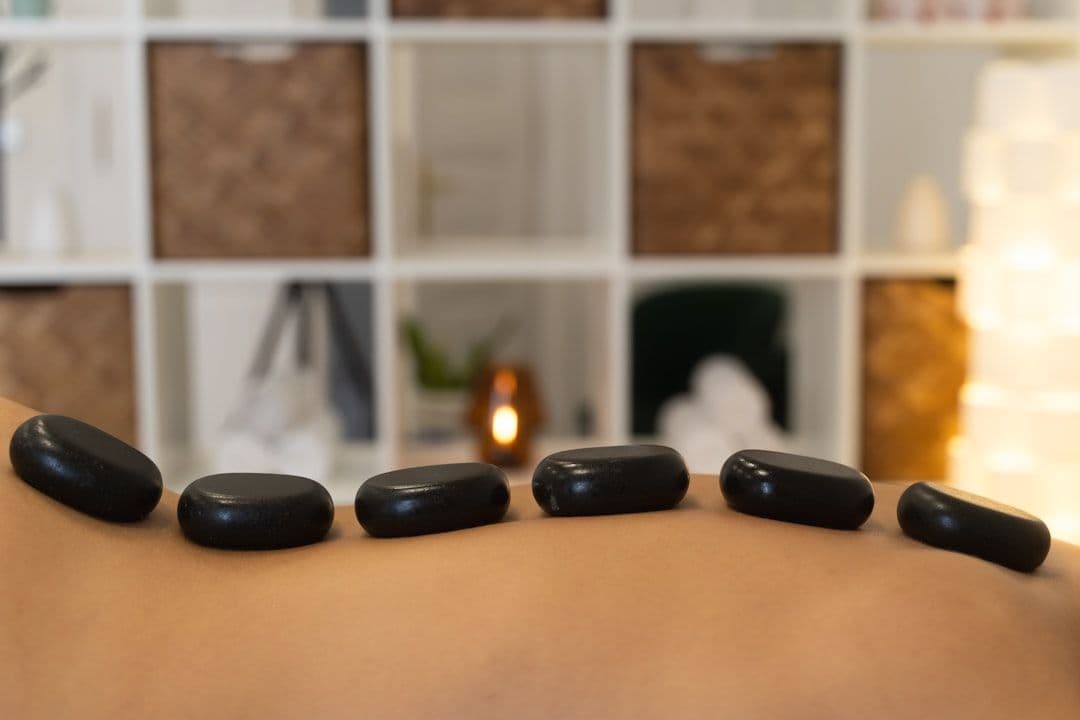
Heated basalt stones are placed on the body while a therapist massages away muscle tension.
Hot Stone Massage is a therapeutic technique that combines heated stones with massage to promote relaxation and ease muscle tension
At a glance
What it is
Heated basalt stones are placed on the body while a therapist massages away muscle tension.
Why explore it
The sustained warmth may ease tight muscles, reduce stress, and support more restful sleep.
How it’s experienced
Warm stones glide across your muscles in a 60–90 minute session that leaves you feeling deeply relaxed.
Evidence context
Research on hot stones specifically is limited, so benefits likely come mostly from the massage itself.
See the evidence snapshotSafety
Generally safe for healthy adults, but check with your doctor if you have heart issues, neuropathy, or inflammation.
See staying safeHistory & Origin
Hot Stone Massage is a massage therapy technique that uses heated stones to promote relaxation and ease muscle tension.
Hot Stone Massage has roots in ancient healing traditions across multiple cultures. Indigenous peoples in various regions, including Native Americans and traditional healers in Asia, used heated stones for therapeutic purposes. The modern Western adaptation of Hot Stone Massage as a spa and clinical therapy became popularized in the 1990s, with many practitioners crediting the technique's formalization to massage therapist Mary Nelson, who developed a specific protocol using heated basalt stones.
The practice draws from the ancient principle that heat facilitates relaxation and promotes circulation. Basalt stones, which retain heat effectively and are believed to have grounding properties, became the stones of choice for most practitioners. The technique spread rapidly through spa and wellness industries across North America and Europe in the late 20th century, becoming a standard offering in many massage therapy clinics and luxury wellness centers.
Today, Hot Stone Massage integrates principles from Swedish massage, deep tissue work, and heat therapy. While rooted in traditional practices, the modern version emphasizes evidence-based massage techniques combined with therapeutic heat application. Training and certification standards have evolved, though they vary significantly by region and governing body.
Mechanism
Hot Stone Massage is generally described as working through skilled touch, careful pacing, and the body's response to pressure, movement, warmth, or stillness. Practitioners may focus on muscle tone, joint comfort, circulation, breath, or relaxation depending on the method. Traditional explanations may also include energy flow or whole-person balance. Research support varies by modality, so the experience is best framed as supportive care with outcomes that vary. Heated basalt stones—typically warmed to 48–60°C—are placed directly on key points of the body or held by the therapist during massage strokes.
Your first visit
A typical session outline to help you feel prepared
A hot stone massage blends soothing warmth with skilled hands, using heated basalt stones to melt tension and guide your body into deep relaxation.
Your practitioner greets you and reviews a brief intake form covering your health history, any injuries, and how you feel about heat intensity so the session is tailored safely to you.
Your practitioner shows you the water-heated basalt stones and lets you feel one so you can confirm the warmth feels comfortable before anything begins.
You undress to your comfort level, lie on the massage table, and are fully draped with a sheet so only the area being worked is ever uncovered.
Smooth heated stones are placed along your spine, between your toes, and on your palms or abdomen, creating a deeply grounding warmth that begins relaxing muscles right away.
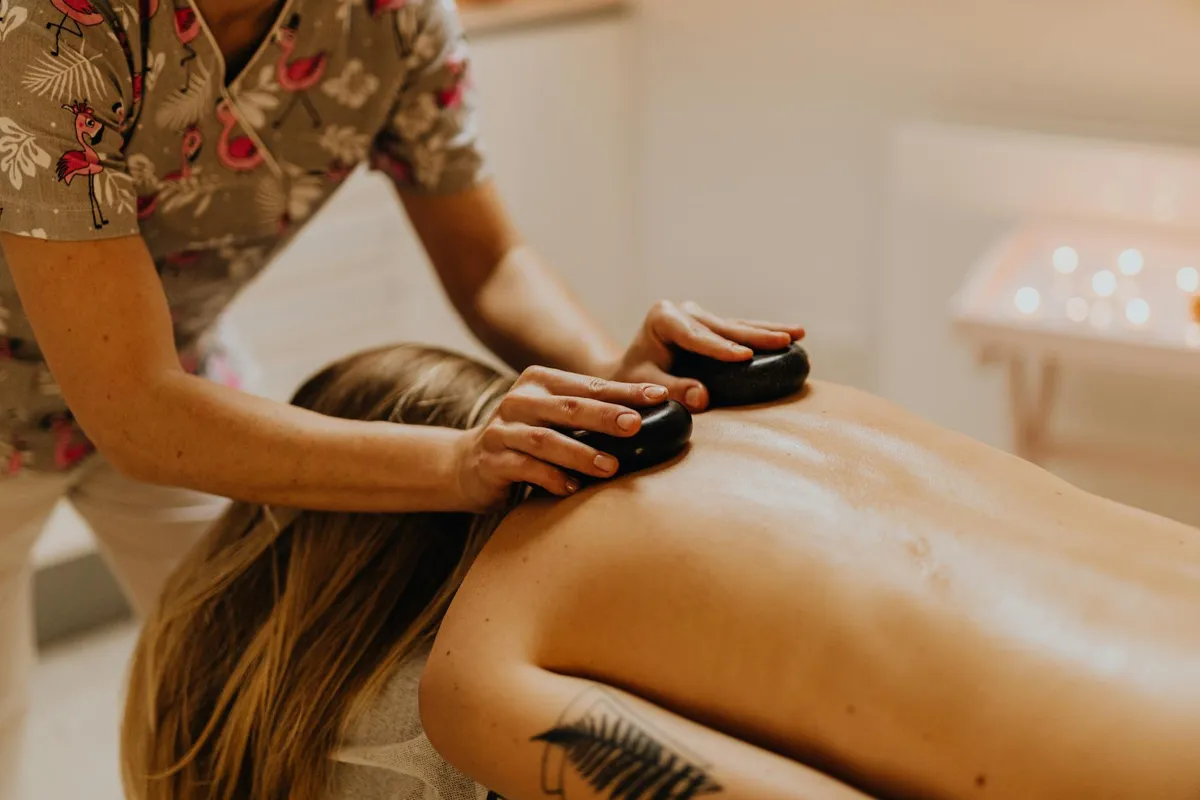
Your practitioner glides warmed stones along your muscles using long, flowing strokes, alternating with their hands to work out tension in a way that feels both firm and melting.
Using the edge or flat of a stone, your practitioner gives extra attention to tight spots like shoulders, calves, or the lower back, allowing heat to penetrate deeper than hands alone.
Stones cool naturally during use, so your practitioner swaps them out for freshly heated ones throughout the session to keep the warmth consistent and effective.
The session ends gently, giving you a few quiet moments before slowly sitting up. Your practitioner will suggest drinking plenty of water and resting as the relaxation continues to settle in.
The Evidence
What research says about Hot Stone Massage, where the evidence is limited, and how to use this modality wisely.
Relaxation benefits are plausible; specific evidence is sparse
Hot Stone Massage has a modest research base. General massage therapy has moderate support for stress and muscle tension relief, but studies isolating the effects of heated stones specifically are few, small, and methodologically limited.
Most available studies are small, lack rigorous controls, and cannot clearly separate the effects of heat from those of massage or the relaxation environment itself. General massage research offers stronger support for stress reduction and muscle tension relief. Hot Stone Massage may share these benefits, but direct evidence remains thin.
It draws on traditional wellness practices from multiple cultures and has been adapted into modern spa and clinical settings. It is not part of a conventional medical pathway, but many people use it alongside other wellness or healthcare approaches for relaxation and general wellbeing support.
Indigenous and traditional healing practices in Asia and the Americas used heat-retaining stones for therapeutic purposes long before the modern spa format emerged. The contemporary Western protocol was popularised in the 1990s and has since become a standard offering in massage therapy and wellness settings globally.
Heated basalt stones placed on or moved across the body can increase local blood flow and reduce muscle tightness. The thermal stimulus may also activate the parasympathetic nervous system, encouraging a relaxation response. Some benefit may also come from the therapeutic effects of human touch and a calm environment.
People with heart disease, high blood pressure, diabetes, blood-thinning medications, blood clot history, active skin conditions, or impaired sensation should consult a healthcare provider before booking. Pregnant individuals should confirm suitability with their obstetrician. Always inform your practitioner of any health conditions before the session begins.
It is not a primary intervention for any medical condition and should not replace professional assessment or care for ongoing health concerns. The evidence does not support inflated outcome claims. If symptoms are persistent or worsening, seek guidance from a qualified healthcare professional rather than relying on this modality alone.
Safety first
General guidance to help you decide whether this approach is appropriate for you. This is informational only and not a substitute for medical, psychological, or professional advice.
If you are pregnant, managing a health condition, recovering from injury or surgery, or taking medication, consult a qualified healthcare professional first.
Some situations call for extra care or a different approach. Share any conditions, injuries, or sensitivities with your practitioner before your first session.
Look for clear boundaries, transparent pricing, and practitioners who avoid fear-based claims or pressure to book frequent sessions.
Mild, short-lived effects such as tenderness, tiredness, or temporary soreness can occur. Rest, hydrate, and tell your practitioner how you respond.
For you?
A simple, human way to weigh it up. This is general guidance, not personal medical advice — a qualified practitioner can advise on your situation.
Gyfts is a discovery platform, not a medical provider. Nothing here diagnoses, treats or replaces professional care. In an emergency, contact your local emergency number.
Explore approaches
Other practices people often explore alongside hot stone massage.
In their words
FAQ
A session begins with a consultation about your health and preferences. You lie on a massage table while heated basalt stones are placed on your body—typically on the back, shoulders, and spine. Your practitioner performs massage techniques using both their hands and the stones to warm and relax your muscles. The heat penetrates deep into tissues, promoting relaxation and easing tension. Sessions last 60–90 minutes and end with a gradual cool-down period.
Many people experience immediate relaxation after a single session. However, cumulative benefits—such as sustained tension relief and improved sleep—often develop with multiple sessions. Some practitioners recommend weekly treatments initially, then monthly maintenance. The number of sessions needed depends on your goals, condition, and how your body responds. Your practitioner can recommend a personalized schedule.
Hot Stone Massage is generally safe for most healthy people when performed by a trained practitioner. However, it is not suitable for everyone. Those with heat sensitivity, certain skin conditions, cardiovascular issues, or nerve damage should consult a doctor first. Always communicate your health history, current medications, and comfort level with your practitioner to ensure safe treatment.
Stones are typically heated to between 120–150°F (49–65°C). This range provides therapeutic warmth without causing burns when proper technique is used. Practitioners should always test stone temperature before placing them on your skin and should use barriers like oil or towels if needed. You should never feel painfully hot—inform your practitioner immediately if the temperature is uncomfortable.
Rest for a few minutes after your session. Drink water to stay hydrated, as heat increases fluid loss. Avoid strenuous activity, intense temperature changes (like jumping into cold water), and alcohol for at least a few hours. You may feel deeply relaxed or even drowsy—this is normal. Avoid scheduling demanding activities immediately after treatment so you can fully enjoy the benefits.
Hot Stone Massage may help manage some types of chronic muscle tension and pain by promoting relaxation, improving circulation, and reducing muscle tightness. However, it should not be your sole treatment for chronic pain conditions. Work with your healthcare provider to develop a comprehensive pain management plan that may include Hot Stone Massage alongside other therapies, exercise, and medical care as appropriate.
Hot Stone Massage incorporates heated stones into traditional massage techniques, whereas regular massage relies solely on manual techniques. The addition of heat can enhance relaxation and allow deeper muscle penetration. However, both approaches use similar massage principles. The choice between them depends on your preferences, comfort with heat, and specific goals. Some people prefer one over the other; others benefit from both.
People with fever, active infections, open wounds, severe sunburn, or acute skin conditions should avoid Hot Stone Massage. Those with uncontrolled high blood pressure, recent surgery, blood clots, impaired heat sensation, or certain cardiovascular conditions should consult a doctor first. Pregnant individuals should confirm safety with their obstetrician. Always disclose your full health history to your practitioner.
References
Educational sources that inform this overview. Inclusion is for context and does not imply endorsement.
Full citations are maintained by the Gyfts editorial team and reviewed periodically.
Keep exploring
Browse practitioners, explore honest overviews, and take what you learn to a conversation — at your own pace.