The Science of Molecular Hydration
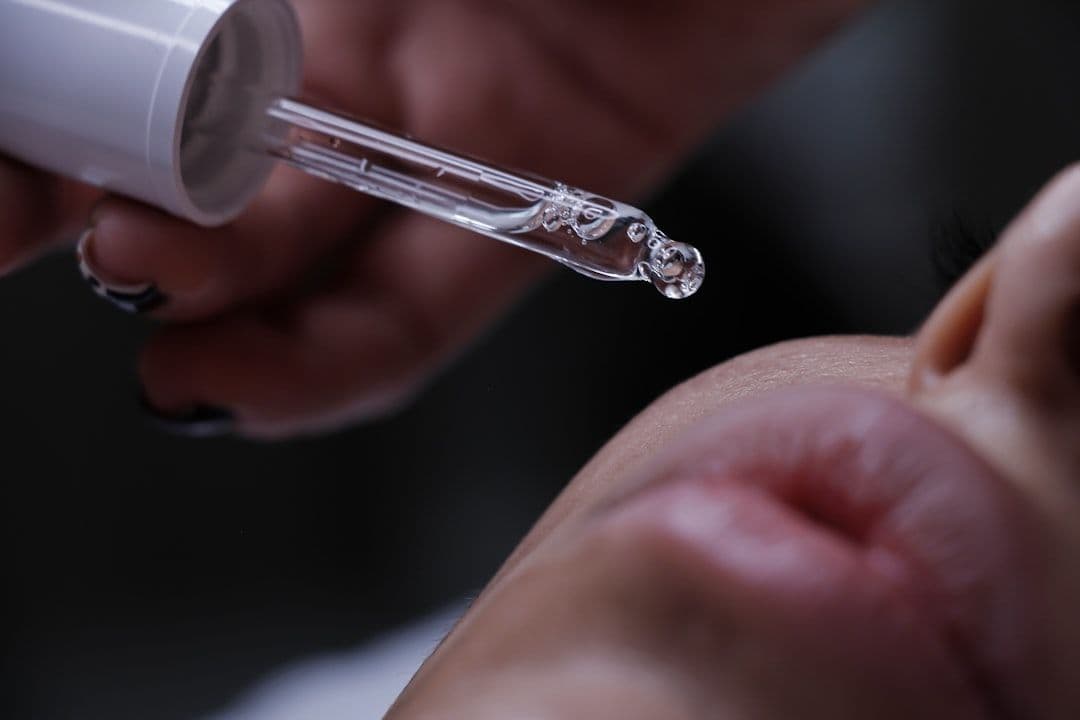
Watch a skilled aesthetician apply hyaluronic acid serum to your face, and you're witnessing one of nature's most efficient hydration mechanisms at work. The clear, gel-like substance spreading across your skin contains molecules capable of binding water at an almost impossible ratio — each hyaluronic acid molecule can hold up to 1000 times its own weight in moisture.
This isn't marketing hyperbole. It's biochemistry. Hyaluronic acid functions as what scientists call a humectant, actively drawing moisture from both the deeper layers of your skin and the surrounding environment. Once applied, these molecules create a moisture reservoir within your epidermis, temporarily plumping the skin and smoothing the appearance of fine lines.
During a professional treatment, concentrated HA solutions are applied after thorough cleansing and sometimes gentle exfoliation to enhance penetration. The process often includes massage techniques to promote absorption, followed by occlusive treatments that seal the hydration into your skin layers.
From Laboratory to Beauty Clinic
Hyaluronic acid facials represent a relatively recent evolution in skincare, emerging as biotechnology made it possible to produce stable, high-quality HA in commercial quantities. Originally discovered in the vitreous fluid of cow eyes in the 1930s, hyaluronic acid wasn't available for cosmetic use until the 1990s when researchers developed bacterial fermentation methods to create consistent, pure products.
The facial treatment itself developed alongside the growing understanding of dermal hydration mechanisms. Early applications were medical — treating osteoarthritis and eye surgery recovery. The cosmetic applications followed as research demonstrated HA's unique properties for skin hydration and its natural presence in human connective tissue.
Today's hydrating hyaluronic facials represent a bridge between medical dermatology and aesthetic skincare, using clinically-validated ingredients within spa-like treatment protocols.
How Your Skin Responds
The effects of a hyaluronic acid facial unfold in layers, quite literally. Initially, the HA molecules form a film on your skin's surface, providing immediate moisture barrier protection. More significantly, the smaller molecular weight components penetrate into the epidermis, where they bind with existing water molecules and create microscopic reservoirs of hydration.
This binding process causes the skin to temporarily swell — not dramatically, but enough to smooth fine lines and create that coveted 'plumped' appearance. Your skin's natural elasticity improves as the cellular structure becomes more hydrated, and the increased moisture content helps maintain the skin barrier function that protects against environmental damage.
The treatment works best on skin that's already properly cleansed and slightly permeable. Many practitioners combine the HA application with gentle massage or LED light therapy to enhance penetration and promote circulation, maximizing the treatment's hydrating effects.
Who Sees the Best Results
Hydrating hyaluronic facials show their most dramatic effects on chronically dehydrated skin — the kind that feels tight, looks dull, and shows fine lines that seem to appear overnight. If you've noticed that your usual moisturiser no longer seems adequate, or your skin feels parched despite your best efforts, professional HA treatments can provide the intensive hydration boost that topical products alone cannot achieve.
The treatment particularly benefits those experiencing early signs of aging, especially fine lines around the eyes, mouth, and forehead that appear more pronounced when skin is dry. People whose skin has lost its natural plumpness due to sun damage, hormonal changes, or the natural decrease in HA production that occurs after age 25 often see noticeable improvements.
Those with mature skin who want to avoid more invasive procedures often find HA facials provide meaningful results without downtime or significant side effects.
What to Expect During Treatment
A typical hydrating hyaluronic facial begins with thorough skin analysis and cleansing, often including gentle steam to open pores and prepare the skin for treatment. The practitioner may perform light exfoliation — either chemical or mechanical — to remove dead skin cells that could impede HA penetration.
The hyaluronic acid application itself usually involves multiple layers of different molecular weight formulations. Lower molecular weight HA penetrates deeper into the epidermis, while higher molecular weight versions form a protective film on the surface. The process includes specialized massage techniques designed to promote absorption without overstimulating the skin.
Most treatments conclude with an occlusive step — applying a cream or serum that seals in the hydration and prevents moisture loss. The entire process typically takes 45-60 minutes, and you'll likely notice immediate improvements in skin texture and appearance, with effects continuing to develop over the following 24-48 hours.
The Evidence Base
Clinical research supports hyaluronic acid's effectiveness for skin hydration and fine line reduction. A 2014 study published in the Journal of Clinical and Aesthetic Dermatology found that participants using topical HA showed significant improvements in skin hydration and elasticity after eight weeks, with effects lasting up to six weeks post-treatment.
More recent research has focused on delivery methods and molecular weights. Studies indicate that professional application techniques, particularly when combined with mild penetration enhancers or massage, produce superior results to home application alone. The evidence suggests that lower molecular weight HA (under 50 kDa) penetrates more effectively than larger molecules, though combinations often work best.
However, individual responses vary considerably. Some people see dramatic improvements lasting 6-8 weeks, while others notice more subtle changes that fade within 2-3 weeks. The research indicates that baseline skin condition, age, and environmental factors all influence outcomes.
Practical Considerations
Hydrating hyaluronic facials typically range from $60-150 per session, with prices varying based on location, clinic reputation, and additional techniques included. Most practitioners recommend starting with treatments every 2-3 weeks for optimal hydration, then transitioning to monthly maintenance sessions.
When selecting a practitioner, look for qualified aestheticians or dermatology nurses with specific training in HA treatments. Professional bodies such as BABTAC (British Association of Beauty Therapy & Cosmetology) or CIBTAC provide practitioner directories. Ask about their training, the specific products they use, and their experience with your particular skin concerns.
The treatment works best as part of a comprehensive skincare routine. Continue using a quality moisturiser and sun protection daily, as these support and extend the benefits of professional treatments. Many people find that combining monthly facials with high-quality home skincare products containing lower concentrations of HA provides the most sustainable results.