What It Is
A broad group of disorders — eczema, psoriasis, acne, rosacea — often tied to inflammation or immune responses.
Understanding your skin and finding what works for you
At a glance
What It Is
A broad group of disorders — eczema, psoriasis, acne, rosacea — often tied to inflammation or immune responses.
How It Presents
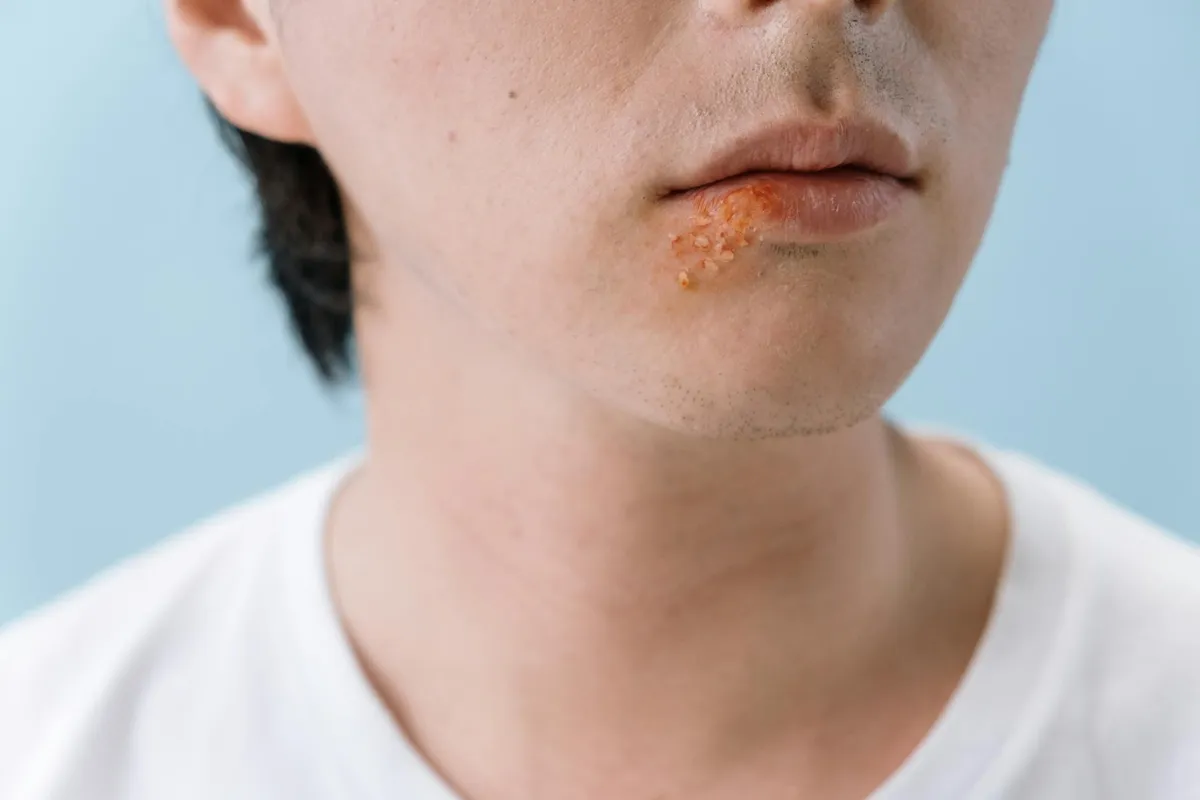
Persistent itching, redness, dryness, or texture changes that may flare with stress or diet shifts.
What May Help
Herbal formulations, dietary changes, and hydrating skin therapies are commonly explored for support.
Evidence Context
Evidence is moderate; some approaches show promise, though results vary considerably by condition and person.
See the evidence snapshotWhen to Seek Help
Seek care for rapidly spreading rashes, infected skin, systemic symptoms, or new or changing moles.
Explanation
Skin conditions encompass a broad range of dermatological disorders — including eczema, psoriasis, acne, rosacea, hives, and seborrhoeic dermatitis — that share features of inflammation, barrier dysfunction, and meaningful impact on quality of life. Many involve an interplay between immune function, gut microbiome health, hormonal influences, stress, and environmental exposures. Because skin conditions are visible and often unpredictable, they can carry a significant psychological burden. Conventional dermatological care remains essential, and complementary approaches — particularly nutritional therapy, stress management, and gut health optimization — are increasingly explored as adjuncts that may support overall skin health.
Could this be you
Skin Conditions shows up differently for everyone. Browse by how it tends to be felt — these are common experiences, not a checklist or a diagnosis.
Common experiences people describe — not a diagnostic checklist.
Why it happens
Skin Conditions usually comes from a mix of factors rather than a single cause. These are common contributors — not certainties.
Genetics and immune system variations may influence how prone someone is to conditions like eczema, psoriasis, or acne.
Chronic stress can trigger or worsen flares by activating inflammatory pathways and disrupting the skin barrier.
Gut dysbiosis, hormonal shifts, dietary triggers, and environmental irritants may all contribute to ongoing skin reactivity.
Poor sleep may impair skin repair processes and lower the threshold for stress-related or inflammatory flare-ups.
What happens in the body
Skin Conditions can involve several of the body’s systems. These are common patterns researchers describe — how they show up varies from person to person.
In many skin conditions, immune dysregulation may drive chronic inflammation, causing the skin barrier to break down and triggering cycles of flare and remission.
Imbalances in gut microbiome composition may influence systemic inflammation and immune signaling in ways that could affect skin barrier function and reactivity.
Fluctuations in hormones such as androgens and cortisol may influence sebum production, skin cell turnover, and inflammatory responses linked to acne and other conditions.
Psychological stress may activate neuroimmune pathways that heighten skin sensitivity, worsen itch perception, and contribute to flare cycles in conditions like eczema and psoriasis.
Process
Management
A doctor may discuss topical corticosteroids for reducing inflammation and itch during flares of eczema or psoriasis; potency and duration are typically guided by a dermatologist.
Some practitioners suggest herbs such as calendula, chamomile, or neem may support skin comfort; herbal formulations are traditionally used for calming redness and dryness.
Some people find that reducing common dietary triggers and supporting gut health through cleansing or detox diets may support clearer, calmer skin over time.
Hydrating hyaluronic facials and gentle herbal facial treatments are explored by some people to support skin barrier function and reduce the appearance of inflammation.
Some practitioners suggest IV drip therapy delivering vitamins and antioxidants may support overall skin health, particularly where nutritional deficiencies may be contributing to flares.
Self-Care
Some people find that reducing processed foods, refined sugars, and common triggers like dairy or gluten may support calmer skin over time.
Using fragrance-free, minimal-ingredient products and avoiding harsh scrubbing may help protect the skin barrier and reduce flare frequency.
Keeping a simple log of diet, stress, sleep, and products may help reveal patterns that precede flares, making them easier to manage.
Some practitioners suggest that probiotic-rich foods, adequate fiber, and staying hydrated may support the gut-skin connection over time.
Techniques such as breathwork, gentle movement, or mindfulness may help reduce stress-related flares, which many people with skin conditions report experiencing.
The Evidence
What research and clinical practice currently suggest about holistic and complementary approaches to common skin conditions.
A growing evidence base, with conventional care remaining central
Research into complementary approaches for skin conditions is active and expanding, particularly around nutrition, stress management, and gut health. Evidence quality varies considerably by condition and approach, and dermatological care remains the essential foundation.
Stress management has moderate support for its role in eczema and psoriasis flares. Probiotics show emerging evidence for atopic dermatitis, particularly in children. Anti-inflammatory dietary patterns have growing research interest. Herbal topicals such as aloe vera have variable evidence. Overall, the field is active but not yet definitive for most complementary approaches.
Conventional dermatology offers well-evidenced interventions including topical therapies, systemic medications, and UV phototherapy for conditions like psoriasis. Complementary approaches are increasingly explored as adjuncts — not replacements — for conventional care. A combined approach, guided by qualified practitioners, tends to reflect current best practice.
Holistic frameworks consider how gut microbiome balance, stress responses, hormonal fluctuations, and immune function may all contribute to skin reactivity. Addressing these interconnected systems — through nutrition, stress support, and lifestyle — may complement conventional care. Evidence for this integrated view is growing, though individual responses vary considerably.
Traditional Chinese medicine dermatology has a long practice history but limited high-quality controlled trial data. Many nutritional and herbal studies are small or short-term. This does not mean approaches are ineffective — it reflects where research investment has been directed. Interpreting limited evidence carefully, without inflated outcome claims, is important.
Seek professional assessment for rapidly spreading rashes, skin changes accompanied by fever, new or changing moles, signs of skin infection, or a rash appearing alongside joint pain. These presentations may indicate conditions requiring prompt medical attention. New or changing skin lesions should always be assessed by a dermatologist before exploring complementary options.
A dermatologist provides essential assessment and medical management. Nutritional therapists, naturopaths, or integrative practitioners may support gut health, dietary, and lifestyle factors as adjuncts. Acupuncture and herbal medicine practitioners with dermatology experience may also be relevant. Informing all practitioners of any treatments being used helps ensure safe, coordinated care.
Safety first
Skin Conditions is manageable, and support helps. Some situations call for prompt professional help.
Explore approaches
Practices people explore for skin conditions — alongside professional care.
FAQ
Many skin conditions have immune and inflammatory components that respond to internal and external triggers. Stress, diet, and environment may all influence flare cycles. Some people find that identifying personal triggers helps reduce flare frequency.
Some people find that certain foods — like dairy or refined sugar — appear to influence their symptoms. Evidence is mixed and highly individual. Keeping a food and symptom diary may help you spot personal patterns.
Some practitioners suggest approaches like stress management, omega-3 intake, and gentle skincare routines as supportive measures. Evidence varies by condition and method. These are generally best used alongside, not instead of, conventional care.
Seek prompt medical attention for rapidly spreading rashes, skin changes accompanied by fever, or any new or changing moles. Signs of infection — warmth, swelling, or discharge — also warrant professional evaluation.
The visible nature of many skin conditions can contribute to self-consciousness and social discomfort. This psychological impact is real and widely reported. Some people find that addressing stress and emotional wellbeing supports their overall skin health journey.
Keep exploring
Browse practitioners, explore honest overviews, and take what you learn to a conversation — at your own pace.