What it is
A gentle facial that uses hyaluronic acid to deeply hydrate and soften your skin.
A hydrating Hyaluronic Facial is a skincare treatment that applies hyaluronic acid to the skin to boost moisture, reduce fine lines, and ...
At a glance
What it is
A gentle facial that uses hyaluronic acid to deeply hydrate and soften your skin.
Why explore it
It may leave skin looking plumper and smoother, and it's kind to sensitive or reactive skin types.
How it’s experienced
Serums are layered onto clean skin, leaving an instant dewy glow with zero downtime needed.
Evidence context
Research supports hyaluronic acid for hydration and fine lines, though results vary by skin and product.
See the evidence snapshotSafety
Very low-risk for most people, but check with a dermatologist if you have active skin concerns.
See staying safeHistory & Origin
Hydrating Hyaluronic Facial is a facial treatment that uses hyaluronic acid to hydrate and rejuvenate the skin.
Hyaluronic acid (HA) was first isolated in the 1930s from rooster combs, though the substance naturally occurs throughout the human body, particularly in connective tissues and the dermis layer of skin. In the 1980s and 1990s, as cosmetic dermatology advanced, scientists recognized hyaluronic acid's exceptional ability to bind and retain water molecules—up to 1000 times its own weight—making it an ideal humectant for skincare formulations.
The use of hyaluronic acid in aesthetic treatments gained significant momentum in the 2000s as skincare companies began incorporating it into serums, moisturizers, and professional facial treatments. Japanese and South Korean beauty industries were early adopters, incorporating HA-infused treatments into their multi-step skincare philosophies, which then spread globally through the influence of K-beauty and J-beauty trends.
The hyaluronic facial as a dedicated professional treatment emerged in the 2010s, combining HA serums and masques with delivery methods designed to enhance penetration and absorption. Aesthetic practitioners and dermatologists began offering these facials as part of comprehensive skincare regimens, particularly for clients seeking hydration-focused treatments without aggressive exfoliation or invasive procedures.
Today, the Hydrating Hyaluronic Facial is offered widely across spas, skincare clinics, and dermatology offices, with numerous formulations, concentrations, and supplementary technologies integrated into the treatment protocol.
Top symptoms
Mechanism
Hydrating Hyaluronic Facial is generally described as working through skilled touch, careful pacing, and the body's response to pressure, movement, warmth, or stillness. Practitioners may focus on muscle tone, joint comfort, circulation, breath, or relaxation depending on the method. Traditional explanations may also include energy flow or whole-person balance. Research support varies by modality, so the experience is best framed as supportive care with outcomes that vary. Hyaluronic acid functions as a humectant, drawing moisture from the dermis and environment into the epidermis and binding it within skin cells—a single HA molecule can hold up to 1000 times its weight in water.
Your first visit
A typical session outline to help you feel prepared
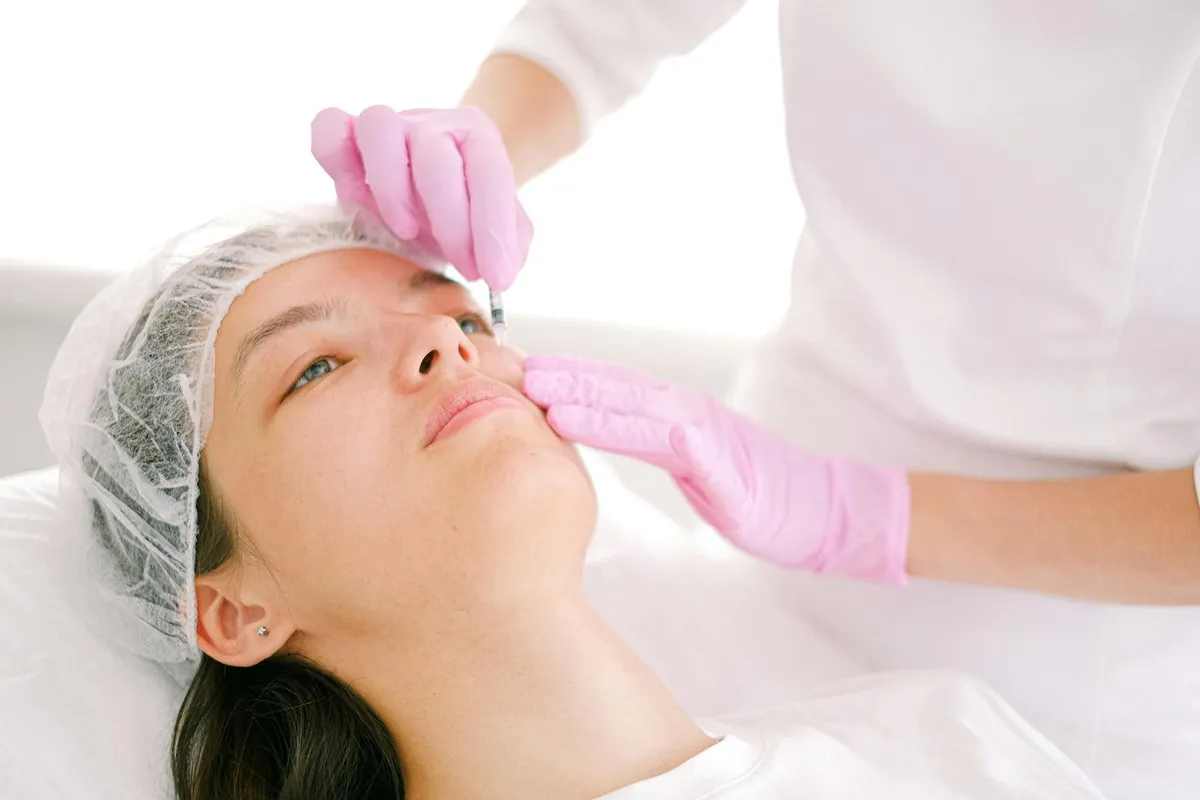
A Hydrating Hyaluronic Facial is a gentle, skin-loving treatment that layers moisture-rich products onto your face to leave you feeling plump and radiant.
Your practitioner greets you and reviews a short intake form covering your skin type, any sensitivities, and your hydration concerns before anything touches your face.
Under good lighting, your practitioner examines your skin up close, noting dry patches, texture, and tone so they can tailor the hyaluronic serum layers to your specific needs.
A mild, non-stripping cleanser is massaged across your face and neck to remove makeup, oil, and surface debris, leaving your skin clean and ready to absorb what comes next.
A soft exfoliant is applied and worked gently across the skin to sweep away dead cells, which helps the hyaluronic acid serums penetrate more effectively.
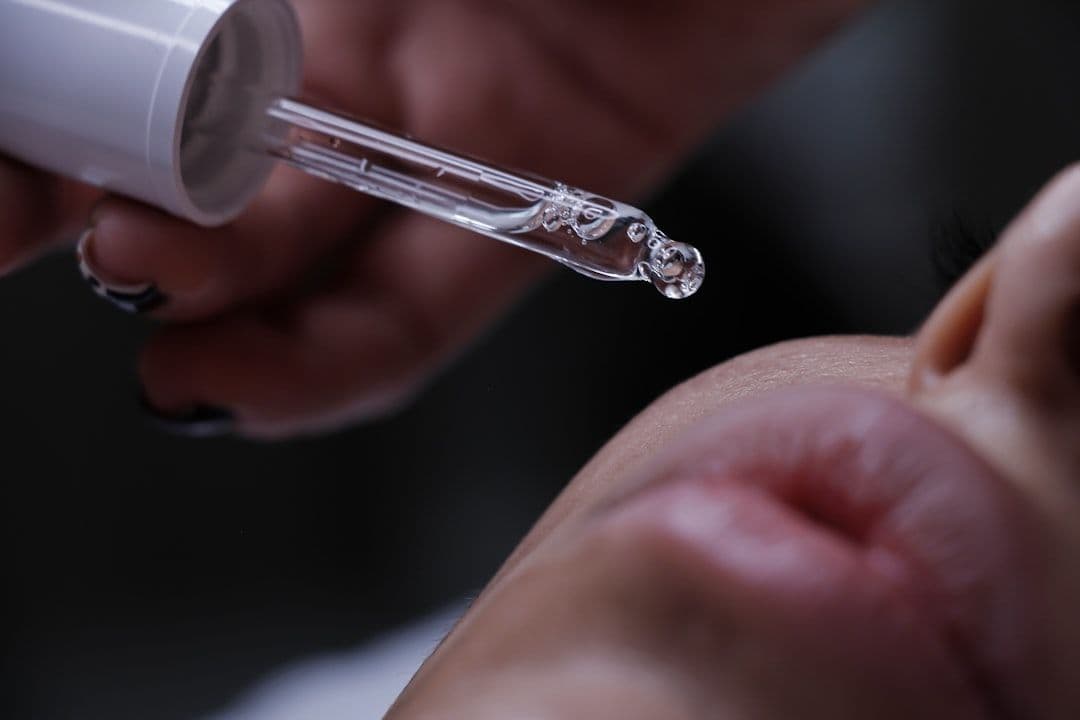
This is the heart of the facial — your practitioner applies one or more hyaluronic acid serums in thin layers, allowing each to absorb before the next is added, drawing moisture deep into the skin.
A hydrating mask is spread over your face and left on for roughly ten to fifteen minutes while you relax, sealing in the serums and giving your skin a long, cooling drink of moisture.
The mask is gently removed and a toner or mist is applied to balance the skin and prep it to absorb the finishing products your practitioner will apply next.
A moisturizer and SPF are applied to lock everything in, and your practitioner shares simple at-home tips for keeping your skin hydrated until your next monthly session.
The Evidence
What research and practice tell us about hyaluronic acid facials and skin hydration.
Well-supported for hydration; more modest for long-term skin change
Topical hyaluronic acid has a solid research base supporting short-term improvements in skin moisture, texture, and fine line appearance. Evidence for lasting structural skin change is more limited, and this treatment is not a substitute for professional assessment of underlying skin conditions.
Multiple peer-reviewed studies confirm that topical hyaluronic acid meaningfully improves skin moisture content, elasticity, and the appearance of fine lines in the short term. Effects are most pronounced in the hours and days following application. Evidence for reversing deeper wrinkles or producing lasting structural change is more modest, and inflated outcome claims should be viewed with caution.
Hyaluronic acid occurs naturally in the body and can hold up to 1000 times its weight in water. Applied topically, it draws moisture into the outer skin layers, temporarily plumping the dermis and improving surface texture. Professional facials often combine HA serums with gentle exfoliation, massage, or LED therapy to support penetration and barrier function.
Hyaluronic acid was first isolated in the 1930s. Its cosmetic use expanded significantly in the 2000s, shaped in part by Japanese and South Korean beauty traditions that prioritised layered hydration. The dedicated hyaluronic facial emerged as a professional treatment in the 2010s, combining HA-rich formulations with delivery techniques developed from aesthetic dermatology practice.
People with active skin infections, severely compromised skin barriers, or recent invasive facial procedures should postpone this treatment or seek dermatologist guidance first. A patch test is advisable for reactive or sensitive skin. Pregnant individuals should discuss any skincare treatment with their healthcare provider, though topical HA is generally considered low risk.
This treatment addresses surface hydration and temporary skin appearance. It does not address underlying dermatological conditions, hormonal factors, or structural skin ageing. If you have persistent skin concerns, unresponsive dryness, or unexplained skin changes, a qualified dermatologist or healthcare provider should be consulted rather than relying on cosmetic facials alone.
Look for practitioners with recognised aesthetics or skincare qualifications and experience with HA-based treatments. Reputable providers will conduct a brief skin assessment, discuss your skin history, and use professional-grade formulations. Avoid providers who make inflated outcome claims or discourage you from seeking medical advice for skin concerns that warrant it.
Safety first
General guidance to help you decide whether this approach is appropriate for you. This is informational only and not a substitute for medical, psychological, or professional advice.
If you are pregnant, managing a health condition, recovering from injury or surgery, or taking medication, consult a qualified healthcare professional first.
Some situations call for extra care or a different approach. Share any conditions, injuries, or sensitivities with your practitioner before your first session.
Mild, short-lived effects such as tenderness, tiredness, or temporary soreness can occur. Rest, hydrate, and tell your practitioner how you respond.
Look for clear boundaries, transparent pricing, and practitioners who avoid fear-based claims or pressure to book frequent sessions.
For you?
A simple, human way to weigh it up. This is general guidance, not personal medical advice — a qualified practitioner can advise on your situation.
Gyfts is a discovery platform, not a medical provider. Nothing here diagnoses, treats or replaces professional care. In an emergency, contact your local emergency number.
Explore approaches
Other practices people often explore alongside hydrating hyaluronic facial.
In their words
FAQ
Hyaluronic acid is a naturally occurring humectant found throughout the human body, particularly in the skin and connective tissues. It has the remarkable ability to hold up to 1000 times its own weight in water, making it exceptionally effective at hydrating and plumping the skin. In facials, HA-based serums and masks deliver concentrated hydration that helps reduce fine lines, improve skin texture, and restore a youthful, dewy appearance. It is gentle, suitable for most skin types, and works synergistically with other hydrating and nourishing ingredients.
Most people notice improved hydration and a brighter complexion immediately after a single treatment, with benefits typically lasting 3–7 days. For sustained, cumulative results—such as improved elasticity and reduced fine lines—practitioners recommend monthly facials or treatments spaced 4–6 weeks apart over a series of 3–6 sessions. Long-term results are best maintained through regular treatments combined with a consistent home skincare routine that includes hyaluronic acid serums and moisturizers.
Yes, hyaluronic acid is generally very safe and well-tolerated by sensitive skin types because it is a naturally occurring substance and is gentle and non-irritating. However, the overall facial experience depends on the other ingredients and techniques used. Inform your practitioner of your sensitivities, and they can customize the treatment—such as skipping exfoliation or using fragrance-free formulations—to ensure comfort and minimize any risk of irritation.
Yes, hyaluronic acid is beneficial for all skin types, including oily and acne-prone skin. HA is a lightweight humectant that hydrates without adding heaviness or clogging pores. Well-hydrated skin can actually help balance sebum production and support the skin barrier, potentially reducing breakouts. However, avoid combining a hyaluronic facial with other aggressive treatments, and ensure your practitioner uses non-comedogenic formulations and proper sanitation protocols.
A typical hyaluronic facial session lasts 45–60 minutes, including consultation, cleansing, treatment application, masking time, and final moisturizing and sun protection steps. Some practices offer express versions lasting 30–40 minutes, while comprehensive facials with additional modalities may extend to 75–90 minutes. Your practitioner will outline the timeline during your initial consultation.
After your facial, avoid hot water, heavy makeup, and active skincare ingredients (like retinol or vitamin C) for 24 hours to allow the skin to fully absorb the hydration. Drink plenty of water to support internal hydration, use broad-spectrum SPF 30+ daily, and maintain a consistent home routine with hyaluronic acid serums and moisturizers. Avoid sun exposure and chlorinated pools for at least 24 hours post-treatment. Your practitioner will provide detailed aftercare instructions tailored to your specific needs.
While many facials incorporate hydrating ingredients, a dedicated hyaluronic facial specifically emphasizes HA-based serums and masks to maximize moisture delivery and skin plumping. Other hydrating facials might focus on different actives like glycerin, ceramides, or peptides. The hyaluronic approach is particularly effective for fine lines and dull skin because HA's water-binding capacity creates immediate plumping and luminosity. Some practitioners combine HA with complementary technologies—such as facial rollers, LED light therapy, or ultrasonic devices—to enhance penetration and results.
Hyaluronic acid applied topically has minimal risk of adverse effects for most people. Mild redness may occur if exfoliation is included in the facial, but this typically resolves within a few hours. Rarely, individuals may experience slight irritation if they are sensitive to specific formula ingredients or preservatives. Always inform your practitioner of known sensitivities, and perform a patch test if you have a history of reactive skin. Serious allergic reactions are extremely uncommon.
References
Educational sources that inform this overview. Inclusion is for context and does not imply endorsement.
Full citations are maintained by the Gyfts editorial team and reviewed periodically.
Keep exploring
Browse practitioners, explore honest overviews, and take what you learn to a conversation — at your own pace.