When Oxygen Becomes Medicine Under Pressure
Picture breathing pure oxygen whilst submerged three storeys underwater. That's the pressure your body experiences inside a medical-grade hyperbaric chamber — a sealed, rigid cylinder where atmospheric pressure reaches 2.0 to 3.0 times normal whilst you breathe 100% oxygen through a mask or hood.
This isn't simply oxygen therapy with a twist. At these pressures, oxygen dissolves directly into blood plasma at levels impossible to achieve through normal breathing, even with supplemental oxygen. Your plasma oxygen content increases ten to fifteen-fold, allowing oxygen to reach tissues where damaged blood vessels can no longer deliver red blood cells.
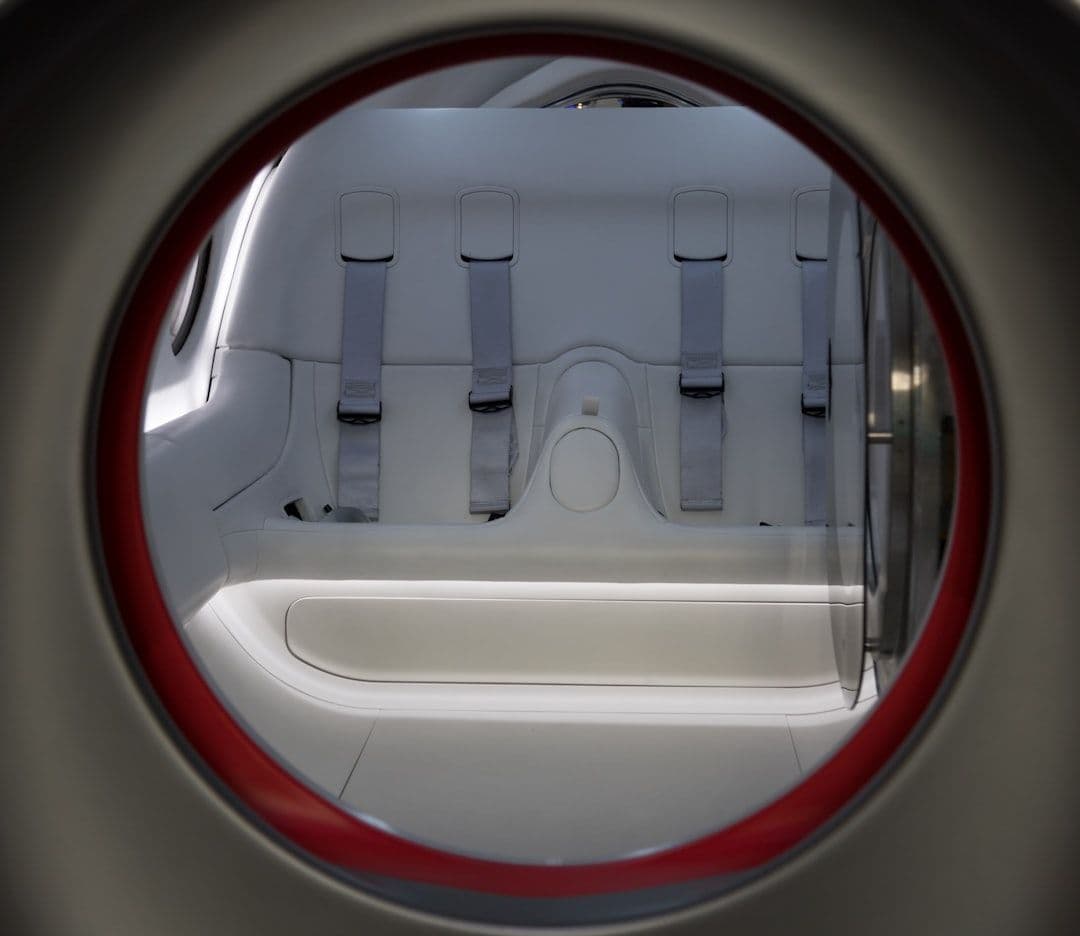
The chamber itself resembles a transparent submarine — some designed for single patients (monoplace), others accommodating multiple people (multiplace). The experience is medically supervised, precisely controlled, and distinctly different from the mild hyperbaric chambers increasingly marketed to consumers.
From Diving Medicine to Wound Healing
Hyperbaric medicine emerged from naval necessity. In the 1930s, military diving operations and compressed air work led to decompression sickness — nitrogen bubbles forming in blood and tissues when divers ascended too quickly. Physicians discovered that recompressing patients in chambers, then slowly reducing pressure whilst breathing oxygen, could dissolve these dangerous bubbles.
By the 1960s, researchers noticed something intriguing: patients treated for decompression sickness often showed remarkable healing in chronic wounds. This observation sparked decades of research into hyperbaric oxygen's effects on tissue repair, angiogenesis, and infection control.
Today's medical-grade HBOT represents sophisticated pressure medicine, regulated as a medical device and delivered in specialised centres. It has evolved far beyond its diving origins into a precisely calibrated intervention for conditions where normal oxygen delivery fails.
The Physics of Healing
Under normal conditions, oxygen travels through your bloodstream attached to haemoglobin in red blood cells. But damaged or infected tissues often lack adequate blood flow — red blood cells simply cannot reach where they're needed most.
Medical-grade HBOT bypasses this limitation through physics. Henry's Law dictates that gases dissolve into liquids proportionally to pressure. At 2.5 atmospheres breathing pure oxygen, enough oxygen dissolves directly into plasma to sustain tissues even without red blood cell delivery.
This hyperoxygenation triggers cascading biological responses: new blood vessel formation (angiogenesis), enhanced collagen production for tissue repair, and supercharged white blood cell activity against bacteria. For decompression sickness, Boyle's Law explains the direct effect — increased pressure physically shrinks nitrogen bubbles, whilst high oxygen concentrations help wash nitrogen from tissues.
The therapeutic window is precise. Too little pressure provides insufficient oxygen delivery. Too much pressure risks oxygen toxicity — seizures caused by oxygen becoming poisonous to the central nervous system.
Who Benefits: Beyond the Marketing Claims
Medical-grade HBOT has proven efficacy for a surprisingly narrow range of conditions, despite broad marketing. NICE and the FDA recognise specific indications where evidence is robust: decompression sickness, gas gangrene, diabetic foot ulcers failing standard care, radiation-induced tissue death, and certain severe anaemias.
Diabetic patients with non-healing foot ulcers represent the largest treatment group. These wounds, compromised by poor circulation and elevated blood sugar, often resist conventional therapy. Multiple randomised trials show HBOT significantly improves healing rates and reduces amputation risk when added to standard wound care.
Cancer patients experiencing radiation-induced complications — bone death in the jaw after dental procedures, bowel damage from pelvic radiotherapy — may benefit from HBOT's ability to stimulate new blood vessel growth in radiation-damaged tissues.
However, evidence remains weak or absent for many promoted uses: autism, chronic fatigue, fibromyalgia, or general anti-ageing. These applications rely on theoretical mechanisms rather than clinical proof.
Inside the Chamber
A typical medical-grade HBOT session unfolds with methodical precision. After medical screening and ear pressure equalisation checks, you enter the chamber — either alone in a clear acrylic cylinder, or with others in a larger steel chamber resembling a hospital room.
Pressurisation begins gradually, similar to aircraft descent but in reverse. Your ears pop as pressure increases. This compression phase takes 10-15 minutes to reach treatment pressure. You then breathe pure oxygen for 60-90 minutes, often with brief "air breaks" to prevent oxygen toxicity.
Decompression reverses the process slowly — too rapid an ascent could cause the same problems HBOT treats in divers. The entire session lasts 90-120 minutes.
Treatment protocols are condition-specific: 20-30 sessions for wound healing, 20-40 for radiation damage, with sessions typically scheduled five days weekly. Some patients read, listen to music, or simply rest during the oxygen breathing phases.
The Evidence: Strong Where It Matters
Medical-grade HBOT stands on solid scientific ground for its approved indications. The 2019 Cochrane review of HBOT for diabetic foot ulcers found clear evidence of improved healing and reduced amputation rates. A landmark 2014 randomised trial in Cancer showed HBOT significantly improved quality of life and reduced symptoms in patients with radiation-induced bladder complications.
For decompression sickness, the evidence is overwhelming — HBOT remains the definitive treatment with no acceptable alternative. Multiple systematic reviews confirm its efficacy for gas gangrene and necrotising soft tissue infections.
However, research quality drops precipitously for off-label uses. Autism trials show no consistent benefit despite parental testimonials. Chronic fatigue and fibromyalgia studies remain small, uncontrolled, or contradictory. The gap between marketing claims and clinical evidence remains substantial.
Accessing Treatment: Costs and Practicalities
Medical-grade HBOT requires specialised facilities — typically hospital-based hyperbaric medicine centres or dedicated wound healing clinics. Each session costs £200-400 privately, with full treatment courses reaching £8,000-15,000. NHS funding covers approved indications but waiting lists can be lengthy.
Look for centres accredited by the Royal College of Physicians or staffed by physicians certified in hyperbaric medicine. The European Committee for Hyperbaric Medicine maintains practitioner directories. Avoid facilities promoting unproven uses or making unrealistic claims.
Before treatment, expect comprehensive medical evaluation including chest X-rays, lung function tests, and ear examination. Some conditions absolutely contraindicate HBOT — untreated pneumothorax, certain medications, or claustrophobia severe enough to prevent chamber entry.
The time commitment is substantial: daily treatments for 4-8 weeks. Plan accordingly for work and travel schedules. Most importantly, ensure your condition falls within evidence-based indications before committing to this intensive, expensive intervention.