What it is
HBOT delivers pure oxygen under pressure in a rigid chamber to boost tissue healing.
Oxygen under pressure — proven for wounds, diving injuries, and radiation damage; unproven for much else.
At a glance
What it is
HBOT delivers pure oxygen under pressure in a rigid chamber to boost tissue healing.
Why explore it
For conditions like diabetic wounds or decompression sickness, HBOT may support recovery.
How it’s experienced
You breathe pure oxygen in a pressurized chamber for 90 to 120 minutes per session.
Evidence context
Evidence is strong for approved uses, but off-label claims like anti-aging lack solid support.
See the evidence snapshotSafety
Side effects can include ear pressure and rare seizures, so physician oversight is essential.
See staying safeHistory & Origin
Medical-grade HBOT delivers oxygen at pressures and concentrations that dramatically increase tissue oxygenation, angiogenesis, and wound healing beyond what mild HBOT or supplemental oxygen can achieve.
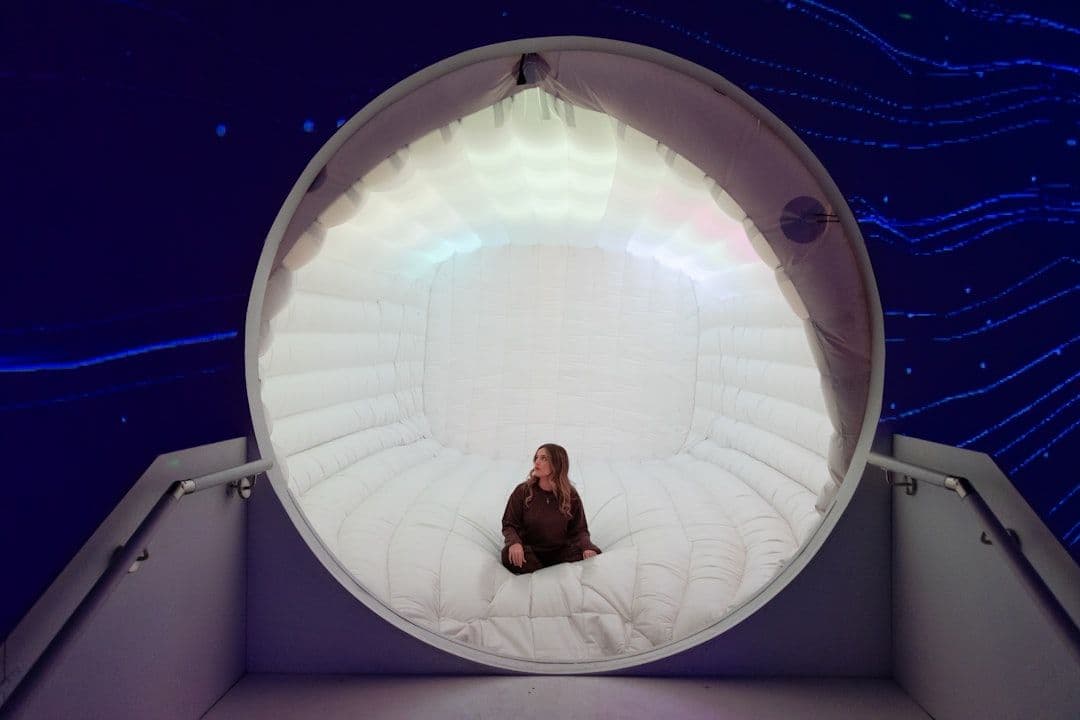
Hyperbaric medicine originated in the 17th century with compressed air therapy. Modern medical HBOT developed from diving medicine in the mid-20th century. The Undersea and Hyperbaric Medical Society (UHMS) was founded in 1967 to establish clinical standards. The FDA currently approves HBOT for 13 specific indications including decompression sickness, gas embolism, carbon monoxide poisoning, diabetic lower-extremity wounds, radiation tissue damage, and necrotising soft tissue infections. Controversy surrounds the widespread off-label marketing of HBOT for conditions including traumatic brain injury, autism, cerebral palsy, stroke recovery, and anti-ageing — where evidence is insufficient or absent. It is critical to distinguish medical-grade HBOT (2.0–3.0 ATA, rigid chamber, 100% O2) from consumer ''mild HBOT'' (1.3–1.5 ATA, soft chamber, enriched air) which cannot achieve the same physiological effects.
Mechanism
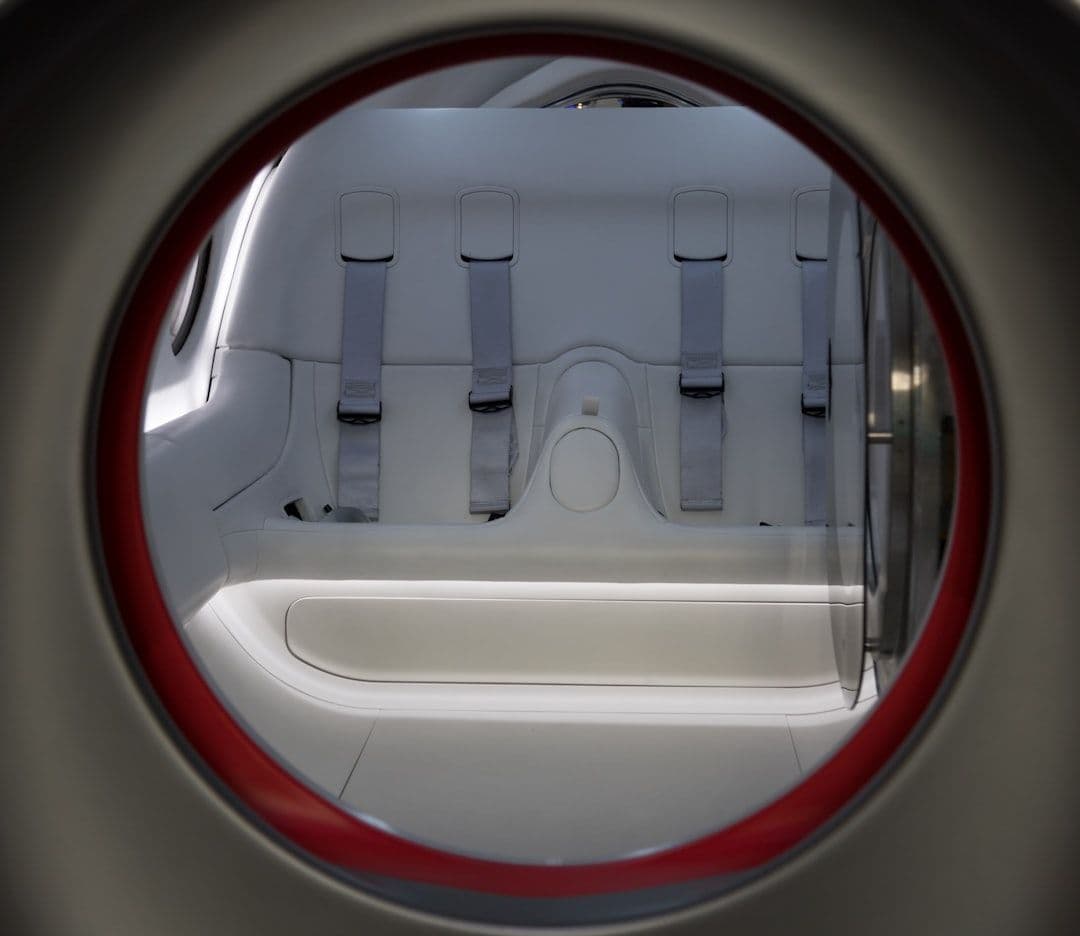
Hyperbaric Oxygen Therapy (Medical-Grade) is generally framed as a guided process for attention, reflection, learning, and emotional integration. Depending on the method, a practitioner may use conversation, imagery, structured exercises, body awareness, or therapeutic techniques to help the person explore patterns and choices. It should not be presented as a standalone solution or a substitute for urgent care, but it may support self-understanding when practiced within an appropriate scope. The patient breathes 100% oxygen inside a rigid pressurised chamber (monoplace or multiplace) at 2.0–3.0 ATA.
Your first visit
A typical session outline to help you feel prepared
You'll relax inside a pressurized chamber breathing pure oxygen, giving your body a powerful boost of healing support over one to two comfortable hours.
You'll meet your technician, review your physician's prescription, and go over your health history and current symptoms to make sure everything is ready for your session.
Your technician walks you through what to expect, including pressure changes and ear sensations, and explains what items like lighters, electronics, and petroleum-based products must stay outside the chamber.
You'll change into a 100% cotton gown provided by the facility, since synthetic fabrics aren't permitted inside. Remove jewelry, hearing aids, and any lotions or oils from your skin.
You'll step into or slide into the hyperbaric chamber, which may be a clear acrylic tube or a larger multi-person room depending on the facility. Get settled in a comfortable position before the door is sealed.
The chamber slowly pressurizes, typically to 1.5 to 3 times normal atmospheric pressure. You'll feel a fullness in your ears similar to descending in an airplane, and your technician will coach you th
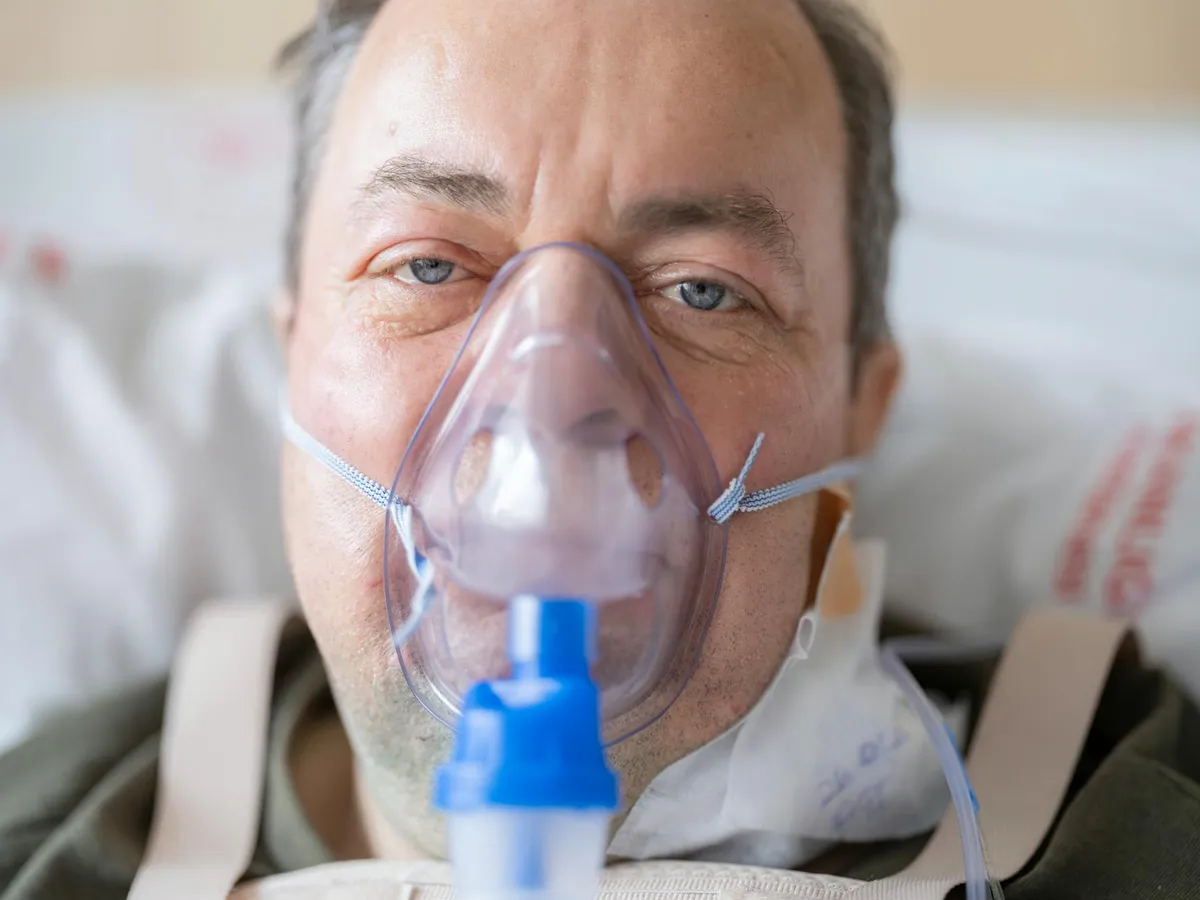
Once at full pressure you'll breathe 100% pure oxygen through a mask or hood for the main portion of the session, usually 60 to 90 minutes. Many people read, watch TV, or simply rest during this time.
Your technician gradually reduces the chamber pressure at the end of the session. You may notice a slight popping sensation in your ears again as the cabin returns to normal atmospheric pressure.
You'll step out, check in with your technician about how you felt, and receive any follow-up guidance. Mild fatigue or lightheadedness is normal and typically fades quickly after drinking water and resting briefly.
The Evidence
Medical-grade HBOT has strong evidence for approved indications and limited or absent evidence for many off-label uses. Understanding this distinction matters.
Evidence is strong where approved — and limited beyond that
Medical-grade HBOT is well-supported by clinical evidence for its FDA-approved indications, including decompression sickness, carbon monoxide poisoning, and diabetic wound care. For off-label uses such as TBI, stroke recovery, and anti-ageing, evidence is preliminary, mixed, or absent.
Cochrane reviews support HBOT for diabetic foot ulcers, decompression sickness, and late radiation tissue injury. The UHMS maintains a reviewed list of approved indications. For these uses, HBOT is considered evidence-based and is integrated into standard medical care in many countries.
Off-label applications including TBI, autism, cerebral palsy, and anti-ageing range from preliminary to unsupported. Several RCTs for TBI have produced mixed or negative results. The FDA has issued warnings about misleading marketing for unapproved conditions. Consumers should verify whether their intended use is an approved indication before committing to costly treatment courses.
At 2.0–3.0 ATA, plasma oxygen levels increase 10–15 fold, reaching ischaemic tissues where circulation is compromised. This stimulates angiogenesis, collagen synthesis, and immune cell activity. For decompression sickness, elevated pressure directly reduces nitrogen bubble volume. Sessions last 60–120 minutes and require physician prescription and certified facilities.
Possible side effects include ear barotrauma, temporary myopia, and rarely oxygen toxicity seizures. Fire risk from 100% oxygen requires strict facility protocols. HBOT must be delivered under physician supervision in certified hyperbaric facilities. It is not interchangeable with consumer soft-chamber mild HBOT, which operates at lower pressures and cannot replicate the same physiological effects.
HBOT is typically used alongside — not instead of — standard wound care, infection management, or emergency medicine. For diabetic foot ulcers and radiation injury, it is an adjunct that supports healing when conventional approaches alone are insufficient. It does not replace primary medical assessment or ongoing specialist care.
Legitimate medical-grade HBOT is delivered in hospital or accredited outpatient hyperbaric units by trained technicians under physician oversight. If you are considering HBOT for an off-label purpose, discuss the current evidence with a qualified clinician before committing to a course of sessions. Be cautious of inflated outcome claims from providers marketing HBOT for unapproved conditions.
Safety first
General guidance to help you decide whether this approach is appropriate for you. This is informational only and not a substitute for medical, psychological, or professional advice.
If you are pregnant, managing a health condition, recovering from injury or surgery, or taking medication, consult a qualified healthcare professional first.
Some situations call for extra care or a different approach. Share any conditions, injuries, or sensitivities with your practitioner before your first session.
Look for clear boundaries, transparent pricing, and practitioners who avoid fear-based claims or pressure to book frequent sessions.
Mild, short-lived effects such as tenderness, tiredness, or temporary soreness can occur. Rest, hydrate, and tell your practitioner how you respond.
For you?
A simple, human way to weigh it up. This is general guidance, not personal medical advice — a qualified practitioner can advise on your situation.
Gyfts is a discovery platform, not a medical provider. Nothing here diagnoses, treats or replaces professional care. In an emergency, contact your local emergency number.
Explore approaches
Other practices people often explore alongside hyperbaric oxygen therapy.
In their words
Read next
FAQ
Medical-grade HBOT uses rigid chambers at 2.0–3.0 ATA with 100% oxygen, achieving plasma oxygen levels 10–15x normal. Mild/consumer HBOT uses soft chambers at 1.3–1.5 ATA with enriched air, producing much lower oxygen increases. They are clinically different treatments.
FDA-approved indications include decompression sickness, gas embolism, carbon monoxide poisoning, diabetic lower-extremity wounds, radiation tissue damage, and several others (13 total). These have strong evidence.
These are off-label uses without sufficient evidence. Several TBI trials have produced mixed or negative results. The FDA has warned about misleading marketing of HBOT for unapproved conditions. Consumers should verify whether their intended use is an approved indication.
For approved indications under medical supervision, HBOT has an established safety profile. Risks include ear barotrauma, temporary vision changes, and rare oxygen toxicity seizures. The 100% oxygen environment requires strict fire safety protocols.
Yes — medical-grade HBOT typically costs significantly more per session than mild HBOT. Treatment courses for approved indications (e.g., 30–40 sessions for diabetic wounds) represent a substantial investment. Insurance coverage varies by indication and jurisdiction.
References
Educational sources that inform this overview. Inclusion is for context and does not imply endorsement.
Full citations are maintained by the Gyfts editorial team and reviewed periodically.
Keep exploring
Browse practitioners, explore honest overviews, and take what you learn to a conversation — at your own pace.