Before Your Appointment
Bring your complete medical records, including pathology reports, imaging results, and current treatment protocols. Your integrative oncologist needs to understand your cancer type, stage, and every medication or therapy you're receiving. Include over-the-counter supplements, herbal remedies, and any complementary treatments you've tried.
Prepare a detailed symptom diary covering the past two weeks. Note energy levels, sleep patterns, appetite changes, pain locations and intensity, nausea frequency, and emotional wellbeing. This information helps identify which evidence-based interventions might benefit you most.
Wear comfortable clothing as you may undergo a physical examination. Avoid taking new supplements or starting any complementary therapies in the week before your appointment—your physician needs to assess your baseline state.
The Consultation Process
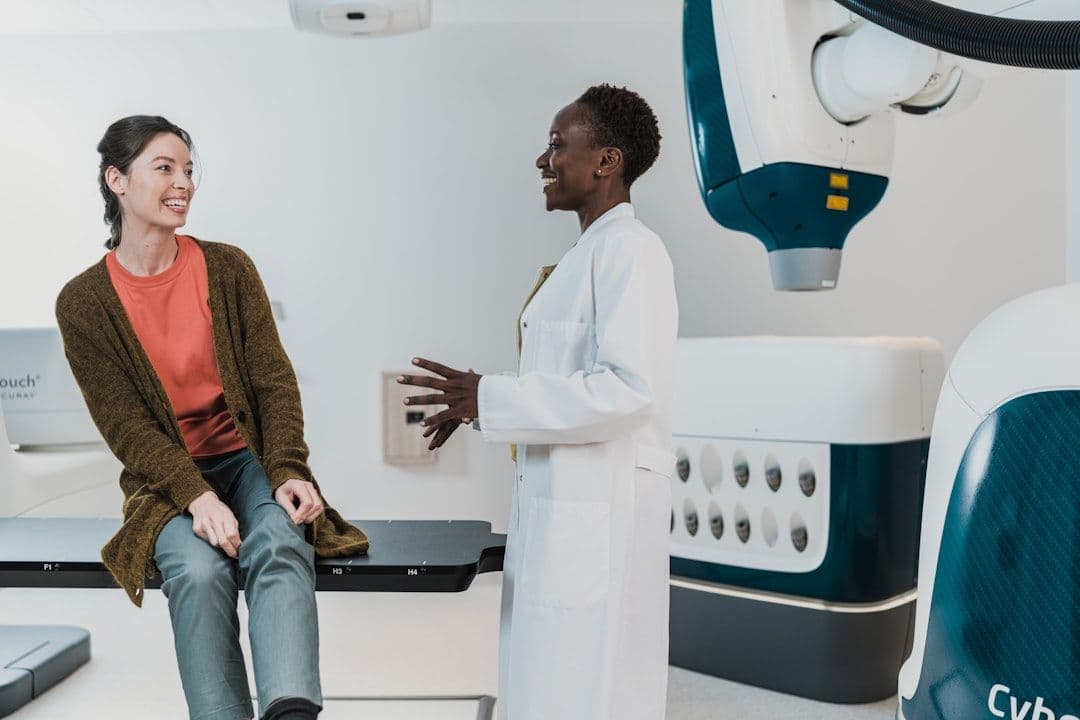
Your initial appointment typically lasts 60-90 minutes. Your physician begins with a comprehensive medical history, reviewing your cancer diagnosis, treatment timeline, and current symptoms in detail. This isn't rushed—expect 20-30 minutes discussing your oncological journey, previous treatments, and current challenges.
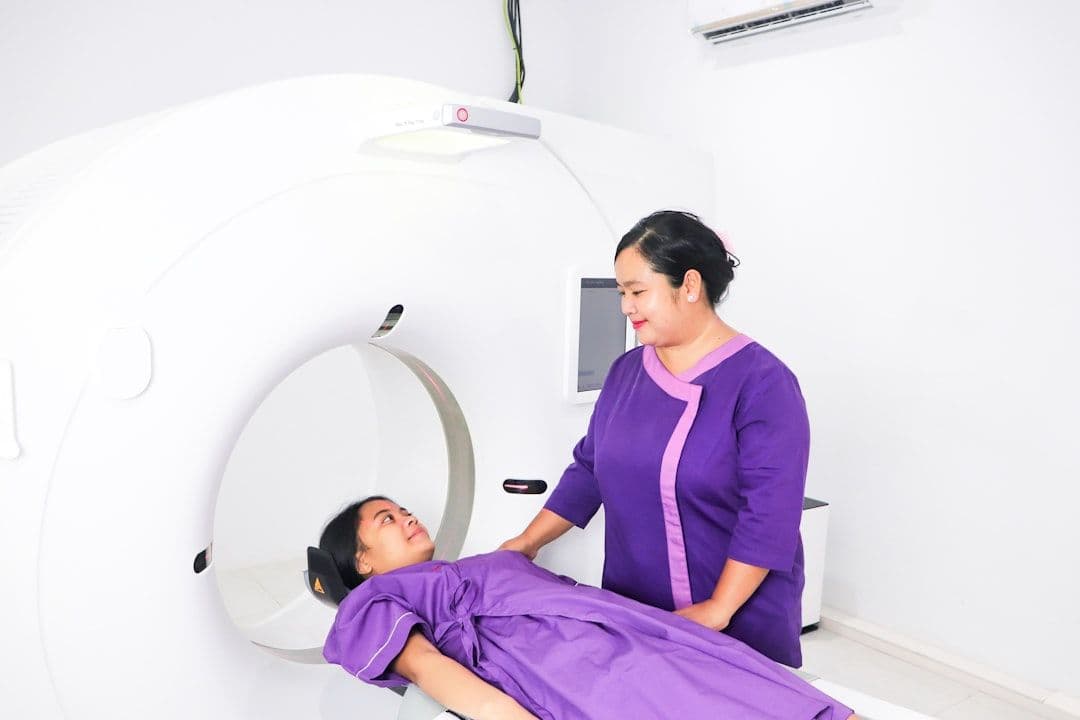
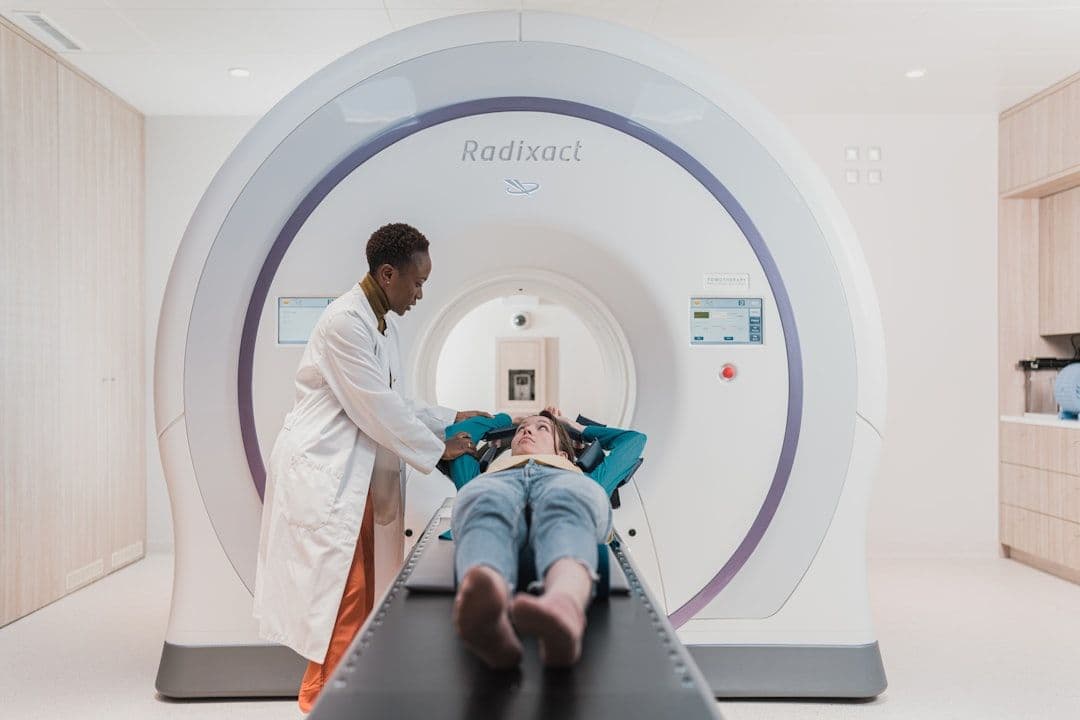
The physical examination follows standard medical practice but includes assessment of areas where complementary therapies might help. Your physician may examine acupuncture points if nausea is problematic, assess range of motion if considering yoga recommendations, or evaluate lymphoedema if massage therapy seems appropriate.
The final phase involves collaborative treatment planning. Your physician explains which complementary therapies have strong evidence for your specific situation, discusses timing relative to your cancer treatments, and addresses any potential interactions. You'll receive written recommendations including referrals to qualified practitioners and specific safety guidelines.
What You Might Experience
Many people feel relief at having their symptoms taken seriously and addressed systematically. The comprehensive approach often validates experiences that conventional oncology appointments don't have time to explore fully. Some patients describe feeling heard in a way that reduces anxiety about their treatment journey.
Don't expect immediate symptom relief from the consultation itself—this is a planning session, not a treatment. However, you might leave with specific techniques to try immediately, such as breathing exercises for anxiety or dietary modifications for nausea. The psychological benefit of having a structured plan often provides comfort.
Some people feel overwhelmed by new information or concerned about adding complexity to their care routine. These feelings are normal and worth discussing at your next appointment.
After Your Consultation
You'll receive detailed written recommendations within 48 hours, including referrals to qualified complementary practitioners who specialise in oncology populations. Begin recommended therapies gradually—start with one intervention before adding others so you can assess individual benefits and any reactions.
Keep a detailed log of any new symptoms, improvements, or concerns as you begin complementary treatments. Your integrative oncologist needs this feedback to adjust recommendations and ensure safety alongside your conventional care.
Avoid making dramatic changes to your routine immediately. Most recommended therapies work gradually over weeks rather than days, and sudden changes can make it difficult to assess what's helping.
Course of Treatment
Most integrative oncology programmes involve 8-12 weeks of initial intervention with follow-up appointments every 3-4 weeks. Your physician monitors progress, adjusts recommendations, and coordinates with your oncology team throughout this period.
Typical treatment might include weekly acupuncture for nausea, twice-weekly yoga classes for fatigue and mood, and daily meditation practice for anxiety. The schedule depends on your specific symptoms, treatment timeline, and response to interventions.
Long-term care often transitions to maintenance programmes with monthly check-ins and continued access to complementary practitioners. Many patients continue selected interventions throughout their cancer survivorship journey, adapting approaches as their needs change.