What it is
Blends acupuncture, yoga, and nutrition with cancer care to support quality of life.
Complementary, never alternative — evidence-informed support through the cancer journey.

At a glance
What it is
Blends acupuncture, yoga, and nutrition with cancer care to support quality of life.
Why explore it
May ease nausea, fatigue, and neuropathy while nurturing emotional wellbeing through treatment.
How it’s experienced
Expect tailored sessions — acupuncture, adapted yoga, or dietitian visits — coordinated with your oncology team.
Evidence context
Moderate evidence backs select therapies for symptom relief, with ongoing research across modalities.
See the evidence snapshotSafety
Some supplements interact with chemo, so always keep your oncology team in the loop before starting anything.
See staying safeHistory & Origin
Integrative Oncology is a physician-led specialty using evidence-informed complementary therapies to improve quality of life, manage treatment side effects, and support overall wellbeing alongside standard oncological care.
Integrative oncology emerged from the integrative medicine movement in the 1990s–2000s, catalysed by the recognition that most cancer patients use some form of complementary therapy — often without informing their oncologists. The Society for Integrative Oncology (SIO) was founded in 2003 to establish evidence-based guidelines for incorporating complementary therapies into cancer care. SIO published clinical practice guidelines endorsed by the American Society of Clinical Oncology (ASCO) in 2017, representing a landmark of mainstream acceptance. Major cancer centres including Memorial Sloan Kettering, MD Anderson, and Dana-Farber now have integrative oncology programmes. The field is driven by the recognition that quality of life, symptom management, and survivorship care are as important as tumour-directed treatment.
Mechanism
Integrative Oncology is a broader health tradition or knowledge system rather than a single technique. Practitioners may draw on cultural teachings, observation, lifestyle guidance, ritual, remedies, bodywork, or community practice. Its working model should be described in its own traditional context and not overstated as biomedical proof. People may explore it for cultural continuity, reflection, and supportive wellbeing practices. Integrative oncology applies complementary therapies specifically evaluated for safety and efficacy in cancer populations.
Your first visit
A typical session outline to help you feel prepared
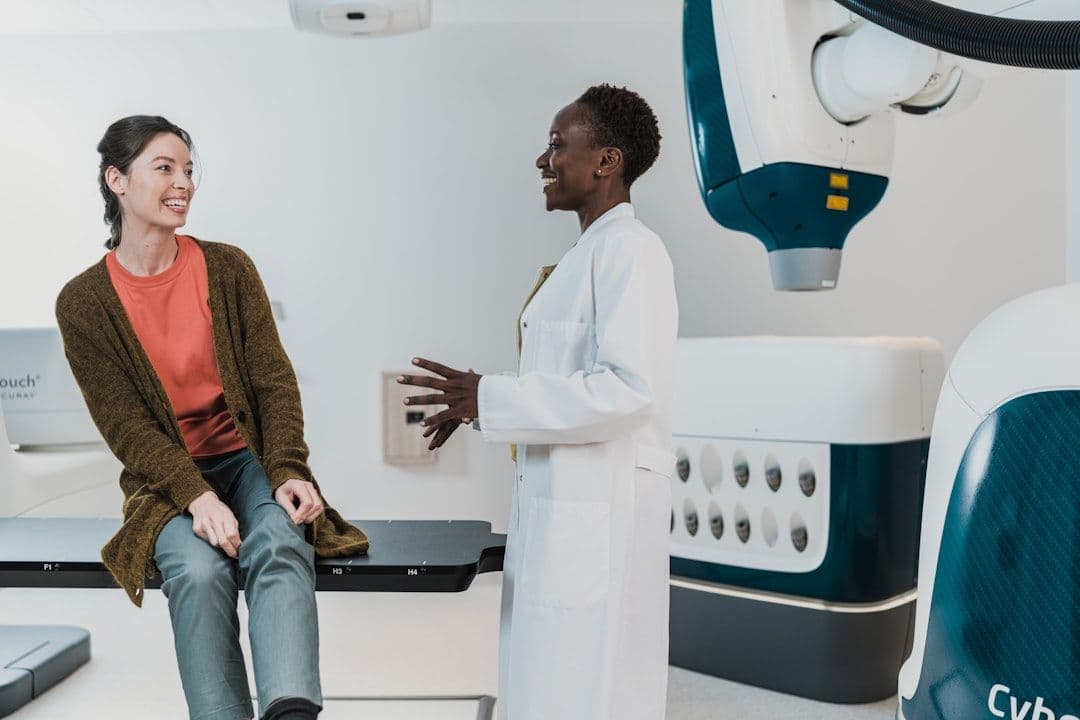
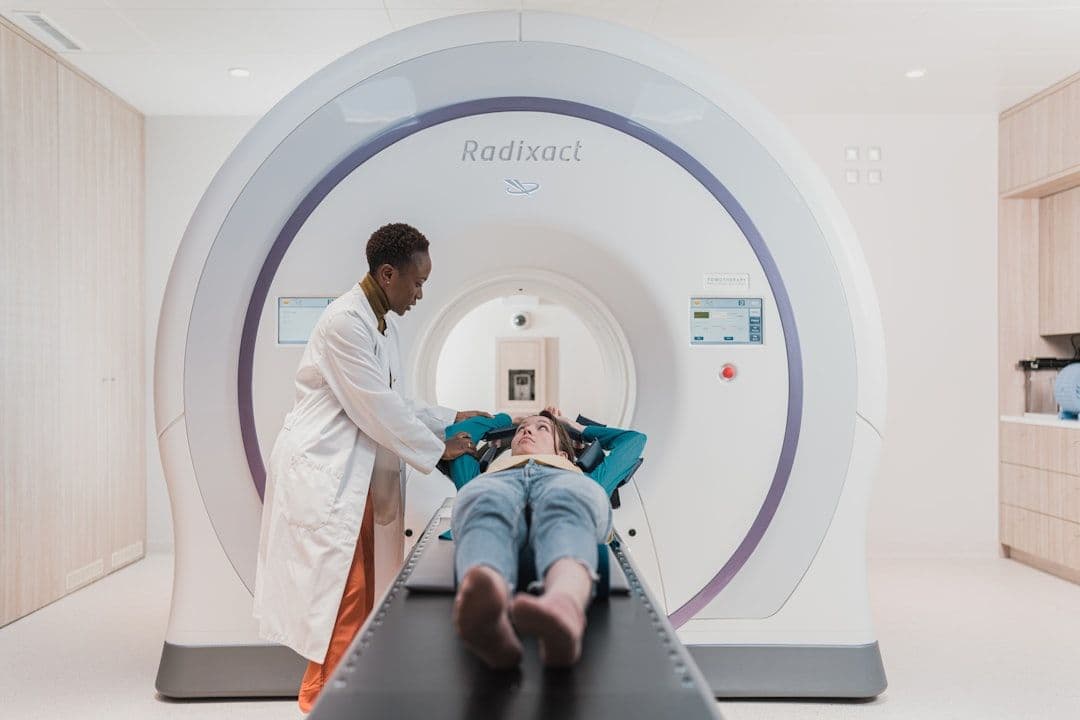
Your integrative oncology consultation brings together your cancer care team's knowledge and evidence-based holistic therapies to support your comfort and wellbeing throughout treatment.
You'll check in and be greeted by your integrative oncology provider in a calm clinical setting. Plan to arrive a few minutes early to complete any remaining intake paperwork.
Your provider will carefully review your cancer diagnosis, current treatment plan, medications, and any side effects you are experiencing. This ensures every recommendation is safe alongside your oncology care.
You'll have an open conversation about your most pressing concerns, such as fatigue, pain, nausea, anxiety, or sleep issues. Your provider listens closely to understand what matters most to you right now.
Your provider evaluates your overall health, stress levels, nutrition, physical activity, and emotional wellbeing. This holistic picture helps identify which evidence-based therapies may offer you the most support.
Together, you and your provider co-create a care plan that may include acupuncture, mind-body practices like meditation or yoga, supplement guidance, or nutrition support. Every recommendation is chos
If a hands-on therapy such as acupuncture or gentle movement is appropriate, your provider may introduce or begin it during this first visit. You will be told exactly what to expect and asked for your
Your provider walks you through any recommended supplements, lifestyle changes, or referrals, explaining the evidence behind each suggestion. This is a great time to ask questions or raise any concerns you have.
You'll leave with a written summary of your personalized plan and guidance on scheduling follow-up appointments to track your progress and adjust your support as your treatment evolves.
The Evidence
What the research says about integrative oncology — and why the framing matters as much as the findings.
Evidence-informed support alongside standard cancer care
Integrative oncology has a meaningful evidence base for symptom management and quality of life in cancer populations. The evidence is strongest for specific interventions — not for anti-tumour effects — and this distinction is ethically essential.
Grade A evidence supports acupuncture for chemotherapy-induced nausea and meditation or yoga for anxiety and mood. Grade B evidence supports massage, music therapy, and stress management. The evidence base addresses symptom management and quality of life — not anti-tumour effects. Cochrane reviews evaluate individual therapies in cancer contexts.
Positioning any complementary approach as a replacement for surgery, chemotherapy, radiotherapy, or immunotherapy is dangerous and ethically unacceptable. Some supplements and herbs interact with specific chemotherapy agents. All interventions must be screened for treatment interactions. Inflated outcome claims in this context carry serious risk.
The Society for Integrative Oncology published clinical practice guidelines endorsed by the American Society of Clinical Oncology in 2017. Major cancer centres including Memorial Sloan Kettering and MD Anderson now run integrative oncology programmes. The field is grounded in the recognition that quality of life and survivorship care matter alongside tumour-directed treatment.
The term integrative oncology should only be used by qualified practitioners with oncology-specific training. Unqualified wellness providers should not appropriate this framing. Practitioners must be able to screen for herb-drug and supplement-drug interactions relevant to each patient's cancer treatment plan.
From active treatment through survivorship, integrative oncology supports the whole person — not just tumour-directed outcomes. This includes pain and fatigue management, emotional wellbeing, sleep, nutritional optimisation, and spiritual support where relevant. The holistic framing is clinically grounded, not metaphorical.
Not all complementary therapies used in cancer contexts have strong evidence. Evidence is strongest for acupuncture, meditation, and yoga in specific symptom contexts. Evidence for nutritional supplements varies widely and interactions with cancer treatments are a real concern. Gyfts does not replace professional oncology assessment or personalised clinical guidance.
Safety first
General guidance to help you decide whether this approach is appropriate for you. This is informational only and not a substitute for medical, psychological, or professional advice.
Some situations call for extra care or a different approach. Share any conditions, injuries, or sensitivities with your practitioner before your first session.
If you are pregnant, managing a health condition, recovering from injury or surgery, or taking medication, consult a qualified healthcare professional first.
Look for clear boundaries, transparent pricing, and practitioners who avoid fear-based claims or pressure to book frequent sessions.
Mild, short-lived effects such as tenderness, tiredness, or temporary soreness can occur. Rest, hydrate, and tell your practitioner how you respond.
For you?
A simple, human way to weigh it up. This is general guidance, not personal medical advice — a qualified practitioner can advise on your situation.
Gyfts is a discovery platform, not a medical provider. Nothing here diagnoses, treats or replaces professional care. In an emergency, contact your local emergency number.
Explore approaches
Other practices people often explore alongside integrative oncology.
In their words
FAQ
Absolutely not. Integrative oncology is explicitly COMPLEMENTARY to conventional cancer treatment. It works alongside surgery, chemotherapy, radiotherapy, and immunotherapy — never as a substitute. Any practitioner suggesting otherwise is acting unethically.
Evidence-based complementary therapies including acupuncture (for nausea, pain), meditation and yoga (for anxiety, fatigue), adapted massage, music therapy, and carefully screened nutritional support. All are specifically evaluated for cancer populations.
Yes — the Society for Integrative Oncology (SIO) publishes clinical practice guidelines endorsed by the American Society of Clinical Oncology (ASCO), the world''s leading oncology professional body.
Yes — this is a critical concern. Some herbs and supplements can reduce chemotherapy efficacy or increase side effects. Integrative oncology practitioners specifically screen for these interactions. Never start supplements during cancer treatment without consulting your oncology team.
Yes — Memorial Sloan Kettering, MD Anderson, Dana-Farber, and many other major centres have established integrative oncology programmes.
References
Educational sources that inform this overview. Inclusion is for context and does not imply endorsement.
Full citations are maintained by the Gyfts editorial team and reviewed periodically.
Keep exploring
Browse practitioners, explore honest overviews, and take what you learn to a conversation — at your own pace.