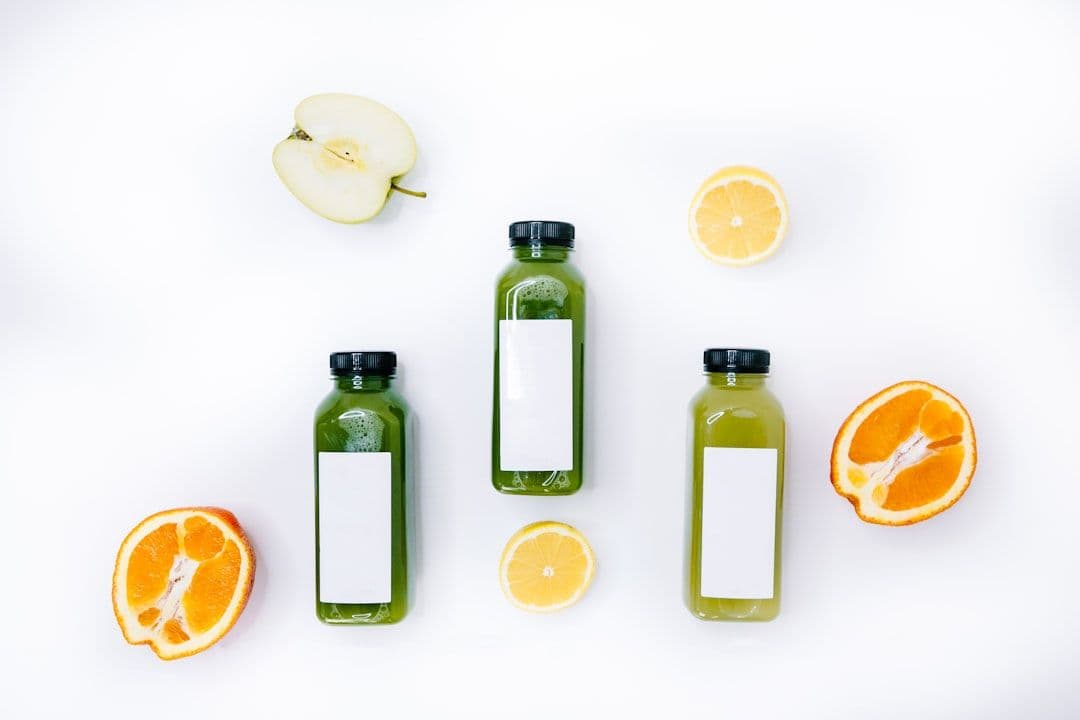
Preparing for Your Juice Programme
Begin reducing caffeine, alcohol, and processed foods 2-3 days before starting. This gradual transition helps minimise withdrawal symptoms like headaches and fatigue that can occur when you stop consuming these substances abruptly. Many practitioners recommend a pre-cleanse diet emphasising whole foods, lean proteins, and plenty of water.
Stock your kitchen with herbal teas, fresh lemons, and filtered water. Remove tempting snacks and processed foods from easy reach. If you're purchasing pre-made juices, ensure proper refrigeration and consume within the recommended timeframe. For home preparation, invest in a quality juicer or high-powered blender, and source organic produce when possible to reduce pesticide exposure.
Schedule your programme during a relatively calm period. Avoid starting during high-stress work periods, social events, or when intense physical activity is planned. Your energy levels may fluctuate, particularly in the first 1-2 days, so plan accordingly.
The Daily Juice Schedule
Most programmes involve consuming 4-6 juices throughout the day, typically every 2-3 hours. You'll start with a green juice upon waking - often containing leafy greens, cucumber, celery, and apple for palatability. Mid-morning might bring a carrot-based juice rich in beta-carotene, followed by another green blend before lunch.
Afternoon juices frequently incorporate beets, ginger, or citrus fruits. The day often concludes with a milder juice containing ingredients like apple, pear, or fennel. Between juices, drink plenty of filtered water, herbal teas, or warm water with lemon. Some programmes include nut milk as an evening drink to provide additional calories and healthy fats.
Each juice typically contains 16-20 ounces (450-600ml) and should be consumed slowly over 15-30 minutes rather than gulped down. This aids digestion and helps you feel more satisfied. Many people find it helpful to use a straw to bypass some taste buds, particularly with intensely green juices.
Physical and Emotional Responses
Initial reactions vary considerably between individuals. Many experience mild headaches, particularly if they're regular caffeine consumers, along with fatigue and possible irritability during the first 1-2 days. Your digestive system may respond with changes in bowel movements - some people experience looser stools whilst others become constipated.
Some report feeling energised and mentally clear by day two or three, whilst others feel consistently low in energy throughout shorter programmes. Hunger pangs are common initially but often diminish as your body adjusts to the liquid nutrition. You might notice increased urination as your kidneys process the additional fluid intake.
Emotionally, many people report heightened awareness of their relationship with food. Without the ritual of chewing and the satisfaction of solid meals, some experience mild anxiety or restlessness. Others find the structured eating schedule calming and appreciate the break from food decision-making.
Post-Programme Transition
The reintroduction phase proves crucial for maintaining any benefits and preventing digestive discomfort. Start with easily digestible foods like steamed vegetables, fresh fruits, or light soups on the first day after completing your programme. Avoid immediately returning to heavy, processed, or fatty foods, which can cause nausea or digestive upset.
Gradually reintroduce normal portions over 2-3 days. Many practitioners suggest maintaining increased vegetable intake and reduced processed food consumption to extend any positive effects. Continue drinking plenty of water and consider maintaining some of the mindful eating practices you may have developed.
Some people report sustained changes in taste preferences, finding processed foods less appealing and craving fresh produce. However, any weight loss is typically temporary unless accompanied by long-term dietary changes. Energy levels usually stabilise within a few days of returning to normal eating patterns.
Programme Duration and Frequency
Most juice programmes last between 1-7 days, with 3-day cleanses being particularly popular for beginners. Single-day programmes offer a gentler introduction to the experience, whilst longer cleanses require more preparation and potentially medical supervision.
Frequency varies according to individual goals and tolerance. Some people incorporate monthly 1-2 day programmes, whilst others prefer seasonal longer cleanses. There's no established evidence for optimal timing or frequency - this remains largely a matter of personal preference and how your body responds.
If you're considering regular programmes, monitor your relationship with food and ensure you're not using cleanses to compensate for poor eating habits or as a form of restrictive eating. Sustainable nutrition changes typically prove more beneficial than periodic intensive restrictions.