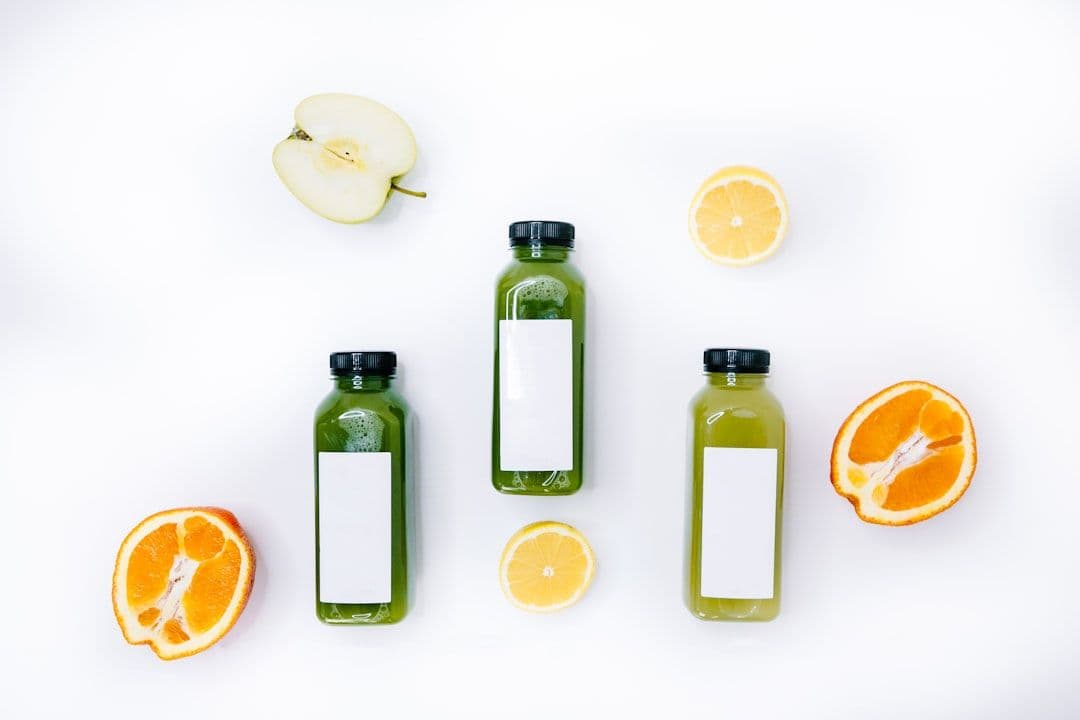
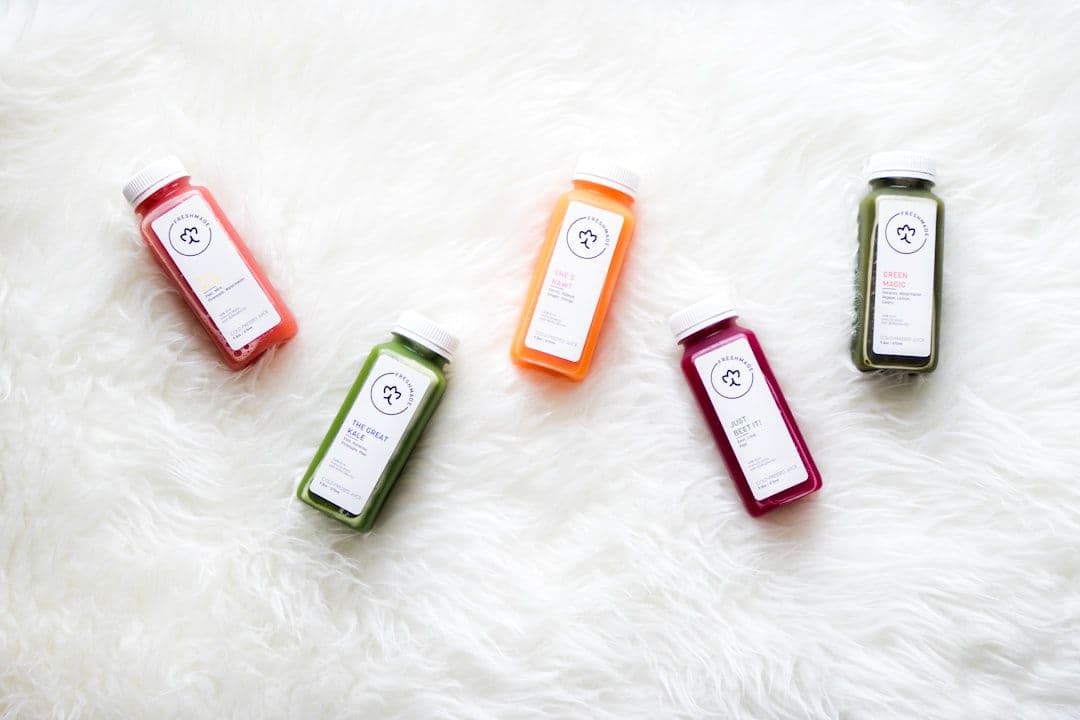
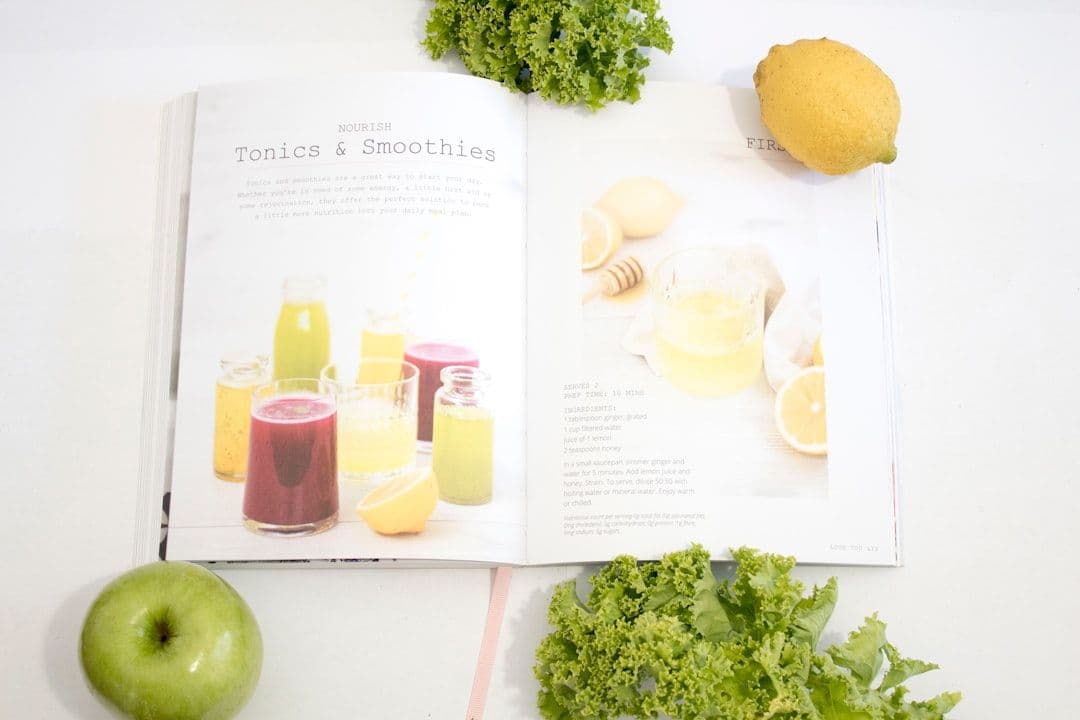
What it is
Juice detox replaces meals with fresh juices, though your body detoxifies on its own.
Juice Detoxification is a wellness practice involving consumption of fresh fruit and vegetable juices to support the body's natural clean...
At a glance
What it is
Juice detox replaces meals with fresh juices, though your body detoxifies on its own.
Why explore it
Many people use short juice programs as a structured reset for energy and digestive wellness.
How it’s experienced
Expect 1–7 days of fresh-pressed juices replacing meals, with energy and digestion shifts.
Evidence context
Juices offer real nutrients, but strong clinical evidence for detox benefits is still limited.
See the evidence snapshotSafety
Generally safe for healthy adults, but check with your doctor if you have any health conditions.
See staying safeHistory & Origin
Juice Detoxification involves detoxifying the body by consuming fresh juices made from fruits and vegetables.
Juice therapy has roots in traditional medicine systems spanning centuries, with evidence of juice consumption for health in Ayurvedic and Chinese medicine practices. The modern juice detoxification movement gained momentum in the early 20th century with naturopathic practitioners like Norman Walker, who championed fresh vegetable and fruit juices as foundational to health and disease prevention. Walker's work in the 1930s-1970s, documented in books like "Fresh Vegetable and Fruit Juices," popularized the concept that concentrated nutrients from raw juices could support organ function and eliminate toxins. The practice expanded significantly in the late 20th century with the rise of the natural health movement, juice bars, and wellness centers. Today, juice detoxification encompasses various approaches from short-term juice cleanses to incorporated juice therapy within broader wellness programs, though the scientific basis for claims about "toxin elimination" remains contested among medical professionals.
Mechanism
Juice Detoxification is usually understood through daily choices, patterns, and gradual behavior change rather than a single session effect. Practitioners may focus on food quality, timing, preparation, symptoms, preferences, culture, and sustainability. Some approaches are tradition-based, while others draw on nutrition science or clinical guidelines. Recommendations should be individualized, especially when medical conditions, pregnancy, medications, or restrictive eating patterns are involved. I need to write a "How It Works" section for Juice Detoxification, not a summary.
Your first visit
A typical session outline to help you feel prepared
A juice detox session guides you through a structured program of fresh vegetable and fruit juices, tailored to your goals and paced to help your body feel refreshed and reset.
Your practitioner walks you through a health intake form covering your diet, energy levels, digestion, and any sensitivities to make sure the program is a good fit for you.
You and your practitioner talk through what you're hoping to experience, whether that's a one-day cleanse, a multi-day program, or simply adding daily fresh juices to your routine.
Based on your review, your practitioner lays out your personalized juice sequence, explaining which blends you'll drink, in what order, and roughly how often throughout the day.
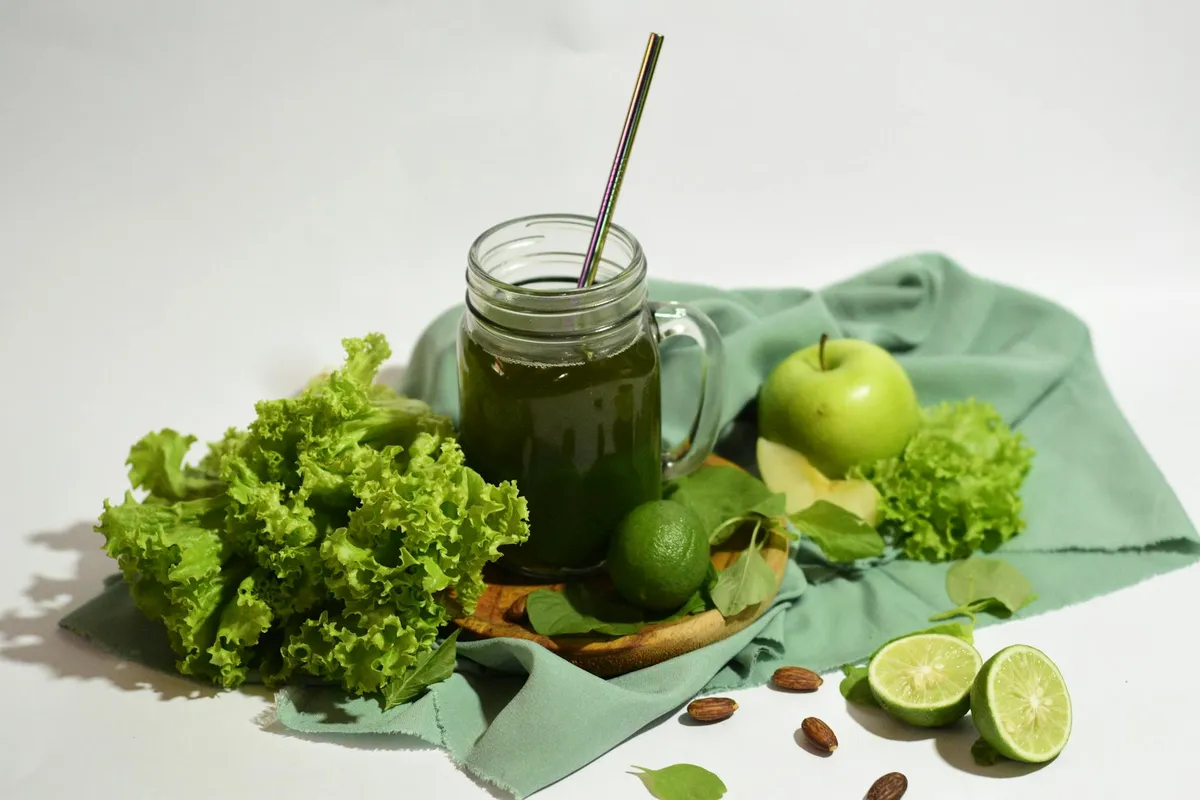
You receive your opening juice, often a gentle green blend of cucumber, celery, and leafy greens, and your practitioner walks you through what flavors and sensations to expect.
Over the course of the session or program, you drink each juice in order, typically every two to three hours, with your practitioner checking in on how you're feeling as you go.
If you feel lightheaded, overly hungry, or notice strong reactions, your practitioner may adjust the blend, pace, or add a small supportive snack to keep you comfortable.
As the cleanse winds down, your practitioner walks you through how to ease back into eating, starting with light whole foods like broth, fruit, or steamed vegetables.
You leave with written guidance on hydration, foods to favor in the days ahead, and suggestions for whether a follow-up cleanse or ongoing juice routine might suit your lifestyle.
The Evidence
What research and traditional knowledge say about juice detoxification, and where the evidence is strong, limited, or contested.
Nutritional value is clear; detox claims are not well supported
Fruits and vegetables are genuinely nutrient-rich, and higher intake is linked to better health outcomes. However, the specific claim that juice cleanses enhance the body's natural detoxification systems beyond their normal function lacks robust clinical support.
Studies consistently support the health benefits of increased fruit and vegetable intake. However, research specifically examining juice cleanses as a detoxification method is sparse, often small-scale, and methodologically limited. Most findings on short-term benefits such as improved energy or digestion come from studies that cannot rule out placebo effects or dietary change as the active factor.
Medical consensus holds that healthy bodies maintain sophisticated, self-regulating detoxification pathways. There is currently no robust clinical evidence that juice protocols meaningfully accelerate or enhance these processes beyond what a balanced diet supports. Claims suggesting otherwise should be viewed critically.
Fresh juice use appears in Ayurvedic and traditional Chinese health practices. The modern juice detox movement was significantly shaped by naturopathic practitioners in the early-to-mid 20th century, particularly Norman Walker. While these traditions offer cultural and historical context, traditional use alone does not confirm the specific detoxification claims made in contemporary wellness marketing.
Juice detoxification is categorised as Alternative within the MACH framework, meaning it operates outside mainstream clinical practice and its core claims are not currently validated by conventional evidence standards. This does not mean it offers no value, but it does mean inflated outcome claims should be weighed carefully and professional guidance sought where health conditions are present.
People with diabetes, kidney disease, heart conditions, insulin resistance, or those on medications including blood thinners should consult a qualified health professional before starting any juice program. Juice cleanses are not appropriate during pregnancy or breastfeeding, and should be avoided by those with a history of disordered eating. Food hygiene with fresh juices is essential.
Positive experiences during juice programs may result from reduced processed food intake, increased hydration, or caloric restriction rather than any detoxification mechanism. Juice-only programs also remove dietary fibre, which plays an important role in digestive health. This practice is not a substitute for professional assessment or ongoing management of any health condition.
Safety first
General guidance to help you decide whether this approach is appropriate for you. This is informational only and not a substitute for medical, psychological, or professional advice.
If you are pregnant, managing a health condition, recovering from injury or surgery, or taking medication, consult a qualified healthcare professional first.
Some situations call for extra care or a different approach. Share any conditions, injuries, or sensitivities with your practitioner before your first session.
Mild, short-lived effects such as tenderness, tiredness, or temporary soreness can occur. Rest, hydrate, and tell your practitioner how you respond.
Look for clear boundaries, transparent pricing, and practitioners who avoid fear-based claims or pressure to book frequent sessions.
For you?
A simple, human way to weigh it up. This is general guidance, not personal medical advice — a qualified practitioner can advise on your situation.
Gyfts is a discovery platform, not a medical provider. Nothing here diagnoses, treats or replaces professional care. In an emergency, contact your local emergency number.
Explore approaches
Other practices people often explore alongside juice detoxification.
In their words
FAQ
Experiences vary considerably. Some people report increased energy, improved digestion, and mental clarity. Others may experience mild headaches, fatigue, or hunger during the first few days, sometimes attributed to caffeine withdrawal or initial dietary changes. These symptoms typically resolve within 2-3 days. Not everyone experiences detoxification symptoms. Individual responses depend on baseline diet, metabolism, and the program intensity.
Programs range from 1-7 days for short cleanses to 21-30 days for more comprehensive protocols. Some people incorporate fresh juices daily as ongoing wellness practice rather than discrete cleanses. Longer programs should only be undertaken with practitioner guidance. Most practitioners recommend starting with shorter programs (3-5 days) to assess individual tolerance.
This depends on your specific medications. Some medications interact with high-dose nutrients found in concentrated juices, while others are unaffected. You must consult your physician or pharmacist before beginning a juice detoxification program if you take regular medications, especially blood thinners, diabetes medications, or heart medications.
The evidence is mixed. Fresh fruits and vegetables are nutritionally beneficial and supported by extensive research. However, the specific concept of "detoxification" through juices lacks strong scientific evidence. Your body has natural detoxification systems (liver, kidneys). While juices provide nutrients that support these systems, claims about eliminating specific toxins through juice cleanses aren't well-established in clinical research.
Many practitioners recommend light eating 1-2 days before starting to prepare your digestive system. After completing a cleanse, gradually reintroduce solid foods, starting with easily digestible options like soups, fresh fruits, vegetables, and whole grains. This transition prevents digestive upset and helps your system readjust to regular eating patterns.
This is not recommended without medical supervision. Children and teenagers have different nutritional needs, and restrictive programs may interfere with proper growth and development. Young people interested in health through fresh juice should focus on adding juices to a balanced diet rather than replacement or cleansing protocols.
References
Educational sources that inform this overview. Inclusion is for context and does not imply endorsement.
Full citations are maintained by the Gyfts editorial team and reviewed periodically.
Keep exploring
Browse practitioners, explore honest overviews, and take what you learn to a conversation — at your own pace.