The Green Glass Reality
Your alarm sounds at 7am. Instead of reaching for coffee and toast, you pour 250ml of dark green liquid that tastes like concentrated garden. This is breakfast, lunch, and dinner for the next five days. Welcome to juice fasting — a practice where fresh fruit and vegetable juices replace all solid food for periods ranging from a single day to several weeks.
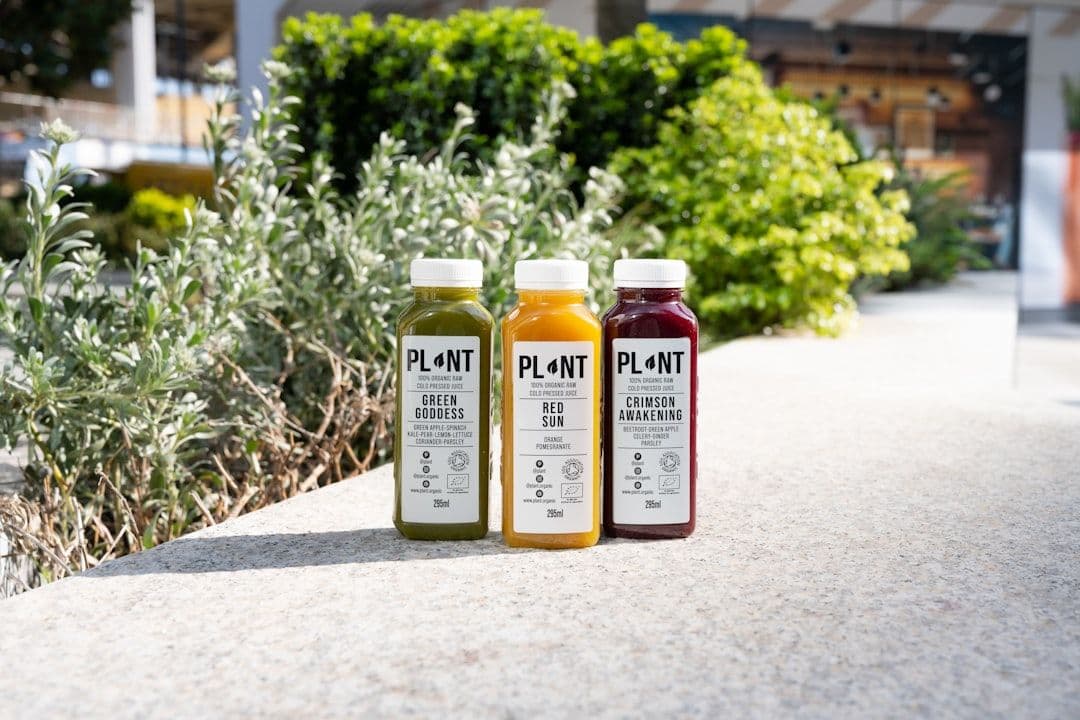
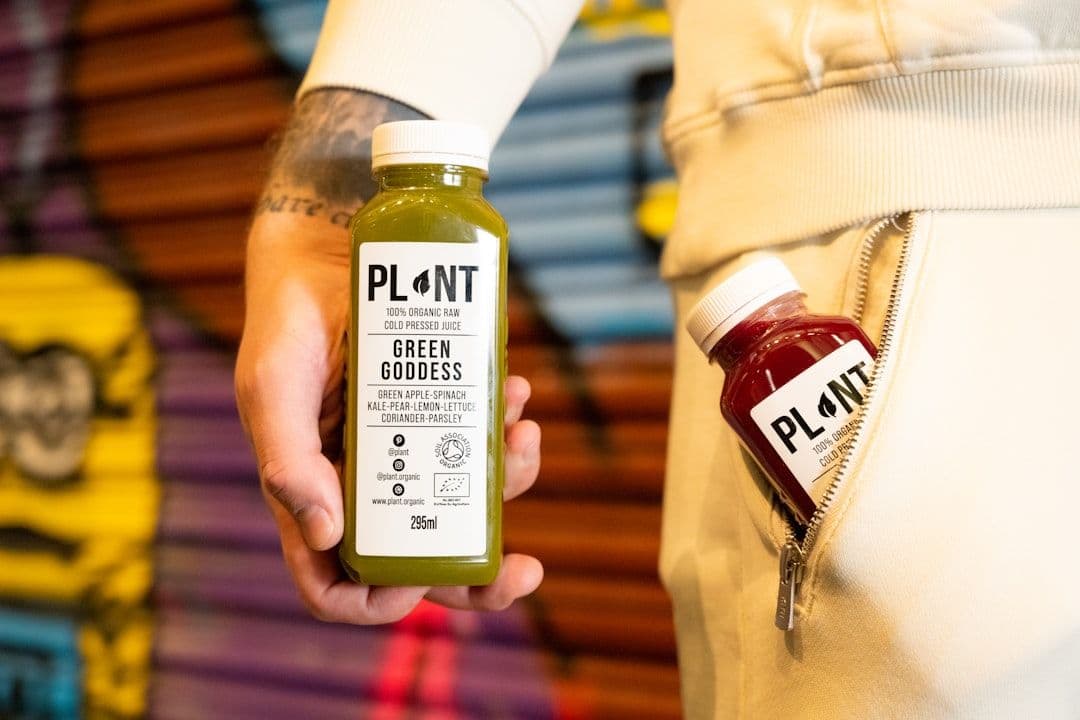
The emerald-coloured concoctions contain kale, celery, cucumber, apple, and lemon. By 2pm, you're drinking something orange — carrots, ginger, and oranges this time. Each glass delivers concentrated vitamins, minerals, and phytonutrients whilst your digestive system processes nothing more substantial than liquid.
Unlike water fasting, which eliminates all calories, juice fasting provides 800-1200 calories daily through fresh produce. Advocates claim this approach allows the body to 'detoxify' whilst avoiding the extreme stress of complete caloric restriction.
From Naturopathy to Celebrity Culture
Juice fasting emerged from early 20th-century naturopathic medicine, where practitioners like Benedict Lust and Max Gerson used fresh juices as therapeutic tools. Gerson developed his controversial cancer treatment protocol around fresh vegetable juices in the 1930s, believing they could restore cellular function and eliminate toxins.
The practice gained mainstream attention through health spas and retreat centres in the 1970s and 1980s. However, its current popularity owes much to celebrity culture and social media. High-profile advocates have transformed what was once a clinical intervention into a lifestyle choice, spawning commercial juice programmes and home delivery services.
Today's juice fasting combines traditional naturopathic principles with modern convenience. Commercial programmes offer pre-planned juice sequences, whilst high-powered blenders allow people to create elaborate green drinks at home. The practice has evolved from medical intervention to wellness trend, though its fundamental premise remains unchanged.
The Digestive Holiday Theory
Juice fasting operates on the principle that removing solid food allows the digestive system to rest and redirect energy toward repair and detoxification. Without the mechanical and chemical demands of breaking down complex foods, practitioners believe the body can focus on eliminating accumulated waste products and restoring cellular function.
From a physiological perspective, juice fasting does reduce digestive workload significantly. Fresh juices require minimal enzymatic breakdown compared to whole foods, and their high water content supports hydration and kidney function. The concentrated nutrients — particularly antioxidants like vitamin C, beta-carotene, and polyphenols — may help neutralise oxidative stress.
The practice also triggers metabolic changes similar to other forms of caloric restriction. After 12-24 hours without solid food, the body shifts toward fat metabolism and begins producing ketones. Blood insulin levels drop, potentially improving insulin sensitivity. However, the sugar content in fruit juices can blunt some of these metabolic adaptations compared to water fasting.
Whether this constitutes 'detoxification' remains contentious. The liver, kidneys, and lymphatic system continuously process and eliminate metabolic waste products regardless of eating patterns. Juice fasting may support these natural processes through improved hydration and micronutrient availability, but claims of removing specific toxins lack scientific substantiation.
Who Considers the Liquid Path
People turn to juice fasting for diverse reasons, though certain patterns emerge in clinical practice. Those experiencing chronic digestive discomfort — bloating, irregular bowel movements, or food sensitivities — often view juice fasting as a way to 'reset' their system. The practice appeals to individuals who feel their eating habits have spiralled out of control and want a dramatic intervention.
Some people use juice fasting as a bridge between unhealthy eating patterns and long-term dietary changes. The structured nature and clear boundaries can help break emotional eating cycles or dependencies on processed foods. Others are drawn to the practice during times of stress or transition, viewing it as both physical and psychological cleansing.
The approach also attracts those interested in exploring their relationship with food and hunger. Removing solid food for several days can reveal emotional attachments to eating and provide insights into genuine physiological versus psychological hunger cues.
Five Days of Liquid Living
A typical five-day juice fast begins with preparation — reducing caffeine, alcohol, and processed foods for several days beforehand. This pre-fast period helps minimise withdrawal symptoms and prepares the body for the transition.
Each day follows a structured schedule: morning juices tend to be fruit-based for energy and palatability, whilst afternoon and evening drinks emphasise vegetables for minerals and lower sugar content. Common combinations include apple-carrot-ginger, kale-cucumber-celery-lemon, and beetroot-apple-lime. Participants typically consume four to six 250-300ml servings daily.
The physical experience varies considerably. Days one and two often bring headaches, fatigue, and irritability as blood sugar stabilises and the body adjusts. Some people experience temporary digestive changes — either increased elimination or constipation. Energy levels frequently dip initially before potentially improving on days three to five.
Mental and emotional responses range from clarity and focus to anxiety and mood swings. Many participants report heightened awareness of food advertisements, cooking smells, and social eating situations. Sleep patterns may temporarily shift, with some experiencing vivid dreams or altered sleep quality.
Breaking the fast requires careful attention. Practitioners typically recommend starting with easily digestible foods like vegetable broth, raw fruits, or steamed vegetables before gradually reintroducing more complex foods over several days.
What Research Reveals
Clinical research on juice fasting remains notably sparse compared to other dietary interventions. Most existing studies are small, observational, and focus on short-term outcomes rather than long-term health benefits.
A handful of small trials suggest that juice-based interventions may temporarily reduce blood pressure, improve cholesterol profiles, and support weight loss. One study of 20 adults found that a three-day juice fast lowered blood pressure and improved markers of oxidative stress. Another small trial observed improvements in gut microbiota diversity after a short juice cleanse, though the clinical significance remains unclear.
However, these studies suffer from significant limitations: lack of control groups, small sample sizes, and short follow-up periods. The dramatic caloric restriction that accompanies juice fasting makes it difficult to determine whether any benefits stem from the juices themselves or simply from reduced food intake.
Detoxification claims — the primary selling point for many juice programmes — lack scientific support. The body's natural detoxification systems function continuously and efficiently without dietary manipulation. Claims about removing specific toxins or improving liver function through juice fasting remain unsubstantiated by rigorous research.
Practitioners report that clients often experience improved energy, clearer skin, and better sleep quality during and after juice fasting. These subjective improvements may reflect temporary inflammation reduction, improved hydration, or psychological benefits from completing a challenging protocol. However, translating these anecdotal reports into specific health recommendations requires more robust research.
Practical Considerations
Juice fasting costs vary dramatically depending on approach. Home-made juices using a quality juicer cost £30-50 daily for organic produce, whilst commercial programmes range from £50-150 per day. Pre-made juice deliveries offer convenience but significantly increase expenses.
Finding qualified guidance can be challenging since juice fasting exists in a regulatory grey area between nutrition counselling and medical intervention. Look for practitioners registered with CNHC or nutritional therapists certified by BANT who understand both the potential benefits and risks. Naturopathic doctors with proper training can provide the most comprehensive oversight.
Duration recommendations vary, though most practitioners suggest starting with one to three days for newcomers. Fasts exceeding five days should involve medical supervision, particularly for people with underlying health conditions. Some retreat centres offer structured programmes with professional monitoring.
Quality matters significantly in juice selection. Fresh, cold-pressed juices retain more nutrients than heated or processed alternatives. Organic produce reduces potential pesticide exposure, though cost considerations may make this prohibitive for some people. The ratio of vegetables to fruits affects both nutritional content and blood sugar impact — aim for predominantly vegetable-based combinations.