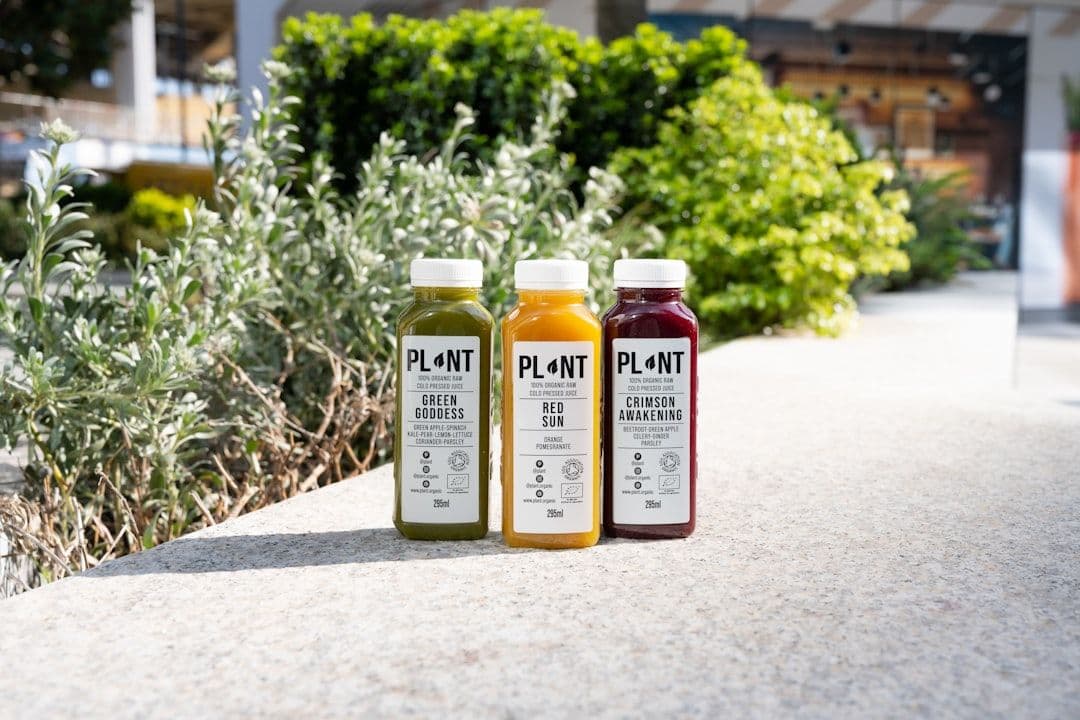
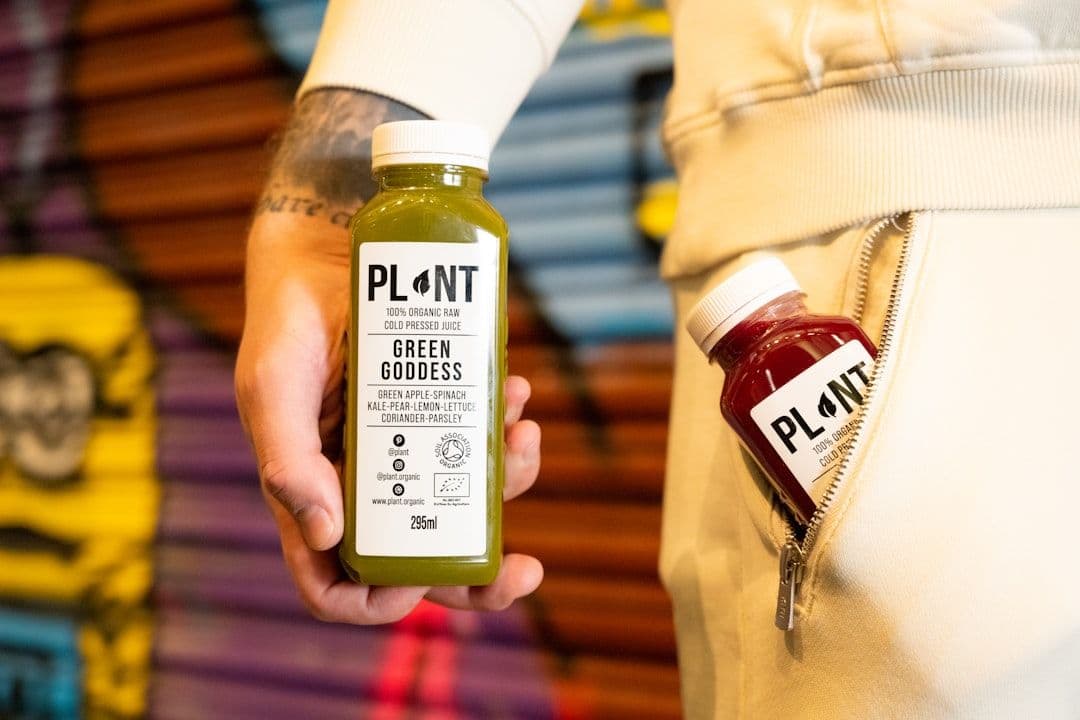
What it is
Juice fasting swaps solid food for fresh juices to rest digestion and boost nutrients.
Juice Fasting is a dietary practice that involves consuming fresh fruit and vegetable juices while abstaining from solid food for a defin...
At a glance
What it is
Juice fasting swaps solid food for fresh juices to rest digestion and boost nutrients.
Why explore it
Many people turn to juice fasting for digestive rest, more energy, and a plant nutrient boost.
How it’s experienced
You'll sip juice every few hours and may feel tired or headachy as your body adjusts early on.
Evidence context
Early research shows some short-term benefits, but large clinical trials are still needed.
See the evidence snapshotSafety
Healthy adults can try short fasts safely, but pregnant women and those with chronic conditions should skip it.
See staying safeHistory & Origin
Juice Fasting involves fasting while consuming fresh juices made from fruits and vegetables.
Juice fasting emerged as a formalized practice in the early 20th century, gaining popularity through naturopathic and alternative medicine movements in Europe and North America. The practice drew inspiration from traditional fasting traditions across cultures, but adapted them to incorporate the nutritional benefits of freshly extracted juices rather than water-only fasting. Key figures like Dr. Norman Walker, a pioneer of raw juice therapy in the 1930s, promoted the concept that fresh juices could provide concentrated nutrients while giving the digestive system a therapeutic rest. Walker's work, alongside emerging interest in natural hygiene movements, established juice fasting as a cornerstone of alternative wellness practices. The practice gained significant popularity during the late 20th century as juice extractors became more accessible to consumers, and wellness culture increasingly emphasized detoxification and nutritional cleansing. Today, juice fasting remains a widely practiced modality within complementary health, supported by a growing wellness industry, though mainstream medical recognition remains cautious.
Mechanism
Juice Fasting is usually understood through daily choices, patterns, and gradual behavior change rather than a single session effect. Practitioners may focus on food quality, timing, preparation, symptoms, preferences, culture, and sustainability. Some approaches are tradition-based, while others draw on nutrition science or clinical guidelines. Recommendations should be individualized, especially when medical conditions, pregnancy, medications, or restrictive eating patterns are involved. Juice fasting involves consuming only freshly pressed or blended fruit and vegetable juices while abstaining from solid food for a set period, typically ranging from one to seven days.
Your first visit
A typical session outline to help you feel prepared
A juice fast involves working with a practitioner to replace solid meals with fresh juices for several days, supporting your body's natural rhythms and reset goals.
Your practitioner will ask about your medical history, current medications, and wellness goals to make sure juice fasting is a safe and suitable fit for you right now.
Together you will map out the length of your fast, typically three to ten days, along with which juice blends will be included each day based on your health needs and preferences.
In the days before starting, your practitioner will guide you to gradually reduce caffeine, sugar, and heavy foods so the transition into fasting feels gentler on your body.
On day one you will begin replacing all meals with a scheduled rotation of fresh vegetable and fruit juices, usually four to six servings spaced throughout the day to keep energy steady.
Throughout the fast your practitioner stays in contact to track how you are feeling, address common experiences like mild headaches or fatigue, and adjust your juice plan if needed.
Ending the fast is done gradually over several days, reintroducing broths, soft fruits, and lightly cooked vegetables before returning to a full solid food diet.
After the fast is complete you will meet with your practitioner to reflect on what you noticed, discuss how you feel, and explore whether periodic fasting fits your longer-term wellness routine.
The Evidence
What the research does and does not show about juice fasting, and what to consider before trying it.
Early signals, but research is sparse and mixed
Small studies suggest short-term juice fasting may support some metabolic and antioxidant markers, but the evidence base is thin, protocols vary widely, and robust clinical trials are lacking. Subjective benefits are commonly reported but difficult to attribute directly.
Some small studies have noted short-term improvements in metabolic markers, blood pressure, and antioxidant intake during juice fasting. However, most lack control groups, large sample sizes, or long-term follow-up. Variation in juice composition and fasting duration makes it difficult to draw broad conclusions from existing data.
The claim that juice fasting removes toxins lacks direct scientific backing. The liver and kidneys continuously filter waste products regardless of dietary intake. Many reported benefits may reflect reduced caloric intake, increased hydration, or elimination of processed foods rather than any specific effect of juicing itself.
As a complementary practice, juice fasting is typically used to support general wellbeing rather than to address specific health conditions. It is not a substitute for professional assessment or ongoing medical management. Those using it alongside existing health plans should inform their healthcare provider.
People with diabetes, blood sugar regulation issues, kidney or liver conditions, or those on prescription medications should consult a qualified health professional before attempting juice fasting. It is not appropriate for pregnant or breastfeeding women, children, adolescents, or those with a history of disordered eating. Short durations carry lower risk than extended protocols.
A registered nutritionist, dietitian, or naturopath can help assess whether juice fasting is appropriate for your individual circumstances, recommend suitable duration and juice composition, and monitor for any adverse responses. Self-directed extended fasting without professional input carries greater risk, particularly for those with underlying health considerations.
Some individuals report improved energy, digestion, and skin appearance following short juice fasts. These experiences are valid but difficult to verify scientifically. Juice fasting is not a standalone intervention for managing chronic conditions, and any perceived improvements should be discussed with a qualified professional to understand their likely cause.
Safety first
General guidance to help you decide whether this approach is appropriate for you. This is informational only and not a substitute for medical, psychological, or professional advice.
If you are pregnant, managing a health condition, recovering from injury or surgery, or taking medication, consult a qualified healthcare professional first.
Some situations call for extra care or a different approach. Share any conditions, injuries, or sensitivities with your practitioner before your first session.
Mild, short-lived effects such as tenderness, tiredness, or temporary soreness can occur. Rest, hydrate, and tell your practitioner how you respond.
Look for clear boundaries, transparent pricing, and practitioners who avoid fear-based claims or pressure to book frequent sessions.
For you?
A simple, human way to weigh it up. This is general guidance, not personal medical advice — a qualified practitioner can advise on your situation.
Gyfts is a discovery platform, not a medical provider. Nothing here diagnoses, treats or replaces professional care. In an emergency, contact your local emergency number.
Explore approaches
Other practices people often explore alongside juice fasting.
In their words
FAQ
During a juice fast, you consume only fresh juices (typically 4-6 glasses daily) made from fruits and vegetables, along with water and herbal teas, while eliminating all solid foods. The digestive system is given a rest from processing solid foods, while you still receive vitamins, minerals, and plant compounds concentrated in the juices. Most people report changes in energy levels, digestion, appetite, and sometimes experience detoxification symptoms such as headaches, fatigue, or mild nausea during the first few days.
Juice fasts typically range from 1 to 30 days, though most practitioners recommend 3 to 10 days for initial fasts. Beginners often start with 3-5 day protocols, while those with prior fasting experience may extend to 10-14 days. The appropriate duration depends on your health status, experience level, and specific wellness goals. Longer fasts should only be undertaken under professional guidance and with medical clearance.
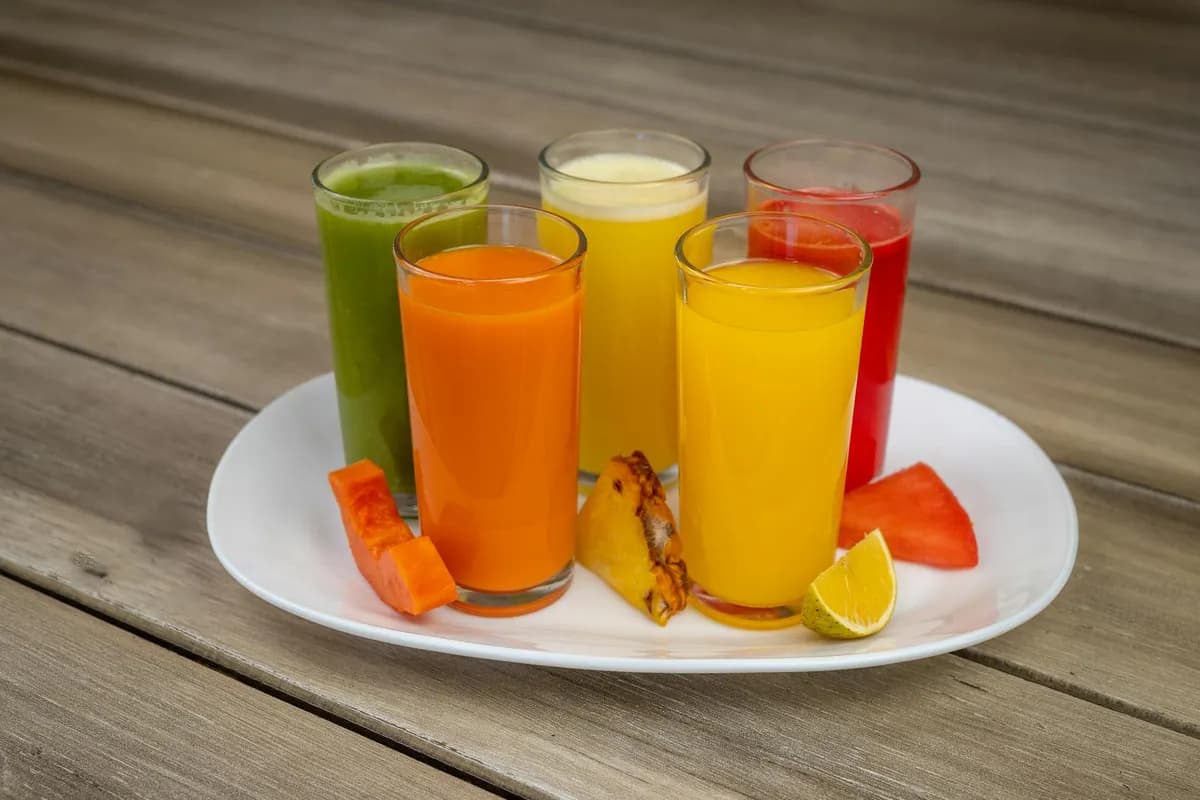
Common juice fasts include green juices made with leafy greens (kale, spinach, wheatgrass), cucumber, celery, and herbs; vegetable juices combining carrots, beets, ginger, and other root vegetables; and fruit juices from apples, citrus, berries, and pomegranate. Most practitioners recommend varying juice types throughout the fasting period to ensure nutrient diversity. Some protocols alternate between vegetable-dominant and fruit-dominant juices to balance nutrient intake.
Most people experience some hunger, particularly in the first 2-3 days, though the liquid nature of juices provides satiety for many. Hunger typically diminishes as the body adapts. Staying hydrated, spacing juices throughout the day, and consuming herbal teas can help manage hunger sensations. Some people report that hunger disappears entirely by day 3 or 4.
Common detoxification symptoms include headaches, fatigue, irritability, nausea, or changes in digestion. These are attributed to the mobilization of stored toxins as the body rests from processing solid foods. While practitioners consider these signs of therapeutic cleansing, they typically resolve within 3-5 days. If symptoms become severe or persist, it's advisable to end the fast and gradually reintroduce food.
Breaking a fast gradually is essential to avoid digestive distress. Begin with light broths, fresh juices with water, and smoothies for the first day. Progress to easily digestible foods like raw fruits, salads, and cooked vegetables. By day 3-4, you can introduce whole grains, legumes, and other food groups. The breaking-in period should typically last as long as the fasting period itself. Avoid heavy, processed, or fatty foods immediately after fasting.
Most practitioners recommend periodic juice fasts rather than frequent or continuous fasting. Common protocols suggest quarterly (seasonal) fasts, semi-annual fasts, or annual fasts of 7-10 days. Some individuals practice monthly 3-day fasts for maintenance. Frequency depends on individual health status, life circumstances, and practitioner recommendations. Extended or frequent fasting should only be undertaken with professional guidance.
Avoid all solid foods, including fruits and vegetables eaten whole. Eliminate coffee, tea, and other caffeinated beverages (unless herbal tea is approved). Avoid alcohol, processed foods, and sugar-added products. Some practitioners recommend reducing strenuous exercise and instead focusing on gentle movement like walking or yoga. It's also advisable to avoid making major decisions, intense work, or stressful situations during fasting periods.
Juice fasts can result in short-term weight loss due to reduced caloric intake, though much of this is water weight that returns when normal eating resumes. Long-term weight loss requires sustained dietary and lifestyle changes after the fast ends. While some use juice fasting as a starting point for dietary reset, it should not be viewed as a primary weight loss method. Consult a healthcare provider before using juice fasting for weight loss purposes.
Most medications and supplements should not be taken on an empty stomach without food, as they may cause nausea or reduced absorption. Consult with your doctor or pharmacist about any medications before fasting. Some practitioners recommend specific supplements during fasting, such as electrolyte replacements or probiotics, but this should be guided by a qualified practitioner. Never discontinue prescribed medications without medical guidance.
References
Educational sources that inform this overview. Inclusion is for context and does not imply endorsement.
Full citations are maintained by the Gyfts editorial team and reviewed periodically.
Keep exploring
Browse practitioners, explore honest overviews, and take what you learn to a conversation — at your own pace.