What Sets Lymphatic Massage Apart
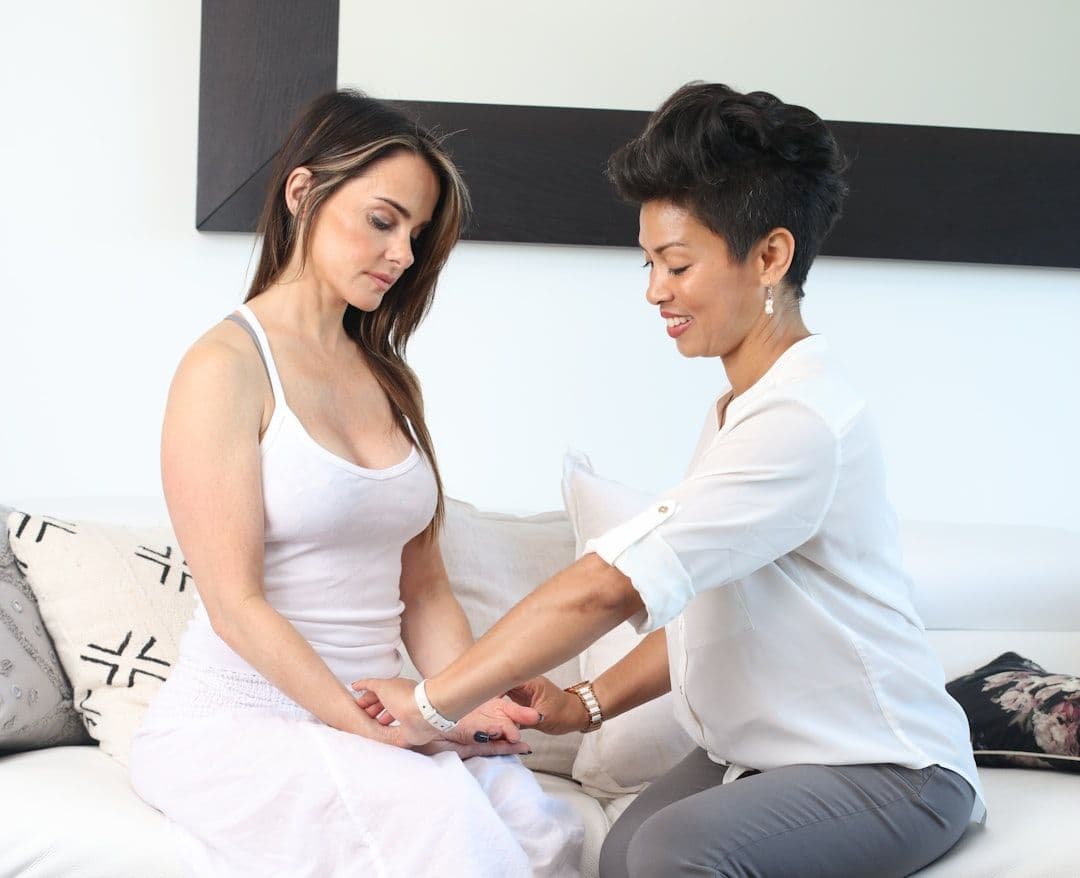
Place your hand on your forearm and press gently — barely more than the weight of a coin. That's the pressure used in lymphatic massage, a technique so light it might surprise anyone expecting traditional massage.
This specialised form of bodywork follows the body's lymphatic system — a network of vessels and nodes that carries immune cells and excess fluid throughout your body. Unlike blood, which has the heart to pump it, lymph fluid relies on muscle movement and external stimulation to flow properly. Lymphatic massage provides that gentle encouragement.
The technique involves rhythmic, sweeping movements that follow specific pathways from your extremities toward major lymph node clusters in your neck, armpits, and groin. It's less about working tight muscles and more about coaxing fluid along its natural routes.
From Medical Discovery to Wellness Practice
Lymphatic massage emerged from the medical world in the 1930s through the work of Danish physiotherapist Emil Vodder and his wife Estrid. Working at a health resort on the French Riviera, they observed that guests with chronic colds and sinus problems often had swollen lymph nodes. Their gentle manual techniques to address this swelling became the foundation of manual lymphatic drainage.
The method gained scientific credibility through the work of German physician Michael Földi, who integrated it into medical treatment programmes for lymphoedema in the 1960s. Today, it's recognised by medical systems across Europe as an essential component of complete decongestive therapy for lymphatic disorders.
What began as a medical intervention has expanded into wellness practices, though the most rigorous evidence remains within clinical applications.
The Science Behind the Gentle Touch
Your lymphatic system processes roughly three litres of fluid daily, filtering out waste products and supporting immune function. When this system becomes sluggish — through surgery, injury, infection, or certain medical conditions — fluid accumulates, causing swelling and discomfort.
Lymphatic massage works by manually stimulating the smooth muscle fibres within lymph vessel walls, encouraging them to contract and move fluid forward. The gentle pressure activates stretch receptors that trigger these contractions without collapsing the delicate vessels.
Research indicates the technique increases lymph flow by up to 20 times its normal rate. This enhanced circulation helps reduce localised swelling, supports the removal of metabolic waste, and may boost immune cell circulation. The light touch also activates the parasympathetic nervous system, promoting relaxation and potentially supporting the body's natural healing processes.
Who Benefits Most
Lymphatic massage shows strongest results for people with medically diagnosed conditions affecting their lymphatic system. Post-surgical patients, particularly those who've had lymph nodes removed or cosmetic procedures, often experience significant reduction in swelling and improved healing times.
People with lymphoedema — chronic swelling typically affecting arms or legs — frequently find it helps manage symptoms when combined with compression garments and exercise. Cancer survivors dealing with treatment-related swelling report both physical relief and emotional comfort from the gentle touch.
Beyond medical applications, some people choose lymphatic massage for general wellness, particularly those who find traditional massage too intense. Athletes occasionally use it during recovery periods, though evidence for performance benefits remains limited. People with conditions like fibromyalgia sometimes appreciate the extremely gentle approach when other bodywork feels overwhelming.
What to Expect During Treatment
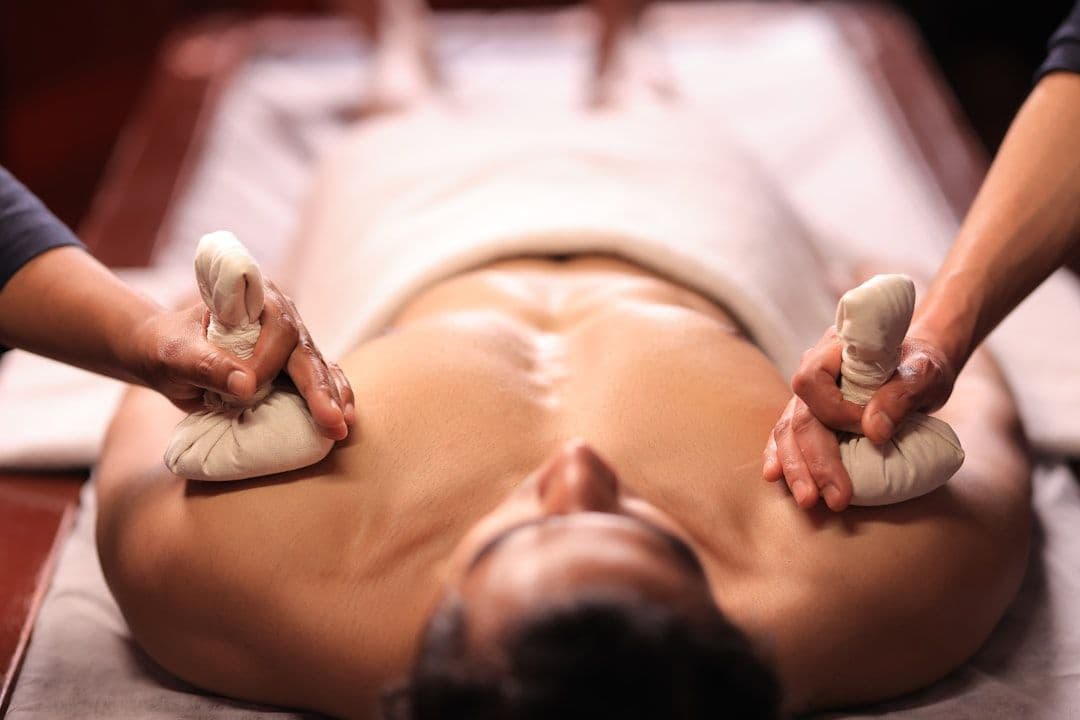
A lymphatic massage session begins with the practitioner assessing your lymph nodes and any areas of swelling. You'll lie comfortably on a massage table, typically undressed to your comfort level and covered with towels.
The treatment starts at your neck and major lymph node areas, using gentle circular movements to 'clear' these drainage points before working on your limbs. The strokes are long, slow, and rhythmic, following the direction of lymph flow toward these collection points.
Sessions typically last 60 to 90 minutes, considerably longer than you might expect given the gentle nature of the work. The slow pace allows adequate time for lymph fluid to respond and move. You might feel deeply relaxed during treatment, and some people notice increased urination afterward as excess fluid is processed.
Most practitioners recommend a series of treatments — often 3 to 6 sessions initially — rather than expecting dramatic results from a single appointment.
The Evidence Picture
Clinical research supports lymphatic massage most strongly for post-operative swelling and lymphoedema management. A 2015 Cochrane review found it effective for reducing limb volume in people with lymphoedema, particularly when combined with compression therapy and exercise.
Studies in post-surgical patients show consistent benefits for reducing swelling and improving comfort, with research spanning cosmetic surgery, orthopaedic procedures, and cancer treatment recovery. The evidence is particularly robust for breast cancer survivors with arm lymphoedema.
However, claims about general detoxification, cellulite reduction, or immune system boosting lack solid research support. While the technique does increase lymph flow, translating this into broader health benefits requires more rigorous study. Much of the evidence for wellness applications remains observational rather than controlled.
Finding Qualified Care
Proper lymphatic massage requires specialised training beyond standard massage qualifications. Look for practitioners certified in Manual Lymphatic Drainage (MLD) through recognised programmes like those accredited by the CNHC or practitioners registered with the FHT who've completed additional lymphatic training.
Medical lymphatic massage for conditions like lymphoedema is often performed by physiotherapists with additional certification. Your GP or specialist consultant may refer you for this type of treatment.
Private sessions typically cost £60-120, with medical treatments sometimes available through the NHS for diagnosed conditions. Initial assessments may cost more, and most practitioners recommend 3-6 sessions for optimal results.
When booking, ask about the practitioner's specific training credentials and experience with your particular concerns. A qualified therapist should assess your suitability for treatment and explain realistic expectations based on your individual circumstances.