What it is
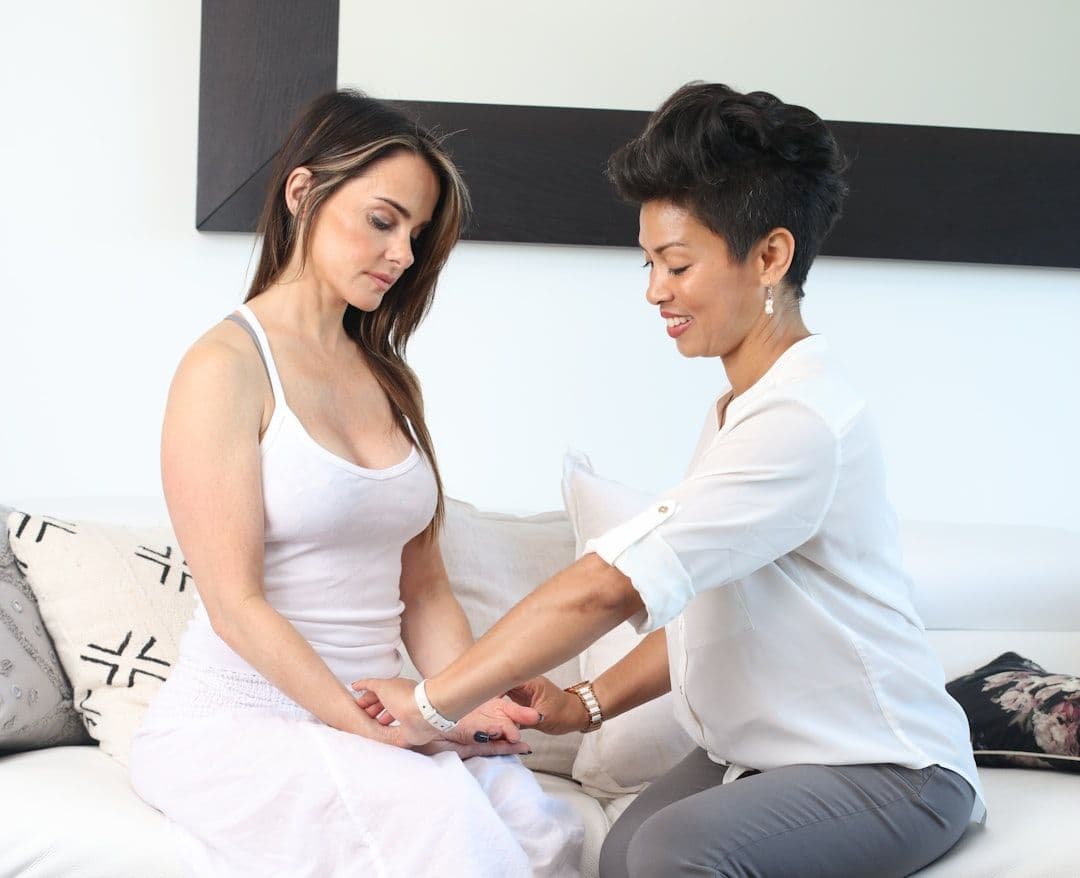
Gentle, rhythmic strokes encourage your body's lymph fluid to flow and drain naturally.
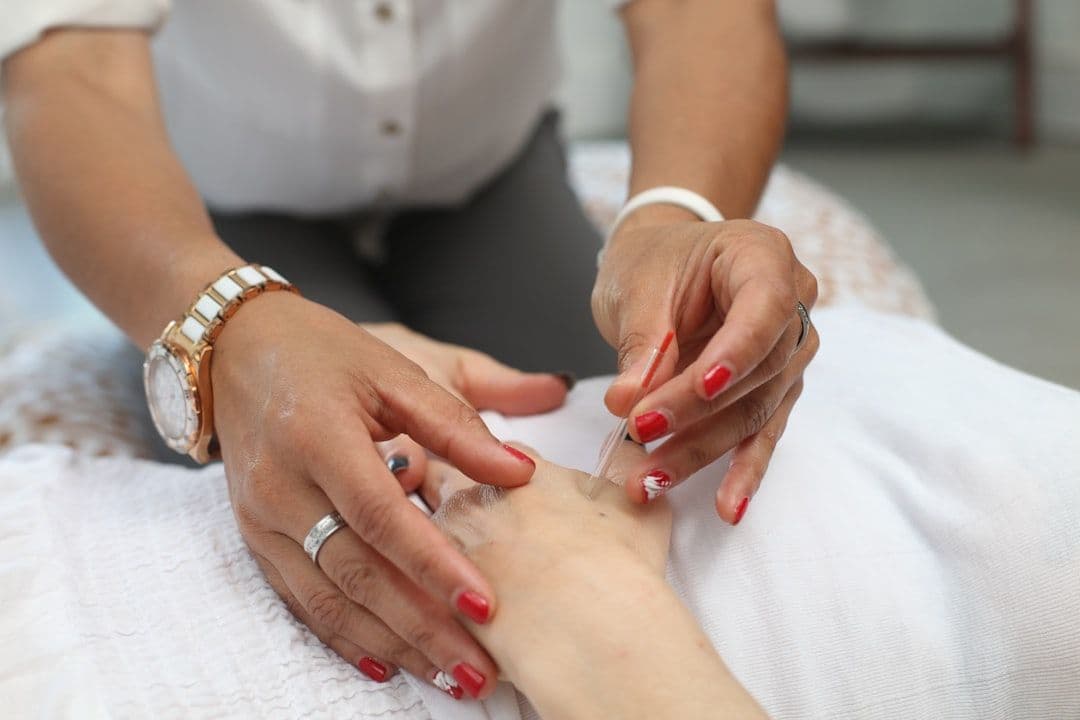
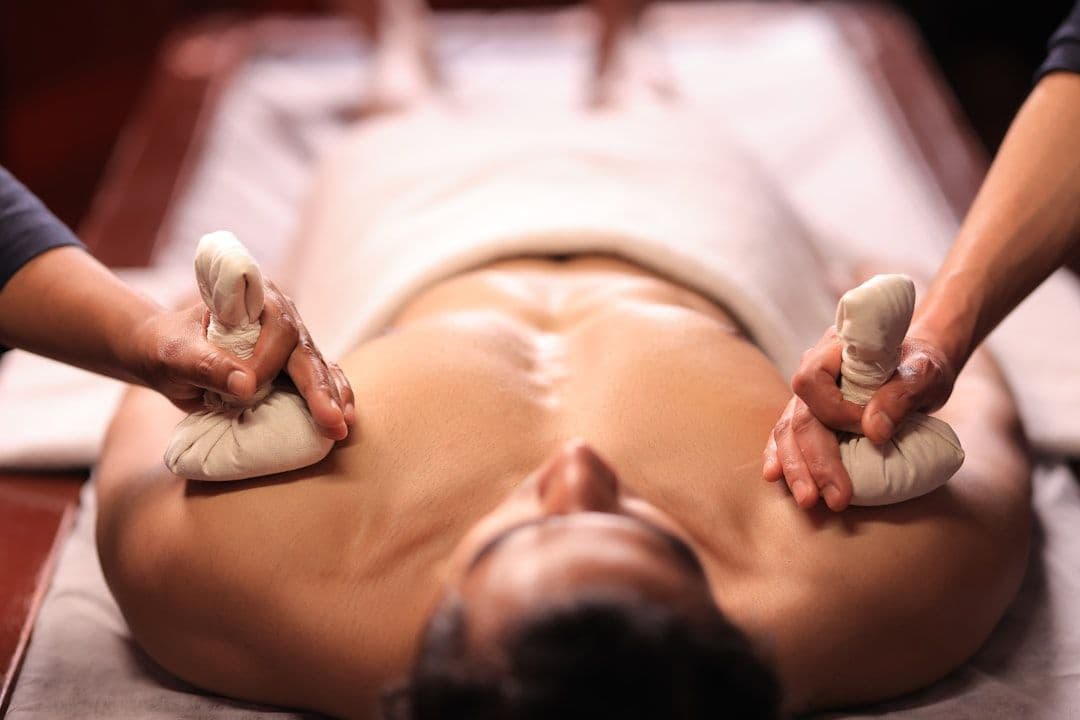
Lymphatic Massage is a gentle, specialized massage technique designed to stimulate the body's lymphatic system and support fluid drainage...
At a glance
What it is
Gentle, rhythmic strokes encourage your body's lymph fluid to flow and drain naturally.
Why explore it
It may ease swelling after breast cancer surgery, lymph node removal, or during pregnancy.
How it’s experienced
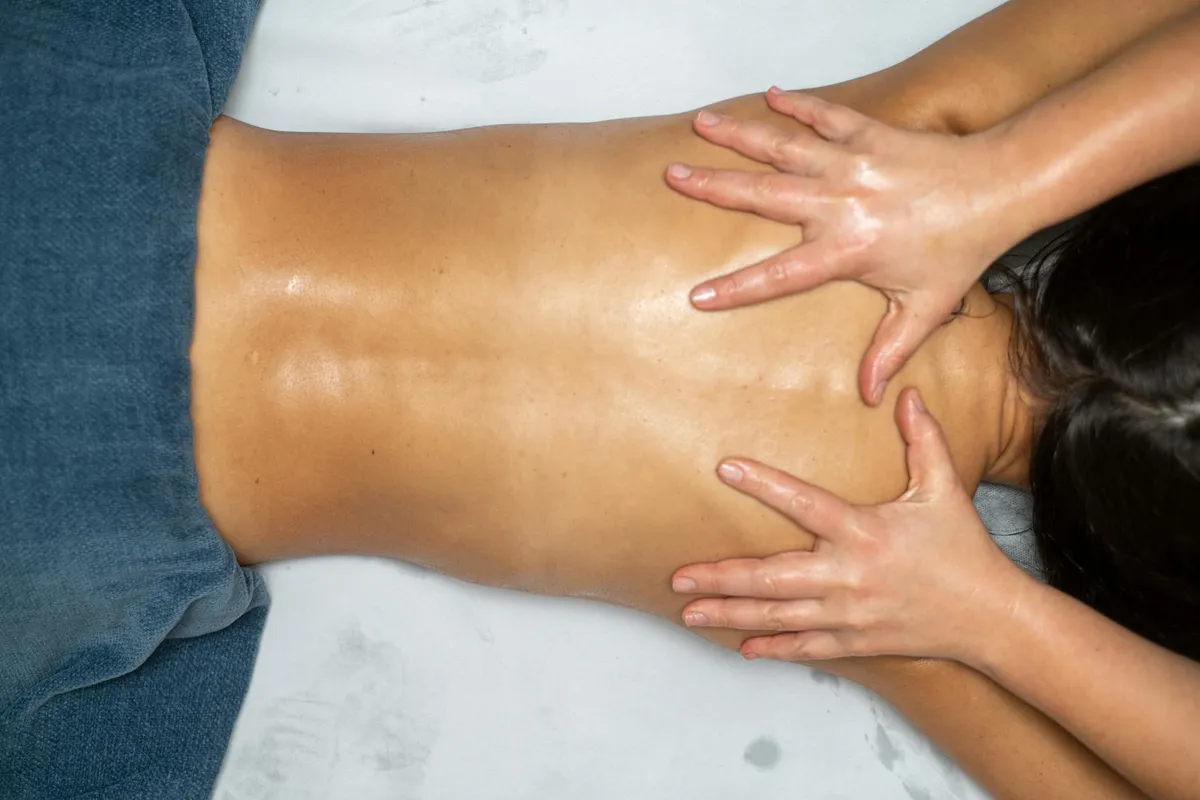
Expect feather-light strokes over draped skin, often leaving you deeply relaxed with less puffiness.
Evidence context
Clinical evidence supports its use for lymphedema, though detox claims remain largely unproven.
See the evidence snapshotSafety
Low risk overall, but get medical clearance if you have infections, DVT, or heart conditions.
See staying safeHistory & Origin
Lymphatic Massage is a massage therapy modality that specifically targets the lymphatic system for well-being.
Lymphatic Massage, also known as lymphatic drainage therapy, emerged in the early 20th century as practitioners developed a deeper understanding of the lymphatic system's role in health. The modern formalized technique was developed in the 1930s by Danish therapist Emil Vodder and his wife Estrid, who created a gentle, rhythmic method after observing its effects on clients with sinus congestion and swollen lymph nodes. Their approach, known as the Vodder method, became one of the most widely recognized lymphatic drainage techniques and was further refined through their training school established in Europe.
The therapy gained significant traction following World War II when European physical therapists began applying lymphatic drainage techniques to patients with post-surgical swelling and lymphedema. In the 1960s and 1970s, other practitioners including Lohse and Asdonk in Germany developed alternative approaches such as the Lohse method, expanding the theoretical framework and techniques available. The modality spread throughout Europe and eventually to North America, where it became integrated into oncology care, post-surgical recovery protocols, and general wellness practices.
Lymphatic Massage became particularly recognized in clinical settings during the late 20th century, especially following cancer treatment and surgery. Today, several established methods exist—including Vodder, Lohse, and Chikly techniques—each with slightly different approaches but sharing the core principle of gentle, directional massage to support lymphatic flow. The therapy is now taught in massage schools worldwide and is often used alongside conventional medical care for lymphedema management and post-operative recovery.
Top symptoms
Mechanism
Lymphatic Massage is generally described as working through skilled touch, careful pacing, and the body's response to pressure, movement, warmth, or stillness. Practitioners may focus on muscle tone, joint comfort, circulation, breath, or relaxation depending on the method. Traditional explanations may also include energy flow or whole-person balance. Research support varies by modality, so the experience is best framed as supportive care with outcomes that vary. Lymphatic massage uses gentle, rhythmic hand movements and light pressure applied in specific patterns to stimulate the movement of lymph fluid through the body's lymphatic vessels and nodes.
Your first visit
A typical session outline to help you feel prepared
A lymphatic massage session uses gentle, rhythmic touch to encourage fluid flow and ease puffiness, leaving you feeling lighter and deeply relaxed.
Your practitioner reviews your health history, asking about any swelling, surgeries, or health conditions to make sure the session is safely tailored to you.
You'll briefly discuss your goals, whether that's reducing puffiness, supporting recovery, or simply relaxing, so your practitioner knows where to focus.
You'll lie fully clothed or lightly draped on a massage table in a warm, quiet room. Loose, comfortable clothing works best since pressure is applied over fabric or bare skin.
Your practitioner begins at your neck and collarbone area, using slow circular pumping motions to open the main lymph node clusters before moving fluid toward them.
Using just the weight of their fingertips, your practitioner works in long, rhythmic strokes across your arms, legs, or abdomen, following the natural direction of lymph flow.
You may feel a gentle wave-like pressure, mild tingling, or an almost hypnotic calm. Many people drift into a deeply relaxed, drowsy state during this phase.
Your practitioner slows the strokes and returns briefly to the neck area to encourage final drainage, then gently signals the session is complete.
You'll be encouraged to drink plenty of water and rest if possible. Your practitioner may note that mild fatigue or increased trips to the bathroom are normal over the next day or two.
The Evidence
What research says about lymphatic massage, where evidence is strong, and where claims go beyond what the data supports.
Strongest support in post-surgical and lymphedema care
Lymphatic massage has a recognised role in managing lymphedema and post-surgical swelling, particularly in oncology settings. Evidence for broader popular uses such as general detoxification or immune boosting is limited and should be viewed cautiously.
Multiple clinical studies and observational data support lymphatic drainage for reducing post-surgical swelling and managing lymphedema, especially following cancer-related procedures. Results are most consistent when used as part of a structured care plan. Study quality varies, and large-scale randomised controlled trials remain limited, so findings should be interpreted with appropriate caution.
Some widely marketed uses of lymphatic massage — including broad immune enhancement, general detoxification, and cellulite reduction — lack robust empirical backing. These represent areas where practitioner or marketing claims may outpace available evidence. Gyfts encourages seekers to distinguish between evidence-informed applications and those based on preliminary or anecdotal data.
The Vodder and Lohse methods are recognised within physiotherapy and oncology rehabilitation. Lymphatic massage is often integrated into complete decongestive therapy for lymphedema alongside compression garments and exercise. In these contexts it is applied by trained practitioners, sometimes in coordination with medical teams, rather than as a standalone wellness service.
People with active infections, deep vein thrombosis, uncontrolled hypertension, active malignancy, heart or kidney conditions, or recent major surgery should consult a qualified health professional before proceeding. Blood-thinning medications and open wounds also warrant medical clearance. Always inform your practitioner of your full health history before a session.
Lymphatic massage requires specific training beyond general massage therapy. Look for practitioners certified in recognised methods such as the Vodder technique or equivalent programmes. In clinical settings, lymphatic drainage is often delivered by physiotherapists or occupational therapists with specialist training. If you have a medical condition, coordination between your practitioner and healthcare provider is advisable.
Lymphatic massage occupies a dual position: in oncology rehabilitation and physiotherapy it is delivered within formal healthcare teams, while in wellness contexts it is typically accessed outside conventional care. Understanding which context applies to your situation helps set realistic expectations. It complements rather than replaces professional medical assessment, and the strength of supporting evidence varies meaningfully between these two settings.
Safety first
General guidance to help you decide whether this approach is appropriate for you. This is informational only and not a substitute for medical, psychological, or professional advice.
If you are pregnant, managing a health condition, recovering from injury or surgery, or taking medication, consult a qualified healthcare professional first.
Some situations call for extra care or a different approach. Share any conditions, injuries, or sensitivities with your practitioner before your first session.
Look for clear boundaries, transparent pricing, and practitioners who avoid fear-based claims or pressure to book frequent sessions.
Mild, short-lived effects such as tenderness, tiredness, or temporary soreness can occur. Rest, hydrate, and tell your practitioner how you respond.
For you?
A simple, human way to weigh it up. This is general guidance, not personal medical advice — a qualified practitioner can advise on your situation.
Gyfts is a discovery platform, not a medical provider. Nothing here diagnoses, treats or replaces professional care. In an emergency, contact your local emergency number.
Explore approaches
Other practices people often explore alongside lymphatic massage.
In their words
FAQ
Lymphatic Massage uses very light pressure (approximately 3-5 grams) applied to the skin to gently stimulate lymphatic vessels, whereas traditional massage typically uses deeper, firmer pressure to work muscles and tissues. The light touch of lymphatic massage is intentionally gentle to avoid collapsing the delicate lymphatic capillaries. The techniques, rhythm, and direction of movement are also specifically designed to follow the anatomy of the lymphatic system.
This varies based on your individual situation. For general wellness, monthly or quarterly sessions may be sufficient. For post-surgical swelling or early-stage lymphedema, practitioners often recommend more frequent sessions (1-3 times per week initially), potentially decreasing over time as swelling improves. Your practitioner will develop a personalized treatment plan and adjust frequency based on your response.
Lymphatic Massage can be an effective component of lymphedema management, particularly when combined with compression therapy, exercise, and skin care. However, severe lymphedema typically requires comprehensive care from a certified lymphedema therapist and healthcare team. If you have been diagnosed with lymphedema, consult with your doctor or a certified lymphedema specialist to determine whether lymphatic massage is appropriate for your condition.
No, lymphatic massage should never be painful. The touch is gentle and light, and the experience should feel soothing and relaxing. If you experience pain or discomfort during a session, inform your practitioner immediately so they can adjust their approach. Some clients may initially feel unfamiliar with the light pressure, but this typically subsides as they relax.
Some clients notice reduced swelling or a sense of lightness within hours of a session, while others may require several sessions before noticing changes. Post-surgical swelling often responds more quickly than chronic conditions. Results vary based on the cause of swelling, the severity, your overall health, and how frequently you receive treatment. Consistency and patience are important.
Yes, many practitioners teach clients self-massage techniques to perform between professional sessions. Self-lymphatic massage is gentler than professional treatment but can provide supportive benefits. Your practitioner can teach you basic techniques suited to your specific needs. However, professional treatment is often more effective, especially initially or for significant swelling.
Lymphatic massage can be safe during pregnancy and may help reduce common pregnancy-related swelling, particularly in the legs and hands. However, always inform your practitioner that you are pregnant, and consult with your healthcare provider if you have any pregnancy complications. Some practitioners have additional training in prenatal massage and lymphatic work.
After a session, drink extra water to support the body's natural processes, avoid strenuous activity for the remainder of the day, and rest if possible. It is normal to experience increased urination as your body processes mobilized fluid. You may notice improved swelling reduction over the next 24-48 hours. Follow any specific recommendations your practitioner provides.
References
Educational sources that inform this overview. Inclusion is for context and does not imply endorsement.
Full citations are maintained by the Gyfts editorial team and reviewed periodically.
Keep exploring
Browse practitioners, explore honest overviews, and take what you learn to a conversation — at your own pace.