What It Is
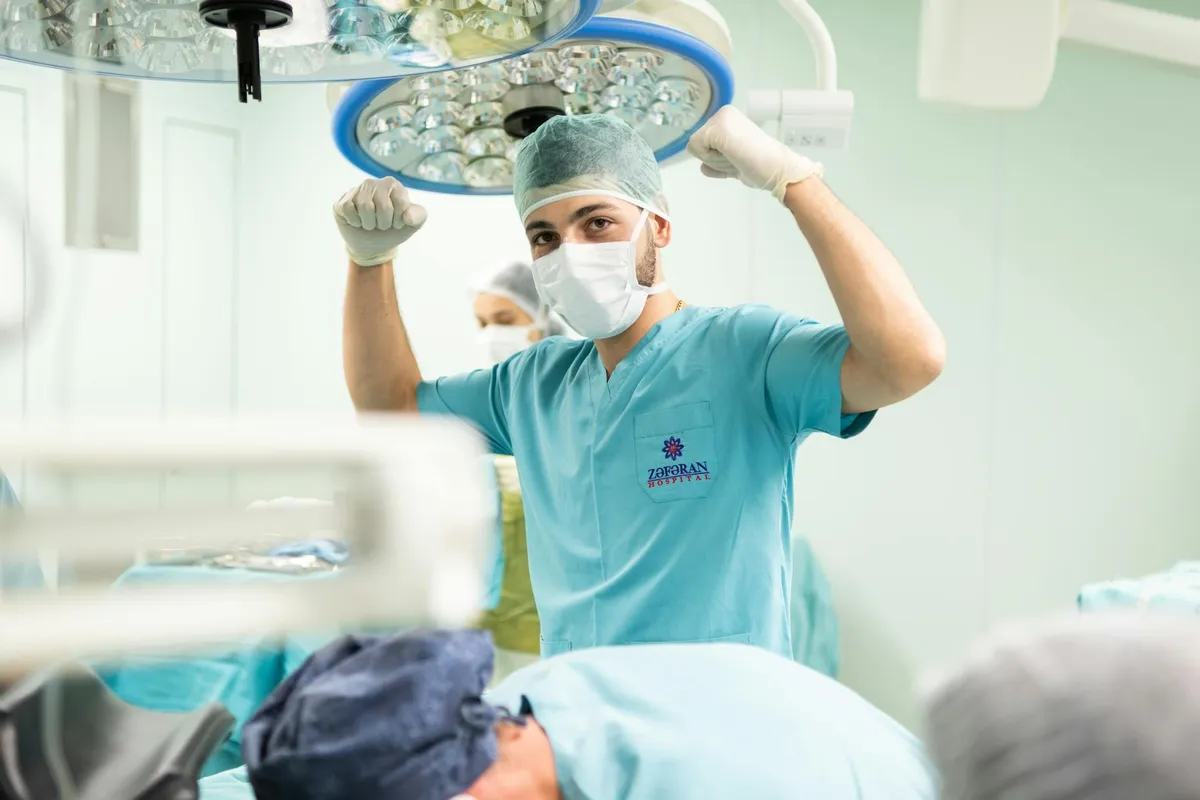
The physical and emotional process of healing and regaining function after a surgical procedure.
Finding your way back after surgery, one step at a time
At a glance
What It Is
The physical and emotional process of healing and regaining function after a surgical procedure.
How It Presents
Incision pain, fatigue, restricted movement, swelling, and emotional adjustment are all common experiences.
What May Help
Gentle movement, lymphatic support, myofascial work, and mind-body approaches are commonly explored.
Evidence Context
Moderate evidence supports several complementary approaches alongside standard post-surgical medical care.
See the evidence snapshotWhen to Seek Help
Seek care promptly for fever, wound changes, unexpected pain, or signs of infection or blood clots.
Explanation
Post-surgical recovery is the physiological and psychological process of healing following a surgical procedure. The experience varies depending on the type and extent of surgery, individual health status, and psychosocial factors such as stress levels and support systems. Common challenges include pain, fatigue, infection risk, reduced mobility, and the psychological effects of anesthesia. Evidence increasingly suggests that integrative approaches used alongside conventional post-operative care may support recovery outcomes. Nutritional optimization, gentle movement, mindfulness-based stress reduction, and acupuncture are among the adjuncts some practitioners recommend, and some people find these approaches help with pain, energy levels, and overall wellbeing during recovery.
Could this be you
Post-Surgical Recovery shows up differently for everyone. Browse by how it tends to be felt — these are common experiences, not a checklist or a diagnosis.
Common experiences people describe — not a diagnostic checklist.
Why it happens
Post-Surgical Recovery usually comes from a mix of factors rather than a single cause. These are common contributors — not certainties.
Age, genetics, and baseline tissue health may influence how quickly the body repairs incisions and rebuilds strength after surgery.
Psychological stress and anxiety around the procedure or outcome may slow tissue repair and amplify the experience of post-surgical pain.
Pre-existing conditions such as diabetes, obesity, or immune dysfunction, as well as poor nutritional status, may extend recovery timelines.
Disrupted sleep from pain, medication effects, or hospital environments may reduce the body's natural tissue repair processes during recovery.
What happens in the body
Post-Surgical Recovery can involve several of the body’s systems. These are common patterns researchers describe — how they show up varies from person to person.
Surgical incisions trigger an inflammatory cascade that may progress through overlapping phases of clotting, immune response, and collagen remodeling over weeks to months.
Tissue damage and nerve disruption from surgery may sensitize pain pathways, contributing to heightened pain perception and fatigue during the recovery period.
Surgical stress may temporarily suppress immune function, potentially increasing vulnerability to infection and slowing the body's ability to clear cellular debris at the wound site.
The psychological burden of surgery, including anxiety, disrupted routine, and altered body image, may elevate stress hormones that some research links to slower recovery trajectories.
Process
Management
Guided rehabilitation with a licensed therapist may support restoration of strength, mobility, and function following musculoskeletal or orthopedic procedures.
A doctor may discuss analgesics, anti-inflammatories, or nerve pain medications as part of a short-term plan to help manage post-surgical discomfort.
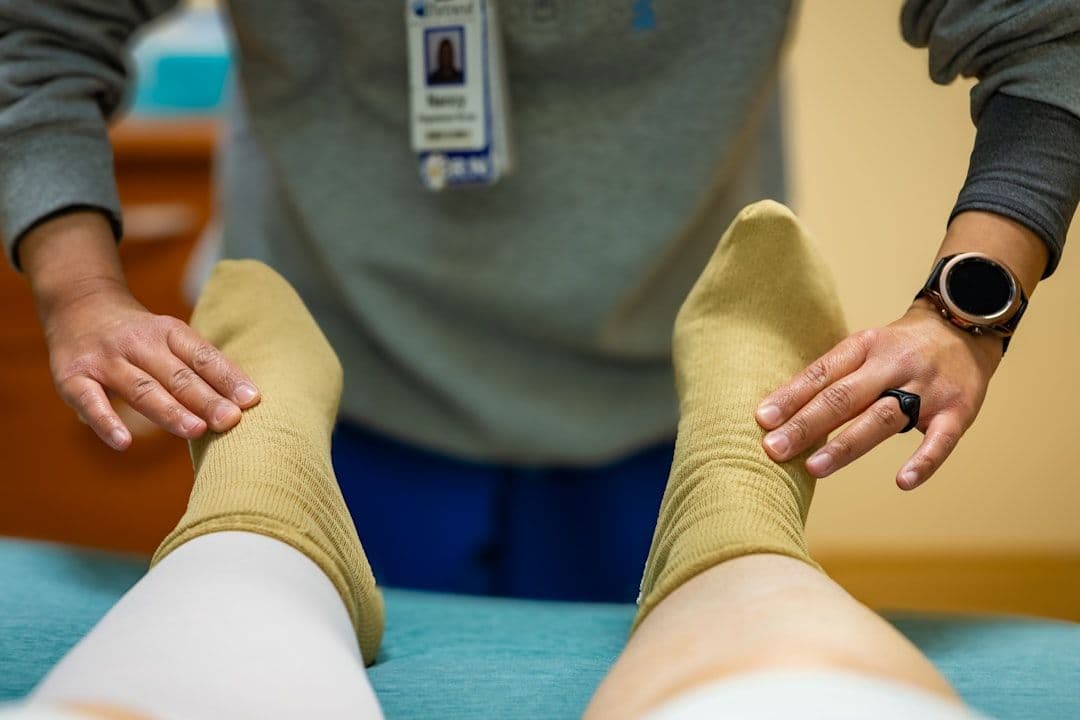
A gentle, specialized massage technique that some practitioners suggest may support reduction of post-surgical swelling and promote fluid movement through the lymphatic system.
Supervised low-impact movement work that some people find helpful for rebuilding core stability and functional movement after surgery, particularly in the later stages of recovery.
A low-level electrical stimulation modality that some practitioners suggest may support tissue recovery and pain modulation during post-surgical rehabilitation.
Self-Care
Guided movement and physiotherapy exercises, done regularly, may support tissue healing and help restore range of motion more effectively than rest alone.
Adequate protein, vitamin C, and zinc may support wound repair and tissue regeneration. Some practitioners suggest focusing on whole foods during the recovery window.
Some people find that breath-focused mindfulness or body scan practices help reduce perceived pain intensity and ease the anxiety that often accompanies post-surgical discomfort.
Once the wound has fully closed, some practitioners suggest gentle massage around the scar site to help reduce adhesions and improve tissue mobility over time.
Many people underestimate the emotional weight of recovery. Connecting with a counselor or support group early may help with adjustment, motivation, and realistic goal-setting.
The Evidence
What research says about supporting recovery after surgery, and where the evidence is stronger or more limited.
Strong base for rehab; growing support for integrative adjuncts
Physiotherapy and exercise-based rehabilitation have a well-established evidence base for post-surgical recovery. Integrative approaches such as acupuncture, nutritional support, and mind-body practices have emerging to moderate evidence as adjuncts alongside conventional care.
Physiotherapy and structured exercise have strong evidence for restoring mobility and function after surgery. Acupuncture has moderate evidence for post-surgical pain and nausea. Nutritional support — particularly protein, vitamin C, and zinc — has reasonable evidence for wound healing. Guided imagery and relaxation techniques have evidence for reducing surgical anxiety and supporting recovery.
Standard post-surgical care typically includes pain management, wound monitoring, early mobilisation, and physiotherapy. The timeline and intensity of rehabilitation depend on the procedure and individual health status. Evidence supports early, graduated movement where clinically appropriate, as prolonged immobility is associated with complications including reduced circulation and muscle deconditioning.
Manual lymphatic drainage, acupuncture, and mindfulness-based stress reduction are among the approaches some practitioners use alongside post-surgical rehabilitation. Evidence varies by modality and outcome. These approaches are generally considered adjuncts — not substitutes for medical oversight — and should be coordinated with the surgical team, particularly in the early post-operative period.
Seek immediate medical attention for fever above 38.3°C, wound reopening, spreading redness around the incision, sudden increased pain or swelling, signs of deep vein thrombosis such as calf pain or leg swelling, or any difficulty breathing after surgery. These may indicate complications that require urgent clinical review and are outside the scope of any complementary or integrative approach.
Before beginning any MACH modality after surgery, inform your surgical team. Deep tissue work near a surgical site is contraindicated until the area is fully healed. Some modalities may be appropriate earlier in recovery than others. Practitioners working with post-surgical clients should have relevant training and clear communication with the broader care team.
Many studies on integrative post-surgical support are small, short-term, or lack standardised protocols, making broad conclusions difficult. Individual recovery is shaped by the type of surgery, overall health, psychosocial factors, and access to support. Evidence for modalities such as aromatherapy and hypnotherapy remains limited. Gyfts does not replace professional post-operative assessment or care.
Safety first
Post-Surgical Recovery is manageable, and support helps. Some situations call for prompt professional help.
Explore approaches
Practices people explore for post-surgical recovery — alongside professional care.
FAQ
Recovery timelines vary widely depending on the procedure and individual health. Minor surgeries may resolve in weeks, while major ones can take months. Some people find that consistent rehabilitation support helps them progress more steadily.
Some people find that manual lymphatic drainage and compression therapy may support swelling reduction after surgery. These approaches are best discussed with your surgical team to ensure they are appropriate for your specific procedure and timing.
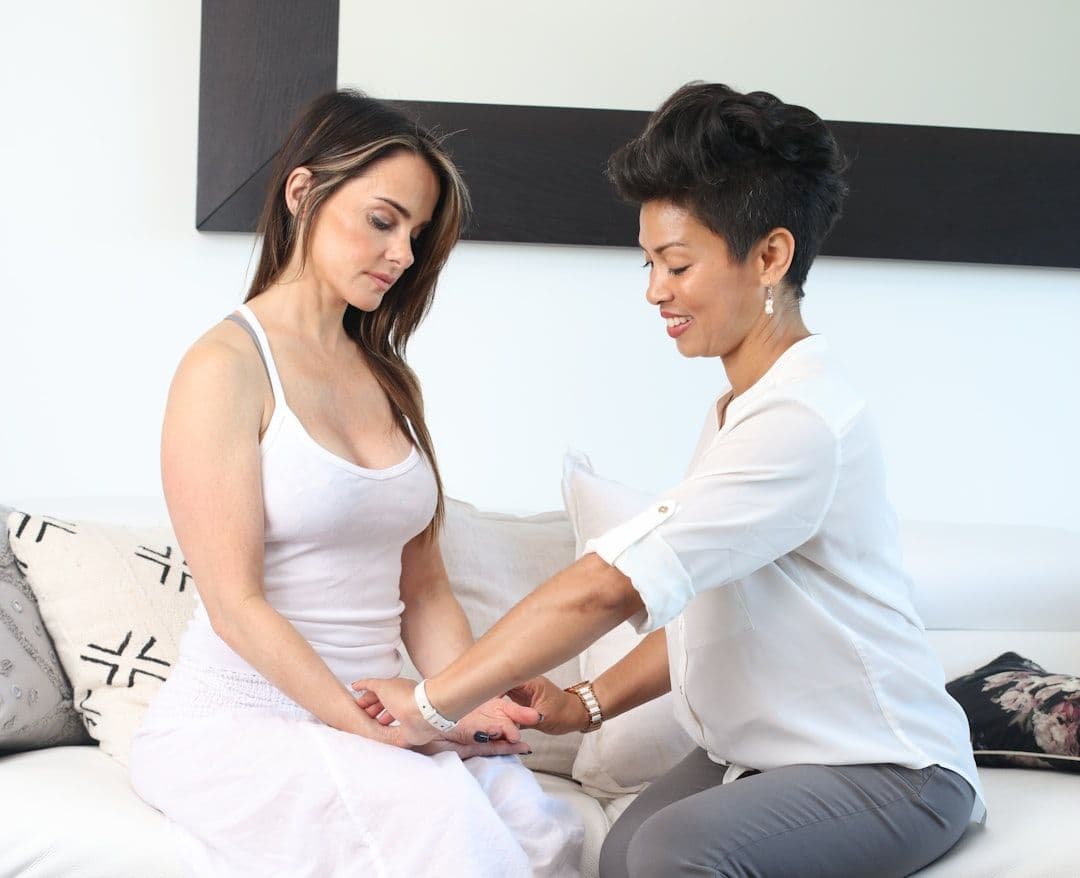
Surgery places significant stress on the body and disrupts daily routines, which can affect mood. Some practitioners suggest that emotional adjustment is a normal part of recovery, and mind-body approaches like Healing Touch may offer comfort for some individuals.
Contact your surgical team if you notice fever, increasing redness or warmth near your wound, unexpected swelling, or pain that worsens rather than improves. These may indicate complications that need prompt medical attention.
Gentle, guided movement such as Clinical Pilates or kinesiotherapy may support mobility restoration when introduced at the right stage. Always follow your surgeon's clearance guidance before beginning any structured movement program.
Keep exploring
Browse practitioners, explore honest overviews, and take what you learn to a conversation — at your own pace.