The Dance of Yin and Yang on Your Plate
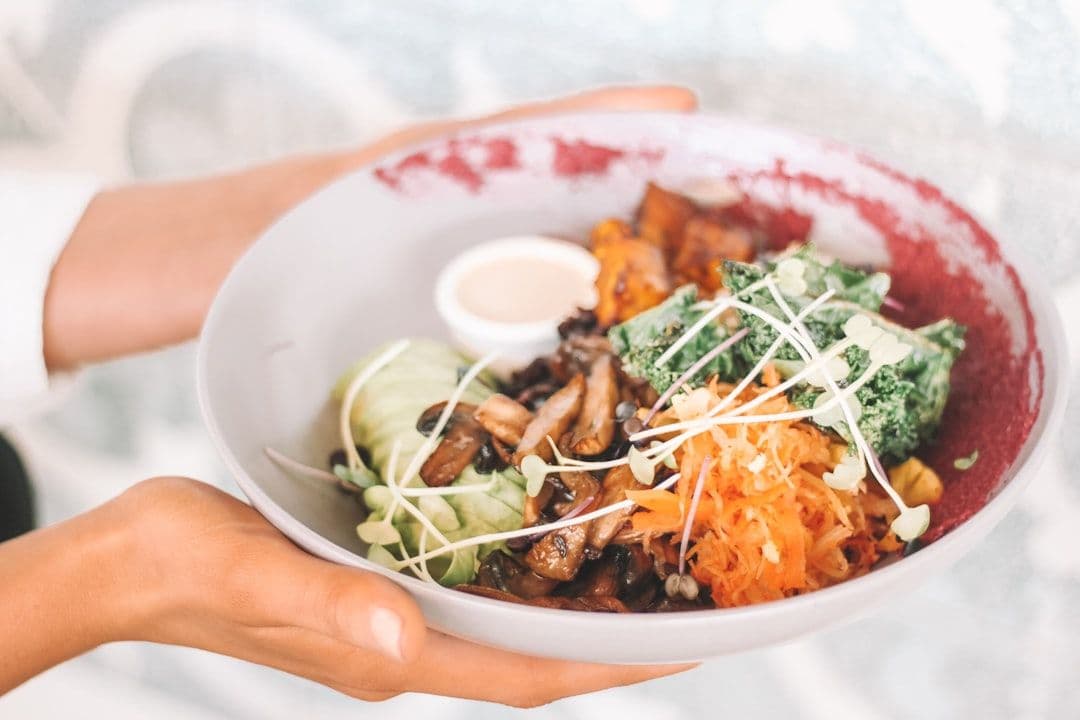
Picture a bowl of brown rice garnished with tender hijiki seaweed, steamed kale, and a small portion of miso-glazed tempeh. This isn't just a meal — it's a carefully orchestrated balance of what macrobiotic practitioners call yin and yang energies. Each ingredient has been selected not only for its nutritional profile but for its energetic qualities: the grounding, warming rice balancing the cooling greens, the mineralising seaweed complementing the protein-rich tempeh.
The macrobiotic diet represents far more than a list of permitted foods. It's a comprehensive philosophy that views eating as a practice of harmony — with the seasons, with your body's changing needs, and with the natural world around you. Practitioners don't simply follow meal plans; they learn to read their bodies' signals and adjust their food choices accordingly.
From Japanese Philosophy to Western Practice
The modern macrobiotic approach emerged in the early 20th century through Japanese philosopher George Ohsawa, who synthesised traditional Asian dietary principles with contemporary nutritional understanding. Ohsawa drew from classical Chinese medicine's concept of yin-yang balance and applied it to food selection, creating a framework that classified everything from vegetables to cooking methods along this energetic spectrum.
The practice gained prominence in the West during the 1960s, particularly through the work of Michio Kushi, who established educational centres and refined the dietary guidelines. What began as a somewhat rigid system has evolved into a more flexible approach that honours individual needs whilst maintaining core principles of seasonal eating, whole foods, and mindful preparation.
Today's macrobiotic practitioners often adapt traditional guidelines to accommodate diverse cultural backgrounds and modern lifestyles, whilst preserving the fundamental emphasis on balance and natural harmony.
The Architecture of Macrobiotic Eating
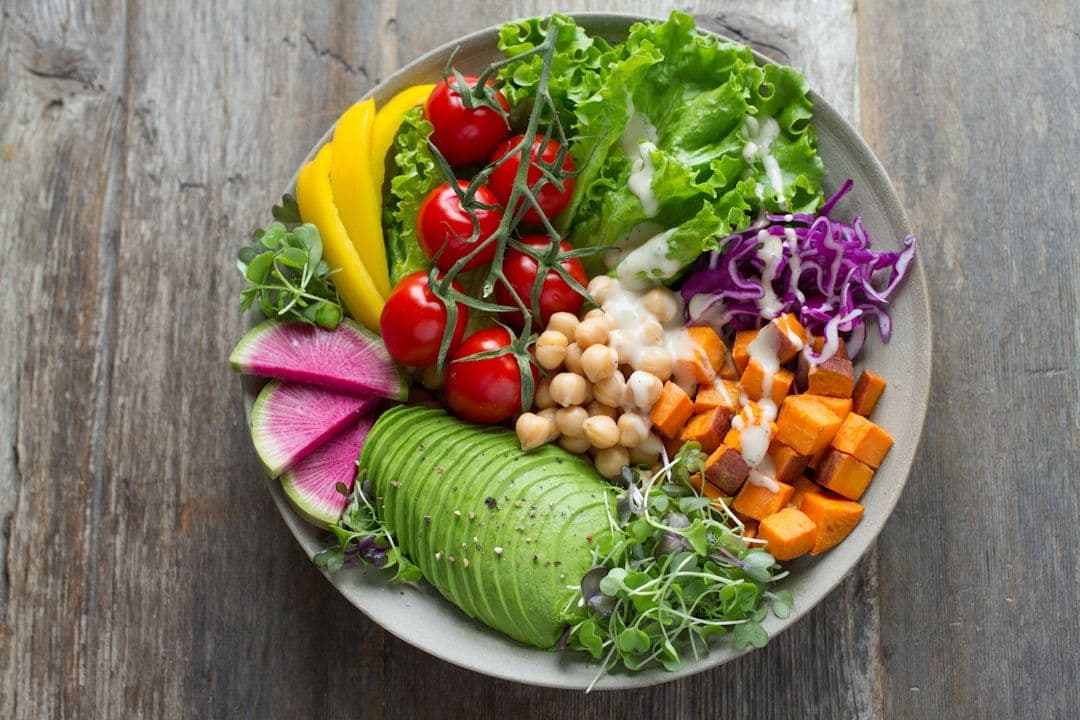
The macrobiotic plate follows a specific structure: whole grains form the foundation, typically comprising 40-60% of each meal. These aren't just any grains — brown rice, millet, quinoa, and other unrefined varieties are chosen for their grounding, sustained-energy qualities. Seasonal vegetables make up 25-35% of the meal, with cooking methods varying by season and individual constitution.
Legumes, sea vegetables, and small amounts of fish or fermented soy products round out the nutritional profile. What you won't find are refined sugars, processed foods, or most dairy products — foods considered too extremely yin or yang to support optimal balance.
From a biomedical perspective, this eating pattern naturally provides high fibre, complex carbohydrates, and plant compounds whilst limiting saturated fat and processed ingredients. The emphasis on thorough chewing — often 50 times per bite — may enhance satiety signals and improve digestion. The seasonal focus ensures variety in nutrients and phytochemicals throughout the year.
Who Finds Balance Through Macrobiotic Eating?
The approach tends to resonate most with people experiencing digestive concerns who feel overwhelmed by complex elimination diets. The macrobiotic framework provides clear guidance whilst emphasising gentle, nourishing foods that many find easier to digest than standard Western fare.
I've observed particular interest among individuals seeking a structured approach to mindful eating — those who benefit from the practice's emphasis on food preparation as meditation and eating as conscious practice. The philosophical framework appeals to people who want their dietary choices to reflect broader values around sustainability and harmony with nature.
Those managing chronic conditions often explore macrobiotics as a complementary approach, particularly when conventional treatments leave them feeling disconnected from their bodies' wisdom. The practice's emphasis on individual constitution and seasonal adaptation can feel empowering for people seeking personalised approaches to wellness.
A Day in Macrobiotic Practice
A typical macrobiotic day begins with observing your current state — energy levels, digestion from the previous day, seasonal weather patterns. Breakfast might feature soft millet porridge with steamed greens and a small portion of fermented vegetables, chosen to support gentle morning digestion.
Lunch centres around the day's main grain portion — perhaps brown rice with azuki beans, sautéed seasonal vegetables, and a small bowl of miso soup rich with wakame seaweed. Dinner follows similar principles but with lighter preparation methods and smaller portions to support evening rest.
Food preparation becomes as important as food selection. Practitioners spend considerable time washing grains, chopping vegetables mindfully, and adjusting cooking methods based on weather and personal needs. Meals are eaten slowly, with attention to flavours, textures, and the body's response to different foods.
Evidence and Experience in Practice
The research landscape for macrobiotic eating remains underdeveloped, with most studies focusing on individual components rather than the complete dietary pattern. Some observational research suggests potential cardiovascular benefits and associations with reduced cancer risk, but these studies can't establish causation and often involve people making multiple lifestyle changes simultaneously.
Practitioners and long-term followers frequently report improvements in energy levels, digestive comfort, and general wellbeing. However, these benefits may result from the elimination of processed foods, increased vegetable intake, or the mindful eating practices rather than the specific yin-yang framework.
The philosophical aspects of macrobiotic practice — the emphasis on seasonal eating, food quality, and mindful preparation — align with evidence-supported approaches to healthy eating, even when the energetic classifications lack scientific validation. Many people find value in the framework's structure and mindfulness components regardless of whether they fully embrace the underlying philosophy.
Practical Considerations and Getting Started
Initial consultation with a qualified macrobiotic counsellor typically costs £60-120, with follow-up sessions ranging from £40-80. Many practitioners offer package deals for ongoing support during the transition period. Look for counsellors trained through recognised institutions like the Kushi Institute or who hold certification from the International Macrobiotic Conference.
The learning curve can be steep, particularly around food classification and seasonal adjustments. Most people benefit from working with a counsellor for at least three to six months whilst establishing new shopping and cooking patterns. Expect to invest in new pantry staples — sea vegetables, whole grains, and quality fermented foods — which can increase initial food costs.
Given the limited animal products, careful attention to nutritional adequacy is essential. Work with a qualified practitioner to ensure adequate protein combining, and consider B12 monitoring with your GP. The approach works best for people who enjoy cooking and have time for food preparation, as convenience options remain limited within macrobiotic principles.