What it is
A Zen-rooted, plant-based approach built on whole grains, veggies, and sea vegetables.
The Macrobiotic Diet is a plant-based eating philosophy rooted in traditional Asian principles of balance and harmony, emphasizing whole ...

At a glance
What it is
A Zen-rooted, plant-based approach built on whole grains, veggies, and sea vegetables.
Why explore it
Fans report steadier energy, easier digestion, and fewer cravings for processed foods.
How it’s experienced
You ease in gradually, swapping refined grains, adding sea vegetables, and embracing seasonal cooking.
Evidence context
Early studies hint at heart and weight benefits, but larger clinical trials are still needed.
See the evidence snapshotSafety
Mostly safe for adults, though strict versions may need B12 or calcium monitoring with your doctor.
See staying safeHistory & Origin
The Macrobiotic Diet focuses on whole grains, vegetables, beans, and sea vegetables, with minimal animal products, to achieve balance and harmony with nature and promote overall health and well-being.
The Macrobiotic Diet emerged in early 20th-century Japan, developed by Sakurazawa Nyoiti (known as George Ohsawa), who synthesized principles from Zen Buddhism, traditional Chinese medicine, and Japanese folk healing practices. Ohsawa believed that food profoundly influences physical, mental, and spiritual health, and he structured the diet around the complementary forces of yin and yang to create dynamic equilibrium in the body. He initially promoted macrobiotics in Japan and later introduced it to Western audiences in the 1950s and 1960s, particularly gaining traction in health-conscious communities in Europe and North America.
Michio Kushi, a student and colleague of Ohsawa, significantly expanded macrobiotics' reach in the West during the 1970s and 1980s, establishing the Kushi Institute and publishing influential books that made the philosophy more accessible to Western practitioners. Kushi refined and systematized Ohsawa's teachings, creating detailed dietary guidelines organized into ten progressively stricter levels, though most contemporary practitioners follow more moderate, flexible versions. The approach drew particular interest during the natural foods movement and has maintained a dedicated following among those seeking alternatives to industrial food systems.
Today, macrobiotics exists as both a comprehensive lifestyle philosophy and a flexible dietary approach. While its spiritual and metaphysical foundations remain central to traditional practice, modern adaptations often emphasize the nutritional and environmental benefits of whole-food, plant-based eating. The diet has influenced broader health movements and continues to attract practitioners interested in food as medicine, sustainable agriculture, and mind-body-spirit integration.
Mechanism
Macrobiotic Diet is usually understood through daily choices, patterns, and gradual behavior change rather than a single session effect. Practitioners may focus on food quality, timing, preparation, symptoms, preferences, culture, and sustainability. Some approaches are tradition-based, while others draw on nutrition science or clinical guidelines. Recommendations should be individualized, especially when medical conditions, pregnancy, medications, or restrictive eating patterns are involved. The macrobiotic diet operates on the principle of yin-yang balance, classifying foods along a spectrum from extremely yin (expansive, cooling) to extremely yang (contractive, warming).
Your first visit
A typical session outline to help you feel prepared
A macrobiotic session guides you through balancing your diet and lifestyle using ancient food philosophy, blending personal health review with hands-on meal planning.
Your practitioner greets you and reviews a health questionnaire you may have filled out in advance covering your current diet, digestion, energy levels, and any health concerns you want to address.
Using macrobiotic principles, your consultant evaluates your constitution and condition, discussing whether your current foods and habits lean too yin or too yang and how that may be affecting how you feel day to day.
Your practitioner may observe subtle physical signs such as skin tone, tongue appearance, and energy presentation, traditional diagnostic tools in macrobiotics that help personalize your food recommendations.
You and your practitioner talk through what you hope to experience, whether that is more energy, better digestion, or a calmer mind, shaping a realistic and personalized dietary direction just for you.
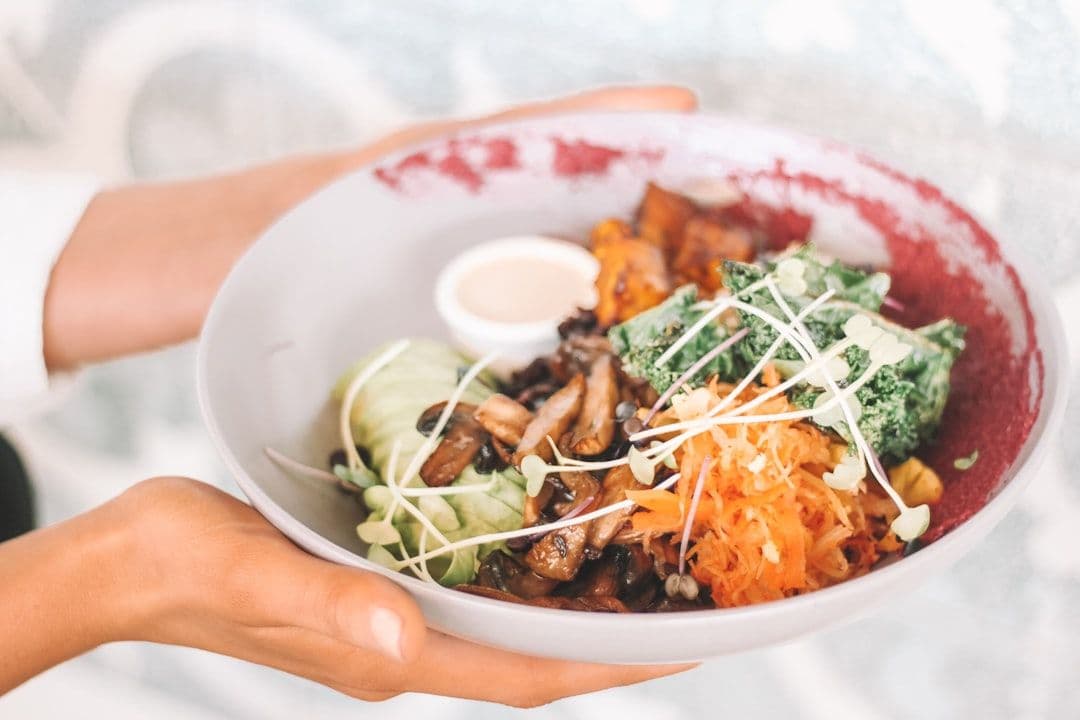
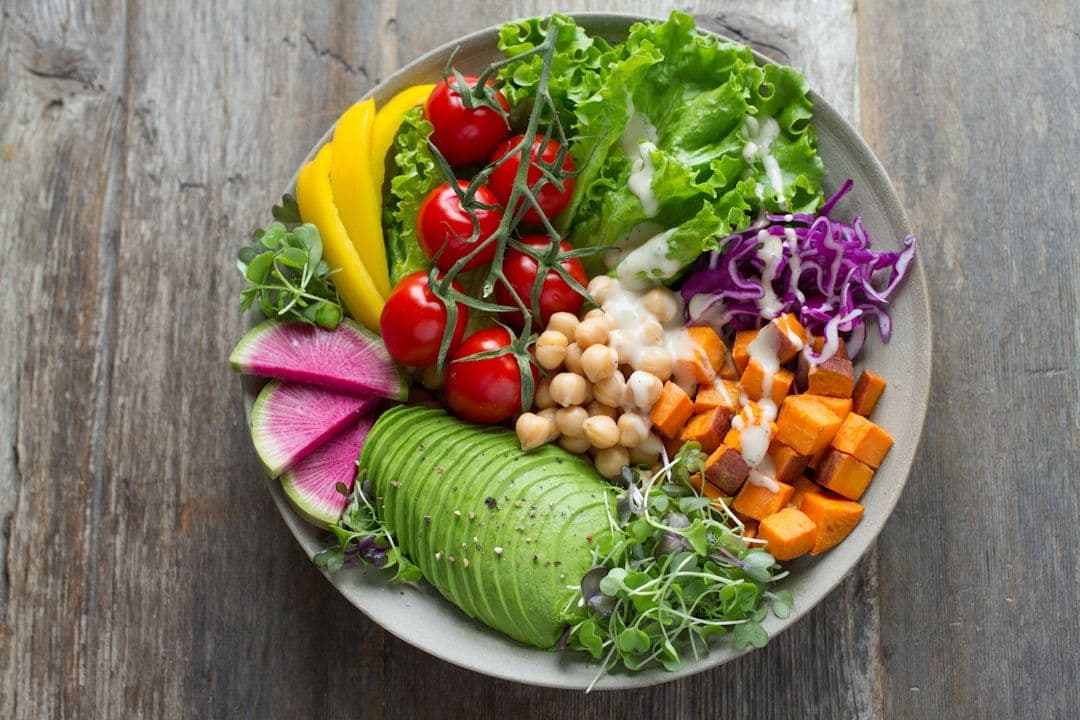
Your consultant walks you through a macrobiotic food pyramid emphasizing whole grains like brown rice, land and sea vegetables, legumes, and miso soup, explaining portion ratios and which foods to reduce or avoid.
Together you map out sample daily menus, discuss simple cooking methods like steaming and pressure cooking, and explore how to source whole foods, making the approach feel practical and approachable.
Your practitioner shares key macrobiotic eating habits such as chewing each bite thoroughly, eating at regular times, and creating a calm mealtime environment to support digestion and awareness.
You leave with written notes or a food guide to reference at home, and your practitioner outlines a follow-up schedule so you can check in as your body adjusts and your confidence with macrobiotic cooking grows.
The Evidence
What research and tradition say about the Macrobiotic Diet, and what remains uncertain.
Promising signals, but research remains modest and early
Small studies suggest potential benefits for cardiovascular markers, blood sugar, and weight, but the evidence base is limited. The diet's philosophical foundations draw from traditional Asian medicine rather than clinical science.
Observational and small intervention studies have explored effects on cholesterol, blood sugar, and weight management, with some positive signals. Most studies involve small samples, short follow-up periods, and cannot isolate dietary effects from broader lifestyle changes. Stronger, larger trials are needed before firm conclusions can be drawn.
Developed by George Ohsawa in early 20th-century Japan and expanded in the West by Michio Kushi, the diet applies yin-yang principles to food selection and preparation. These traditions represent accumulated practice wisdom but do not meet contemporary standards for clinical validation. Understanding this context helps set realistic expectations.
Macrobiotics organises foods along a yin-yang spectrum and emphasises harmony with nature and seasonal eating. These concepts are meaningful within their traditional context and may support mindful engagement with food. They are not claims that can be evaluated through standard biomedical research methods.
Vitamin B12, iron, calcium, omega-3 fatty acids, and complete proteins may be insufficient without deliberate planning or supplementation. People with diabetes, heart disease, kidney conditions, or a history of restrictive eating should consult a healthcare provider before making significant dietary changes. Pregnant women, nursing mothers, and children have higher nutritional needs requiring professional guidance.
Despite some practitioners making inflated outcome claims, the current evidence does not support macrobiotics as a standalone intervention for any medical condition. It may complement a broader health strategy but should not delay or replace professional assessment, particularly for serious or complex health concerns.
A practitioner experienced in both macrobiotics and nutritional assessment can help tailor the approach to your individual needs, identify potential gaps, and integrate it alongside any existing care. If you have a diagnosed condition or take medications, coordinating with your primary healthcare provider is advisable before making significant dietary shifts.
Safety first
General guidance to help you decide whether this approach is appropriate for you. This is informational only and not a substitute for medical, psychological, or professional advice.
If you are experiencing severe distress, suicidal thoughts, psychosis, acute trauma, or another serious mental health concern, seek qualified support first.
This approach is not suitable for diagnosis, treatment instructions, or decisions that require medical, legal, financial, or professional advice.
Look for clear boundaries, transparent pricing, and practitioners who avoid fear-based claims or pressure to book frequent sessions.
Treat any insight as one reflective perspective, not absolute truth. Important decisions should be considered with appropriate professional support.
For you?
A simple, human way to weigh it up. This is general guidance, not personal medical advice — a qualified practitioner can advise on your situation.
Gyfts is a discovery platform, not a medical provider. Nothing here diagnoses, treats or replaces professional care. In an emergency, contact your local emergency number.
Explore approaches
Other practices people often explore alongside macrobiotic diet.
In their words
FAQ
The macrobiotic approach is based on achieving balance between yin and yang—complementary forces present in all foods and life. Yin foods (generally expansive, cooling, lighter) include vegetables, fruits, and herbs. Yang foods (generally contracting, warming, denser) include grains, root vegetables, and legumes. The goal is to select foods in proportions that create equilibrium based on your individual constitution and current condition, supporting both physical health and spiritual harmony.
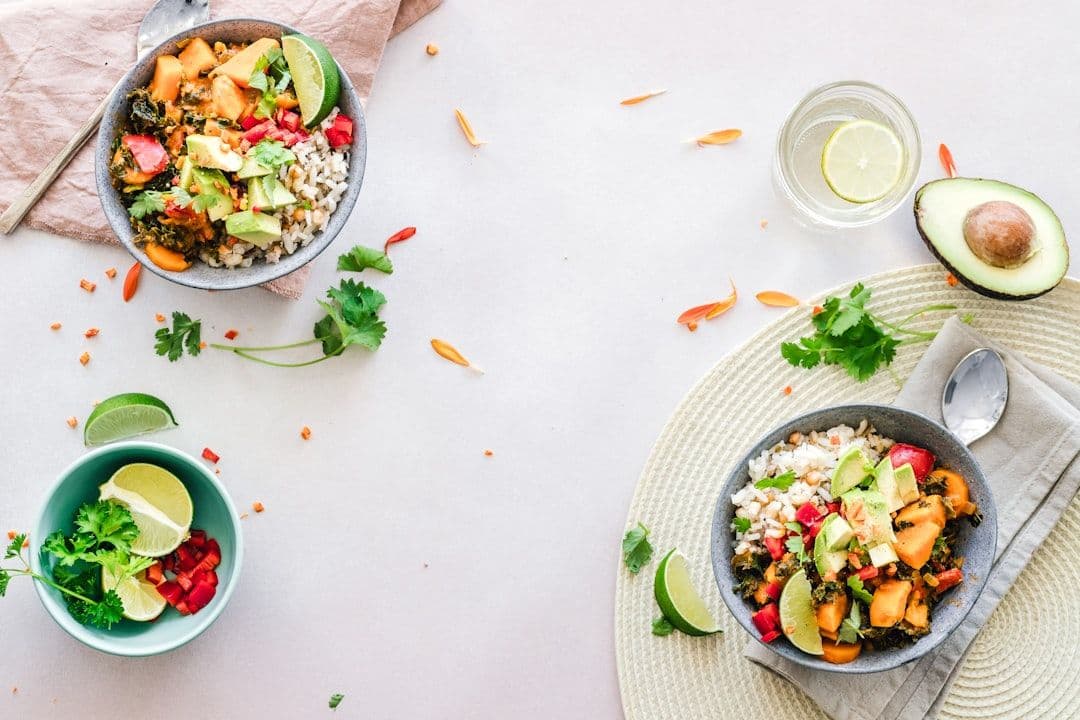
A typical macrobiotic plate emphasizes whole grains (40-60%, primarily brown rice), vegetables (25-30%, both cooked and fresh), legumes and beans (10-15%), with smaller amounts of sea vegetables, fermented foods, nuts, and seeds. Most practitioners minimize animal products, refined foods, sugar, and processed items. The specific balance varies based on individual needs, climate, season, and health goals. Many people find the diet includes plenty of satisfying, flavorful foods once they learn cooking techniques.
Results vary considerably among individuals. Some people notice improved energy, better digestion, or improved mood within 2-4 weeks. Others experience more gradual shifts over several months. The transition period can involve temporary digestive or energy changes as the body adapts. Most practitioners recommend committing to the approach for at least 3-6 months to accurately assess benefits, as true dietary and lifestyle changes require time to take effect.
Yes, macrobiotics can be adapted for most food restrictions, though severe allergies or intolerances may require modifications. An experienced macrobiotic practitioner can work with you to replace restricted foods with acceptable alternatives while maintaining balance. However, those with multiple significant allergies or complex dietary needs should work with both a macrobiotic practitioner and a registered dietitian to ensure nutritional adequacy.
Traditional macrobiotics is predominantly plant-based but typically includes small amounts of fish and seafood (particularly white fish and sea vegetables). Some practitioners and followers adopt a fully vegan version, while others include occasional animal products. Modern macrobiotics is flexible—the key principle is balance rather than strict rules about animal product inclusion or exclusion.
Many practitioners believe a well-planned macrobiotic diet provides adequate nutrition without supplements. However, vitamin B12 (found naturally only in animal products and fortified foods) is a common consideration for those eating little to no animal products. Iron, calcium, omega-3 fatty acids, and vitamin D status should be monitored, particularly for those at higher risk of deficiency. A practitioner knowledgeable in nutrition can help determine if supplementation is appropriate for your individual situation.
While macrobiotics can be adapted for children, it requires careful planning to ensure adequate calories, protein, and micronutrients during critical growth periods. Parents considering this approach should work closely with both a macrobiotic practitioner experienced with children and a pediatric healthcare provider to monitor growth and development and ensure nutritional needs are met.
Strict macrobiotics follows traditional guidelines closely, potentially limiting food variety and including dietary levels of increasing restriction. Flexible or modern macrobiotics maintains the core principles of balance and whole foods while allowing greater variety and individual adaptation based on location, season, and personal needs. Most contemporary practitioners recommend the flexible approach, which is more sustainable and easier to maintain long-term while still providing the nutritional and philosophical benefits.
References
Educational sources that inform this overview. Inclusion is for context and does not imply endorsement.
Full citations are maintained by the Gyfts editorial team and reviewed periodically.
Keep exploring
Browse practitioners, explore honest overviews, and take what you learn to a conversation — at your own pace.